Leopard Tortoise Care: The Spotted Grazer of the Savannah
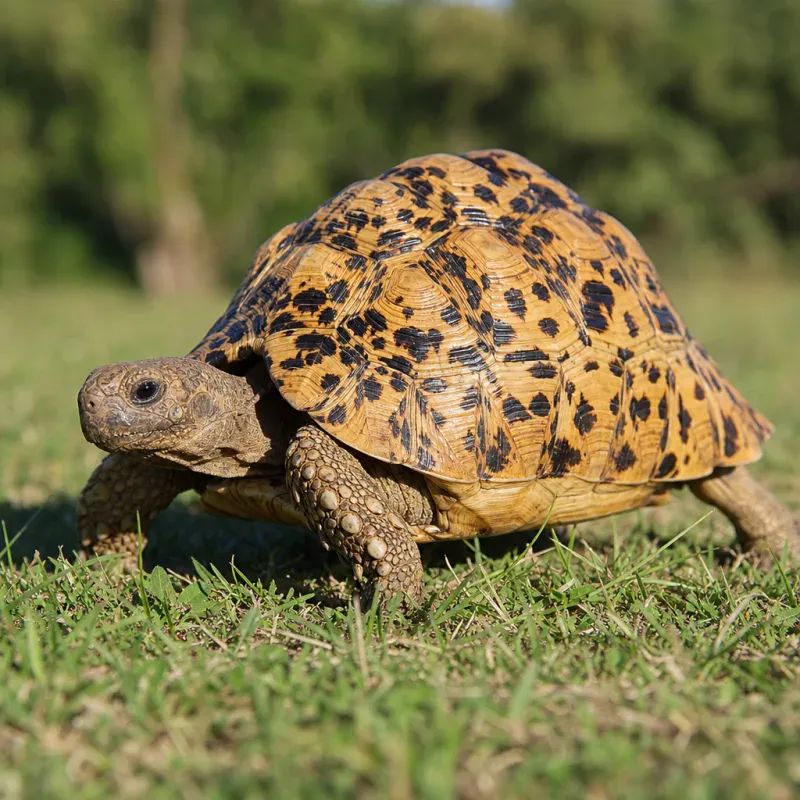
Species Overview
The leopard tortoise (Stigmochelys pardalis) is one of the most beautiful tortoise species, with a high-domed shell marked by distinctive black-on-yellow leopard-like spots. Native to the savannas of eastern and southern Africa, they are grazers that thrive on a high-fiber, grass-based diet. They grow large (up to 24 inches and 40+ pounds) and live extraordinarily long lives — a leopard tortoise is a multi-generational commitment.
Leopard tortoises are the fourth-largest tortoise species in the world. Their shells are not just visually striking; they serve as a protective armor against predators in the wild. In captivity, they are known for their curious and docile personalities, often following their owners around and even learning to recognize them. However, their size and longevity mean they are not suitable for everyone. Before acquiring one, consider that you may need to provide care for 50 to 100 years, and plan for an outdoor enclosure that can accommodate a 40-pound adult.
Space Requirements
This is not an indoor pet. Adult leopard tortoises need a minimum of 10'×10' (100 sq ft) outdoor enclosure with secure fencing. They are powerful and can push through weak barriers. For indoor keepers in cold climates, a dedicated heated shed or large tortoise room is essential during winter months.
Hatchlings can start in a 4'×2' indoor enclosure but will outgrow it within 2–3 years.
Outdoor Enclosure Design
When building an outdoor pen, consider the following:
- Fencing: Use sturdy materials like concrete blocks, thick wood planks, or buried wire mesh. The fence should be at least 18 inches above ground and buried 12 inches below to prevent digging. A top lip or inward overhang can deter climbing.
- Shelter: Provide a weatherproof hide or shed where the tortoise can escape rain, wind, and extreme sun. The shelter should be insulated in colder months.
- Substrate: Natural grass is ideal, but you can also use a mix of topsoil and play sand. Avoid gravel or small stones that could be ingested.
- Plants: Plant edible grasses and weeds like dandelion, clover, and plantain. Avoid toxic plants like oleander, rhubarb, and foxglove.
Indoor Housing for Hatchlings and Cold Climates
For hatchlings and juveniles, a tortoise table or large plastic tub works well. The enclosure should be well-ventilated but draft-free. Use a substrate like coconut coir or cypress mulch to maintain humidity. For adults in cold climates, a heated shed (e.g., 8'×8' or larger) with a radiant heater and thermostat is necessary. The shed should have a window for natural light or supplemental UVB.
Heating & Lighting
Leopard tortoises are ectothermic and rely on external heat sources to regulate their body temperature. Proper heating is critical for digestion, immune function, and overall health.
| Zone | Temperature |
|---|---|
| Basking | 95–100°F (35–38°C) |
| Ambient | 80–90°F (27–32°C) |
| Cool side | 75–80°F (24–27°C) |
| Night (indoor) | 65–75°F (18–24°C) |
- UVB: T5 HO 10.0 or 12% tube. Outdoor tortoises get natural sunlight — indoor tortoises absolutely need high-output UVB. UVB is essential for vitamin D3 synthesis and calcium metabolism. Replace the tube every 6–12 months, as output degrades over time.
- Basking: halogen flood bulb. Use multiple bulbs in large enclosures to create a broad basking zone. The basking spot should be large enough for the entire shell to fit under the light.
- Night: ceramic heat emitter if indoor temps drop below 65°F. Ceramic emitters produce no light, so they won't disturb the tortoise's sleep cycle.
Lighting Schedule
Provide 12–14 hours of light and heat during the summer, and 10–12 hours in winter. Use a timer to maintain a consistent cycle. If your tortoise is outdoors, natural sunlight is best, but ensure there are shaded areas to prevent overheating.
Choosing the Right Bulbs
For basking, use a halogen flood bulb (50–100 watts) placed at a safe distance to achieve the correct temperature. For UVB, a T5 HO tube (10.0 or 12%) is recommended over compact bulbs, as it covers a larger area and provides more consistent output. Place the UVB tube about 12–18 inches above the tortoise's back, depending on the bulb's strength.
Grass-Based Diet
Leopard tortoises are grazers, not broadleaf eaters. Their digestive system is adapted for high-fiber grasses. In the wild, they consume a variety of grasses and weeds, which provide the necessary fiber for healthy gut fermentation.
- Staples (80%): Grasses — Timothy hay, orchard grass, Bermuda grass, fresh lawn grass (pesticide-free), grape leaves, mulberry leaves, hibiscus leaves and flowers.
- Greens (15%): Dandelion, endive, escarole, collard greens, turnip greens, cactus pads.
- Treats (5%): Squash, bell pepper, occasional berries.
- Never feed: Fruit (too much sugar causes digestive upset and parasite blooms), animal protein (causes kidney damage and shell deformities), iceberg lettuce, spinach.
Calcium supplement (no D3) 3–4×/week. Cuttlebone always available. Soaking 2–3×/week in shallow warm water aids hydration.
Feeding Schedule by Age
| Age | Frequency | Portion Size |
|---|---|---|
| Hatchling (0–1 year) | Daily | Amount equal to shell size |
| Juvenile (1–5 years) | Daily | Amount equal to shell size, but less frequent if overweight |
| Adult (5+ years) | Every other day | Amount equal to shell size (or less) |
Always provide fresh water in a shallow dish that the tortoise can easily climb in and out of. Change water daily and clean the dish regularly.
Safe and Unsafe Plants
Safe: dandelion, clover, plantain, hibiscus, mulberry leaves, grape leaves, rose petals (pesticide-free). Unsafe: buttercups, daffodils, lilies, azaleas, rhubarb leaves, tomato leaves, and any plant treated with pesticides.
Supplements and Hydration
Calcium carbonate (no D3) should be dusted on food 3–4 times a week for adults, and daily for hatchlings. A multivitamin can be added once a week, but avoid over-supplementation. Cuttlebone can be left in the enclosure for the tortoise to nibble on as needed. Soaking is crucial, especially for hatchlings: fill a shallow container with warm water (85–90°F) up to the tortoise's chin and let them soak for 15–20 minutes.
Humidity & Hydration
Unlike the popular misconception, leopard tortoises do NOT need desert-dry conditions. Hatchlings especially need 60–70% humidity for smooth shell growth. Adults tolerate lower humidity (40–60%) but still need access to a humid hide or wallow area. Daily misting of the hide area and a shallow water dish for self-soaking are essential.
How to Maintain Humidity
Use a hygrometer to monitor humidity levels. For hatchlings, mist the enclosure daily and provide a humid hide filled with damp sphagnum moss. For adults, a shallow water dish or a mud wallow can help. Ensure good ventilation to prevent respiratory issues, but avoid dry conditions.
Signs of Dehydration
Sunken eyes, dry skin, and thick, pasty urates (the white part of urination) are signs of dehydration. Increase soaking frequency and misting if you notice these signs.
What Beginners Often Get Wrong
- Keeping in a glass tank: Leopard tortoises overheat and stress in glass enclosures. They need open-topped tortoise tables or outdoor pens. Glass traps heat and prevents proper ventilation, leading to respiratory issues.
- Feeding fruit or protein: Their gut is designed for grass fermentation. The wrong diet causes bloating, parasites, and shell deformities. Fruit sugars can cause diarrhea and parasite blooms, while protein can lead to kidney failure and pyramiding.
- Too-dry conditions for hatchlings: Baby leopard tortoises dehydrate quickly. Daily soaks and a humid hide are non-negotiable. Without adequate humidity, their shells will develop pyramiding (bumpy, uneven growth).
- Not planning for adult size: A 24-inch, 40-pound tortoise is a serious commitment. Have a long-term outdoor plan before purchasing a hatchling. Many tortoises end up in rescues because owners didn't plan for their size.
Common Health Issues and Prevention
Respiratory infections (signs: wheezing, nasal discharge) are often caused by cold, damp conditions. Keep the enclosure within temperature ranges and avoid drafts. Shell rot (soft spots, foul odor) can result from high humidity on a dirty substrate; keep the enclosure clean and provide a dry basking area. Parasites are common in wild-caught individuals; have a fecal exam done by a vet annually.
Handling and Temperament
Leopard tortoises are generally docile and can become accustomed to gentle handling. However, they can be stressed by frequent handling, so keep it minimal and always support their body weight. Never pick up a tortoise by its shell edges, as this can cause injury. When carrying, place one hand under the shell and the other on top for support.
Enrichment and Socialization
Provide environmental enrichment to keep your tortoise active and engaged. This can include logs, rocks, and tunnels to explore, as well as edible plants to forage. Tortoises are not social animals, so they should be housed alone unless you have a large enough enclosure for multiple individuals (with careful monitoring to prevent aggression).
Breeding Considerations
Breeding leopard tortoises requires significant space and knowledge. Males can be aggressive towards females, and females need proper nesting sites. If you are not prepared to incubate eggs and raise hatchlings, it's best to avoid breeding. Consult a reptile veterinarian for guidance if you're considering breeding.
Legal and Ethical Considerations
Before acquiring a leopard tortoise, check local laws and regulations. Some areas require permits, and it's illegal to keep them in certain climates due to escape risks. Always purchase from reputable breeders who raise their tortoises ethically, and never buy wild-caught individuals, as this contributes to population decline.
Frequently Asked Questions
How big do leopard tortoises get?
Leopard tortoises can grow up to 24 inches in length and weigh over 40 pounds. Hatchlings start at about 2 inches and grow slowly, reaching full size in 15–20 years.
What do leopard tortoises eat?
They are grazers, with 80% of their diet consisting of grasses (Timothy hay, orchard grass, Bermuda grass). The remaining 20% includes leafy greens like dandelion and collard greens, with treats like squash and bell pepper making up only 5%. Fruit and animal protein should never be fed.
How often should I soak my leopard tortoise?
Hatchlings should be soaked daily, while adults can be soaked 2–3 times per week. Soak in shallow warm water (85–90°F) for 15–20 minutes to aid hydration and digestion.
Can leopard tortoises live indoors?
They are not indoor pets. Adults require a minimum 10'×10' outdoor enclosure. In cold climates, a heated shed or large tortoise room is necessary for winter. Hatchlings can start indoors in a 4'×2' enclosure but will outgrow it within 2–3 years.
Related Reading
- Leopard Tortoise Diet Guide — Grass, hay, weeds, and calcium supplementation.
- Russian Tortoise Care Guide — Similar grazing tortoise with overlapping care.
- Uromastyx Care Guide — Another 100% vegetarian reptile with similar diet principles.
Check optimal temps, calculate feeding, and find your perfect species match.
References
- Highfield, A. (2018). Practical Encyclopedia of Keeping and Breeding Tortoises and Freshwater Turtles. Carapace Press.
- Palika, L. (2004). The Leopard Tortoise. TFH Publications.
- Jacobson, E. (2007). Infectious Diseases and Pathology of Reptiles. CRC Press.
🐾 Join the Community
See how other keepers set up their enclosures, ask questions, and share your experience.
🛠️ Apply What You Learned
Check optimal temps, calculate feeding schedules, and get calcium dosage — all personalized for your species.
Comments