Leopard Tortoise Enclosure: Indoor & Outdoor
Introduction
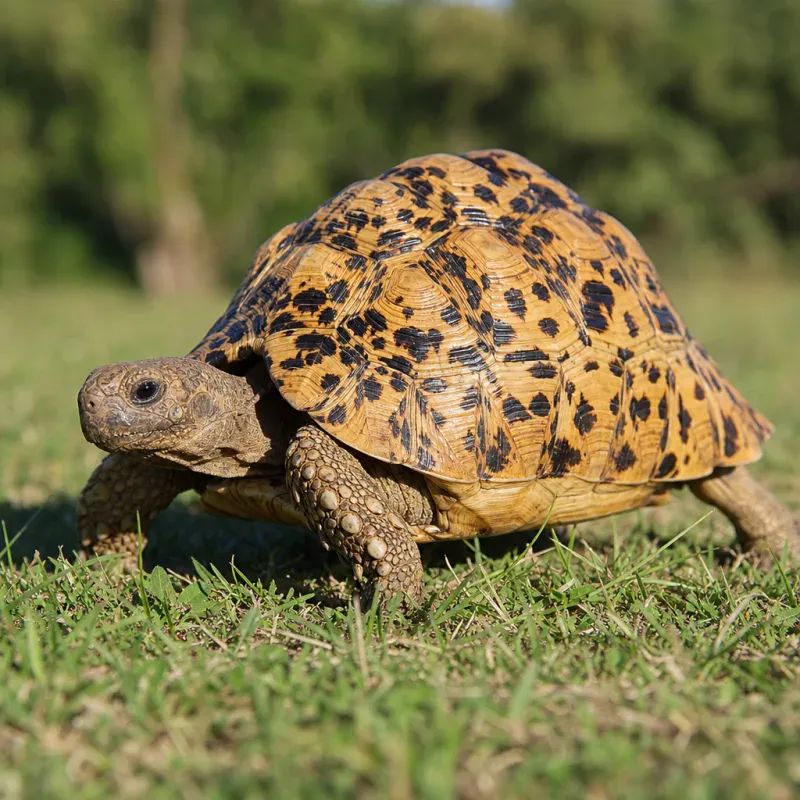
The leopard tortoise (Stigmochelys pardalis) is one of the most striking and popular tortoise species in the pet trade, known for its beautiful spotted shell and docile temperament. Native to the savannas of eastern and southern Africa, these tortoises require a carefully designed enclosure that mimics their natural habitat. Whether you are planning an indoor vivarium or an outdoor pen, getting the setup right is critical for their health and longevity. This comprehensive guide covers everything you need to know about leopard tortoise enclosures, including substrate, heating, lighting, humidity, and space requirements.
Indoor vs. Outdoor Enclosures
Leopard tortoises can be housed both indoors and outdoors, but the choice depends on your climate, space, and the tortoise's age. Hatchlings and juveniles (up to 4–5 inches) are best kept indoors where conditions can be tightly controlled. Adults can thrive outdoors in warm climates (USDA zones 9–11) but need a secure, predator-proof pen.
Indoor Enclosures
For indoor setups, a large plastic tub, a custom wooden vivarium, or a purpose-built tortoise table works well. The minimum size for a single adult leopard tortoise is 6 feet long by 3 feet wide (1.8 m x 0.9 m), but larger is always better. Glass tanks are not recommended because they retain too much humidity and can stress the tortoise. Instead, use a solid-sided enclosure with good ventilation. A top can be added to prevent escape and maintain heat, but ensure it is well-ventilated with a mesh or screen section.
Outdoor Enclosures
Outdoor pens should be at least 8 feet by 8 feet (2.4 m x 2.4 m) for one adult, with walls at least 18 inches (45 cm) high and buried 6–12 inches (15–30 cm) into the ground to prevent digging out. The pen must include a shaded area (e.g., a wooden hide or dense shrubbery), a shallow water dish, and a basking spot. In cooler weather, provide a heated shelter such as a dog house with a ceramic heat emitter. Never leave the tortoise outside overnight if temperatures drop below 50°F (10°C).
Substrate Options
The substrate is the foundation of your leopard tortoise's enclosure. It must retain some humidity for burrowing but remain dry enough to prevent shell rot. Avoid cedar or pine shavings, which are toxic. Here are the best options:
- Cypress mulch – Holds humidity well, is dust-free, and safe if ingested in small amounts. Replace every 2–3 months.
- Coconut coir – Excellent for burrowing and humidity retention. Mix with play sand (70% coir, 30% sand) for better drainage.
- Topsoil (organic, no fertilizers) – A natural option that allows digging. Mix with sand for texture.
- Orchard grass hay – Good for dry areas but must be spot-cleaned daily. Not ideal for high-humidity zones.
Provide a substrate depth of at least 4–6 inches (10–15 cm) for adults to allow natural burrowing. For hatchlings, 2–3 inches (5–8 cm) is sufficient. Spot-clean waste daily and change the entire substrate every 3–4 months to prevent bacterial buildup.
Heating and Lighting Requirements
Proper temperature gradients and UVB lighting are non-negotiable for leopard tortoises. They are ectothermic and need external heat to digest food and maintain metabolic function.
Temperature Gradient
Create a thermal gradient in the enclosure:
- Basking spot: 95–100°F (35–38°C) measured with a digital thermometer at the tortoise's shell height.
- Warm end: 85–90°F (29–32°C).
- Cool end: 70–75°F (21–24°C).
- Nighttime: 65–70°F (18–21°C). Use a ceramic heat emitter (CHE) if needed, as it emits no light.
Basking and UVB Lighting
Use a basking bulb (e.g., 75–100W halogen or mercury vapor bulb) positioned 12–18 inches (30–45 cm) above the basking area. For UVB, a 10.0 UVB linear fluorescent tube (e.g., Zoo Med ReptiSun 10.0 or Arcadia 12%) is essential for vitamin D3 synthesis and calcium absorption. Replace the UVB bulb every 6–12 months, as output diminishes over time. A 12-hour photoperiod (on at 7 AM, off at 7 PM) mimics natural day length.
Lighting Schedule
Use a timer to maintain consistency: 12–14 hours of light in summer, 10–12 hours in winter. Nighttime should be completely dark unless supplemental heat is needed.
Humidity and Water Needs
Leopard tortoises come from semi-arid regions, so humidity should be moderate—around 40–60%. Too much humidity (over 70%) can cause shell rot and respiratory issues, while too low (under 30%) can lead to dehydration and pyramiding. Use a hygrometer to monitor levels. In indoor enclosures, mist the substrate lightly once a day if needed, especially in the cool end. Provide a shallow water dish large enough for the tortoise to soak in but shallow enough to prevent drowning (depth no more than the tortoise's chin). Change the water daily and scrub the dish weekly. Soak juvenile tortoises in warm water (85°F/29°C) for 15–20 minutes, 2–3 times per week to promote hydration and bowel movements.
Diet and Feeding
Leopard tortoises are strict herbivores. Their diet should consist of high-fiber, low-protein plants. A balanced diet includes:
- Grasses and hay: Timothy hay, Bermuda grass, and orchard grass should make up 70–80% of the diet.
- Dark leafy greens: Dandelion greens, collard greens, mustard greens, and turnip greens (limit spinach and kale due to oxalates).
- Weeds and flowers: Clover, plantain, hibiscus, roses, and edible flowers.
- Vegetables: Squash, bell peppers, and carrots (in moderation, as treats).
Avoid fruits (high sugar), protein-rich foods (e.g., dog food, beans), and iceberg lettuce (no nutritional value). Dust food with a calcium supplement (without D3 if UVB is provided) 2–3 times per week, and a multivitamin once a week. Provide a cuttlebone for additional calcium. Feed adults every other day; juveniles daily.
Handling and Behavior
Leopard tortoises are generally calm and tolerate gentle handling, but they are not cuddly pets. Always support the tortoise's body with both hands—never pick it up by the shell edges or legs. Limit handling to 10–15 minutes per session to reduce stress. Signs of stress include hiding, hissing, or withdrawing into the shell. Allow the tortoise to explore its enclosure on its own. Enrichment items like large rocks, logs, and hiding spots encourage natural behaviors. Avoid sudden loud noises or vibrations near the enclosure.
Common Health Issues
With proper care, leopard tortoises can live 50–80+ years. However, common health problems include:
- Pyramiding: Abnormal shell growth due to low humidity, poor diet, or insufficient UVB. Prevent by maintaining 40–60% humidity and a proper calcium-to-phosphorus ratio.
- Respiratory infections: Symptoms include nasal discharge, wheezing, and lethargy. Caused by cold temperatures or drafts. Keep temperatures stable and avoid damp conditions.
- Shell rot: Bacterial or fungal infection from prolonged moisture. Keep substrate dry and clean; treat with betadine solution and vet care.
- Parasites: Internal (worms) or external (mites). Routine fecal exams by an exotic vet are recommended annually.
- Metabolic bone disease (MBD): Caused by calcium deficiency or lack of UVB. Signs include soft shell, limb deformities, and lethargy. Requires immediate veterinary intervention.
Errors to Avoid
| Mistake | Why It's Harmful | Solution |
|---|---|---|
| Using a glass tank | Poor ventilation, high humidity, stress | Use a tortoise table or plastic tub |
| Incorrect UVB bulb | Low UVB output leads to MBD | Use a linear 10.0 UVB tube, replace every 6–12 months |
| Overfeeding fruit | High sugar causes obesity and diarrhea | Stick to grasses and greens |
| Inadequate space | Stunts growth, causes stress | Provide at least 6 ft x 3 ft for adults |
| Ignoring humidity | Pyramiding or shell rot | Monitor with hygrometer; adjust substrate |
| Handling too much | Stress, reduced appetite | Limit to 10–15 min sessions |
Conclusion
Setting up a proper enclosure for a leopard tortoise is a rewarding investment that pays off in decades of healthy companionship. Focus on replicating their natural savanna habitat with a spacious, well-ventilated area, correct substrate, precise heating and UVB, and a high-fiber diet. Avoid common pitfalls like glass tanks, poor lighting, or improper humidity. With attention to detail, your Stigmochelys pardalis will thrive and become a long-lived member of your family. Always consult an exotic veterinarian for specific health concerns or if you notice any behavioral changes.
Related Reading
- Leopard Tortoise Care: The Spotted Grazer of the Sav...
- Leopard Tortoise Diet Guide: Grass and Hay Varieties...
- Leopard Tortoise Health Guide: Common Diseases, Shel...
Check optimal temps, calculate feeding, and find your perfect species match.
References
- Highfield, A. C. (2020). Practical Encyclopedia of Keeping and Breeding Tortoises and Freshwater Turtles. Carapace Press.
- Gurley, R. (2019). The Leopard Tortoise: A Complete Guide to Stigmochelys pardalis. TFH Publications.
- McArthur, S., Wilkinson, R., & Meyer, J. (2004). Medicine and Surgery of Tortoises and Turtles. Blackwell Publishing.
- Zoo Med Laboratories. (2023). Reptile Lighting Guide. Zoo Med.
🐾 Join the Community
See how other keepers set up their enclosures, ask questions, and share your experience.
🛠️ Apply What You Learned
Check optimal temps, calculate feeding schedules, and get calcium dosage — all personalized for your species.
Comments