Russian Tortoise Diet Guide: Safe Greens, Weeds & Schedule
Introduction
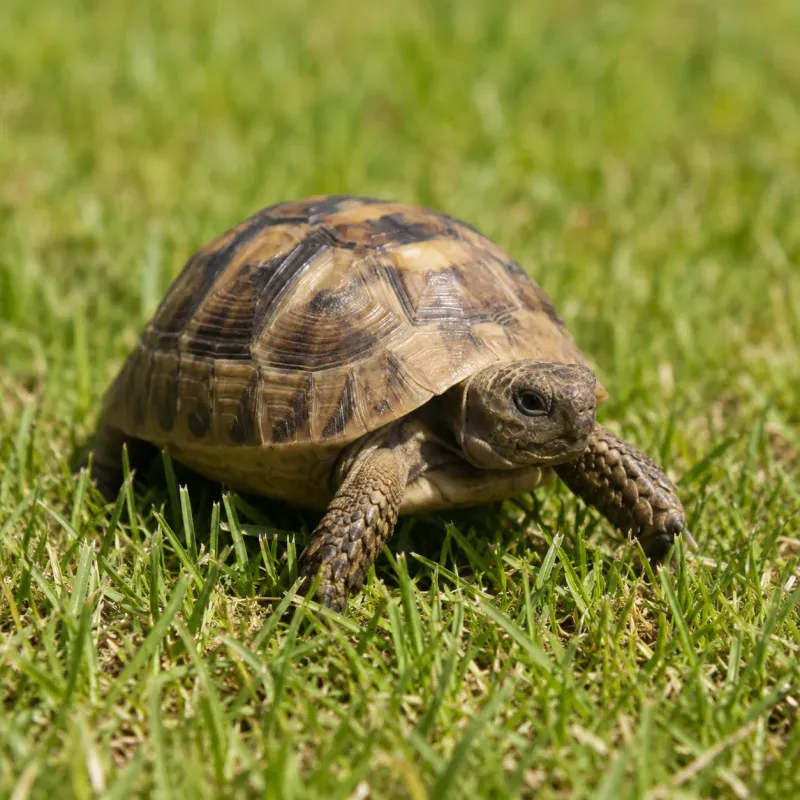
The Russian Tortoise (Testudo horsfieldii) is a hardy, herbivorous reptile native to arid regions of Central Asia. A proper diet is the cornerstone of their health, preventing common issues like metabolic bone disease, obesity, and shell deformities. This guide covers everything you need to know about feeding your Russian Tortoise, from hatchling to adult, including safe plants, calcium requirements, and a detailed feeding schedule.
Natural Diet & Nutritional Needs
In the wild, Russian Tortoises consume a high-fiber, low-protein diet of grasses, weeds, and flowers. Their digestive system is adapted to process tough plant material, so captivity diets must mimic this. Key nutritional requirements include:
- Fiber: 15–25% crude fiber to support gut motility
- Calcium:Phosphorus ratio: Ideally 2:1 or higher
- Protein: Less than 15% (excess causes shell pyramiding)
- Low oxalates: Oxalic acid binds calcium, so limit spinach, beet greens, and chard
Seasonal Feeding Guide
Russian Tortoises in the wild experience distinct seasons, and their diet naturally shifts with plant availability. Mimicking this in captivity supports digestive health and prevents boredom.
| Season | Food Focus | Notes |
|---|---|---|
| Spring (Mar–May) | Fresh weeds, dandelion, clover | Higher moisture; introduce gradually after winter |
| Summer (Jun–Aug) | Leafy greens, flowers, squash | Peak variety; offer more hydration via soaks |
| Autumn (Sep–Nov) | Hardier greens (collard, turnip) | Reduce frequency as activity slows |
| Winter (Dec–Feb) | Indoor greens (endive, radicchio) | If not hibernating, maintain schedule; watch weight |
Always adjust based on your tortoise's activity level and environmental temperature. In cooler months, digestion slows, so reduce portion sizes slightly.
Safe Foods: Weeds, Greens, Flowers & Plants
Safe Weeds & Greens (Staples)
- Dandelion greens and flowers — excellent calcium source
- Clover (red and white) — high fiber
- Plantain (Plantago spp.) — nutrient-rich
- Endive, escarole, and radicchio — low oxalate greens
- Collard greens — calcium-rich
- Mustard greens — feed in moderation
- Turnip greens — high calcium
- Mulberry leaves — excellent browse
- Grape leaves — occasional treat
Safe Flowers (Occasional Treats)
- Hibiscus — whole flowers and leaves
- Rose petals — pesticide-free only
- Nasturtium — edible flowers and leaves
- Pansies — safe in small amounts
- Chrysanthemum — use sparingly
- Calendula (marigold) — bright petals
Safe Vegetables (Supplementary)
- Butternut squash — grated raw
- Bell peppers — red/orange for vitamin A
- Carrot tops — leafy part only
- Zucchini — skinned and chopped
Foods to Avoid
- Fruit — high sugar disrupts gut flora; only tiny amounts as rare treat
- Iceberg lettuce — no nutritional value
- Spinach, beet greens, Swiss chard — high oxalates
- Broccoli, cauliflower, kale — goitrogenic in large amounts
- Animal protein — never feed meat, eggs, or insects
- Dog/cat food — too high in protein
- Rhubarb — toxic
- Avocado — toxic
Calcium Supplementation
Russian Tortoises require regular calcium supplementation to prevent metabolic bone disease. Use a calcium powder without vitamin D3 (since they produce D3 from UVB light) or with D3 if UVB exposure is inconsistent.
| Life Stage | Calcium Frequency | Type |
|---|---|---|
| Hatchlings & Juveniles | Every feeding (5–7 days/week) | Calcium carbonate or calcium gluconate |
| Adults | 3–4 times per week | Calcium carbonate (no D3) or with D3 if UVB limited |
| Breeding females | Daily | Calcium with D3 and multivitamin once weekly |
Dust food lightly — a pinch per serving. Provide a cuttlebone or calcium block in the enclosure for self-regulation.
Step-by-Step: How to Dust Food with Calcium
- Prepare the food: Chop fresh greens and veggies into bite-sized pieces (shell-sized for hatchlings, larger for adults).
- Place in a container: Use a small bowl or plastic bag.
- Add calcium powder: A pinch (about 1/8 teaspoon) per serving — avoid over-dusting as it can deter eating.
- Shake or toss: Gently mix so all pieces are lightly coated.
- Serve immediately: Offer within 10 minutes to ensure powder sticks.
- Clean up: Remove uneaten food after 2–4 hours to prevent spoilage.
For cuttlebone, scrape a few shavings over food or leave a piece in the enclosure for self-regulation.
Feeding Schedule: Hatchlings vs. Adults
Hatchlings (0–12 months)
- Frequency: Daily, 2 small meals (morning and early afternoon)
- Portion: Amount roughly the size of their shell
- Variety: Rotate greens daily; include weeds and flowers
- Calcium: Dust every meal
Juveniles (1–3 years)
- Frequency: Daily, 1–2 meals
- Portion: Shell-sized amount
- Calcium: 5–6 times per week
Adults (3+ years)
- Frequency: Every other day (3–4 times per week)
- Portion: 1 cup of greens per 10 lbs of body weight
- Calcium: 3–4 times per week
Sample Weekly Feeding Chart (Adult)
| Day | Food | Calcium |
|---|---|---|
| Monday | Dandelion greens + clover | Yes |
| Tuesday | Endive + hibiscus flower | No |
| Wednesday | Collard greens + plantain | Yes |
| Thursday | No feeding (fasting day) | — |
| Friday | Mustard greens + rose petals | Yes |
| Saturday | Radicchio + mulberry leaves | No |
| Sunday | Butternut squash + carrot tops | Yes |
Cost Breakdown: Feeding Your Russian Tortoise
Budgeting helps maintain a consistent diet. Here's an estimated monthly cost based on typical retail prices (US average, 2025):
| Item | Monthly Quantity | Estimated Cost |
|---|---|---|
| Fresh greens (dandelion, endive, collard) | ~4 lbs | $15–$25 |
| Weeds (homegrown or foraged) | ~2 lbs | $0–$10 (free if foraged) |
| Calcium powder | 1 jar (lasts 3–4 months) | $8–$12 |
| Cuttlebone | 1 piece | $3–$5 |
| Occasional flowers (hibiscus, rose) | ~1 oz dried | $5–$10 |
| Total | $31–$62 |
Growing your own dandelion and clover can cut costs significantly. Avoid store-bought pesticide-treated plants.
Hydration & Water
Provide a shallow water dish large enough for soaking but not deep enough to drown (max depth = chin level). Change water daily. Soak your tortoise in lukewarm water (80–85°F / 27–29°C) for 15–20 minutes twice weekly to promote hydration and bowel movements.
Common Diet-Related Health Issues
- Metabolic Bone Disease (MBD): Caused by calcium deficiency or improper UVB. Signs: soft shell, lethargy, limb deformities.
- Shell Pyramiding: Excess protein or improper humidity. Ensure low-protein diet and proper hydration.
- Obesity: Overfeeding or high-calorie foods. Stick to schedule and avoid fruit.
- Impaction: From eating substrate or low-fiber foods. Provide fiber-rich greens and avoid sand/wood chips.
Troubleshooting: Common Feeding Problems
| Problem | Likely Cause | Solution |
|---|---|---|
| Tortoise refuses to eat | Stress, temperature too low, or new food | Check basking temp (95–100°F); offer familiar greens; soak to encourage |
| Soft or deformed shell | Calcium deficiency or UVB issues | Increase calcium dusting; replace UVB bulb if older than 6 months |
| Diarrhea | Too much fruit or high-moisture food | Remove fruit; reduce watery greens; add more fiber |
| Overweight | Overfeeding or too many treats | Stick to every-other-day schedule; reduce portion size |
| Lethargy | Dehydration or cold | Soak more frequently; check ambient temps |
Comparison Table: Safe vs. Unsafe Foods
| Food Type | Safe | Unsafe |
|---|---|---|
| Leafy greens | Dandelion, collard, endive | Spinach, iceberg, kale (large amounts) |
| Vegetables | Squash, bell pepper, carrot tops | Potato, onion, garlic |
| Fruits | Occasional strawberry, melon (tiny) | Citrus, banana (too sugary) |
| Flowers | Hibiscus, rose, nasturtium | Lily, tulip, daffodil (toxic) |
| Protein | None | Meat, eggs, dog food |
Common Mistakes to Avoid
- Feeding too much fruit: Causes diarrhea and obesity
- Ignoring calcium: Leads to MBD
- Using UVB bulbs incorrectly: Replace every 6 months; distance 10–12 inches
- Skipping soaks: Dehydration causes kidney issues
- Feeding only store-bought lettuce: Lacks fiber and nutrients
Conclusion
A well-planned diet is the single most important factor in keeping your Russian Tortoise healthy. Focus on high-fiber weeds and greens, supplement with calcium, and stick to a consistent feeding schedule. With proper nutrition, your tortoise can thrive for 40+ years. Always consult a reptile veterinarian for specific health concerns.
Frequently Asked Questions
What should I feed my Russian tortoise?
Weeds and greens are the staple: dandelion greens and flowers (an excellent calcium source), clover, plantain, and other safe weeds from the guide's list. Supplement with safe vegetables and occasional flowers.
How often should I feed a Russian tortoise?
The guide has a schedule by age: hatchlings, juveniles, and adults all get daily staples with amounts scaled to size — plus a sample weekly feeding chart for adults.
Do Russian tortoises need calcium?
Yes — dust food lightly with calcium with D3 and a multivitamin once weekly (a pinch per serving), and keep a cuttlebone or calcium block in the enclosure for self-regulation.
What foods should Russian tortoises avoid?
Fruit is high in sugar and disrupts gut flora — only tiny amounts as a rare treat. Iceberg lettuce has no nutritional value. The guide's full foods-to-avoid list covers the rest, including toxic garden plants.
How can I tell if my tortoise is getting too much protein?
Excess protein can cause shell pyramiding — visible as raised, bumpy scutes. The guide recommends keeping protein under 15% of the diet, so avoid animal protein and high-protein pellets.
Is it okay to feed my tortoise only once a day as an adult?
Adults are fed every other day (3–4 times per week) per the guide's schedule. Feeding daily can lead to obesity, so follow the adult schedule unless your vet advises otherwise.
Can I feed my tortoise weeds from my yard?
Yes, but only if they are pesticide-free and from the safe list (dandelion, clover, plantain). Avoid any plants near roads or treated lawns. When in doubt, skip it.
Related Reading
Check optimal temps, calculate feeding, and find your perfect species match.
🐾 Join the Community
See how other keepers set up their enclosures, ask questions, and share your experience.
🛠️ Apply What You Learned
Check optimal temps, calculate feeding schedules, and get calcium dosage — all personalized for your species.
Comments