Russian Tortoise Health: Diseases & Prevention
Introduction
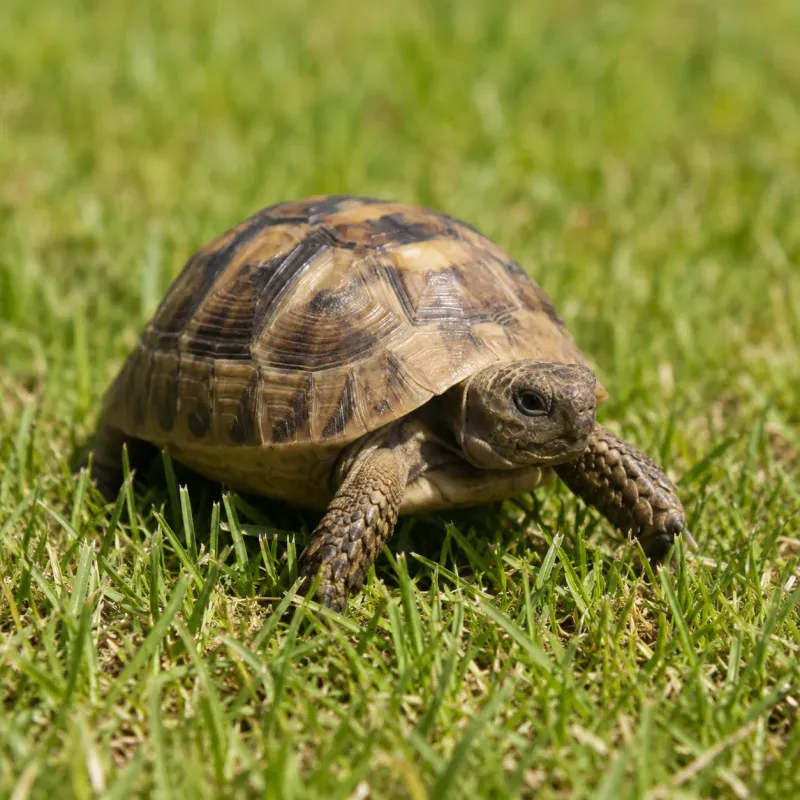
The Russian Tortoise (Testudo horsfieldii), also known as the Horsfield's tortoise, is a hardy, long-lived species popular among reptile enthusiasts. However, like all reptiles, they are susceptible to several health issues, including respiratory infections, shell rot, vitamin A deficiency, and parasitic infestations. This evidence-backed guide covers the most common diseases, their symptoms, treatment options, and prevention strategies—including safe brumation (hibernation) practices and when to consult a reptile veterinarian.
Common Diseases and Symptoms
Respiratory Infections
Respiratory infections (RIs) are among the most frequent health problems in captive Russian tortoises. They are often caused by bacteria (e.g., Mycoplasma, Pasteurella) secondary to improper temperatures, humidity, or ventilation.
Symptoms:
- Nasal discharge (clear or mucus-like)
- Bubbling from nostrils
- Open-mouth breathing or wheezing
- Lethargy, loss of appetite
- Swollen eyes or conjunctivitis
Treatment: Requires a vet-prescribed antibiotic (e.g., enrofloxacin). Supportive care includes raising ambient temperature to 85–90°F (29–32°C) and increasing humidity slightly. Never attempt home remedies without a diagnosis.
Shell Rot
Shell rot (septicemic cutaneous ulcerative disease) is a bacterial or fungal infection of the shell, often triggered by excessive moisture, poor substrate hygiene, or trauma.
Symptoms:
- Soft, pitted, or discolored shell areas
- Foul odor from the shell
- White, yellow, or red patches under scutes
- Flaking or peeling scutes
Treatment: Mild cases can be treated with daily cleaning using dilute betadine or chlorhexidine, followed by a reptile-safe antifungal ointment. Severe cases require veterinary debridement and systemic antibiotics.
Vitamin A Deficiency (Hypovitaminosis A)
Vitamin A is essential for skin, eye, and respiratory tract health. Deficiency is common in tortoises fed an all-lettuce diet or lacking beta-carotene-rich vegetables.
Symptoms:
- Swollen, crusty eyes (blepharitis)
- Lethargy and poor appetite
- Respiratory signs (secondary to epithelial damage)
- Ear abscesses (aural abscesses)
Treatment: Dietary correction (add dark leafy greens, carrots, squash) and vet-administered injectable vitamin A. Do not self-dose oral supplements—hypervitaminosis A is toxic.
Parasitic Infections
Both internal (roundworms, pinworms, coccidia) and external (mites, ticks) parasites affect Russian tortoises.
Symptoms:
- Weight loss despite normal appetite
- Diarrhea or undigested food in stool
- Visible worms in feces
- Rubbing against objects (itching)
Treatment: Fecal float tests by a vet identify parasites. Fenbendazole or praziquantel are common dewormers. Quarantine new tortoises for 90 days and practice strict hygiene.
Brumation (Hibernation) Safety
Russian tortoises naturally brumate during winter. In captivity, brumation is optional but can be done safely with preparation.
Pre-Brumation Checklist
- Vet health check (fecal test, body weight)
- Gradual temperature drop over 2–3 weeks
- Stop feeding 2–3 weeks before brumation
- Provide a humid hide (60–70% humidity) at 40–50°F (4–10°C)
Dangers of Unsafe Brumation
- Dehydration
- Respiratory infection
- Death from starvation or organ failure
When NOT to brumate: Sick, underweight, or juvenile tortoises (<4 inches) should not brumate. Keep them awake with proper lighting and heat year-round.
When to See a Reptile Vet
Seek veterinary care immediately if you observe:
- Persistent nasal discharge or open-mouth breathing
- Soft shell spots or foul odor
- Swollen eyes or ear abscesses
- Weight loss or anorexia for >1 week
- Blood in stool or visible parasites
- Lethargy unresponsive to temperature correction
Find a vet experienced with chelonians. The Association of Reptilian and Amphibian Veterinarians (ARAV) offers a directory.
Prevention Tips
| Health Issue | Prevention Strategy |
|---|---|
| Respiratory infections | Maintain basking temp 95–100°F, cool side 75–80°F; ensure good ventilation; avoid drafts. |
| Shell rot | Use dry substrate (coco coir/topsoil mix); spot-clean daily; provide UVB for shell health. |
| Vitamin A deficiency | Feed 80% dark leafy greens (collard, dandelion, mustard), 10% vegetables (carrot, squash), 10% weeds/flowers. |
| Parasites | Quarantine new arrivals; fecal test annually; avoid wild-caught food; clean water daily. |
| Brumation risks | Only brumate healthy adults; monitor weight weekly; provide humidity; never brumate sick animals. |
Enclosure Setup for Health
A proper enclosure prevents many diseases. Minimum size: 4x2 feet for one adult. Use a closed-chamber design (e.g., PVC or wood vivarium) to maintain stable humidity (40–60%). Substrate: 4–6 inches of organic topsoil mixed with coconut coir. Provide a humid hide (moss-filled) and a basking spot with a UVB bulb (5.0 or 10% T5 HO) and a heat bulb.
Step-by-Step Enclosure Setup
- Choose the enclosure: A 4x2 foot PVC or wooden vivarium is ideal for one adult. Larger is always better; consider 6x2 for more space.
- Install heating: Place a basking bulb at one end to create a temperature gradient. Use a thermostat to regulate the basking spot at 95–100°F (35–38°C) and the cool side at 75–80°F (24–27°C).
- Add UVB lighting: Use a T5 HO 10% UVB tube spanning at least 2/3 of the enclosure. Replace the bulb every 12 months even if it still emits light, as UVB output degrades over time.
- Lay substrate: Mix 60% organic topsoil with 40% coconut coir to a depth of 4–6 inches. This allows burrowing and helps maintain humidity.
- Provide a humid hide: Fill a hide box with damp sphagnum moss. This creates a microclimate with 60–70% humidity, essential for shedding and respiratory health.
- Add water and food dishes: Use a shallow, heavy water dish that cannot be tipped over. Clean and refill daily.
- Monitor environment: Use digital thermometers and a hygrometer to check temperatures and humidity daily. Adjust as needed.
Troubleshooting Enclosure Issues
| Problem | Likely Cause | Solution |
|---|---|---|
| Basking spot too hot | Bulb too powerful or too close | Raise the bulb or use a lower wattage; always use a thermostat. |
| Humidity too low | Open enclosure or dry substrate | Switch to a closed-chamber design; mist substrate daily; add a humid hide. |
| Humidity too high | Poor ventilation or over-misting | Increase ventilation holes; reduce misting frequency; allow substrate to dry slightly between mistings. |
| UVB not working | Bulb too old or blocked by glass | Replace bulb annually; ensure no glass/plastic between bulb and tortoise. |
Common Mistakes That Harm Health
- Overfeeding fruit: Russian tortoises are herbivores; fruit causes diarrhea and obesity.
- No UVB: Causes metabolic bone disease (MBD) and shell deformities.
- Wrong substrate: Sand or wood chips cause impaction and respiratory issues.
- Overhandling: Stress suppresses immunity; limit handling to 10–15 minutes weekly.
- Ignoring quarantine: New tortoises can introduce mites, worms, or Mycoplasma.
Additional Common Mistakes
- Using heat rocks: These can cause severe burns. Always use overhead heating.
- Feeding iceberg lettuce: It has almost no nutritional value and can lead to vitamin deficiencies. Replace with dark leafy greens.
- Keeping tortoises in glass aquariums: These are often too small and poorly ventilated. Use a custom wooden or PVC enclosure.
- Not providing a water dish: Dehydration can lead to kidney problems and impaction. Always provide clean water.
- Skipping annual vet checkups: Even healthy-looking tortoises can harbor parasites or early signs of disease.
Nutrition and Its Role in Disease Prevention
Diet is the cornerstone of health for Russian tortoises. A poor diet can lead to vitamin deficiencies, metabolic bone disease, and obesity. Follow these guidelines:
- 80% dark leafy greens: collard greens, dandelion greens, mustard greens, turnip greens, and kale (in moderation).
- 10% vegetables: grated carrot, butternut squash, bell pepper (occasionally).
- 10% weeds and flowers: dandelion flowers, hibiscus, rose petals, clover, plantain.
Avoid: fruit (except rare treats), iceberg lettuce, spinach (high in oxalates), and commercial pellets as a staple (use as occasional supplement).
Calcium and Supplementation
Calcium is crucial for shell and bone health. Dust food with a calcium supplement (without D3 if using UVB, or with D3 if not) 2–3 times per week. A multivitamin (containing vitamin A) can be given once weekly, but never exceed the recommended dose—hypervitaminosis A is toxic.
Quarantine Procedures for New Tortoises
Quarantine is essential to prevent disease outbreaks. Follow these steps:
- Isolate: Keep new tortoises in a separate room for at least 90 days. Use separate equipment (feeding dishes, cleaning tools).
- Observe: Monitor for any signs of illness (nasal discharge, diarrhea, lethargy). Weigh weekly to ensure no weight loss.
- Fecal test: Have a vet perform a fecal float test for parasites. Treat if positive.
- Hygiene: Wash hands between handling new and existing tortoises to prevent cross-contamination.
- Gradual introduction: After quarantine, introduce slowly in a neutral space to avoid aggression.
Building a Reptile First-Aid Kit
Having a first-aid kit on hand can help you respond quickly to minor injuries or early symptoms. Include:
- Dilute betadine or chlorhexidine solution (for cleaning wounds)
- Reptile-safe antifungal ointment (e.g., silver sulfadiazine)
- Sterile gauze pads and bandage tape
- Digital thermometer and hygrometer
- Electrolyte solution (e.g., Pedialyte) for dehydration (use under vet guidance)
- Contact information for your reptile vet
Note: A first-aid kit is not a substitute for veterinary care. Always consult a vet for serious issues.
Seasonal Care Adjustments
Summer
- If kept outdoors, provide shade and a shallow water dish. Ensure the enclosure is escape-proof and predator-proof.
- Monitor temperatures to prevent overheating—provide a cool hide.
Winter
- Indoor tortoises may need additional heating if the room is cold. Keep the basking spot at the correct temperature.
- If brumating, follow the pre-brumation checklist strictly. For non-brumating tortoises, maintain normal lighting and feeding schedules.
When to See a Reptile Vet
Seek veterinary care immediately if you observe:
- Persistent nasal discharge or open-mouth breathing
- Soft shell spots or foul odor
- Swollen eyes or ear abscesses
- Weight loss or anorexia for >1 week
- Blood in stool or visible parasites
- Lethargy unresponsive to temperature correction
Find a vet experienced with chelonians. The Association of Reptilian and Amphibian Veterinarians (ARAV) offers a directory.
Conclusion
Russian tortoises are resilient but require attentive husbandry to avoid common diseases. By providing correct temperatures, UVB, a varied diet, and regular veterinary checkups, you can minimize risks from respiratory infections, shell rot, vitamin A deficiency, and parasites. Always prioritize prevention—it is far easier than treatment.
Frequently Asked Questions
How often should I take my Russian tortoise to the vet?
Annual wellness exams are recommended, including a fecal float test to check for parasites. More frequent visits are needed if you notice any symptoms of illness, such as nasal discharge, weight loss, or shell abnormalities. Always consult a vet before brumation to ensure your tortoise is healthy enough.
Can I treat a respiratory infection at home?
No. Respiratory infections require a vet-prescribed antibiotic (e.g., enrofloxacin) and supportive care, including raising the ambient temperature to 85–90°F (29–32°C) and increasing humidity slightly. Home remedies without a diagnosis are ineffective and can worsen the condition.
What should I do if I find a soft spot on my tortoise's shell?
A soft shell spot could indicate shell rot or metabolic bone disease. For mild shell rot, clean the area daily with dilute betadine or chlorhexidine and apply a reptile-safe antifungal ointment. However, severe cases require veterinary debridement and systemic antibiotics. Never attempt to scrape or remove scutes yourself.
Is brumation necessary for Russian tortoises?
No, brumation is optional in captivity. It can be done safely with proper preparation, including a vet health check, gradual temperature drop, and a humid hide at 40–50°F (4–10°C). However, sick, underweight, or juvenile tortoises (less than 4 inches) should not brumate—keep them awake with proper lighting and heat year-round.
Related Reading
- Russian Tortoise Care: Complete Species Guide — Comprehensive care overview covering habitat, handling, and daily routines.
- Russian Tortoise Diet Guide: Safe Greens, Weeds & Schedule — Learn the best greens and weeds to feed your Russian tortoise for optimal health.
- Russian Tortoise Enclosure: Indoor & Outdoor — Proper enclosure setup is key to preventing health issues and promoting well-being.
- Reptile UVB Lighting Guide: Ferguson Zones & Bulb Selection — Understand UVB requirements crucial for vitamin D3 synthesis and disease prevention.
- Reptile Vitamins & Supplements: Calcium With or Without D3 — Learn how calcium and vitamin D3 supplementation supports shell and bone health.
Check optimal temps, calculate feeding, and find your perfect species match.
References
- Highfield, A. C. (2017). Practical Encyclopedia of Keeping and Breeding Tortoises and Freshwater Turtles. Carapace Press.
- Kaplan, M. (2021). Russian Tortoise Care. Reptile & Amphibian Magazine.
- McArthur, S., Wilkinson, R., & Meyer, J. (2004). Medicine and Surgery of Tortoises and Turtles. Blackwell Publishing.
- Association of Reptilian and Amphibian Veterinarians (ARAV). (2023). Veterinary Directory.
🐾 Join the Community
See how other keepers set up their enclosures, ask questions, and share your experience.
🛠️ Apply What You Learned
Check optimal temps, calculate feeding schedules, and get calcium dosage — all personalized for your species.
Comments