Leachie Gecko Morphs: Locales, Patterns & Prices
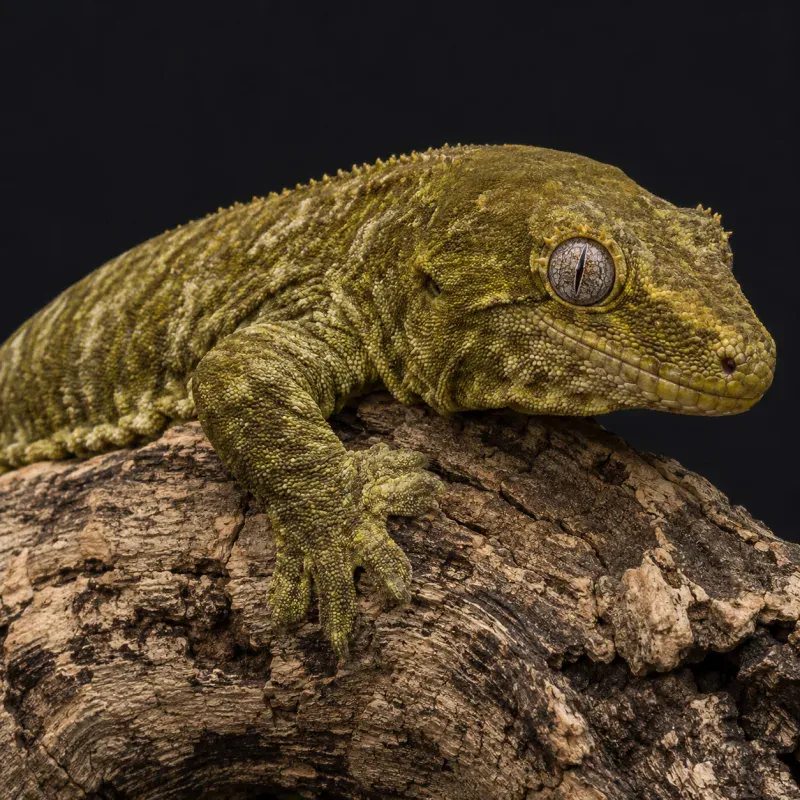
Popular Leachie Gecko Locales (With Pictures)
Here are the most popular color forms in their typical adult appearance.
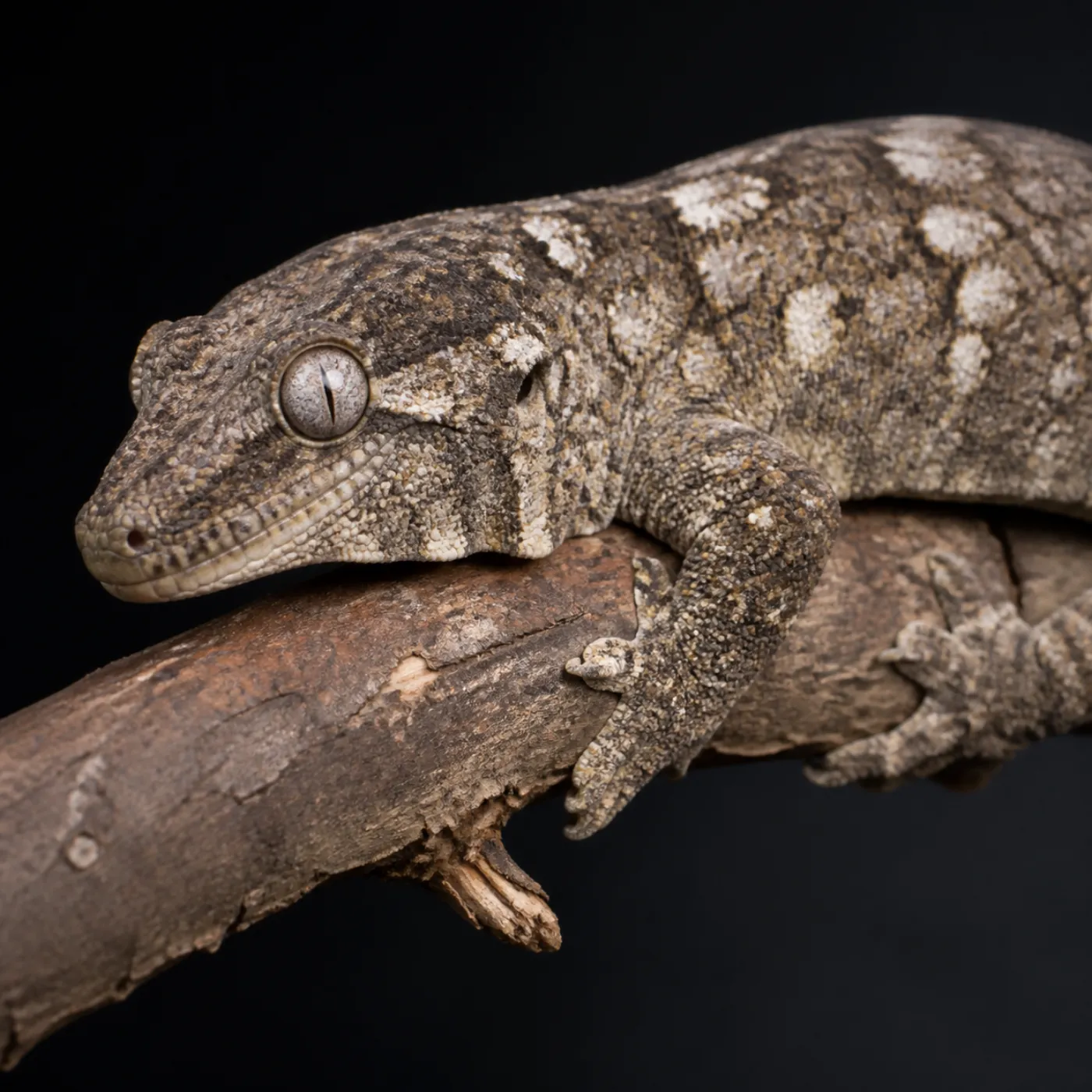 Isle of Pines | 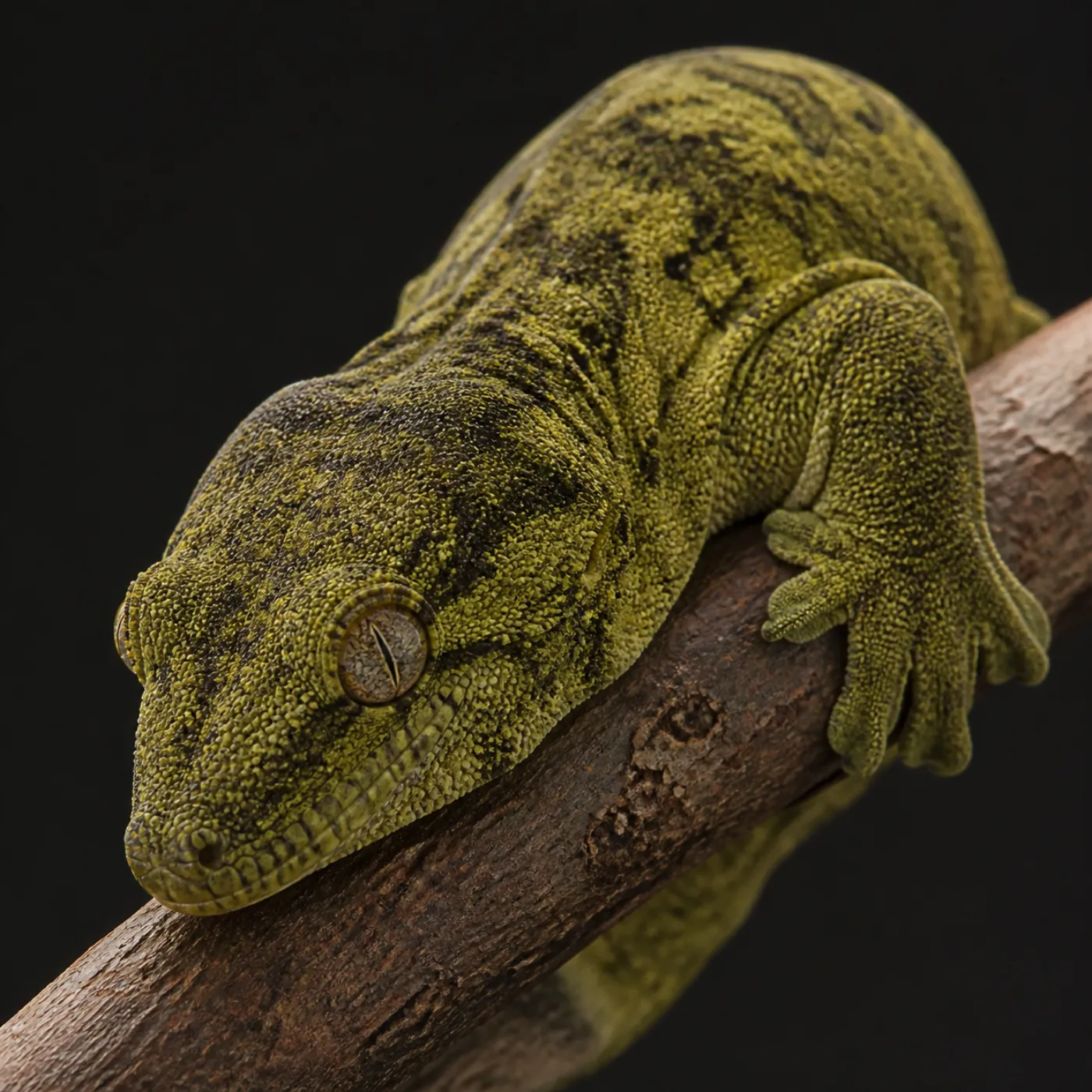 Moro |
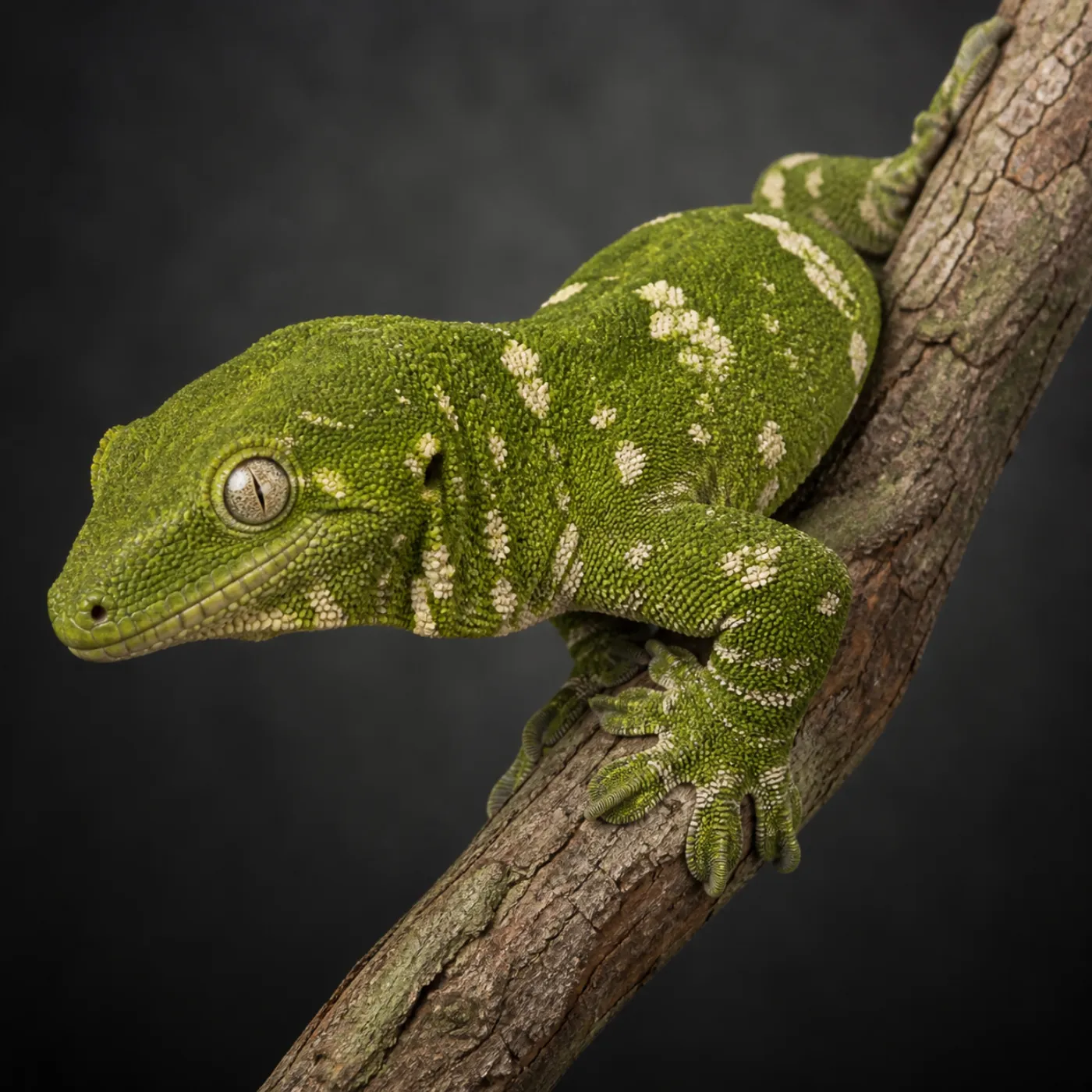 Nuu Ana | 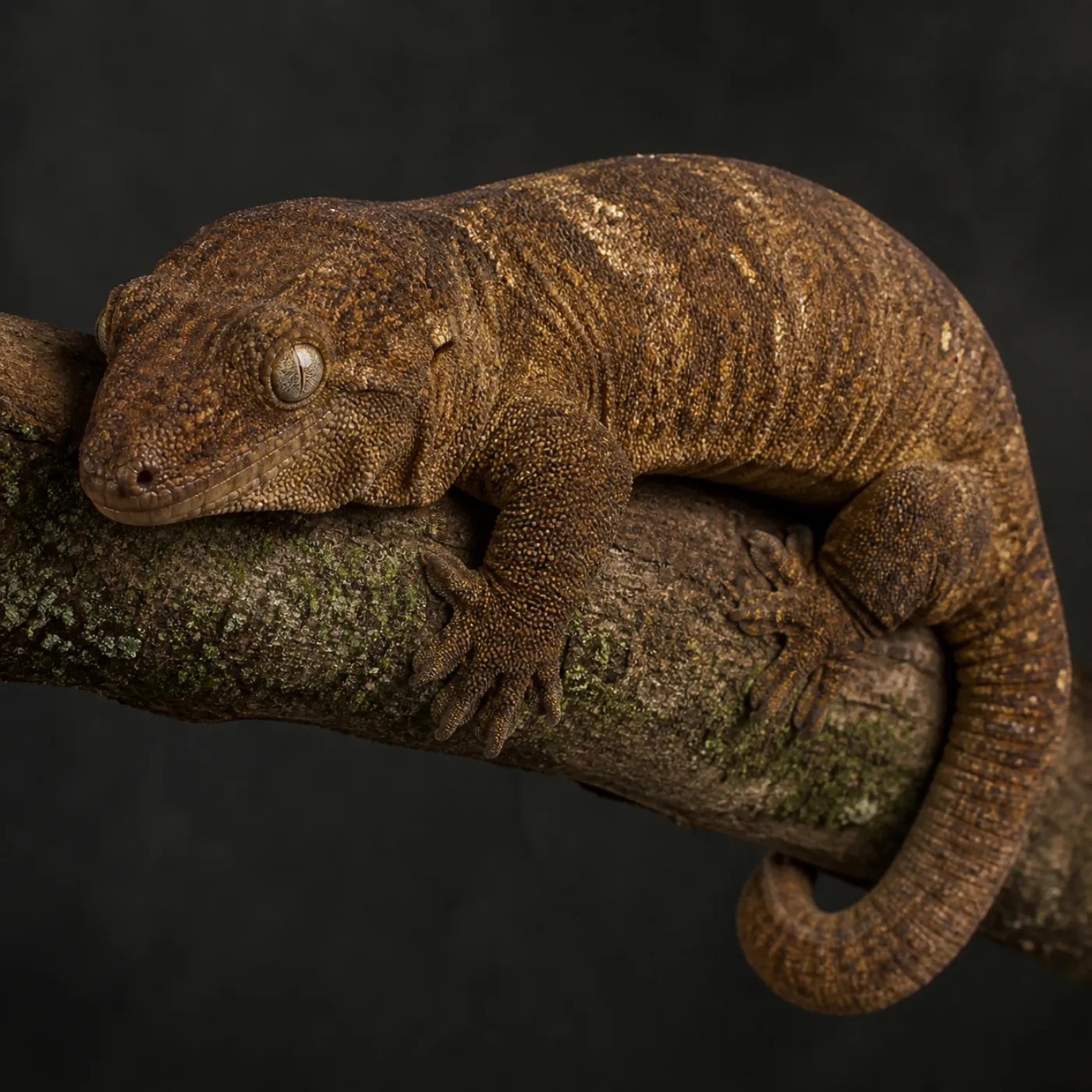 Grande Terre |
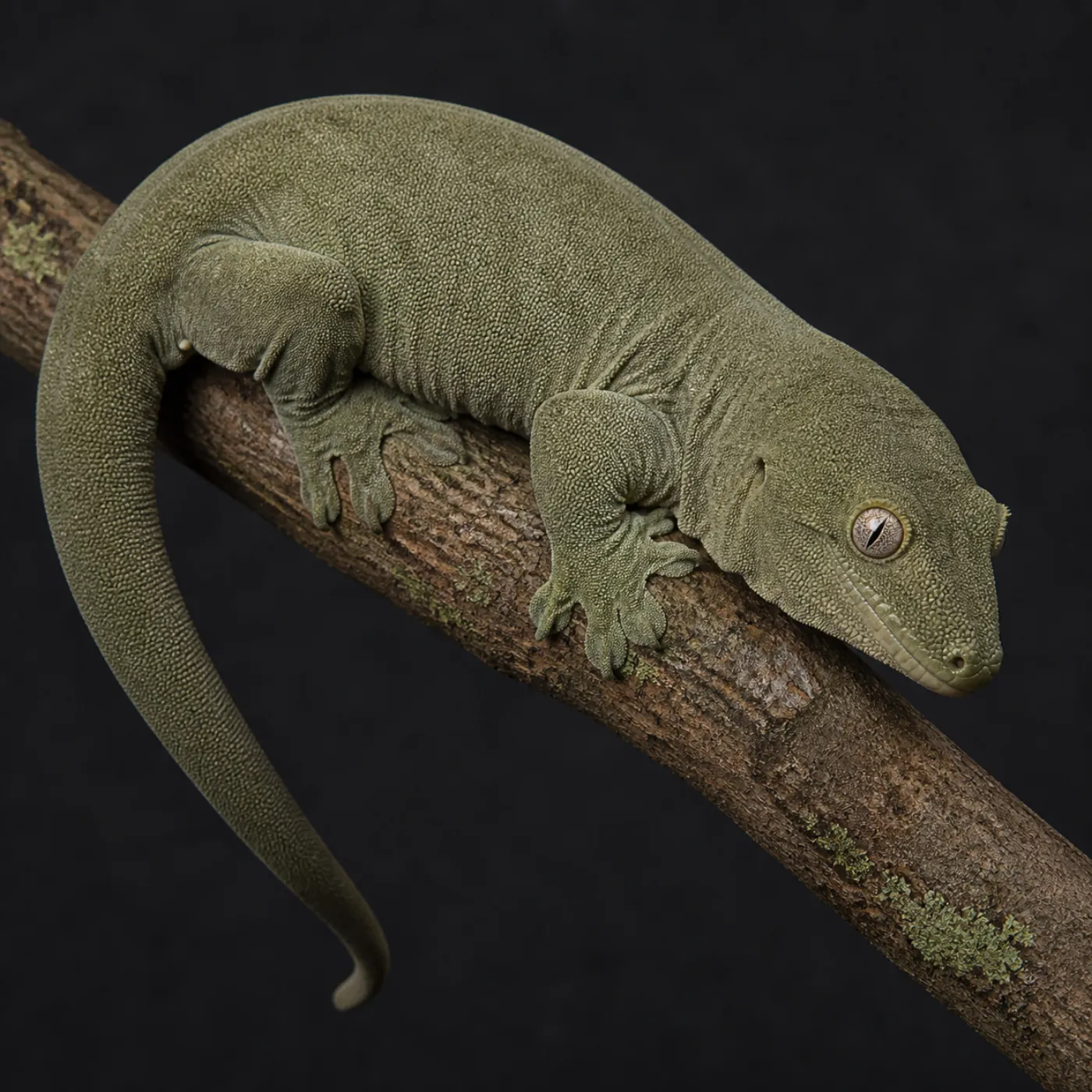 Patternless |
What Morphs Exist for This Species
Leachie geckos (Rhacodactylus leachianus) are the largest geckos in the world, native to New Caledonia. Unlike many gecko species that have distinct morphs based on color mutations, leachies are primarily classified by their island locale—the specific island or region from which they originate. These locales exhibit consistent differences in size, color, pattern, and temperament due to geographic isolation. In addition to locales, selective breeding has produced various pattern and color morphs (such as high white, patternless, and pinstripe) that can appear within any locale. This guide covers the most popular locales and morphs, their rarity, and typical price ranges.
Full Morph Profiles
Below are detailed profiles of 14 notable leachie morphs and locales. Prices are for captive-bred individuals in the US (as of 2025) and vary based on age, sex, and quality.
1. Pine Island (Mainland)
Visual: Large-bodied, typically green to brown with heavy white marbling and distinct blotches. Patterns are highly variable, often with a whitish head and dark speckles.
Rarity: Common in captivity
Price range: $400–$800
2. Isle of Pines (Grand Terre)
Visual: Similar to Pine Island but from the southern tip of Grand Terre. Usually larger, with more pronounced green tones and less white than Pine Island.
Rarity: Common
Price range: $400–$700
3. Morobe
Visual: A mainland locale from the Morobe Province of Papua New Guinea (though some consider it a separate lineage). Features a yellow-green base with dark brown stripes and a distinct head pattern.
Rarity: Rare in the hobby
Price range: $1,000–$2,500
4. Poindimié
Visual: A mainland locale from the Poindimié region of New Caledonia. Typically has a brownish base with heavy white speckling and a striped pattern on the sides.
Rarity: Uncommon
Price range: $700–$1,200
5. Nuu Ana (Isle of Pines satellite)
Visual: A small island locale near the Isle of Pines. Known for its smaller size, bright green coloration, and reduced white pattern.
Rarity: Rare
Price range: $1,200–$2,000
6. Bayonnaise
Visual: A tiny island locale with a compact body, light green to gray base, and subtle white spotting.
Rarity: Very rare
Price range: $2,000–$3,500
7. Coco
Visual: A small island locale from the Coco islands. Typically has a brownish-gray base with strong white marbling and a bold pattern.
Rarity: Rare
Price range: $1,500–$2,500
8. High White
Visual: A color morph that can occur in any locale, characterized by extensive white or cream areas covering 50% or more of the body.
Rarity: Uncommon
Price range: $800–$1,500
9. Patternless
Visual: A recessive morph that reduces the contrast of the pattern, resulting in a nearly uniform color with faint blotches. Often appears as a solid gray, brown, or green.
Rarity: Rare
Price range: $1,000–$2,000
10. Pinstripe
Visual: A pattern morph where the dorsal striping is reduced to thin, light-colored lines along the spine. Often seen in mainland locales.
Rarity: Uncommon
Price range: $900–$1,800
11. Tiger
Visual: A pattern morph with distinct vertical stripes on the sides and back, reminiscent of a tiger's stripes. Usually combined with a brown or green base.
Rarity: Uncommon
Price range: $800–$1,500
12. Granite
Visual: A pattern morph with fine, speckled mottling that resembles granite rock. Often found in island locales.
Rarity: Rare
Price range: $1,200–$2,200
13. Blue Phase
Visual: A color morph where the gecko displays a bluish-gray hue, especially when young. Mature adults may retain blue tones on the head and limbs.
Rarity: Very rare
Price range: $2,500–$5,000
14. Red Phase
Visual: A color morph with a reddish-brown or brick-red base, often with contrasting white spots. This is one of the most sought-after color variations.
Rarity: Very rare
Price range: $3,000–$6,000
Comparison Table
| Morph | Appearance | Rarity | Price Range (USD) |
|---|---|---|---|
| Pine Island | Large, green/brown, heavy white marbling | Common | $400–$800 |
| Isle of Pines | Large, green, less white | Common | $400–$700 |
| Morobe | Yellow-green, dark stripes, head pattern | Rare | $1,000–$2,500 |
| Poindimié | Brownish, heavy white speckling, side stripes | Uncommon | $700–$1,200 |
| Nuu Ana | Small, bright green, reduced white | Rare | $1,200–$2,000 |
| Bayonnaise | Compact, light green/gray, subtle spots | Very rare | $2,000–$3,500 |
| Coco | Brownish-gray, strong white marbling | Rare | $1,500–$2,500 |
| High White | ≥50% white/cream coverage | Uncommon | $800–$1,500 |
| Patternless | Uniform color, faint blotches | Rare | $1,000–$2,000 |
| Pinstripe | Thin light dorsal lines | Uncommon | $900–$1,800 |
| Tiger | Vertical stripes on body | Uncommon | $800–$1,500 |
| Granite | Fine speckled mottling | Rare | $1,200–$2,200 |
| Blue Phase | Bluish-gray, especially when young | Very rare | $2,500–$5,000 |
| Red Phase | Reddish-brown/red base with white spots | Very rare | $3,000–$6,000 |
Genetics and Heredity Basics
Leachie gecko morphs are influenced by both polygenic inheritance and simple Mendelian traits. Most locale traits are polygenic, meaning multiple genes contribute to size, color, and pattern. For example, the high white trait is thought to be polygenic, with the amount of white increasing when breeding high-white individuals together. In contrast, the patternless morph is believed to be recessive—both parents must carry the gene for offspring to express it. Similarly, the blue phase and red phase are likely polygenic, but their extreme expressions are rare because they require a specific combination of genes.
When breeding, it's essential to know the lineage of your geckos. Pure locales are more valuable for breeding programs, as crossbreeding can dilute the distinct characteristics. However, some breeders intentionally cross locales to produce novel combinations, such as a Pine Island x Coco cross that may exhibit increased white marbling. Always ask for the genetic background when purchasing a leachie.
Visual Trait Descriptions: Color & Pattern Variations
Leachie geckos display a remarkable range of colors and patterns that can vary not only between locales but also within a single clutch. Understanding these visual traits helps you identify and appreciate the diversity of this species.
- Green tones: Ranging from bright lime (as in Nuu Ana) to deep forest green (common in Isle of Pines and Pine Island). Green is often the base color in many mainland and island locales.
- Brown and gray bases: Many locales, such as Coco and Poindimié, exhibit brownish or grayish bases that can shift with temperature, humidity, and mood.
- White marbling: Irregular white or cream patches that can cover the body, head, and limbs. High white individuals show at least 50% white coverage, often with a lacy or marbled appearance.
- Speckling and mottling: Fine dots or blotches, as seen in Granite morphs, which create a rocky, textured look.
- Striping: Dorsal or lateral stripes, ranging from bold tiger-like bands to thin pinstripes along the spine.
- Head patterns: Some locales, like Morobe, have distinctive head markings that can be used for identification.
Rarity & Price Guide Table
| Morph | Appearance | Rarity | Typical Price Range (USD) |
|---|---|---|---|
| Pine Island | Large, green/brown, heavy white marbling | Common | $400–$800 |
| Isle of Pines | Large, green, less white | Common | $400–$700 |
| Morobe | Yellow-green, dark stripes, head pattern | Rare | $1,000–$2,500 |
| Poindimié | Brownish, heavy white speckling, side stripes | Uncommon | $700–$1,200 |
| Nuu Ana | Small, bright green, reduced white | Rare | $1,200–$2,000 |
| Bayonnaise | Compact, light green/gray, subtle spots | Very rare | $2,000–$3,500 |
| Coco | Brownish-gray, strong white marbling | Rare | $1,500–$2,500 |
| High White | ≥50% white/cream coverage | Uncommon | $800–$1,500 |
| Patternless | Uniform color, faint blotches | Rare | $1,000–$2,000 |
| Pinstripe | Thin light dorsal lines | Uncommon | $900–$1,800 |
| Tiger | Vertical stripes on body | Uncommon | $800–$1,500 |
| Granite | Fine speckled mottling | Rare | $1,200–$2,200 |
| Blue Phase | Bluish-gray, especially when young | Very rare | $2,500–$5,000 |
| Red Phase | Reddish-brown/red base with white spots | Very rare | $3,000–$6,000 |
Breeding Recommendations for Leachie Morphs
Breeding leachie geckos can be rewarding but requires careful planning to produce desirable offspring and maintain healthy genetics. Here are some guidelines:
- Pairing pure locales: To preserve the distinct traits of a locale, breed individuals from the same locale (e.g., Pine Island x Pine Island). This helps maintain size, color, and temperament consistency.
- Enhancing white marbling: If your goal is high white offspring, select breeding pairs that both display strong white marbling. Since high white is polygenic, selecting for it increases the chances of producing offspring with even more white.
- Recessive traits: For patternless, both parents must carry the recessive gene. Breed a patternless to a patternless to guarantee patternless offspring, or breed a patternless to a carrier to produce 50% patternless and 50% carriers.
- Crossbreeding for novelty: Crossing different locales can produce unique combinations, such as a Pine Island x Coco cross that may show increased white marbling. However, this can dilute pure locale traits, so it's best for hobbyists not focused on conservation.
- Health and age: Only breed healthy, mature geckos (at least 2-3 years old and over 100 grams). Avoid breeding closely related individuals to reduce the risk of genetic defects.
Common Morph-Health Pitfalls
While morphs themselves do not cause health problems, certain traits may be associated with specific issues. Being aware of these can help you provide better care:
- Blue Phase sensitivity: Blue phase leachies are known to be more sensitive to handling, which can lead to stress-related issues like decreased appetite. Handle them gently and allow extra time to acclimate.
- Red Phase vitamin needs: Red phase individuals may benefit from extra vitamin A to maintain skin health, as their bright coloration can be linked to pigment metabolism. Always dust insects appropriately.
- High White and UV sensitivity: Extensive white areas may be more prone to sunburn if exposed to intense UVB. Provide low-level UVB (5% T8) and plenty of shaded areas.
- Patternless and obesity: Patternless leachies may have a calmer temperament, but they still need the same diet. Overfeeding can lead to fatty liver disease, so stick to a primarily CGD diet.
- Island locales and humidity: Island locales like Bayonnaise and Nuu Ana come from humid environments. If kept too dry, they may have shedding problems. Maintain humidity at 60-80% with daily misting.
Morph Selection Guide for Beginners
If you're new to leachie geckos, choosing the right morph can be overwhelming. Here's a simple guide to help you decide:
- Start with common locales: Pine Island and Isle of Pines are affordable, widely available, and known for being hardy and docile. They are perfect for learning the basics of leachie care.
- Consider your budget: Common morphs cost $400–$800, while rare ones can exceed $3,000. Set a budget and stick to it—there are many beautiful geckos in the lower price range.
- Think about appearance: If you love white marbling, look for a high white individual. If you prefer green, choose Nuu Ana or Isle of Pines. For patterns, tiger or pinstripe are striking.
- Research temperament: Some locales are more docile than others. Pine Island is often recommended for beginners, while Bayonnaise can be more defensive. Ask the breeder about temperament.
- Buy from reputable breeders: Always purchase from breeders who provide lineage and health records. Avoid wild-caught specimens, as they are often stressed and may carry parasites.
Comparing Similar-Looking Morphs
Several leachie morphs can look alike, especially to the untrained eye. Here's how to tell them apart:
- Pine Island vs. Isle of Pines: Both are large and green, but Pine Island typically has heavier white marbling and a more variable pattern, while Isle of Pines has less white and more pronounced green tones. Pine Island is also slightly more affordable.
- High White vs. Granite: High white features large, solid white patches covering at least 50% of the body, while Granite has fine speckled mottling that resembles rock. Granite often has a darker base with lighter speckles.
- Patternless vs. Blue Phase: Patternless is a uniform color (gray, brown, or green) with faint blotches, while Blue Phase has a distinct bluish-gray hue, especially when young. Blue Phase may also retain blue tones on the head and limbs as adults.
- Tiger vs. Pinstripe: Tiger has bold, vertical stripes on the sides and back, while Pinstripe has thin, light-colored lines along the spine. Tiger stripes are more prominent and irregular.
How to Choose the Right Morph for You
Choosing a leachie morph depends on your budget, experience, and aesthetic preferences. Consider the following:
- Budget: If you're on a tighter budget, start with a Pine Island or Isle of Pines, which are affordable and readily available. These locales are also hardy and forgiving for beginners.
- Appearance: If you love white marbling, look for a high white individual from any locale. If you prefer a green gecko, consider the Nuu Ana or Isle of Pines. For a striking pattern, a tiger or pinstripe might appeal to you.
- Temperament: Some locales, like Pine Island, are known for being more docile, while others, like Bayonnaise, can be more defensive. Research the typical temperament of the locale you're interested in.
- Rarity and investment: Rare locales like Bayonnaise or red phase are expensive and may appreciate in value, but they also require more experienced care and patience.
Always buy from reputable breeders who can provide health records and lineage information. Avoid wild-caught specimens, as they are often stressed and may carry parasites.
Care Notes Relevant to Morphs
While all leachie geckos share similar care requirements, certain morphs may have specific needs:
- Enclosure size: Leachies are arboreal and need tall enclosures (at least 18x18x24 inches for adults, larger for big locales like Pine Island). Provide plenty of branches and foliage.
- Temperature and humidity: Maintain 75–80°F (24–27°C) with a basking spot up to 85°F (29°C). Humidity should be 60–80%, with daily misting. Island locales from humid environments may need higher humidity.
- Diet: Offer a balanced diet of crested gecko diet (CGD) and occasional insects (crickets, roaches) dusted with calcium. Some color morphs, like the red phase, may benefit from extra vitamin A to maintain skin health.
- Handling: Leachies are generally docile but can be skittish. Handle them gently and sparingly to avoid stress. Some morphs, like the blue phase, are known to be more sensitive to handling.
- Lighting: Provide a low-level UVB (5% T8) to support vitamin D synthesis, but avoid intense lighting that can overheat the enclosure.
Remember that morph does not significantly alter basic care, but always monitor your individual gecko's health and adjust conditions as needed.
Common Mistakes to Avoid
- Overlooking lineage: Buying a leachie without knowing its locale or morph lineage can lead to surprises in size and appearance. Always ask for documentation.
- Assuming all locales are the same: Each locale has unique care requirements (e.g., humidity levels) and temperaments. Research your specific locale.
- Overpaying for common morphs: Some sellers may price a Pine Island as a rare locale. Familiarize yourself with typical prices to avoid being scammed.
- Incorrect sexing: Leachies are difficult to sex until they are older. Males have a distinct hemipenal bulge, while females have a wider pelvic area. Misidentifying sex can lead to accidental breeding or incorrect housing.
- Neglecting temperature gradients: Leachies need a temperature gradient to thermoregulate. Avoid keeping them in a constant-temperature enclosure.
- Feeding too many insects: Overfeeding insects can lead to obesity and fatty liver disease. Stick to a primarily CGD diet with insects as a treat.
Frequently Asked Questions
What is the difference between a locale and a morph?
A locale refers to the geographic origin of the gecko (e.g., Pine Island, Morobe), which influences its natural size, color, and pattern. A morph is a specific color or pattern variation that can occur within any locale, such as high white or patternless. Many leachie enthusiasts use the terms interchangeably, but it's important to know the distinction.
Which leachie morph is best for beginners?
For beginners, Pine Island and Isle of Pines are ideal because they are widely available, relatively inexpensive, and have a reputation for being hardy and docile. They also offer a variety of pattern expressions, making them interesting to observe.
Are rare leachie morphs harder to care for?
Rare morphs like the blue phase or red phase do not require different care than common locales, but they may be more sensitive to stress. Additionally, because they are expensive, owners may feel more pressure, but the actual husbandry is the same. Always provide optimal conditions regardless of morph.
How can I tell if a leachie is high white?
A high white leachie has at least 50% of its body covered in white or cream markings. These markings are typically on the head, back, and sides. When looking at a potential purchase, ask the breeder for photos and lineage to confirm the trait.
Do leachie morphs affect price significantly?
Yes, rarity and demand drive prices. For example, a common Pine Island costs around $400–$800, while a very rare red phase can cost $3,000–$6,000. Prices also vary based on age, sex, and quality of the individual.
Can I breed different locales together?
Yes, you can breed different locales, but it will produce mixed offspring that may not conform to a specific locale standard. Some breeders do this intentionally to create new patterns, but pure locale breeding is recommended for conservation and to preserve the distinct traits of each island population.
What is the best way to preserve a rare locale's traits?
Breeding pure locale pairs is the best way to preserve distinct traits. For example, breeding a Bayonnaise to another Bayonnaise maintains the compact size and subtle spotting. Crossbreeding can dilute these traits, so if you have a rare locale, keep it pure.
How can I avoid overpaying for a common morph?
Familiarize yourself with the typical price ranges listed in the comparison table. For instance, Pine Island should cost $400–$800, and Isle of Pines $400–$700. If a seller asks for more, question the lineage and quality.
Related Reading
- Leachie Gecko Care: The Giant of New Caledonia — Learn how to house and care for your giant New Caledonian gecko.
- Leachie Gecko Handling & Temperament Guide — Discover safe handling tips and what to expect from leachie personalities.
- Leachie Gecko Diet & Feeding Guide — Find out what to feed your leachie, from CGD to insects and fruit.
- Crested Gecko Diet Guide: CGD Rotation & Insects — Explore crested gecko feeding strategies that also apply to leachies.
- Reptile UVB Lighting Guide: Ferguson Zones & Bulb Selection — Understand UVB needs and lighting choices for reptiles like leachies.
Check optimal temps, calculate feeding, and find your perfect species match.
References
- De Vosjoli, P. (2003). The Leachie Gecko: Rhacodactylus leachianus. Advanced Vivarium Systems.
- Repashy, A. (2015). Breeding and Keeping Leachianus Geckos. Repashy Ventures.
- New Caledonia Gecko Conservation Society. (2020). Island Locales of Rhacodactylus leachianus. NCGCS Publications.
🐾 Join the Community
See how other keepers set up their enclosures, ask questions, and share your experience.
🛠️ Apply What You Learned
Check optimal temps, calculate feeding schedules, and get calcium dosage — all personalized for your species.
Comments