Leachie Gecko Diet: Pangea & Insect Feeding
Introduction
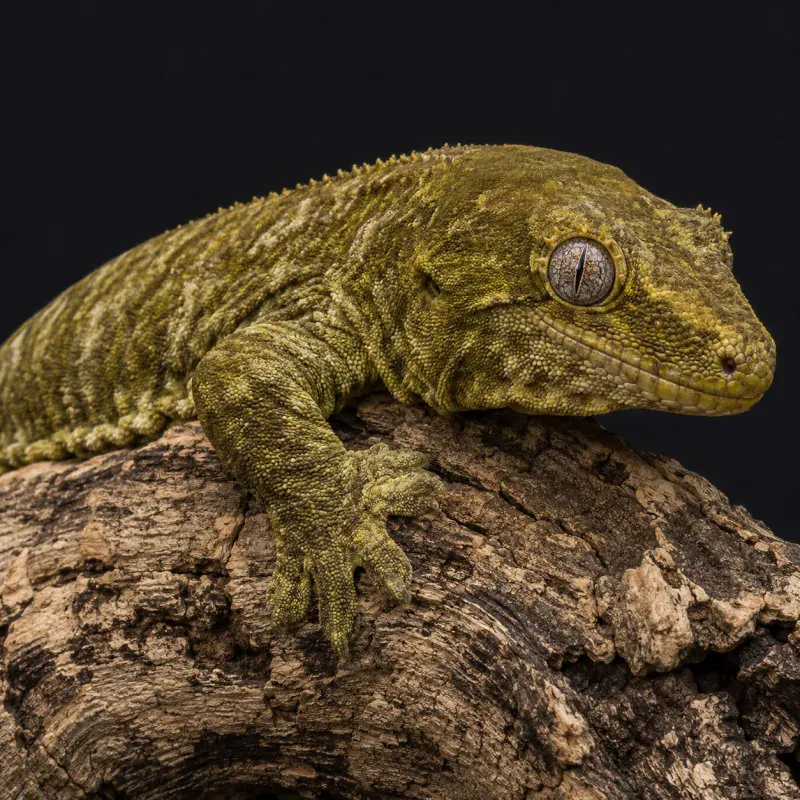
Leachie Geckos (Rhacodactylus leachianus) are the largest gecko species in the world, native to New Caledonia. Their diet is a critical component of their care, as improper nutrition can lead to metabolic bone disease (MBD), obesity, or malnutrition. This comprehensive guide covers everything from enclosure setup to feeding schedules, ensuring your Leachie thrives in captivity.
In the wild, Leachies are opportunistic omnivores, feeding on a mix of fruits, nectar, insects, and even small vertebrates. Replicating this variety in captivity is key to their long-term health. With proper care, these gentle giants can live 15–20+ years, making them a rewarding companion for dedicated keepers.
Enclosure Setup
A proper enclosure is essential for a healthy Leachie. Adults require a vertical terrarium of at least 24x24x48 inches (60x60x120 cm), while juveniles can start in 18x18x24 inches. Use a bioactive substrate (e.g., organic soil, sphagnum moss, leaf litter) to maintain humidity and support cleanup crews like springtails and isopods. Provide plenty of climbing branches, cork bark, and dense foliage (live or artificial) for security. A water dish and a shallow food bowl are mandatory.
Lighting and Heating
Leachies are nocturnal and do not require UVB lighting, though low-level UVB (2-5%) can be beneficial for vitamin D synthesis. Provide a temperature gradient: 72-78°F (22-26°C) during the day, dropping to 65-70°F (18-21°C) at night. Use a ceramic heat emitter or low-wattage basking bulb if needed, but avoid temperatures above 82°F (28°C).
To create a proper gradient, place the heat source at the top of the enclosure and monitor with a digital thermometer. Avoid heat rocks, which can cause burns. A thermostat is highly recommended to prevent overheating.
Humidity and Water
Maintain 60-80% humidity with spikes to 90% after misting. Mist the enclosure 1-2 times daily (morning and evening) to create condensation on leaves. Use a hygrometer to monitor levels. Provide a shallow water dish for drinking, but Leachies often prefer licking water droplets from foliage.
If you struggle to maintain humidity, consider using an automatic misting system or a fogger. In drier climates, covering part of the screen top with plastic wrap or glass can help retain moisture. Always ensure good ventilation to prevent mold growth.
Diet and Feeding
Leachies are omnivorous, requiring a balanced diet of commercial fruit-based diets (e.g., Pangea, Repashy) and live insects. Avoid high-protein diets for adults to prevent kidney issues.
Commercial diets are formulated to provide complete nutrition, including calcium and vitamins. However, variety is still important to prevent dietary boredom and ensure a broad nutrient profile. Live insects offer enrichment and exercise, mimicking natural foraging behavior.
Pangea Rotation
Pangea Fruit Mix Complete Diets are a staple. Rotate flavors (e.g., Papaya, Fig & Insect, Apricot) every 2-4 weeks to prevent boredom and ensure varied nutrients. Feed Pangea 3-4 times per week for adults, 5-6 times for juveniles. Mix one part powder to two parts water, and remove uneaten food after 24 hours.
To prepare the diet, use a small bowl and mix thoroughly until smooth. The consistency should be like a thick milkshake. Some keepers prefer to blend in a little extra water for easier lapping. Always use fresh water for mixing, and never leave prepared food out for more than 24 hours to avoid bacterial growth.
If your Leachie is a picky eater, try offering different flavors or slightly warming the food (never above room temperature) to enhance aroma. Consistency in offering a variety will help them accept new tastes.
Live Insects
Offer live insects (crickets, dubia roaches, black soldier fly larvae) 1-2 times per week. Gut-load insects 24-48 hours before feeding with calcium-rich vegetables (e.g., collard greens, carrots). Dust insects with calcium powder (without D3) at every feeding, and a multivitamin once a week. Feed insects in a separate container to avoid ingestion of substrate.
When feeding insects, choose appropriately sized prey: no larger than the space between the gecko's eyes. For juveniles, offer 4-6 small insects; for adults, 6-8 larger ones. Observe your gecko during feeding to ensure they are eating and not just ignoring the insects. Remove any uneaten insects after 15-20 minutes to prevent stress and potential bites.
Gut-loading is crucial: feed insects a high-quality commercial gut-load diet or fresh vegetables like sweet potatoes, kale, and oranges. This boosts the nutritional value of the insects, especially calcium and vitamin A.
Adult Feeding Schedule
Adults (over 18 months) should be fed Pangea 3 times per week (e.g., Monday, Wednesday, Friday) and live insects once per week (e.g., Saturday). Juveniles (under 18 months) need Pangea 5-6 times per week and insects 2-3 times per week. Always provide fresh water.
Consistency is key. Use a calendar or reminder to keep track. Adjust portions based on your gecko's body condition: if they are gaining too much weight, reduce the frequency or amount. Conversely, if they are losing weight or seem lethargic, increase feeding or consult a vet.
Seasonal Care and Feeding Adjustments
In the wild, Leachies experience seasonal changes in food availability, and replicating a mild seasonality can benefit their health. During the cooler months (winter), many keepers reduce feeding frequency slightly—Pangea 2-3 times per week and insects every other week—to mimic natural scarcity. In warmer months (spring and summer), you can increase to the standard adult schedule. Juveniles should maintain a consistent feeding schedule year-round to support growth.
Monitor your gecko's weight and body condition during seasonal transitions. If your Leachie is breeding or a gravid female, increase calcium supplementation and offer Pangea more frequently (up to 4 times per week) to support egg production. Always adjust based on individual needs, and consult a vet if you notice drastic weight changes.
Handling and Behavior
Leachies can be territorial and defensive, especially as adults. Start handling sessions short (5-10 minutes) 2-3 times per week, using a calm approach. Support their body fully and avoid sudden movements. Never grab by the tail (they will drop it). Watch for signs of stress: hissing, tail wagging, or biting. With patience, many Leachies become tolerant.
To build trust, handle your gecko in a quiet, dimly lit room. Let them walk from hand to hand. Always wash your hands before and after handling to prevent the transfer of bacteria. Avoid handling after feeding or during shedding, as this can cause stress.
Common Health Issues
- Metabolic Bone Disease (MBD): Caused by calcium deficiency. Symptoms: soft jaw, tremors, lethargy. Prevent with calcium-dusted insects and proper UVB.
- Obesity: Overfeeding Pangea or insects leads to fat pads. Monitor body condition and reduce feeding frequency.
- Dehydration: Wrinkled skin, sunken eyes. Increase misting and provide a water dish.
- Respiratory Infections: Caused by low temperatures or high humidity. Symptoms: wheezing, mucus. Raise temperature and consult a vet.
Regular health checks are vital. Weigh your Leachie monthly to track growth and detect weight loss early. Check their skin for stuck shed, especially around the toes and eyes. A healthy Leachie has clear eyes, firm skin, and a strong grip.
The Most Common Problems
- Overfeeding protein: Too many insects cause kidney strain. Stick to 1-2 insect feedings per week for adults.
- Ignoring humidity: Below 50% leads to shedding problems and dehydration. Use automated misters if needed.
- Inadequate enclosure size: Cramped tanks stress Leachies and reduce lifespan.
- Handling too much: Overhandling leads to chronic stress and refusal to eat.
Another common mistake is offering insects that are too large, which can cause impaction. Also, avoid feeding wild-caught insects, as they may carry parasites or pesticides. Stick to commercially raised feeders.
Many keepers also forget to vary the Pangea flavors, leading to a picky eater. Rotate flavors regularly to keep your gecko interested and nutritionally balanced.
Nutrition Comparison: Pangea vs. Live Insects
| Component | Pangea Fruit Mix | Live Insects (gut-loaded) |
|---|---|---|
| Primary nutrients | Fruits, plant proteins, vitamins | Animal protein, chitin, fat |
| Calcium content | High (with added calcium) | Low (requires dusting) |
| Moisture | ~70% water (when mixed) | ~60-70% water |
| Feeding frequency | 3-4x/week (adults) | 1-2x/week (adults) |
| Best for | Staple diet, balanced nutrition | Protein, enrichment, exercise |
| Risks | Obesity if overfed | Impaction if too large; parasite risk |
Both food types have their place in a Leachie's diet. Pangea provides convenience and balanced nutrition, while live insects offer mental stimulation and a more natural feeding experience. The key is to balance them according to your gecko's age and activity level.
Cost Breakdown: Feeding a Leachie Gecko
Understanding the ongoing costs of feeding helps you budget effectively. Below is a monthly estimate based on typical feeding schedules for one adult Leachie:
| Item | Monthly Cost (USD) | Notes |
|---|---|---|
| Pangea (8 oz bag) | $10–$15 | Lasts 2–3 months, so ~$5–$7 per month |
| Live insects (crickets/roaches) | $10–$20 | 1-2 feedings per week; buy in bulk to save |
| Calcium powder (without D3) | $8–$12 per container | Lasts 3–4 months, so ~$3 per month |
| Multivitamin | $10–$15 per container | Lasts 4–6 months, so ~$2–$3 per month |
| Gut-load vegetables | $5–$10 | Use kitchen scraps like carrots, collards |
| Total monthly | $25–$45 | Varies by location and feeder prices |
To reduce costs, buy insects in bulk from online suppliers, grow your own (e.g., dubia roach colony), and take advantage of sales on Pangea. Always store dry food and supplements properly to extend shelf life.
Calcium and Vitamin Supplementation
Proper supplementation is non-negotiable for Leachies, especially for growing juveniles and breeding females. Dust insects with calcium powder (without D3) at every feeding, and use a multivitamin once a week. If you use UVB lighting, you can reduce calcium with D3 to avoid hypervitaminosis.
For Pangea, the diet already contains added calcium and vitamins, so no additional dusting is needed. However, if you feed a homemade fruit mix, you'll need to supplement more aggressively.
Always store supplements in a cool, dry place and check expiration dates. Use a small dish or bag to dust insects thoroughly, shaking off excess powder.
Troubleshooting Common Feeding Issues
My Leachie Won't Eat Pangea
If your gecko refuses Pangea, try a different flavor or brand. Some geckos prefer a thinner or thicker consistency. Offering food at night (when they are active) may also help. If refusal persists for more than a week, consult a vet to rule out underlying health issues.
My Leachie Is Overweight
Cut back on Pangea to 2 times per week and insects to every other week. Ensure your enclosure is large enough for exercise, and add climbing structures to encourage activity. Monitor weight monthly.
My Leachie Is Underweight
Increase feeding frequency and offer more insects (up to 3 times per week for adults). Check for parasites or other health issues. Provide a varied diet to stimulate appetite.
Conclusion
A balanced diet of Pangea rotation and live insects, combined with proper enclosure conditions, ensures your Leachie Gecko lives a long, healthy life (15-20+ years). Monitor weight, adjust feeding as needed, and consult a reptile veterinarian annually. With this guide, you are equipped to provide optimal nutrition for your Rhacodactylus leachianus.
Remember, every gecko is an individual. Observe their behavior and adjust your care routine accordingly. The time you invest in proper nutrition will be rewarded with a vibrant, active companion.
Frequently Asked Questions
How often should I feed my adult Leachie gecko?
Adults (over 18 months) should be fed Pangea 3 times per week (e.g., Monday, Wednesday, Friday) and live insects once per week (e.g., Saturday). Always provide fresh water.
What live insects are safe for Leachie geckos?
Safe live insects include crickets, dubia roaches, and black soldier fly larvae. Offer them 1-2 times per week for adults. Gut-load insects 24-48 hours before feeding with calcium-rich vegetables like collard greens or carrots.
Do Leachie geckos need UVB lighting?
Leachies are nocturnal and do not require UVB lighting, though low-level UVB (2-5%) can be beneficial for vitamin D synthesis. Provide a temperature gradient of 72-78°F during the day and 65-70°F at night.
What are the signs of metabolic bone disease in Leachies?
Metabolic bone disease (MBD) is caused by calcium deficiency. Symptoms include soft jaw, tremors, and lethargy. Prevent it by dusting insects with calcium powder (without D3) at every feeding and providing proper UVB if used.
How do I know if my Leachie is overweight?
Overweight Leachies develop fat pads, especially in the armpits and base of the tail. Monitor body condition monthly; if you notice excessive weight gain, reduce Pangea to 2 times per week and insects to every other week, as described in the troubleshooting section.
Can I feed my Leachie only Pangea and no insects?
Yes, Pangea is nutritionally complete, but live insects offer enrichment and exercise. For a balanced diet, it's recommended to offer insects 1-2 times per week for adults, as detailed in the live insects section.
What should I do if my Leachie refuses to eat for more than a week?
If refusal persists for more than a week, consult a vet to rule out underlying health issues. Try offering different Pangea flavors, adjusting consistency, or feeding at night when the gecko is active, as mentioned in the troubleshooting section.
Related Reading
Check optimal temps, calculate feeding, and find your perfect species match.
References
- de Vosjoli, P. (2005). The Herpetoculture of Leachianus Geckos. Advanced Vivarium Systems.
- Pangea Reptile (2023). Pangea Fruit Mix Complete Diets - Product Information. Pangea Reptile LLC.
- Repashy Ventures (2022). Repashy Crested Gecko Diet - Nutritional Analysis. Repashy Ventures.
- Arcadia Reptile (2021). UVB Lighting for Nocturnal Reptiles - Research Brief. Arcadia Products.
- Mitchell, M.A. & Tully, T.N. (2016). Manual of Exotic Pet Practice. Saunders Elsevier.
🐾 Join the Community
See how other keepers set up their enclosures, ask questions, and share your experience.
🛠️ Apply What You Learned
Check optimal temps, calculate feeding schedules, and get calcium dosage — all personalized for your species.
Comments
No account needed — corrections, updates and questions are all welcome. For a full question with photos, the community Q&A is the better place.