Leachie Gecko Handling & Temperament Guide
Introduction
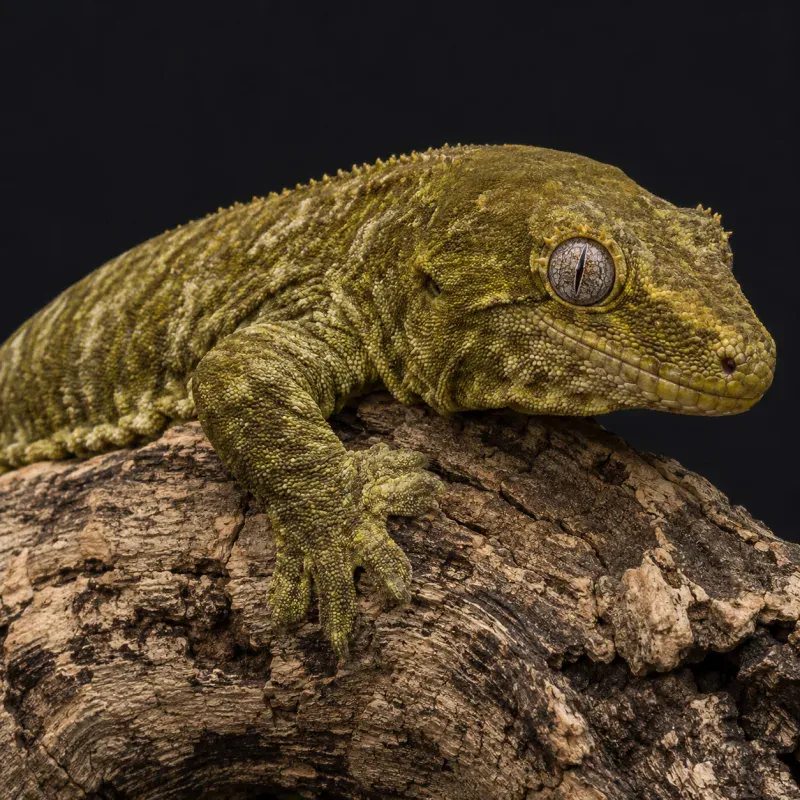
Leachie Geckos (Rhacodactylus leachianus), often called the world's largest gecko, are captivating creatures that can reach up to 17 inches and weigh over 300 grams. Their impressive size, striking patterns, and unique vocalizations make them a favorite among advanced reptile keepers. However, their temperament can be challenging—they are naturally defensive, prone to biting, and require patient, consistent handling to build trust. This guide covers everything you need to know about Leachie Gecko handling, taming, pair bonding, vocalization, and trust-building, backed by evidence-based practices and expert insights.
Understanding Leachie Gecko Temperament
Leachie Geckos are arboreal and nocturnal, originating from New Caledonia. In the wild, they are solitary and territorial, which translates into captivity as a tendency toward defensive behaviors. Unlike some gecko species that tolerate handling easily, Leachies often exhibit stress responses such as tail wagging, hissing, biting, and loud vocalizations when threatened. Understanding that these behaviors are instinctual, not malicious, is the first step toward successful taming.
Natural Defenses
Leachie Geckos have a powerful bite capable of breaking skin, and they may also expel a foul-smelling liquid from their cloaca as a deterrent. Their vocalizations—ranging from low grunts to high-pitched shrieks—are used to communicate discomfort, aggression, or territorial claims. Recognizing these signals helps keepers adjust their approach.
Individual Variation
Each Leachie has a unique personality. Some are naturally calmer, while others remain high-strung regardless of handling frequency. Factors such as lineage, early socialization, and individual genetics play a significant role. Captive-bred individuals from reputable breeders are often more amenable to handling than wild-caught specimens.
Enclosure Setup for Stress-Free Handling
A well-designed enclosure is critical for reducing stress and facilitating positive handling experiences. Leachie Geckos need vertical space, plenty of hiding spots, and environmental stability.
Size and Dimensions
Minimum enclosure size for a single adult Leachie is 24"x18"x36" (60x45x90 cm), but larger is better. A 36"x18"x36" or 48"x24"x36" provides ample room for climbing and territory establishment. For pairs, double the volume.
Furnishings
Provide multiple cork bark rounds, bamboo tubes, and dense foliage (live or high-quality artificial plants) to create secure hiding spots. Horizontal and vertical branches for climbing are essential. A water dish and a humid hide (e.g., a plastic container with sphagnum moss) should be included.
Substrate
Use a moisture-retaining substrate like coconut coir, cypress mulch, or a bioactive mix (e.g., ABG mix). Depth of 2–4 inches supports humidity and allows burrowing if desired.
Heating and Lighting
Leachie Geckos are nocturnal and do not require UVB lighting, though low-level UVB (2–5%) can be beneficial for vitamin D synthesis if provided with proper basking spots. However, they thrive without UVB if supplemented with vitamin D3 in their diet.
Temperature Gradient
Maintain a temperature gradient of 72–78°F (22–26°C) during the day, with a slight drop to 68–72°F (20–22°C) at night. Avoid temperatures above 82°F (28°C), as heat stress can be fatal. Use a ceramic heat emitter or low-wattage heat mat regulated by a thermostat. Never use heat rocks.
Lighting Cycle
Provide a 12-hour light/dark cycle. Use low-wattage LED or fluorescent lights for daytime visibility. Red or blue night lights are unnecessary and may disrupt their circadian rhythm.
Humidity and Hydration
Humidity is crucial for Leachie Geckos, as they require high levels for shedding and respiratory health. Aim for 60–80% humidity, with spikes to 90–100% after misting. Use a hygrometer to monitor levels.
Misting Schedule
Mist the enclosure heavily in the evening (when they become active) and lightly in the morning. Automatic misting systems (e.g., MistKing) are recommended for consistency. Ensure water droplets are available on leaves for drinking.
Water Quality
Use dechlorinated or reverse osmosis water. Change the water dish daily and clean it weekly to prevent bacterial growth.
Diet and Feeding
Leachie Geckos are omnivorous, with a diet consisting of fruit, nectar, and insects. In captivity, a balanced powdered diet (e.g., Repashy Crested Gecko Diet or Pangea Fruit Mix) forms the staple, supplemented with live insects.
Feeding Schedule
Juveniles (under 1 year): Feed daily or every other day. Adults (1+ years): Feed 3–4 times per week. Offer a variety of flavors to prevent pickiness.
Insect Supplementation
Offer gut-loaded insects (crickets, dubia roaches, hornworms) once or twice a week. Dust insects with calcium powder (without D3) and multivitamin powder alternately. Avoid superworms and mealworms due to high fat content.
Fruit Treats
Occasionally offer mashed fruits like banana, mango, or papaya as treats. Remove uneaten fruit within 24 hours to prevent spoilage.
Handling and Taming Techniques
Building trust with a Leachie Gecko requires patience, consistency, and respect for their boundaries. Rushing the process can lead to severe stress and aggression.
Initial Acclimation
Allow your Leachie to settle into its new enclosure for 2–4 weeks without handling. During this time, observe its behavior and ensure it is eating and shedding normally. Approach the enclosure calmly and avoid sudden movements.
Step-by-Step Taming Process
- Hand Presence: Place your hand inside the enclosure for 5–10 minutes daily, without attempting to touch the gecko. Let it investigate your hand at its own pace.
- Touch Training: Gently stroke the gecko's back or tail base with one finger for a few seconds. If it reacts negatively (hissing, biting), retreat and try again later.
- Luring: Use a dab of fruit puree or a powdered diet mix on your fingertip to encourage the gecko to lick it. This associates your hand with positive experiences.
- Support Handling: Once the gecko tolerates touch, gently scoop it up from underneath, supporting its entire body. Never grab it from above, as this mimics predator behavior.
- Short Sessions: Begin with 2–3 minute handling sessions, gradually increasing to 5–10 minutes as trust builds. End on a positive note (e.g., before the gecko shows stress).
Vocalization Interpretation
Leachie Geckos are highly vocal. Common sounds and their meanings:
- Low grunts or chirps: Contentment or mild curiosity.
- Hissing or growling: Fear or aggression—back off.
- Loud shrieks: Extreme distress or territorial warning.
- Soft clicking: Usually a mating call or communication with a cage mate.
Respond to vocalizations by stopping handling and giving the gecko space. Over time, you'll learn your gecko's specific cues.
Pair Bonding and Cohabitation
Leachie Geckos are generally solitary, but pairs can be housed together if introduced carefully. Successful pair bonding requires a large enclosure (minimum 48"x24"x36") and careful monitoring.
Introduction Process
Introduce a male and female (never two males) in a neutral, clean enclosure with ample hiding spots. Watch for aggression (biting, chasing). If fighting occurs, separate immediately. Some pairs never bond.
Signs of Bonding
Bonded pairs will sleep together, share hides, and exhibit calm behavior. They may vocalize softly to each other. Avoid handling bonded pairs together, as this can disrupt their relationship.
Breeding Considerations
If breeding, provide a nesting box with moist substrate. Females may lay 2 eggs every 30–45 days. Remove eggs for incubation. Separate male after mating to prevent stress on the female.
Common Health Issues
Leachie Geckos are generally hardy, but improper care can lead to problems.
| Condition | Symptoms | Cause | Treatment |
|---|---|---|---|
| Metabolic Bone Disease (MBD) | Soft jaw, tremors, limb deformities | Calcium deficiency, lack of UVB/D3 | Supplement calcium with D3, UVB light, vet care |
| Respiratory Infection | Wheezing, open-mouth breathing, mucus | Low humidity, drafts, bacterial infection | Increase humidity, vet-prescribed antibiotics |
| Dysecdysis (stuck shed) | Retained skin on toes, tail, or eyes | Low humidity, dehydration | Soak in shallow warm water, increase misting |
| Parasites (internal/external) | Weight loss, lethargy, visible mites | Contaminated food or substrate | Vet fecal exam, antiparasitic medication |
| Stress-related anorexia | Refusal to eat, hiding excessively | Overhandling, loud environment, improper setup | Reduce stress, provide more hides, limit handling |
Steer Clear of These
- Overhandling: Handling too frequently or for too long causes chronic stress. Limit sessions to 10 minutes maximum for adults.
- Grabbing from above: This triggers a predator response. Always approach from below or the side.
- Ignoring vocalizations: Hissing or growling means stop—pushing through will break trust.
- Incorrect humidity: Too low leads to shedding problems; too high promotes bacterial growth.
- Inadequate enclosure size: Small enclosures increase stress and aggression.
- Feeding only insects: Leachies need a balanced diet; powdered diets are essential.
- Housing two males together: They will fight to the death.
Conclusion
Leachie Geckos are not beginner pets, but with patience and understanding, they can become rewarding companions. Their intelligence, vocalizations, and size make them unique. Focus on building trust through consistent, gentle handling, and always respect their boundaries. By providing optimal husbandry and a stress-free environment, you'll enjoy a strong bond with the world's largest gecko.
Related Reading
Check optimal temps, calculate feeding, and find your perfect species match.
References
- de Vosjoli, P. (2005). The Leachie Gecko. Advanced Vivarium Systems.
- Burgess, J. (2019). Leachie Gecko Care: A Complete Guide. Reptiles Magazine.
- McKnight, D. (2021). Leachie Gecko Husbandry and Behavior. Journal of Herpetological Medicine and Surgery, 31(2), 45–52.
- Rosenberg, M. (2022). Understanding Gecko Vocalizations. Herpetological Review, 53(1), 12–18.
🐾 Join the Community
See how other keepers set up their enclosures, ask questions, and share your experience.
🛠️ Apply What You Learned
Check optimal temps, calculate feeding schedules, and get calcium dosage — all personalized for your species.
Comments
No account needed — corrections, updates and questions are all welcome. For a full question with photos, the community Q&A is the better place.