False Water Cobra Enclosure Guide
Introduction
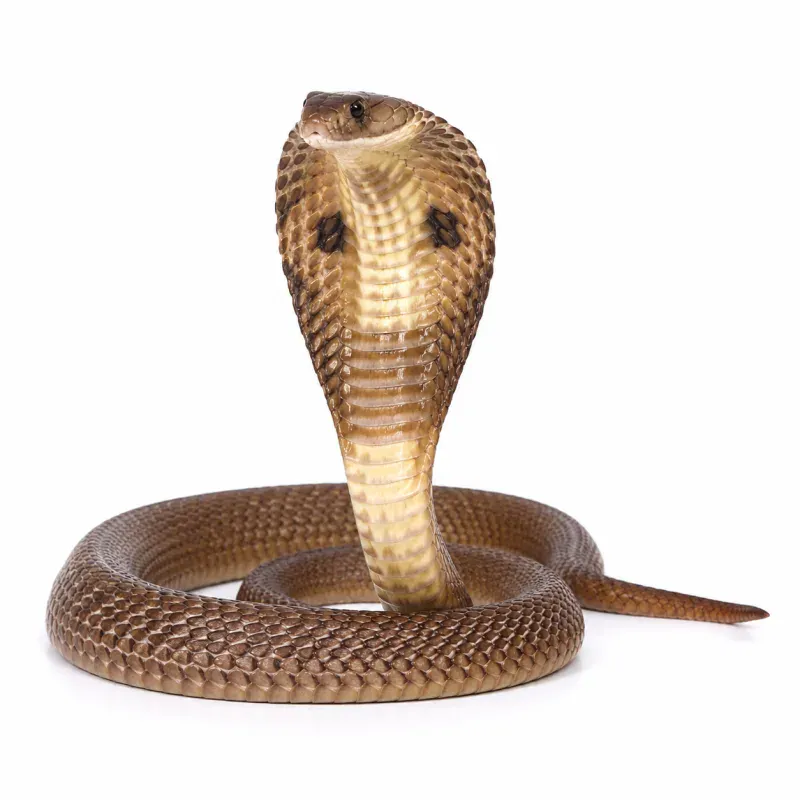
The false water cobra (Hydrodynastes gigas) is a semi-aquatic, rear-fanged colubrid from South America. Known for its impressive size, intelligence, and striking hood display, this species demands a specialized enclosure that mimics its natural floodplain habitat. A proper false water cobra enclosure must prioritize a large water feature, high humidity, and robust heating. This guide covers every element of setup—from tank size and substrate to lighting and bioactive options—to ensure your H. gigas thrives.
Enclosure Size and Type
False water cobras are among the largest colubrids, reaching 6–9 feet (1.8–2.7 m). They are active, curious snakes that require horizontal space for swimming and climbing.
Minimum Dimensions
| Life Stage | Minimum Enclosure Size (L × W × H) | Volume |
|---|---|---|
| Juvenile (under 3 ft) | 48″ × 18″ × 18″ (122 × 46 × 46 cm) | ~90 gallons (340 L) |
| Adult (3–6 ft) | 72″ × 24″ × 24″ (183 × 61 × 61 cm) | ~180 gallons (680 L) |
| Large Adult (6–9 ft) | 96″ × 30″ × 30″ (244 × 76 × 76 cm) | ~300+ gallons (1135 L) |
Use a front-opening PVC or melamine enclosure to retain humidity. Avoid screen tops—they leak moisture. A custom-built plywood vivarium sealed with pond epoxy is ideal for large specimens.
Heating and Lighting
False water cobras are ectothermic and require a thermal gradient to regulate digestion and activity.
Temperature Gradient
- Basking spot: 88–92°F (31–33°C) – Use a ceramic heat emitter (CHE) or radiant heat panel (RHP). A halogen flood bulb can also work but may lower humidity.
- Warm side ambient: 82–86°F (28–30°C)
- Cool side ambient: 75–80°F (24–27°C)
- Nighttime drop: 70–75°F (21–24°C) – No light at night; use a CHE or RHP on a thermostat.
Lighting
Provide a 12-hour photoperiod. UVB (5–6% T5) is beneficial but not strictly required if dietary vitamin D3 is supplemented. A low-output UVB tube can support bioactive cleanup crews and natural behaviors.
Thermostat Control
All heat sources must be regulated by a proportional thermostat with a probe placed at the basking surface. Nighttime temperature drops are acceptable, but never below 68°F (20°C).
Water Feature and Humidity
False water cobras are semi-aquatic—they spend hours swimming, soaking, and hunting in water. A large, clean water feature is non-negotiable.
Water Feature Setup
- Size: At least one-third of the enclosure floor should be water. Use a large tub, preformed pond liner, or a custom fiberglass basin. Depth: 6–12 inches (15–30 cm) for adults.
- Filtration: A submersible canister filter (e.g., Fluval FX series) rated for 2–3× the water volume. Change 25% of water weekly.
- Heating: Use an aquarium heater set to 78–82°F (25–28°C) to maintain water temperature.
- Safety: Provide a ramp or gentle slope for easy entry/exit. No sharp edges.
Humidity Management
Target humidity: 70–85%. Measure with a digital hygrometer on the cool side.
- Substrate: Cypress mulch, coconut coir, or a 50/50 mix of topsoil and sphagnum moss. Depth: 4–6 inches (10–15 cm) to hold moisture.
- Misting: Hand-mist the warm side daily. A misting system (e.g., MistKing) with a 2–3 second burst 2–3 times daily is excellent.
- Ventilation: Minimal ventilation—use a few 1-inch holes covered with fine mesh. Over-ventilation dries the enclosure.
Substrate and Decor
Combine naturalistic elements with enrichment.
Substrate Options
| Substrate | Pros | Cons |
|---|---|---|
| Cypress mulch | Holds humidity, resists mold | Can be dusty when dry |
| Coconut coir | Excellent moisture retention | Can stain light-colored snakes |
| Topsoil/sphagnum mix | Natural, supports bioactive | Must be organic, no fertilizers |
| Paper towels (quarantine) | Easy to clean | Not natural, low humidity |
Decor Essentials
- Hides: At least two—one on warm side, one on cool side. Cork bark rounds or half-logs work well.
- Climbing branches: Heavy-duty branches (e.g., manzanita) secured to support adult weight.
- Plants: Artificial or live (pothos, snake plant, bromeliads). Live plants help humidity but need strong lighting.
- Water feature plants: Anubias, Java fern, or floating plants (duckweed) in the water basin.
Diet and Feeding
False water cobras are opportunistic carnivores. In the wild, they eat fish, amphibians, rodents, and even carrion.
Feeding Schedule
- Hatchlings: Pinky mice or fish (guppies, tilapia) every 5–7 days.
- Juveniles: Fuzzies to weaned rats every 7–10 days.
- Adults: Large rats or jumbo rats every 10–14 days.
Prey Preparation
- Thaw frozen rodents in warm water (never microwave).
- Offer with tongs—they have a strong feeding response and may strike.
- Variety is key: include fish (thawed smelt, tilapia fillets) and quail eggs occasionally for enrichment.
Supplementation
- Calcium with D3: Dust rodents once a month for adults, every other feeding for juveniles.
- Multivitamin: Dust once a month.
Handling and Temperament
False water cobras are intelligent and can become tame with regular, gentle handling. However, they are rear-fanged and possess a mild venom that can cause localized swelling and pain in humans.
Handling Guidelines
- Start with short sessions (5–10 minutes) after the snake has eaten and digested (48 hours post-feeding).
- Support the body fully—never grab the head.
- Watch for hooding, hissing, or tail vibrating—these are stress signals. Return the snake to its enclosure and try later.
- Wash hands before and after handling to avoid scent transfer.
Venom Safety
While not life-threatening to healthy adults, the venom can cause allergic reactions. Keep antihistamines (Benadryl) on hand and consult a doctor if swelling spreads beyond the bite site. Never handle when you are alone or impaired.
Common Health Issues
With proper husbandry, false water cobras are hardy. Watch for these problems:
- Respiratory infections: Caused by low humidity or cold temperatures. Symptoms: open-mouth breathing, excess mucus. Treatment: raise humidity and temperature, vet-prescribed antibiotics.
- Scale rot: From wet, dirty substrate. Prevent with weekly spot-cleaning and full substrate changes every 2–3 months.
- Dehydration: Wrinkled skin, sunken eyes. Ensure water feature is accessible and humidity >70%.
- Parasites: Internal (worms) and external (mites). Quarantine new animals and have a fecal exam done annually.
Watch Out For These Issues
- Underestimating water needs: A small water dish is insufficient. Use a large pond-like feature.
- Low humidity: Drying out leads to poor sheds and respiratory issues. Invest in a hygrometer and misting system.
- Overheating: Basking spots above 95°F (35°C) can cause thermal burns. Always use a thermostat.
- Handling too soon: Allow 48 hours after feeding to avoid regurgitation.
- Ignoring venom: Even though mild, always respect the bite potential and handle with caution.
Conclusion
A well-designed false water cobra enclosure is a rewarding project that mirrors the snake’s natural floodplain habitat. Prioritize a large water feature, high humidity, and a thermal gradient. With proper setup, these intelligent, beautiful snakes can live 15–20 years in captivity. For more detailed guidance, visit ScalyPal.com.
Related Reading
Check optimal temps, calculate feeding, and find your perfect species match.
References
- Rossi, J. (2020). The False Water Cobra: Natural History, Captive Care, and Breeding. Herpetological Review, 51(2), 231–245.
- McPeek, R. (2022). Large Colubrid Enclosure Design. Reptiles Magazine, 30(4), 42–49.
- O'Shea, M. (2018). Venomous Snakes of the World. Princeton University Press.
🐾 Join the Community
See how other keepers set up their enclosures, ask questions, and share your experience.
🛠️ Apply What You Learned
Check optimal temps, calculate feeding schedules, and get calcium dosage — all personalized for your species.
Comments
No account needed — corrections, updates and questions are all welcome. For a full question with photos, the community Q&A is the better place.