False Water Cobra Care Guide: Complete Husbandry
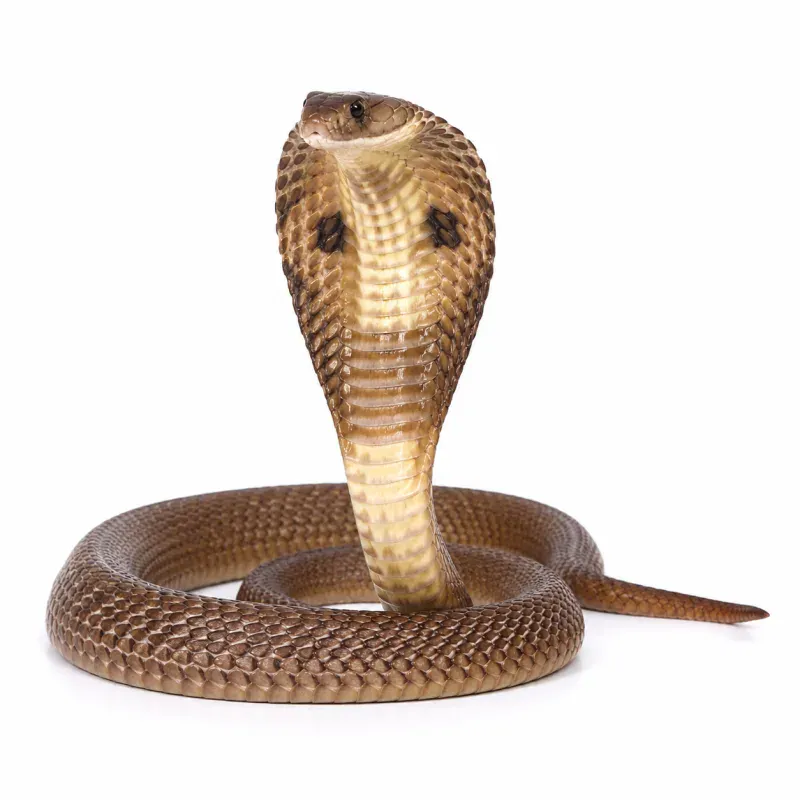
Natural History & Habitat
The false water cobra (Hydrodynastes gigas) is a large, semi-aquatic colubrid native to South America — specifically Brazil, Paraguay, Bolivia, and northern Argentina. True to its common name, it is not a true cobra (family Elapidae) but a rear-fanged colubrid with mild venom. In the wild, it inhabits swampy lowlands, river edges, and flooded grasslands, where it spends much of its time in or near water hunting fish, amphibians, and rodents.
This species is known for its impressive defensive display: it flattens its neck into a hood (much like a cobra), hisses loudly, and may even feign strikes. Despite this dramatic behavior, false water cobras are generally intelligent, curious, and — with consistent, gentle handling — can become quite tame. They are not recommended for absolute beginners due to their size, strength, and mild venom, but they are a rewarding challenge for intermediate keepers.
In the wild, Hydrodynastes gigas is a habitat generalist, thriving in both seasonal floodplains and permanent waterways. They are excellent swimmers and often hunt by scent in murky water. Their natural diet includes fish, amphibians, and small rodents, which they overpower with constriction and a mild venom that helps subdue prey. This semi-aquatic lifestyle means that in captivity, they need more than just a water bowl — they need a true aquatic zone for swimming and soaking.
Enclosure Setup
Minimum Size Requirements
False water cobras are active, robust snakes that require spacious enclosures. A single adult needs a minimum of a 6' x 2' x 2' (180 x 60 x 60 cm) enclosure. Larger is always better; a 8' x 2' x 2' or a custom 6' x 3' x 2' is ideal. Juveniles can start in a 20-gallon long tank (30" x 12" x 12") but will outgrow it within 12–18 months.
| Life Stage | Minimum Enclosure Size | Recommended Enclosure |
|---|---|---|
| Hatchling / Juvenile | 20-gallon long (30" x 12" x 12") | 40-gallon breeder (36" x 18" x 16") |
| Subadult | 4' x 2' x 2' | 5' x 2' x 2' |
| Adult | 6' x 2' x 2' | 8' x 2' x 2' or 6' x 3' x 2' |
When setting up an enclosure, always prioritize floor space over height. These snakes are terrestrial but semi-arboreal, so a long, low design works best. A front-opening enclosure is easier for maintenance and reduces stress on the snake. Ensure the lid or doors are secure — false water cobras are strong and can push open weakly secured tops.
Substrate
Because false water cobras require high humidity (70–90%), choose a substrate that retains moisture without becoming waterlogged. A mix of 60% organic topsoil, 30% coconut coir, and 10% play sand works well. A 4–6 inch (10–15 cm) deep layer allows for burrowing. Cypress mulch or orchid bark are also acceptable. Avoid pine or cedar shavings, which are toxic to reptiles.
To maintain humidity, you can pour water directly into the substrate corners, but avoid making it soggy. A layer of leaf litter on top helps retain moisture and provides enrichment. Replace the top layer every few weeks and fully change the substrate every 2–3 months to prevent bacterial buildup.
Furniture & Decor
Provide multiple hiding spots on both the warm and cool sides: half-logs, cork bark flats, or commercial reptile hides. Because these snakes are semi-arboreal, include sturdy branches for climbing. A large, shallow water dish (big enough for the snake to soak in) is essential — this species loves to swim. Live or heavy-duty artificial plants add security and visual appeal.
For a more naturalistic setup, consider adding a background of cork bark or foam to increase climbing opportunities. You can also create a "humid hide" — a closed container with damp sphagnum moss — to assist with shedding. Place hides at both ends of the thermal gradient so the snake never has to choose between security and temperature.
Step-by-Step Enclosure Setup
Setting up a false water cobra enclosure correctly from the start prevents stress and health issues. Follow this sequence:
- Choose the enclosure: Select a front-opening tank or PVC enclosure that meets the minimum size for your snake's life stage. Ensure it has secure locking doors.
- Install heating equipment: Place a thermostat-controlled ceramic heat emitter or radiant heat panel on one end. Attach the thermostat probe inside, about 2 inches above the substrate, on the warm side.
- Add the substrate: Lay down 4–6 inches of the recommended substrate mix. Level it, creating a slight slope higher on the warm side.
- Arrange hides and decor: Place a hide on the warm side and another on the cool side. Add branches, plants, and a background. Ensure all items are stable and cannot fall.
- Set up the water area: Place a large, heavy water dish or tub on the cool side, big enough for the snake to fully submerge. Fill it with fresh, dechlorinated water.
- Install lighting and humidity tools: Add a low-output UVB bulb on a 12-hour timer over the basking area. Place a digital hygrometer mid-enclosure and a digital thermometer on each end.
- Test and adjust: Run the enclosure for 3–5 days before adding the snake. Monitor temperatures and humidity, adjusting the thermostat or misting as needed until stable.
Heating & Lighting
Temperature Gradient
False water cobras need a clear thermal gradient to thermoregulate. Provide a basking spot of 88–92°F (31–33°C), a warm side of 82–86°F (28–30°C), and a cool side of 75–80°F (24–27°C). Nighttime temperatures can drop to 70–75°F (21–24°C). Use a thermostat-controlled ceramic heat emitter (CHE) or radiant heat panel for primary heat. A halogen flood bulb can provide basking light during the day.
To create this gradient, place the heat source at one end of the enclosure, leaving the other end unheated. Use a digital thermometer with probes at both ends to monitor temperatures daily. A thermostat is non-negotiable — it prevents overheating and extends the life of your heating equipment.
Lighting
While not strictly required, a low-output UVB bulb (5.0 or 2%) on a 12-hour day/night cycle can benefit overall health and vitamin D synthesis. Provide a distinct photoperiod: 12 hours on, 12 hours off. Use a timer for consistency.
If you choose to use UVB, place it over the basking area so the snake can self-regulate its exposure. Replace UVB bulbs every 6–12 months, as output diminishes over time even if the bulb still lights up. For nocturnal viewing, you can use a low-wattage red or blue bulb, but avoid bright lights at night as they can disrupt the snake's circadian rhythm.
Humidity & Water
Maintain humidity between 70–90%. In a glass enclosure, this can be achieved by misting the substrate daily, using a large water dish, and covering part of the screen top with HVAC tape or a glass panel. A fogger or misting system can automate the process. A digital hygrometer is essential to monitor levels. If humidity drops below 60%, your snake may have difficulty shedding and become dehydrated.
To increase humidity, you can also add live moss or a shallow water feature. However, ensure adequate ventilation to prevent stagnant air, which can lead to respiratory infections. A hygrometer placed mid-enclosure (not directly above the water dish) gives the most accurate reading.
The water dish should be large enough for the snake to fully submerge — at least 12" x 8" (30 x 20 cm) and 4–6 inches deep for adults. Change water daily, as these snakes often defecate in their water. Consider using a heavy ceramic or plastic dish that won't tip over. Some keepers use a small plastic storage tub as a swimming pool, which also serves as a humid hide.
Seasonal Care
False water cobras experience seasonal changes in the wild, and replicating these can support natural behaviors and breeding. Here's how to adjust care throughout the year:
- Spring: As days lengthen, gradually increase temperatures and daylight hours back to normal. Resume regular feeding. This is a good time to clean the enclosure thoroughly and check for any health issues.
- Summer: Maintain standard temperatures and humidity. Offer a larger water volume for swimming. Monitor for overheating if your home gets warm, and ensure the enclosure doesn't exceed 95°F (35°C) anywhere.
- Autumn: Begin a gradual cooling period if you plan to breed. Reduce feeding frequency, lower temperatures by a few degrees, and shorten daylight hours. If not breeding, you can keep conditions consistent year-round.
- Winter: For breeding, maintain brumation temperatures of 60–65°F (15–18°C) for 2–3 months. Reduce feeding and day length. For non-breeding snakes, you can maintain normal conditions, but watch for cooler room temperatures that may drop below the recommended gradient.
Always monitor your snake's weight and behavior during seasonal changes. If you notice prolonged fasting or lethargy outside of brumation, consult a veterinarian.
Diet & Feeding
False water cobras are opportunistic carnivores. In captivity, they thrive on a diet of appropriately sized rodents. Hatchlings eat pinky mice every 5–7 days; juveniles eat fuzzies or hoppers every 7–10 days; adults eat large mice or small rats every 10–14 days. Prey should be roughly 1–1.5 times the width of the snake's body.
Because this species is semi-aquatic, some keepers offer fish (e.g., feeder goldfish or tilapia) as an occasional treat — but rodents should form the staple. Never feed live prey; it can injure your snake. Always offer pre-killed, thawed rodents.
| Life Stage | Prey Size | Frequency |
|---|---|---|
| Hatchling (0–6 months) | Pinky mouse | Every 5–7 days |
| Juvenile (6–18 months) | Fuzzy / hopper mouse | Every 7–10 days |
| Subadult (18–30 months) | Adult mouse / small rat | Every 10–14 days |
| Adult (30+ months) | Large mouse / medium rat | Every 14–21 days |
To thaw frozen prey, place it in a sealed bag in warm water (not boiling) for 15–20 minutes. Use tongs to offer the prey, wiggling it slightly to trigger a feeding response. Never leave live prey unattended with your snake. After feeding, avoid handling for at least 24–48 hours to prevent regurgitation.
If your snake refuses food, check temperature and humidity first. Stress, shedding, or impending brumation can also cause temporary fasting. If a juvenile refuses for more than 2 weeks, consult a reptile veterinarian.
Troubleshooting Feeding Issues
Feeding problems are common, especially with new or stressed snakes. Here are solutions based on the cause:
| Symptom | Likely Cause | Solution |
|---|---|---|
| Refuses food for 1–2 weeks | Stress, shedding, or temperature too low | Check temperatures and humidity. Ensure the warm side is 82–86°F (28–30°C) and basking spot is 88–92°F (31–33°C). Avoid handling until the snake settles. |
| Refuses food for more than 2 weeks (juvenile) | Illness or parasites | Consult a reptile veterinarian for a fecal exam and health check. |
| Regurgitates after eating | Handling too soon after feeding, or prey too large | Wait at least 24–48 hours before handling. Offer smaller prey that is no more than 1.5 times the snake's width. |
| Only eats fish, not rodents | Individual preference or habit | Gradually switch by scenting rodents with fish juice. Offer rodents first, then fish as a treat. |
Always feed in a separate container? No — false water cobras can be fed in their enclosure. Use tongs and never leave prey unattended.
Handling & Temperament
False water cobras are notorious for their dramatic defensive displays — hooding, hissing, and mock striking. However, with regular, calm handling, they often become very docile and even seem to enjoy interaction. Important: This species is rear-fanged and produces a mild venom that can cause localized swelling, itching, or pain in humans. Allergic reactions are possible. Always wash your hands before and after handling, and never handle if you have open cuts. Use a snake hook for initial contact, then support the body with both hands. Avoid sudden movements. Start with short sessions (5–10 minutes) and gradually increase duration.
When first bringing your snake home, allow 1–2 weeks for acclimation before handling. During handling, always support the snake's body — never let it dangle. Move slowly and confidently; these snakes are sensitive to vibration and sudden motion. If the snake shows signs of stress (hissing, hooding, tail vibration), end the session and try again later.
Regular handling (2–3 times per week) helps maintain tameness, but always respect the snake's mood. Some individuals remain defensive despite best efforts, and that's okay — they are still rewarding to observe.
Common Health Issues
- Respiratory Infections: Caused by prolonged low temperatures or high humidity without adequate ventilation. Symptoms include wheezing, open-mouth breathing, and excess mucus. Treat by raising temps and consulting a vet.
- Dysecdysis (Bad Shed): Usually due to low humidity. Ensure humidity stays above 70% and provide a humid hide or soak box during shed cycles.
- Mouth Rot (Stomatitis): Bacterial infection of the mouth, often from injury or unsanitary conditions. Look for redness, swelling, or cheesy discharge. Requires veterinary antibiotics.
- Parasites: Internal (worms, protozoa) or external (mites). Quarantine new arrivals and have a fecal exam done annually.
- Obesity: Overfeeding leads to fatty liver disease. Stick to recommended feeding schedules and monitor body condition.
To prevent health issues, maintain strict hygiene: clean the water dish daily, spot-clean substrate regularly, and disinfect the enclosure monthly. Quarantine any new snake for at least 30–60 days before introducing it to your collection. Always source your snake from a reputable breeder or rescue to minimize the risk of parasites or disease.
Cost Breakdown
Setting up and maintaining a false water cobra involves significant investment. Here's an estimated budget for initial setup and annual care:
| Item | Estimated Cost (USD) | Notes |
|---|---|---|
| Enclosure (6' x 2' x 2') | $300–$600 | PVC or glass front-opening; larger sizes cost more |
| Heating (thermostat + CHE/panel) | $80–$150 | Thermostat is essential; CHE or radiant panel |
| Lighting (UVB + timer) | $50–$100 | Low-output UVB bulb and timer |
| Substrate (initial fill) | $30–$50 | Organic topsoil, coconut coir, sand mix |
| Hides, decor, water dish | $50–$100 | Hides, branches, plants, large water tub |
| Hygrometer & thermometers | $20–$40 | Digital probes and hygrometer |
| Initial setup total | $530–$1,040 | One-time costs |
| Food (annual) | $100–$200 | Rodents, depending on size and frequency |
| Substrate replacement (annual) | $60–$120 | Full changes every 2–3 months |
| Vet check (annual) | $50–$100 | Fecal exam and health check |
| Annual total | $210–$420 | Recurring costs |
These are estimates; actual costs vary by region and supplier. Budget for unexpected veterinary care, which can cost hundreds of dollars for treatments like antibiotics.
Breeding Basics
Breeding false water cobras requires a cooling period (brumation) of 2–3 months at 60–65°F (15–18°C). Reduce feeding and day length gradually. After brumation, slowly warm them back up and introduce the male to the female's enclosure. Copulation can last hours. Females lay 12–25 eggs in a moist substrate box (e.g., vermiculite). Incubate at 82–86°F (28–30°C) with high humidity; eggs hatch in 55–70 days. Hatchlings are 12–16 inches (30–40 cm) long and can take pinky mice after their first shed.
Before breeding, ensure both snakes are healthy and at least 2–3 years old. Females should be well-fed but not obese. Provide a nesting box filled with moist vermiculite or sphagnum moss for egg deposition. After laying, remove the eggs and incubate them in a separate container. Monitor the eggs weekly for mold or collapse, and keep the substrate moist but not wet.
Breeding is a rewarding but demanding process. It is not recommended for beginners. If you are new to breeding, seek mentorship from experienced keepers or join a herpetological society.
Common Mistakes
- Underestimating size: Adults can reach 7–9 feet (2.1–2.7 m) and need a huge enclosure. Many keepers start with too-small enclosures, leading to stress and health issues.
- Low humidity: Causes bad sheds and respiratory issues. Always monitor with a digital hygrometer.
- Handling too soon: Give new snakes 1–2 weeks to acclimate before handling. Rushing can cause defensive behavior and stress.
- Feeding live prey: Risky and unnecessary. Live prey can bite or scratch your snake, causing serious injury.
- Ignoring the water: These snakes need a large, clean water source for soaking. A small bowl leads to dehydration and shedding problems.
- Using improper substrate: Pine or cedar shavings are toxic. Stick to organic topsoil, coconut coir, cypress mulch, or orchid bark.
- Skipping the thermostat: Without a thermostat, heat sources can overheat and burn your snake. Always use a thermostat.
- Not quarantining new arrivals: Introducing an unquarantined snake can spread parasites or disease to your entire collection.
Avoid these pitfalls, and your false water cobra can thrive for 15–20 years. These snakes are intelligent and interactive, making them a joy for dedicated keepers.
Frequently Asked Questions
Are false water cobras venomous?
Yes, false water cobras are rear-fanged colubrids with mild venom. The venom is not considered dangerous to humans but can cause localized swelling, itching, or pain. Allergic reactions are possible, so always wash your hands after handling and seek medical attention if you experience severe symptoms.
What is the minimum enclosure size for an adult false water cobra?
An adult false water cobra needs a minimum enclosure of 6' x 2' x 2' (180 x 60 x 60 cm). Larger is better, with an 8' x 2' x 2' or a custom 6' x 3' x 2' being ideal. Juveniles can start in a 20-gallon long tank but will outgrow it within 12–18 months.
How often should I feed my false water cobra?
Feeding frequency depends on age: hatchlings eat pinky mice every 5–7 days, juveniles eat fuzzies or hoppers every 7–10 days, subadults eat adult mice or small rats every 10–14 days, and adults eat large mice or medium rats every 14–21 days. Always feed pre-killed, thawed prey.
What humidity level does a false water cobra need?
False water cobras require humidity between 70–90%. Use a digital hygrometer to monitor levels. If humidity drops below 60%, your snake may have difficulty shedding and become dehydrated. Mist the substrate daily and provide a large water dish for soaking.
Can I keep two false water cobras together?
It is not recommended to house false water cobras together except briefly for breeding. They are solitary and may become aggressive toward each other, especially during feeding. Always house them separately to avoid stress or injury.
How long do false water cobras live?
With proper care, false water cobras can live 15–20 years in captivity. This requires consistent husbandry, a proper diet, and regular veterinary check-ups to prevent health issues.
Do false water cobras need UVB lighting?
UVB lighting is not strictly required but can benefit overall health and vitamin D synthesis. If provided, use a low-output UVB bulb (5.0 or 2%) on a 12-hour day/night cycle, placed over the basking area. Replace the bulb every 6–12 months.
\n\nRelated Reading
\n- \n
- False Water Cobra Diet & Feeding Guide — Learn feeding schedules, prey types, and nutritional needs for your false water cobra. \n
- False Water Cobra Enclosure Guide — Discover ideal enclosure size, substrate, and environmental enrichment for this species. \n
- Reptile UVB Lighting Guide: Ferguson Zones & Bulb Selection — Understand UVB requirements and Ferguson zones to ensure proper lighting for your reptile. \n
- Reptile Vitamins & Supplements: Calcium With or Without D3 — Know when to use calcium with or without D3 and essential vitamin supplementation tips. \n
- Ball Python Temperature Guide: Heat Gradient & Thermostat — Learn how to create a proper heat gradient and use thermostats for optimal reptile health. \n
Check optimal temps, calculate feeding, and find your perfect species match.
References
- Mark O'Shea (2007). Boas and Pythons of the World. Princeton University Press.
- David G. Barker & Tracy M. Barker (2013). The Boa Constrictor Manual. Advanced Vivarium Systems.
🐾 Join the Community
See how other keepers set up their enclosures, ask questions, and share your experience.
🛠️ Apply What You Learned
Check optimal temps, calculate feeding schedules, and get calcium dosage — all personalized for your species.
Comments
No account needed — corrections, updates and questions are all welcome. For a full question with photos, the community Q&A is the better place.