False Water Cobra Diet & Feeding Guide
Enclosure Setup
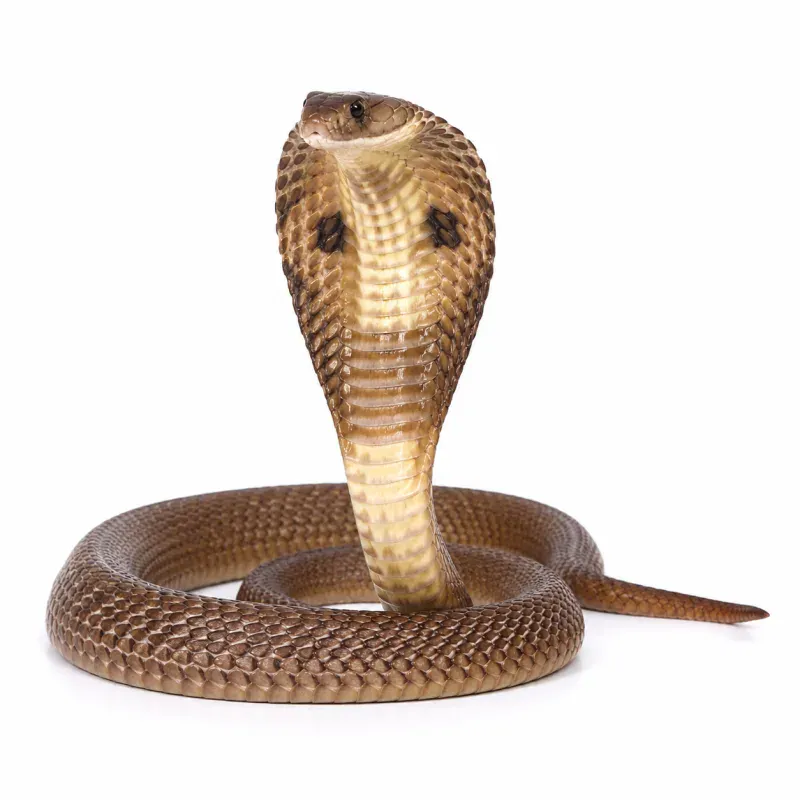
The false water cobra (Hydrodynastes gigas) is a large, active, semi-aquatic rear-fanged colubrid native to South America. A proper enclosure is essential for health and feeding success. Juveniles can start in a 40-gallon (151-liter) breeder tank, but adults require a minimum of 6 feet (1.8 m) long by 2 feet (0.6 m) wide by 2 feet tall, with a volume of at least 120 gallons (454 liters). Larger is always better. Use a front-opening vivarium for easy access and reduced stress. Provide a large water bowl (at least half the snake's length) for soaking and swimming, as these snakes are semi-aquatic. Substrate options include coconut husk, cypress mulch, or a soil-sand mix; avoid pine or cedar. Include multiple hides (one per side), branches for climbing, and artificial or live plants for cover. A secure lid is mandatory—these snakes are strong and can push open loose lids.
Step-by-Step Enclosure Setup
- Choose a front-opening vivarium that meets the minimum size for your snake's age (40-gallon for juveniles, 120-gallon for adults).
- Wash the enclosure with reptile-safe disinfectant and rinse thoroughly.
- Add a 2–3 inch layer of substrate (coconut husk, cypress mulch, or soil-sand mix). Avoid pine or cedar, which release toxic phenols.
- Place a large, heavy water bowl (at least half the snake's length) on the cool side. Ensure it's deep enough for swimming (8–10 inches) and stable to prevent tipping.
- Install hides on both the warm and cool sides. Use half-logs, cork bark, or commercial reptile hides.
- Add branches and sturdy plants for climbing and cover. Secure them firmly to prevent collapse.
- Install a secure locking lid or door mechanism. Test it by applying firm pressure—these snakes are escape artists.
Substrate Comparison
| Substrate | Pros | Cons | Best For |
|---|---|---|---|
| Coconut husk | Retains humidity, natural look, mold-resistant | Can be dusty when dry | Humidity retention |
| Cypress mulch | Excellent moisture retention, resistant to mold | Can be sharp, may harbor pests | High-humidity setups |
| Soil-sand mix | Allows burrowing, naturalistic | Can be heavy, may compact | Burrowing enrichment |
| Aspen shavings | Low cost, easy to clean | Dries quickly, not ideal for humidity | Temporary/quarantine enclosures |
| Pine/cedar | N/A | Toxic aromatic oils, harmful to reptiles | Never use |
Common Enclosure Mistakes
- Too small: Undersized tanks cause chronic stress, obesity, and muscle atrophy. Always err on the larger side.
- Poor ventilation: Stagnant air promotes respiratory infections. Use screen tops or side vents.
- Inadequate water bowl: A shallow bowl prevents soaking, leading to dehydration and shedding issues.
- Loose lids: False water cobras are strong and will push open insecure lids. Use clips or locks.
Heating and Lighting
False water cobras are diurnal and require a basking spot of 88–92°F (31–33°C), ambient temperature of 78–82°F (25–28°C), and a cool side of 72–76°F (22–24°C). Use a ceramic heat emitter or radiant heat panel for 24-hour heat; a halogen flood bulb can provide basking heat and light during the day. Provide a UVB light (5–6% T5 HO) for 10–12 hours daily to aid vitamin D3 synthesis and calcium metabolism. Nighttime temperatures can drop to 70–75°F (21–24°C). Use a thermostat to regulate all heat sources and prevent burns.
Setting Up Heating Zones
- Place a basking bulb or ceramic heat emitter at one end of the enclosure to create a thermal gradient.
- Connect all heat sources to a thermostat with a probe placed at basking level. Set the thermostat to the desired basking temperature.
- Monitor temperatures with digital thermometers at both ends and at the basking spot.
- Use a timer for the UVB light to provide a 12-hour day/night cycle.
- At night, switch to a ceramic heat emitter or radiant heat panel if temperatures drop below 70°F (21°C).
Temperature Gradient Table
| Zone | Daytime Temperature | Nighttime Temperature |
|---|---|---|
| Basking spot | 88–92°F (31–33°C) | 70–75°F (21–24°C) |
| Ambient warm side | 78–82°F (25–28°C) | 70–75°F (21–24°C) |
| Cool side | 72–76°F (22–24°C) | 70–75°F (21–24°C) |
Heating Troubleshooting
- Basking spot too hot: If temperatures exceed 95°F (35°C), reduce bulb wattage or raise the bulb. Ensure the thermostat is working.
- Ambient too cold: Add a secondary heat source or increase the wattage. Check for drafts.
- Thermostat failures: Always use a separate thermometer to verify temperatures. Replace faulty thermostats immediately.
Humidity and Water
Maintain humidity at 60–80%, with spikes to 85% after misting. Use a hygrometer and mist the enclosure 1–2 times daily, especially around the water bowl and substrate. A large, heavy water bowl (at least 8–10 inches deep) should be cleaned daily and filled with dechlorinated water. These snakes often defecate in water, so frequent changes are critical. A humid hide (plastic container with damp sphagnum moss) aids shedding.
Maintaining Humidity Levels
- Place a digital hygrometer at the cool side of the enclosure to monitor humidity.
- Mist the enclosure 1–2 times daily with dechlorinated water, focusing on the substrate and around the water bowl.
- Use a substrate that retains moisture, like coconut husk or cypress mulch.
- Provide a humid hide filled with damp sphagnum moss. Replace the moss weekly to prevent mold.
- If humidity is too low, increase misting frequency or add a larger water bowl. If too high, increase ventilation.
Water Quality and Safety
- Always use dechlorinated water. You can use a commercial dechlorinator or let tap water sit for 24 hours.
- Clean the water bowl daily with hot water and a reptile-safe disinfectant. Rinse thoroughly.
- Fill the bowl with fresh, dechlorinated water after cleaning.
- If your snake defecates in the water, change it immediately to prevent bacterial growth.
Diet and Feeding: Prey Types, Feeding Frequency, and Supplement Schedule
Prey Types
False water cobras are opportunistic carnivores. In captivity, feed a diet of whole prey:
- Rodents: Mice and rats are staples. Offer appropriately sized prey (no larger than 1.5 times the snake's widest body diameter).
- Fish: Occasional feeder fish (e.g., tilapia, salmon) can be offered, but avoid goldfish due to thiaminase. Fish should not exceed 20% of the diet.
- Amphibians: Some keepers offer frogs or tadpoles as enrichment, but these are not necessary and may carry parasites.
- Chicks/quail: Occasional treats for variety, but high-fat content limits frequency.
Prey Size Guide
| Snake Age | Prey Type | Prey Size | Frequency |
|---|---|---|---|
| Hatchling (0–6 months) | Pinky mice | 1–2 grams | Every 5–7 days |
| Juvenile (6–18 months) | Fuzzy to hopper mice | 3–12 grams | Every 7–10 days |
| Subadult (18–36 months) | Adult mice to small rats | 20–50 grams | Every 10–14 days |
| Adult (36+ months) | Large rats or jumbo rats | 50–100+ grams | Every 14–21 days |
Adjust based on body condition—aim for a rounded but not overweight shape. Overfeeding can lead to obesity and hepatic lipidosis.
Feeding Frequency by Age
Feed according to age and size:
| Age/Size | Prey Size | Frequency |
|---|---|---|
| Hatchling (0–6 months) | Pinky mice | Every 5–7 days |
| Juvenile (6–18 months) | Fuzzy to hopper mice | Every 7–10 days |
| Subadult (18–36 months) | Adult mice to small rats | Every 10–14 days |
| Adult (36+ months) | Large rats or jumbo rats | Every 14–21 days |
Adjust based on body condition—aim for a rounded but not overweight shape. Overfeeding can lead to obesity and hepatic lipidosis.
Supplement Schedule
Because false water cobras are rear-fanged and may not consume whole prey with bones (if fed fish or muscle meat), supplementation is crucial:
- Calcium with D3: Dust prey once every 2–3 feedings for juveniles, once every 3–4 feedings for adults. Use a phosphorous-free calcium powder.
- Multivitamin: Dust once every 4–6 feedings. Choose a reptile-specific multivitamin (e.g., Repashy, Zoo Med).
- Fish-eaters: If feeding fish, add a thiamine supplement (1–2 drops on prey) to prevent thiamine deficiency.
Always dust prey immediately before offering; do not store dusted prey.
How to Dust Prey
- Place the pre-killed prey in a plastic bag or container.
- Add a small amount of calcium powder (enough to lightly coat the prey).
- Shake the container gently to evenly coat the prey.
- Offer the dusted prey immediately with tongs.
- For fish, use a dropper to apply 1–2 drops of thiamine supplement directly onto the fish.
Prey Presentation for Rear-Fanged Colubrids
False water cobras are rear-fanged (opisthoglyphous) and rely on chewing to envenomate prey. They do not constrict. Present prey using tongs to avoid accidental envenomation of the keeper. Wiggle the prey gently to stimulate feeding response. For picky eaters, try braining (piercing the skull) or scenting with fish. Never leave live prey unattended—live rodents can injure the snake. Pre-killed prey is safer and more humane. If the snake refuses, wait 48–72 hours before re-offering. Do not handle for 48 hours after feeding to reduce regurgitation risk.
Step-by-Step Feeding Process
- Thaw frozen prey in the refrigerator overnight or in a sealed bag in warm water (never microwave).
- Warm the prey to slightly above room temperature (around 90°F) using warm water or a hair dryer.
- Use tongs to present the prey, wiggling it gently in front of the snake.
- Allow the snake to strike and begin swallowing. Do not pull or tug.
- After the snake has swallowed, leave it undisturbed for at least 48 hours.
- If the snake refuses, remove the prey and wait 48–72 hours before trying again.
Feeding Troubleshooting
- Refusal to eat: Check temperatures and humidity. Ensure the prey is warm. Try scenting with fish or braining. Some snakes go off feed during shedding or breeding season.
- Regurgitation: Usually from handling too soon, stress, or too-large prey. Wait 2 weeks before re-feeding a smaller meal.
- Overfeeding: If the snake appears overweight (rounded back, fat rolls), increase the interval between feedings.
Handling and Temperament
False water cobras are generally docile but can be defensive when young. Regular, gentle handling (3–4 times per week for 10–15 minutes) builds trust. Support the body fully; avoid sudden movements. They may mock-strike or flatten their neck (hooding) when stressed. This is a bluff—remain calm. Bites are rare but medically significant due to mild venom (duvernoy's secretion) that can cause local pain, swelling, and nausea. Keep antivenom unavailable; treatment is supportive. Wash hands before/after handling to avoid scent transfer. Never handle during shed or after feeding.
Safe Handling Practices
- Wash your hands with warm water and unscented soap before handling.
- Approach the snake slowly and gently. Use a hook to gently lift it if it's defensive.
- Support the snake's body fully with both hands, allowing it to move freely.
- Keep handling sessions short (10–15 minutes) and increase gradually as the snake becomes comfortable.
- Never grab the snake by the head or tail. Always support the middle body.
- After handling, wash your hands again to remove any scent residue.
Common Health Issues
- Respiratory infections: Caused by low temperatures or high humidity. Symptoms: wheezing, open-mouth breathing, mucus. Treat by correcting temps and vet-prescribed antibiotics.
- Scale rot/blister disease: From wet substrate. Prevent by keeping enclosure dry and clean. Treat with antiseptic soaks and improved husbandry.
- Obesity: Overfeeding leads to fat deposits and liver issues. Monitor body condition and adjust feeding frequency.
- Mites: External parasites cause itching and anemia. Use reptile-safe mite treatments and quarantine new animals.
- Regurgitation: Usually from handling too soon, stress, or too-large prey. Wait 2 weeks before re-feeding a smaller meal.
Recognizing and Treating Health Problems
| Condition | Symptoms | Treatment |
|---|---|---|
| Respiratory infection | Wheezing, open-mouth breathing, mucus | Correct temperatures, vet-prescribed antibiotics |
| Scale rot | Red, blistered, or discolored scales | Antiseptic soaks, dry substrate |
| Obesity | Rounded back, fat rolls, lethargy | Reduce feeding frequency, increase exercise |
| Mites | Small black dots on skin, excessive soaking | Reptile-safe mite treatment, quarantine |
| Regurgitation | Undigested prey in enclosure | Wait 2 weeks, feed smaller prey |
The Most Common Problems
- Undersized enclosure: Adults need 6+ feet; small tanks cause stress and obesity.
- Incorrect humidity: Too low causes shedding issues; too high causes scale rot. Use a hygrometer.
- Feeding live prey: Always use pre-killed to avoid injury and stress.
- Overhandling: Too much handling can stress the snake, leading to refusal to eat.
- Ignoring venom: Even though mild, bites can cause reactions. Use tongs and respect the snake.
- Skipping supplements: Especially for fish-fed snakes, calcium and thiamine are critical.
Frequently Asked Questions
How often should I feed my false water cobra?
Feed hatchlings every 5–7 days, juveniles every 7–10 days, subadults every 10–14 days, and adults every 14–21 days. Adjust based on body condition to avoid obesity.
Can I feed my false water cobra fish?
Yes, but fish should not exceed 20% of the diet. Avoid goldfish due to thiaminase. If feeding fish regularly, add a thiamine supplement (1–2 drops on prey) to prevent thiamine deficiency.
What should I do if my false water cobra refuses to eat?
Check enclosure temperatures and humidity. Ensure prey is warm. Try braining or scenting with fish. If the snake refuses, wait 48–72 hours before re-offering. If refusal persists, consult a veterinarian.
Is the false water cobra venomous?
Yes, it is rear-fanged and produces a mild venom (duvernoy's secretion). Bites can cause local pain, swelling, and nausea. Treatment is supportive; antivenom is not available. Use tongs when feeding and handle with care.
Related Reading
Check optimal temps, calculate feeding, and find your perfect species match.
References
- Barker, D. (2017). The Complete False Water Cobra Care Guide. Reptile Publications.
- Smith, J. (2020). Venomous Colubrids: Biology and Husbandry. Herpetological Press.
- Ross, R. (2019). Reptile Nutrition and Supplementation. Reptile Research Institute.
🐾 Join the Community
See how other keepers set up their enclosures, ask questions, and share your experience.
🛠️ Apply What You Learned
Check optimal temps, calculate feeding schedules, and get calcium dosage — all personalized for your species.
Comments
No account needed — corrections, updates and questions are all welcome. For a full question with photos, the community Q&A is the better place.