African Fat-Tailed Gecko Enclosure Setup
Enclosure Size and Type
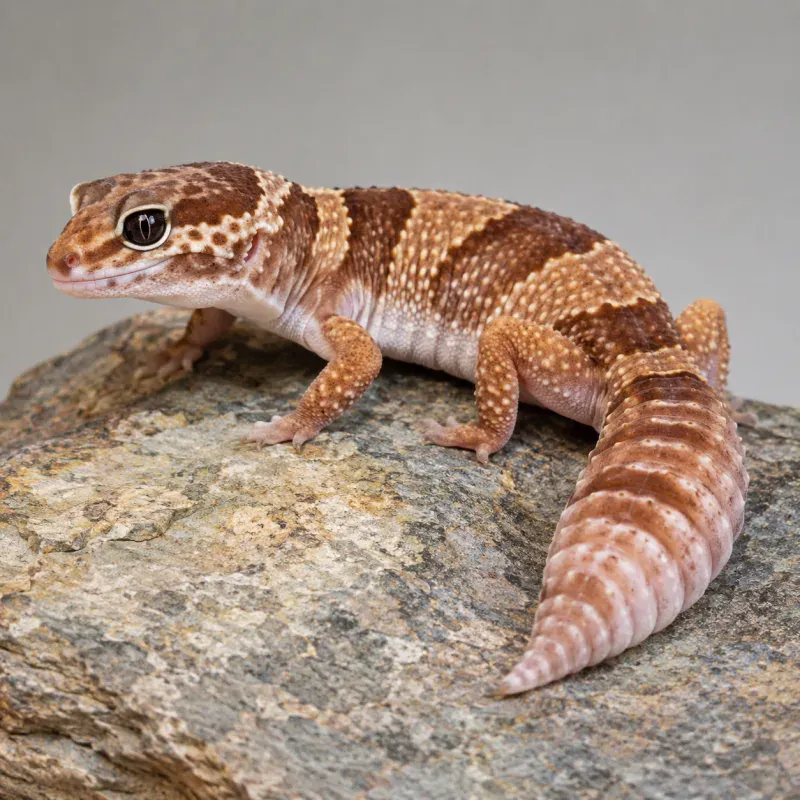
African Fat-Tailed Geckos are terrestrial, nocturnal lizards native to West Africa. They require a horizontally oriented enclosure that mimics their dry savanna and scrubland habitat. For a single adult gecko, a 20-gallon long (30" x 12" x 12") terrarium is the minimum recommended size. A 40-gallon breeder (36" x 18" x 16") is ideal for a pair or to allow more enrichment. Glass terrariums with front-opening doors are preferred for easy access and humidity control. Screen lids are fine, but you may need to cover part of the screen to retain humidity.
Why Bigger Is Better
Larger enclosures allow for a proper thermal gradient (cool side, warm side, and basking spot), which is essential for thermoregulation. They also provide space for multiple hides, a humidity hide box, and enrichment items like cork bark and fake plants. A bigger tank also helps maintain stable humidity levels.
Substrate Choices
Substrate should retain some humidity without becoming waterlogged, and be safe if ingested. Options include:
- Paper towels – Best for quarantine, hatchlings, or monitoring bowel movements. Easy to clean but not naturalistic.
- Reptile carpet – Low maintenance but can harbor bacteria if not cleaned regularly. Avoid loose threads.
- Coconut coir or soil-based mixes – Excellent for bioactive setups. Holds humidity well and allows burrowing. Use a 70% organic topsoil / 30% play sand mix, or a commercial bioactive substrate like Terra Sahara.
- Slate or tile – Easy to clean, retains heat, but does not hold humidity. Must be paired with a humid hide.
Avoid sand (especially calcium sand), wood shavings, and gravel, as these can cause impaction if ingested.
Heating and Temperature Gradient
African Fat-Tailed Geckos need a thermal gradient to regulate their body temperature. Use an under-tank heater (UTH) or heat mat placed on one side of the enclosure, covering about one-third to one-half of the floor space. Connect the UTH to a thermostat set to 90–95°F (32–35°C) for the warm side. The cool side should be 75–80°F (24–27°C). Nighttime temperatures can drop to 70°F (21°C).
Heating Pad vs. Overhead Heat
UTHs are preferred because fat-tailed geckos are nocturnal and spend most of their time on the ground. Overhead heat lamps can dry out the enclosure too quickly. If you use a ceramic heat emitter (CHE) for ambient heat, place it over the warm side and use a thermostat. Never use heat rocks, which can cause severe burns.
Temperature Monitoring
Use a digital thermometer with a probe on the warm side, and another on the cool side. An infrared temperature gun is useful for spot-checking surface temperatures. Aim for a gradient of 10–15°F (5–8°C) between warm and cool ends.
Humidity and Humidity Hide Box
African Fat-Tailed Geckos require moderate humidity (40–60%) with a humid hide box to aid shedding. A humidity hide is a small container (like a plastic food storage box) with a entrance hole, filled with damp sphagnum moss or coconut fiber. Place it on the warm side of the enclosure. Mist the hide daily to keep the moss damp but not soaking.
Humidity Management
Mist the enclosure lightly each evening to raise humidity, but allow it to dry out during the day. Use a hygrometer to monitor levels. Too much humidity can cause respiratory infections; too little leads to stuck shed. If you live in a dry climate, you may need a small humidifier or misting system.
UVB Lighting
Although African Fat-Tailed Geckos are nocturnal and do not require UVB to synthesize vitamin D3 (they can get it from diet), providing low-level UVB (2–5% T5 or compact bulb) can improve overall health, immune function, and behavior. If you choose to use UVB, keep it on a 12-hour day/night cycle and ensure the gecko can escape to shaded areas. UVB is not a substitute for proper calcium and vitamin D3 supplementation.
Decor and Hides
Provide at least three hides: one on the warm side, one on the cool side, and one humid hide. Hides can be half-logs, cork bark, reptile caves, or DIY options like overturned plant pots. Add climbing opportunities with driftwood, cork rounds, and sturdy artificial plants. Avoid sharp decorations that could injure the gecko.
Enrichment
Fat-tailed geckos are curious and benefit from a varied environment. Rotate decor every few months to encourage exploration. Live plants (pothos, snake plants, bromeliads) can help maintain humidity and look natural, but ensure they are reptile-safe and not treated with pesticides.
Bioactive vs Simple Setup
| Feature | Bioactive Setup | Simple Setup |
|---|---|---|
| Substrate | Soil, sand, clay mix with drainage layer | Paper towels, reptile carpet, or tile |
| Cleanup Crew | Springtails, isopods (e.g., dwarf white) | None |
| Plants | Live, reptile-safe plants | Artificial plants |
| Maintenance | Low once established (spot clean, water plants) | Regular substrate replacement (weekly to monthly) |
| Cost | Higher initial cost ($100–200+ for substrate, plants, cleanup crew) | Lower initial cost ($20–50) |
| Benefits | Naturalistic, self-cleaning, better humidity regulation | Easy to clean, good for quarantine |
| Drawbacks | Requires setup time, may fail if not maintained | Less natural, more frequent cleaning |
Bioactive setups are excellent for long-term enclosures and reduce the frequency of full cleanings. Simple setups are ideal for beginners, quarantine, or temporary housing. Both can work well if you meet the gecko’s needs.
Diet and Feeding
African Fat-Tailed Geckos are insectivores. Feed a variety of live insects: crickets, dubia roaches, black soldier fly larvae, and occasional mealworms (as treats). Dust insects with calcium powder (without D3) at every feeding for adults, and with a multivitamin once a week. Juveniles should be fed daily, adults every other day.
Gut-load feeder insects with high-quality greens (collard, mustard) and commercial gut-load diets for 24 hours before feeding. Provide a shallow water dish with fresh water daily.
Handling and Temperament
African Fat-Tailed Geckos are generally docile and tolerate handling well, but they can be skittish when young. Start with short sessions (5–10 minutes) after the gecko has settled in (wait 2 weeks after acquisition). Use a gentle scooping motion from below; never grab the tail, as they can drop it (autotomy). Handle over a soft surface to prevent injury if the gecko jumps.
Signs of stress include tail thrashing, vocalizing (a squeaking sound), or trying to escape. If you see these, return the gecko to its enclosure and try again later. Regular, calm handling builds trust.
Common Health Issues
- Metabolic Bone Disease (MBD) – Caused by calcium deficiency and lack of UVB/D3. Symptoms include lethargy, tremors, and soft jaw. Prevent with proper supplementation and UVB.
- Stuck shed – Due to low humidity. Provide a humid hide and increase misting. Soak the gecko in shallow warm water if needed.
- Respiratory infections – Signs include wheezing, bubbles from nose, and open-mouth breathing. Caused by high humidity or cold temperatures. Adjust husbandry and consult a vet.
- Parasites – Internal (worms, coccidia) or external (mites). Quarantine new animals and have fecal exams done annually.
Common Mistakes to Avoid
- Using sand or loose substrate that causes impaction – Stick to safe options.
- Not using a thermostat with heat mats – Can cause burns or overheating.
- Over-misting or under-misting – Aim for 40–60% humidity with a dry-out period.
- Feeding only mealworms – Lack of variety leads to nutritional deficiencies.
- Handling too soon – Let the gecko acclimate for 2 weeks.
- Ignoring temperature gradient – Always provide a warm and cool side.
Related Reading
- African Fat — Tailed Gecko Care Guide
- AFT Gecko Morph Guide
- AFT Gecko Feeding Guide
- Temperature & Humidity Checker
Check optimal temps, calculate feeding, and find your perfect species match.
🐾 Join the Community
See how other keepers set up their enclosures, ask questions, and share your experience.
🛠️ Apply What You Learned
Check optimal temps, calculate feeding schedules, and get calcium dosage — all personalized for your species.
Comments