African Fat-Tailed Gecko Diet & Feeding Guide
Introduction
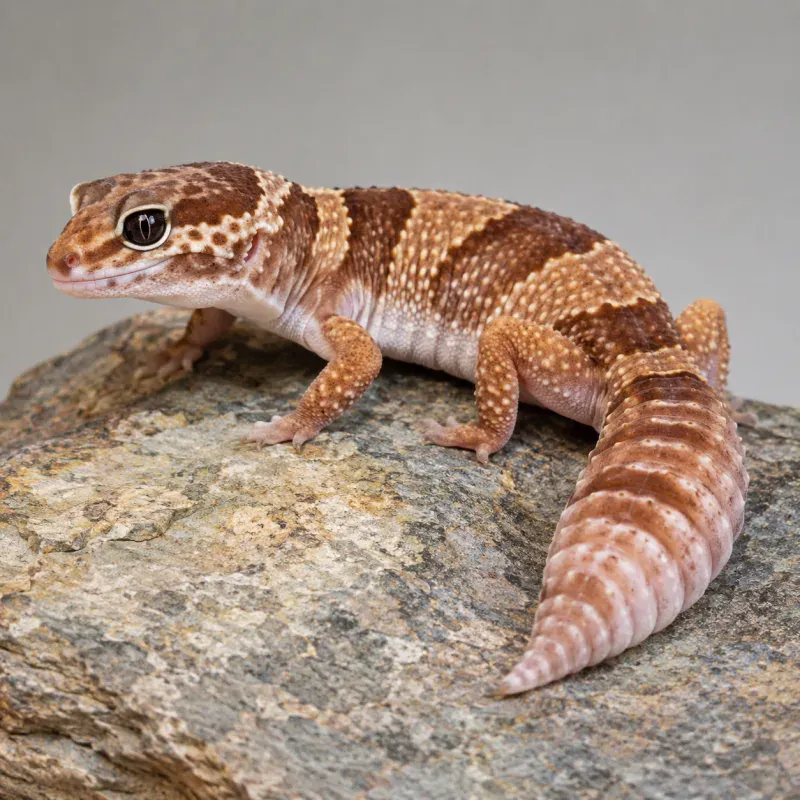
The African fat-tailed gecko (Hemitheconyx caudicinctus) is a hardy, nocturnal insectivore native to West Africa. A proper diet is the cornerstone of their health, longevity, and vibrant appearance. This guide covers everything from insect variety and gut-loading to supplement dusting schedules and feeding frequency by age, ensuring your gecko thrives in captivity.
African fat-tailed geckos are opportunistic feeders in the wild, consuming a wide range of invertebrates. Replicating this diversity in captivity is essential for preventing nutritional deficiencies and behavioral issues like picky eating. This expanded guide provides step-by-step instructions, troubleshooting tips, and detailed tables to help you master every aspect of your gecko's diet.
Insect Variety: The Foundation of a Balanced Diet
African fat-tailed geckos require a varied diet of live insects to meet their nutritional needs. A monotonous diet leads to deficiencies and picky eating. Offer these staples:
- Crickets (Acheta domesticus): Excellent protein source; gut-load 24 hours before feeding.
- Dubia roaches (Blaptica dubia): High in protein, low in fat; ideal staple.
- Mealworms (Tenebrio molitor): High in fat; use as treats only (≤10% of diet).
- Black soldier fly larvae (Hermetia illucens): Rich in calcium; excellent for juveniles.
- Silkworms (Bombyx mori): High in moisture and protein; great for hydration.
- Waxworms (Galleria mellonella): Very high fat; use sparingly for weight gain or treats.
Pro tip: Rotate at least 3–4 insect types weekly to mimic natural foraging diversity. This not only provides a broader nutrient profile but also prevents your gecko from becoming a 'one-insect' eater, which can be difficult to correct later.
How to Source Insects
Always purchase insects from reputable breeders or pet stores that specialize in reptile feeders. Avoid wild-caught insects because they may carry parasites or have been exposed to pesticides. When buying, check for signs of health: insects should be active, well-fed, and free from mold or mites. For crickets, choose ones that are lively and have intact legs.
Storing Insects
Proper storage keeps insects healthy and nutritious. Keep crickets and roaches in ventilated plastic bins with egg crate or cardboard for hiding. Feed them a gut-load diet and provide water crystals or orange slices. Mealworms and waxworms can be refrigerated to slow their metabolism, but they should be brought to room temperature before feeding to your gecko. Black soldier fly larvae can be stored at room temperature.
Gut-Loading: Boosting Nutritional Value
Gut-loading is the practice of feeding insects a nutrient-dense diet 24–48 hours before offering them to your gecko. This ensures the insects are packed with vitamins and minerals.
Gut-Loading Guidelines
- Commercial gut-load diets: Use products like Repashy Bug Burger or Fluker's Cricket Quencher.
- Fresh produce: Offer dark leafy greens (collard, kale), carrots, sweet potatoes, and squash. Avoid iceberg lettuce (no nutritional value).
- Hydration: Provide water crystals or orange slices for moisture.
- Duration: Gut-load for at least 24 hours; 48 hours for roaches.
Warning: Never gut-load with avocado, onion, or citrus—these are toxic to reptiles.
Step-by-Step Gut-Loading Process
- Separate: Place the insects you plan to feed in a separate, clean container.
- Feed: Add a commercial gut-load diet or fresh produce. For fresh produce, chop into small pieces to increase surface area.
- Hydrate: Add water crystals or a slice of orange for moisture. Avoid open water dishes that can drown insects.
- Wait: Allow insects to feed for at least 24 hours (48 hours for roaches) before offering them to your gecko.
- Dust: After gut-loading, dust the insects with supplements as per your schedule (see next section).
Gut-Loading Mistakes to Avoid
- Using only water: Water doesn't add nutrients; you need actual food.
- Feeding gut-load for too long: Over 48 hours can cause insects to starve or die, reducing their nutritional value.
- Using toxic foods: Always avoid avocado, onion, citrus, and chocolate.
Supplement Dusting Schedule: Calcium, D3, and Multivitamins
Dusting insects with supplements prevents metabolic bone disease (MBD) and other deficiencies. Use a schedule based on age and sex.
| Age Group | Calcium with D3 | Calcium without D3 | Multivitamin |
|---|---|---|---|
| Juveniles (0–6 months) | Every feeding | Not needed | Once weekly |
| Subadults (6–12 months) | Every other feeding | Alternate with D3 | Once weekly |
| Adults (12+ months) | 1–2 times per week | 1–2 times per week | Every other week |
| Breeding females | Every feeding | Alternate with D3 | Twice weekly |
How to dust: Place insects in a plastic bag or container, add a pinch of supplement, and gently shake until coated. Feed immediately.
Understanding D3 and UVB
Vitamin D3 is essential for calcium absorption. While African fat-tailed geckos are nocturnal and don't require UVB lighting if supplemented with D3, providing low-level UVB can be beneficial. However, over-supplementation of D3 can lead to hypercalcemia. If you provide UVB, reduce the frequency of D3 dusting to avoid toxicity. Always consult with an exotic vet for personalized advice.
Common Dusting Mistakes
- Dusting too heavily: A light 'pinch' is enough; too much can deter your gecko from eating.
- Dusting in advance: Dust only right before feeding; supplements can degrade or be lost.
- Using only calcium with D3: For most feedings, especially adults, use calcium without D3 to prevent overdose.
Feeding Frequency by Age
Adjust feeding frequency based on growth stage and metabolism. Overfeeding leads to obesity; underfeeding stunts growth.
Juveniles (0–6 months)
- Frequency: Daily
- Portion: 5–8 appropriately sized insects per feeding (no larger than the space between their eyes).
- Notes: Offer variety daily; gut-load all insects.
Subadults (6–12 months)
- Frequency: Every other day
- Portion: 8–10 insects per feeding.
- Notes: Reduce feeding to 5–6 times per week; monitor body condition.
Adults (12+ months)
- Frequency: 2–3 times per week
- Portion: 6–8 insects per feeding.
- Notes: Skip one feeding per week for weight maintenance.
Breeding Females
- Frequency: Daily during gestation
- Portion: 8–10 insects, with extra calcium.
- Notes: Increase portions; offer waxworms for energy.
How to Determine Insect Size
The general rule is that insects should be no larger than the space between your gecko's eyes. This prevents impaction and choking. For juveniles, this means small crickets (1/4 inch) or pinhead crickets. For adults, you can offer adult crickets (1/2 to 3/4 inch) or appropriately sized roaches.
Monitoring Body Condition
Weigh your gecko monthly using a digital scale. A healthy adult should have a rounded tail base (where fat is stored) but not excessively so. If the tail is wider than the body, your gecko may be overweight. Conversely, a thin tail indicates underfeeding or illness. Adjust portions accordingly.
Hydration and Water
Always provide a shallow water dish with fresh, dechlorinated water. Change daily. Mist the enclosure lightly in the evening to encourage drinking from leaves (70–80% humidity).
Signs of dehydration: Wrinkled skin, sunken eyes, lethargy. Soak gecko in shallow warm water (85°F/29°C) for 10–15 minutes if dehydrated.
Step-by-Step Rehydration
- Fill a shallow container with dechlorinated warm water (85°F/29°C).
- Place your gecko in the water, ensuring the water level is below their chin.
- Allow them to soak for 10–15 minutes, monitoring closely.
- Gently pat dry with a soft cloth and return to the enclosure.
- Offer water droplets on leaves or a water dish immediately after.
What to Avoid
- Feeding only mealworms: Leads to obesity and calcium deficiency.
- Skipping gut-loading: Reduces nutritional value of insects by up to 50%.
- Over-supplementing D3: Causes hypercalcemia and organ damage. Use calcium without D3 for most feedings.
- Feeding wild-caught insects: Risk of parasites and pesticide exposure.
- Leaving uneaten insects in the enclosure: Crickets can bite geckos, causing stress and infections.
Troubleshooting Common Feeding Problems
Picky eating: If your gecko refuses a particular insect, try offering it at different times of day or mixing it with a favored insect. Consistency is key; don't give in to a 'favorite' only diet.
Regurgitation: This can be caused by feeding too large prey, handling too soon after eating, or stress. If it happens, skip the next feeding and offer smaller insects.
Weight loss: If your gecko is losing weight despite eating, check for parasites or underlying illness. Consult an exotic vet.
Diet-Related Health Issues
Poor diet leads to common problems. Watch for these signs:
- Metabolic bone disease (MBD): Soft jaw, tremors, bent limbs. Caused by calcium deficiency or imbalanced Ca:P ratio. Prevent with proper dusting and UVB (or D3).
- Obesity: Fat pads on limbs and tail. Reduce feeding frequency and fat-rich insects.
- Impaction: Caused by large prey or loose substrate. Offer smaller insects and avoid sand.
- Parasites: Weight loss, diarrhea. Quarantine new insects and source from reputable breeders.
Preventing MBD
MBD is the most common diet-related disease in captive geckos. It occurs when calcium levels are too low relative to phosphorus. The ideal Ca:P ratio for reptiles is 2:1. Most insects have an inverse ratio (see comparison table below), so dusting is crucial. For juveniles, dust every feeding; for adults, at least 1–2 times per week. If you notice any signs of MBD, increase calcium supplementation and consult a vet immediately.
Comparison Table: Insect Nutritional Profiles
| Insect Type | Protein (%) | Fat (%) | Calcium (mg/100g) | Phosphorus (mg/100g) | Ca:P Ratio |
|---|---|---|---|---|---|
| Cricket | 21 | 6 | 20 | 200 | 0.1:1 |
| Dubia roach | 23 | 7 | 14 | 220 | 0.06:1 |
| Mealworm | 20 | 13 | 17 | 285 | 0.06:1 |
| Black soldier fly larvae | 17 | 9 | 934 | 450 | 2.1:1 |
| Silkworm | 20 | 8 | 40 | 200 | 0.2:1 |
| Waxworm | 15 | 22 | 10 | 150 | 0.07:1 |
Note: Gut-loading significantly improves Ca:P ratios. Always dust with calcium before feeding.
Interpreting the Table
Notice that black soldier fly larvae have a naturally high Ca:P ratio (2.1:1), making them an excellent staple, especially for juveniles. On the other end, waxworms are very high in fat and low in calcium, so they should be reserved for treats or weight gain. Gut-loading can improve the ratios of crickets and roaches, but dusting is still necessary to reach the recommended 2:1.
Sample Weekly Feeding Plan
Here's a sample schedule for an adult African fat-tailed gecko, demonstrating variety and supplementation:
| Day | Insects | Supplement |
|---|---|---|
| Monday | 6 crickets (gut-loaded) | Calcium without D3 |
| Wednesday | 4 dubia roaches + 2 silkworms | Multivitamin |
| Friday | 5 black soldier fly larvae + 1 waxworm | Calcium with D3 |
Adjust portions based on your gecko's body condition and appetite.
Seasonal Feeding Adjustments
African fat-tailed geckos may experience slight seasonal changes in appetite, especially during cooler months. In the wild, their activity and feeding decrease during dry or cooler periods. In captivity, if your enclosure temperatures drop slightly in winter, you may notice your gecko eating less.
- Winter: If your gecko shows reduced appetite, reduce feeding frequency by one day per week. Ensure temperatures remain within the optimal range (warm side 88–92°F, cool side 75–80°F) to prevent brumation-like slowdowns.
- Summer: During warmer months, appetite may increase. Monitor body condition and adjust portions accordingly—never overfeed just because your gecko seems hungrier.
- Breeding season: Females may eat more when producing eggs. Offer extra calcium and slightly larger portions as described earlier.
Always track weight monthly to ensure seasonal changes don't lead to unhealthy weight loss or gain.
Cost Breakdown: Feeding Your Gecko
Understanding the ongoing cost of feeding helps you budget and plan. Here's an estimated monthly cost based on typical insect prices (prices vary by region and source):
| Item | Monthly Quantity | Estimated Cost |
|---|---|---|
| Crickets (adult) | 50–100 | $10–$20 |
| Dubia roaches | 30–60 | $15–$30 |
| Mealworms (treats) | 20–30 | $5–$10 |
| Black soldier fly larvae | 30–50 | $10–$15 |
| Gut-load diet | 1 container | $8–$12 |
| Supplements (calcium, multivitamin) | 1–2 bottles (last months) | $10–$20 |
Total monthly cost: $40–$80, depending on insect choices and your gecko's age. Juveniles eat more frequently but smaller amounts; adults eat less often but larger portions. Buying insects in bulk from online breeders often reduces costs.
Money-Saving Tips
- Breed your own dubia roaches or crickets to cut costs significantly.
- Buy insects in bulk and store properly to extend their lifespan.
- Use commercial gut-load diets sparingly—fresh produce can be a cheaper alternative.
- Rotate insects based on sales, but maintain nutritional variety.
Conclusion
A balanced diet is the key to a healthy, long-lived African fat-tailed gecko. Prioritize insect variety, consistent gut-loading, and a precise supplement schedule. Adjust feeding frequency by age and monitor body condition weekly. With these practices, your gecko will thrive for 15–20 years. For personalized advice, consult an exotic vet experienced with reptiles.
Frequently Asked Questions
How often should I feed my adult African fat-tailed gecko?
Adults (12+ months) should be fed 2–3 times per week, with 6–8 insects per feeding. Skipping one feeding per week helps maintain a healthy weight and prevents obesity.
Can I feed my gecko only mealworms?
No. Feeding only mealworms leads to obesity and calcium deficiency because mealworms are high in fat and have a poor calcium-to-phosphorus ratio. They should be used as treats only, making up no more than 10% of the diet.
Do I need to give my gecko calcium with D3 or without?
It depends on age and whether you provide UVB lighting. For juveniles, use calcium with D3 every feeding. For adults, alternate between calcium with D3 and without D3, 1–2 times per week each. If you provide UVB, reduce D3 frequency to avoid over-supplementation.
What should I do if my gecko is dehydrated?
Signs of dehydration include wrinkled skin, sunken eyes, and lethargy. Soak your gecko in shallow warm water (85°F/29°C) for 10–15 minutes, then offer water droplets on leaves. Always provide a shallow water dish with fresh, dechlorinated water and mist the enclosure lightly in the evening to maintain 70–80% humidity.
How do I know if my gecko is overweight?
Weigh your gecko monthly with a digital scale. If the tail base is wider than the body, your gecko is likely overweight. Reduce feeding frequency and fat-rich insects like waxworms, and ensure you're following the portion guidelines for your gecko's age.
Can I feed my gecko wild-caught insects?
No. Wild-caught insects may carry parasites or have been exposed to pesticides, which can harm your gecko. Always source insects from reputable breeders or pet stores that specialize in reptile feeders.
What is the ideal Ca:P ratio for my gecko's diet?
The ideal calcium-to-phosphorus ratio for reptiles is 2:1. Most insects have a poor ratio (e.g., crickets 0.1:1), so dusting with calcium is essential to correct this imbalance. Black soldier fly larvae are an exception, with a natural ratio of 2.1:1.
Related Reading
Check optimal temps, calculate feeding, and find your perfect species match.
References
- de Vosjoli, P. (2004). The Herpetoculture of Leopard Geckos and African Fat-Tailed Geckos. Advanced Vivarium Systems.
- McLeod, L. (2019). Feeding Insectivorous Lizards. The Spruce Pets.
- Stahl, S. (2010). Reptile Nutrition: Gut-Loading and Supplementation. Exotic DVM Veterinary Magazine.
🐾 Join the Community
See how other keepers set up their enclosures, ask questions, and share your experience.
🛠️ Apply What You Learned
Check optimal temps, calculate feeding schedules, and get calcium dosage — all personalized for your species.
Comments
No account needed — corrections, updates and questions are all welcome. For a full question with photos, the community Q&A is the better place.