African Fat-Tailed Gecko Diet: Complete Guide
Introduction
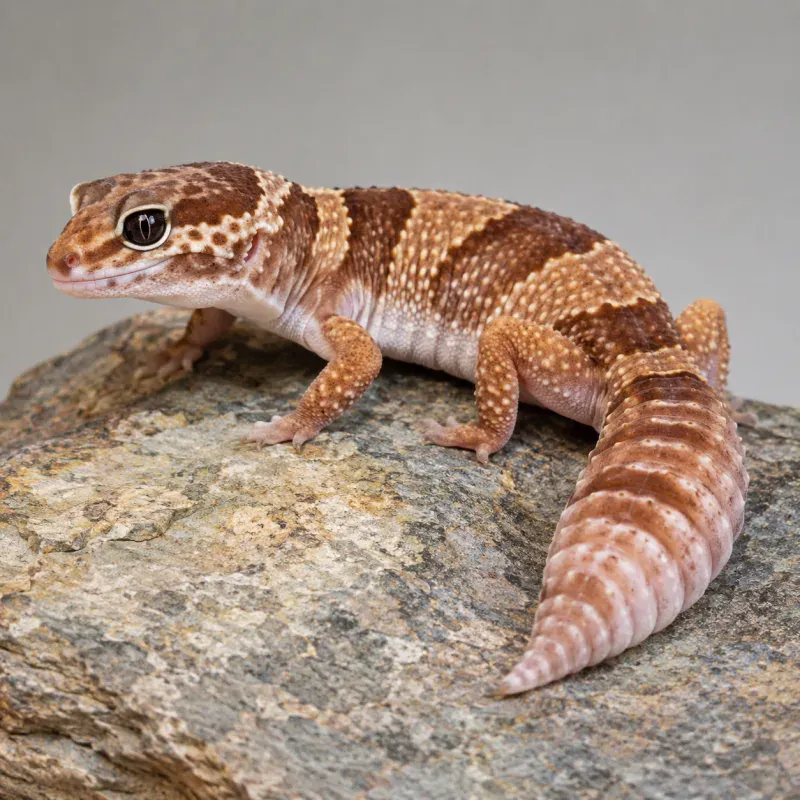
The African Fat-Tailed Gecko (Hemitheconyx caudicinctus) is a popular insectivorous reptile native to West Africa. Unlike leopard geckos, they require slightly higher humidity and a more varied insect diet. This comprehensive feeding guide covers everything from feeder insect selection to supplementation schedules, ensuring your gecko thrives at every life stage. With proper care, these geckos can live 15–20 years in captivity, and nutrition is the cornerstone of their long-term health.
Enclosure Setup for Optimal Feeding
A proper enclosure supports healthy feeding behavior. Use a 20-gallon long tank (30x12x12 inches) for one adult, or a 40-gallon for a pair. Provide at least two hides: a warm hide (88–92°F) and a cool, humid hide (75–80°F, 70–80% humidity). Line the floor with paper towels, slate tiles, or non-adhesive shelf liner for easy cleaning. Avoid loose substrates like sand or bark, which can cause impaction if ingested during feeding.
Step-by-Step Enclosure Setup for Feeding Success
- Choose the right tank size – A 20-gallon long is the minimum for one adult; a 40-gallon breeder is better for a pair or if you want more enrichment space.
- Lay a safe substrate – Use paper towels (easiest to clean), slate tiles, or non-adhesive shelf liner. If you prefer a natural look, use a reptile-safe substrate like coconut fiber, but only if you feed in a separate dish to avoid ingestion.
- Place hides strategically – Put the warm hide on the warm side (over the under-tank heater) and the humid hide on the cool side. The humid hide should contain moist sphagnum moss or paper towels.
- Add a feeding dish – Use a shallow, heavy dish that cannot be tipped over. This prevents insects from escaping and reduces substrate ingestion.
- Set up a thermometer and hygrometer – Place them at gecko level on both the warm and cool sides to monitor temperature and humidity accurately.
Heating & Lighting
African Fat-Tailed Geckos are nocturnal and do not require UVB lighting, but a low-level UVB (2–5%) can aid vitamin D3 synthesis if properly supplemented. Use an under-tank heater (UTH) on the warm side, regulated by a thermostat to 88–92°F. The cool side should remain 75–80°F. Nighttime temperatures can drop to 70–75°F. Avoid heat rocks, which can cause burns. Provide a 12-hour light cycle with a low-wattage bulb or ambient room light.
Setting Up Heating Safely
- Always use a thermostat with any heat source. A thermostat prevents overheating and potential burns.
- Place the UTH on the outside of the tank, under the warm side. Never place it inside the enclosure where the gecko can contact it directly.
- Use a temperature gun to verify surface temperatures in the warm hide — it should be 88–92°F.
- If using a low-level UVB bulb, keep it on for 8–10 hours a day. Do not use high-output UVB, which can cause eye damage in nocturnal species.
Humidity & Hydration
Maintain 60–80% humidity, especially in the humid hide. Mist the enclosure lightly each evening, and provide a shallow water dish. A hygrometer is essential. Proper humidity supports shedding and prevents respiratory issues. Always offer fresh, dechlorinated water.
How to Maintain Humidity
- Mist the enclosure once or twice daily, focusing on the humid hide and the cool side.
- Use a digital hygrometer to monitor levels accurately (analog hygrometers are often inaccurate).
- If humidity is too low, add a larger water dish or a damp substrate in the humid hide.
- If humidity is too high (above 80%), increase ventilation by partially opening the screen lid.
- Always use dechlorinated water — you can treat tap water with a reptile-safe dechlorinator or let it sit out for 24 hours.
Diet & Feeding Guide
Insect Feeders List
- Crickets – staple feeder, high protein, easy to gutload
- Dubia roaches – excellent nutrition, low odor, slower moving
- Black soldier fly larvae – high calcium, low fat
- Mealworms – high fat, treat only (limit to 2–3 per week)
- Waxworms – very high fat, occasional treat
- Silkworms – high moisture, great for hydration
- Hornworms – high moisture, treat only
Feeder Insect Comparison Table
| Feeder | Protein | Fat | Calcium | Moisture | Frequency |
|---|---|---|---|---|---|
| Crickets | High | Low | Low (unless gutloaded) | Medium | Staple |
| Dubia roaches | High | Medium | Medium | Medium | Staple |
| Black soldier fly larvae | High | Low | High (naturally) | Medium | Staple |
| Mealworms | Medium | High | Low | Low | Treat (2–3 per week) |
| Waxworms | Low | Very high | Low | High | Occasional treat |
| Silkworms | High | Low | Medium | High | Staple or treat |
| Hornworms | Medium | Low | Low | Very high | Treat only |
Gutloading Tips
Gutload feeder insects 24–48 hours before feeding. Use a commercial gutload or fresh vegetables: collard greens, kale, carrots, sweet potatoes, and oranges. Avoid iceberg lettuce (no nutrition) and spinach (binds calcium). Dust insects with calcium + D3 before every feeding, and with a multivitamin once a week.
How to Gutload Properly
- Place feeder insects in a shallow container with a lid and ventilation holes.
- Add a commercial gutload (e.g., Repashy Bug Burger) or a mix of fresh vegetables.
- Provide a moisture source — a slice of orange or a piece of carrot works well.
- Leave insects for 24–48 hours. Do not gutload longer than 48 hours as insects may die.
- After gutloading, dust the insects with supplements right before feeding.
Calcium & D3 Supplementation
- Calcium with D3 – dust at every feeding for juveniles, every other feeding for adults
- Calcium without D3 – provide in a small dish in the enclosure (optional)
- Multivitamin – dust once weekly (e.g., Repashy SuperVite or Zoo Med Reptivite)
Supplementation Schedule Table
| Age | Calcium with D3 | Multivitamin | Calcium without D3 (dish) |
|---|---|---|---|
| Hatchling (0–3 months) | Every feeding | Once weekly | Optional |
| Juvenile (3–6 months) | Every feeding | Once weekly | Optional |
| Subadult (6–12 months) | Every feeding | Once weekly | Optional |
| Adult (12+ months) | Every other feeding | Once weekly | Optional |
Feeding Frequency by Age
| Age | Feeding Frequency | Prey Size | Number per Feeding |
|---|---|---|---|
| Hatchling (0–3 months) | Daily | 1/4-inch crickets, small mealworms | 4–6 insects |
| Juvenile (3–6 months) | Every other day | 1/2-inch crickets, small dubia | 6–8 insects |
| Subadult (6–12 months) | Every 2–3 days | 3/4-inch crickets, medium dubia | 8–10 insects |
| Adult (12+ months) | Every 3–4 days | 1-inch crickets, large dubia | 6–8 insects |
Step-by-Step Feeding Routine
- Remove any uneaten insects from the previous feeding.
- Gutload the feeder insects 24–48 hours in advance.
- Dust the insects with calcium + D3 (or multivitamin once a week) in a small plastic bag or cup — shake gently to coat.
- Offer the insects using tongs or place them in a feeding dish. Do not release insects loose in the enclosure.
- Allow the gecko to eat for 10–15 minutes. Remove any uneaten insects after that time to prevent stress and bites.
- Clean the feeding dish with hot water and reptile-safe disinfectant weekly.
Feeding Troubleshooting
- Gecko refuses to eat – Check temperatures and humidity first. Stress (e.g., new enclosure, handling) can cause appetite loss. Wait 2–3 days before trying again. Offer a different feeder insect.
- Gecko is overweight – Reduce feeding frequency or prey size. Cut back on fatty treats like waxworms and mealworms.
- Gecko is underweight – Increase feeding frequency slightly, but don't overfeed. Ensure prey size is appropriate — too large can cause regurgitation.
- Regurgitation – Usually from handling too soon after feeding or prey too large. Wait at least 30 minutes after feeding before handling, and feed smaller insects.
Handling & Feeding Interaction
Handle your gecko gently and infrequently, especially after feeding. Wait at least 30 minutes after a meal to avoid regurgitation. Use a feeding dish or tongs to offer insects, avoiding hand-feeding to prevent accidental bites. Never grab the tail—fat-tailed geckos can drop their tails as a defense mechanism, and regrowth is slow and energy-intensive.
Safe Handling Practices
- Wait 2 weeks after acquiring a new gecko before handling to allow acclimation.
- Always wash your hands before and after handling to prevent the spread of bacteria.
- Support the gecko's body with both hands — never grip tightly.
- Keep handling sessions short (5–10 minutes) to minimize stress.
- Never handle during shedding — the gecko is vulnerable and may be more defensive.
Common Health Issues
- Metabolic Bone Disease (MBD) – caused by calcium deficiency; signs include tremors, soft jaw, and lethargy. Prevent with proper supplementation and UVB.
- Impaction – from ingesting loose substrate or large prey. Use paper towels or slate, and feed appropriately sized insects.
- Respiratory infections – from low humidity or drafts. Maintain 60–80% humidity and avoid sudden temperature drops.
- Tail loss – stress or rough handling. Keep the gecko calm and clean the wound; tail regrows in 1–3 months.
- Parasites – from wild-caught insects or unsanitary conditions. Only buy from reputable breeders, and clean the enclosure weekly.
Health Monitoring Tips
- Weigh your gecko monthly using a digital scale to track growth and detect weight loss early.
- Observe eating habits — a sudden decrease in appetite can signal illness.
- Check feces regularly for abnormalities (e.g., blood, undigested insects).
- Look for signs of dehydration (wrinkled skin, sunken eyes) and adjust humidity accordingly.
Common Mistakes to Avoid
- Overfeeding – leads to obesity and fatty liver disease. Stick to the feeding schedule.
- Under-supplementing – no calcium or D3 causes MBD. Always dust feeders.
- Using loose substrate – risk of impaction. Use solid flooring.
- Ignoring humidity – low humidity causes shedding problems and respiratory issues.
- Handling too soon – wait 2 weeks after acquisition for the gecko to acclimate.
- Feeding wild insects – may carry pesticides or parasites. Only use captive-bred feeders.
Additional Common Mistakes
- Feeding only one type of insect – Variety is key to balanced nutrition. Rotate between crickets, dubia roaches, and BSFL.
- Leaving insects in the enclosure – Crickets can bite your gecko and cause stress. Remove uneaten insects after 15 minutes.
- Using a heat rock – Heat rocks can cause severe burns. Always use a UTH with a thermostat.
- Not providing a humid hide – This is essential for shedding; without it, your gecko may develop stuck shed.
Comparison Table: African Fat-Tailed Gecko vs. Leopard Gecko Feeding
| Feature | African Fat-Tailed Gecko | Leopard Gecko |
|---|---|---|
| Preferred humidity | 60–80% | 30–40% |
| Staple feeders | Crickets, dubia roaches, BSFL | Crickets, mealworms, dubia |
| Feeding frequency (adult) | Every 3–4 days | Every 2–3 days |
| Supplementation | Calcium + D3 every feeding; multivitamin weekly | Calcium + D3 every other feeding; multivitamin weekly |
| Humid hide necessity | Essential for shedding | Beneficial but not mandatory |
Conclusion
Feeding an African Fat-Tailed Gecko is straightforward with a proper schedule, varied insect diet, and consistent supplementation. By following this guide, you’ll ensure your gecko receives balanced nutrition, avoids common health issues, and lives a long, healthy life (15–20 years). Always source feeders from reputable suppliers, maintain enclosure hygiene, and consult a reptile veterinarian for any concerns.
Frequently Asked Questions
How often should I feed my adult African Fat-Tailed Gecko?
Adult African Fat-Tailed Geckos (12+ months) should be fed every 3–4 days. Offer 6–8 appropriately sized insects (e.g., 1-inch crickets or large dubia roaches) per feeding. Overfeeding can lead to obesity and fatty liver disease, so stick to this schedule.
What insects can I feed my African Fat-Tailed Gecko?
Staple feeders include crickets, dubia roaches, and black soldier fly larvae. Silkworms are also a great staple due to their high moisture content. Mealworms (max 2–3 per week), waxworms, and hornworms should only be offered as occasional treats because of their high fat content.
Do I need to dust insects with calcium every time?
For juveniles (under 12 months), dust insects with calcium + D3 at every feeding. For adults, dust every other feeding. Additionally, dust with a multivitamin once a week. You can also provide a small dish of calcium without D3 in the enclosure, though this is optional.
Why is my African Fat-Tailed Gecko not eating?
Common causes include stress (e.g., new enclosure, recent handling), incorrect temperatures or humidity, or offering prey that is too large. Check that the warm side is 88–92°F and humidity is 60–80%. Wait 2–3 days before trying again, and offer a different feeder insect, such as dubia roaches instead of crickets.
Related Reading
- African Fat-Tailed Gecko Diet & Feeding Guide — A deeper dive into feeding schedules, prey sizes, and nutritional supplements.
- African Fat-Tailed Gecko Care: Complete Guide — Comprehensive care covering handling, health, and husbandry for this species.
- African Fat-Tailed Gecko Enclosure Setup — Learn how to set up the perfect habitat with heat, humidity, and hides.
- Reptile UVB Lighting Guide: Ferguson Zones & Bulb Selection — Understand UVB requirements and choose the right bulb for your gecko.
- African Fat-Tailed Gecko Morphs: Genetics & Prices — Explore popular morphs, their genetics, and current market prices.
Check optimal temps, calculate feeding, and find your perfect species match.
References
- Vosjoli, P. de (2004). The Herpetoculture of the African Fat-Tailed Gecko. Advanced Vivarium Systems.
- McKeown, S. (1996). A Field Guide to Reptiles and Amphibians of West Africa. Academic Press.
- Repashy, A. (2010). Repashy SuperVite Product Guide. Repashy Ventures.
🐾 Join the Community
See how other keepers set up their enclosures, ask questions, and share your experience.
🛠️ Apply What You Learned
Check optimal temps, calculate feeding schedules, and get calcium dosage — all personalized for your species.
Comments