African Fat-Tailed Gecko Morphs: Genetics & Prices
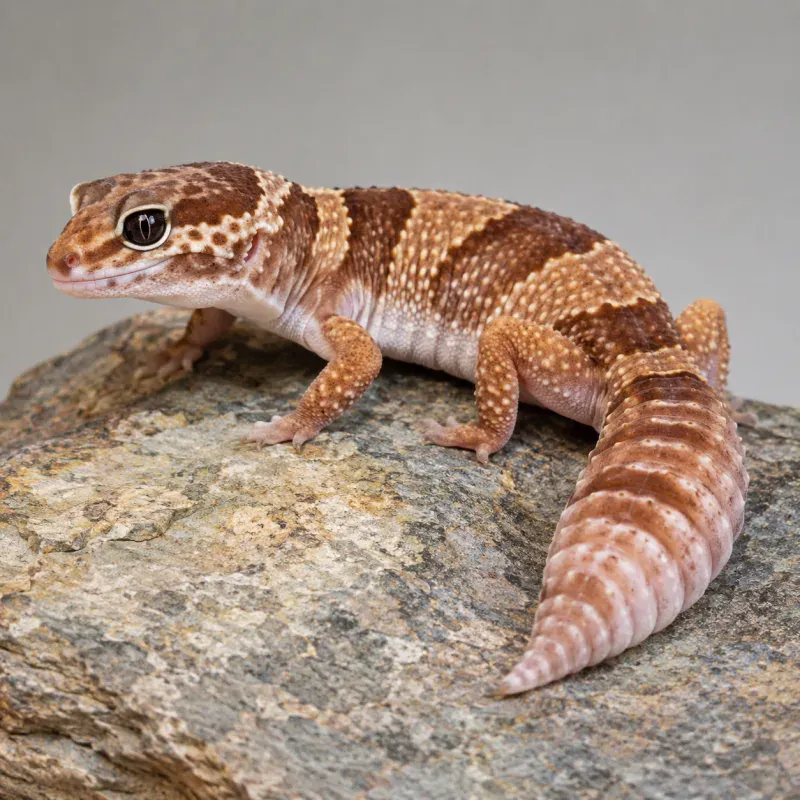
Introduction to African Fat-Tailed Gecko Morphs
The African fat-tailed gecko (Hemitheconyx caudicinctus) is a beloved pet reptile native to West Africa. These terrestrial, nocturnal geckos are known for their calm temperament, manageable size, and striking morphs. Over the past decade, selective breeding has produced a dazzling array of color and pattern variations, including patternless, striped, whiteout, oreo, zulu, and ghost morphs. This guide covers the genetics, pricing, and care requirements for each morph, helping you choose the perfect gecko for your collection.
All African fat-tailed geckos share similar care needs, but morphs can influence price and availability. Understanding the underlying genetics—recessive, dominant, or polygenic—will help you predict breeding outcomes and budget accordingly.
Morph Genetics Overview
African fat-tailed gecko morphs are typically controlled by simple recessive or dominant genes. Some are polygenic (influenced by multiple genes). Here’s a quick primer:
- Recessive morphs (e.g., patternless, ghost): Both parents must carry the gene for offspring to express the trait. Heterozygous animals (hets) appear normal but can produce morph offspring when paired with another het or visual morph.
- Dominant traits (e.g., whiteout): Only one copy of the gene is needed for expression. Breeding a whiteout to a normal yields 50% whiteout offspring.
- Polygenic traits (e.g., striped, zulu): Controlled by multiple genes, resulting in a spectrum of expression. Selective breeding enhances the pattern.
How to Determine Morph Genetics
When acquiring a gecko, always ask the breeder for the genetic background. For recessive morphs, a gecko that is “het” (heterozygous) carries one copy of the gene but looks normal. Breeding two hets statistically produces 25% visual morphs, 50% hets, and 25% normals. For dominant morphs, a visual animal may be heterozygous or homozygous; breeding a homozygous dominant to a normal yields 100% visual offspring. Polygenic traits are less predictable—expect a range of expressions and select for desired traits over generations.
Detailed Morph Descriptions, Genetics, and Pricing
Patternless Morph
Genetics: Recessive. The patternless gene eliminates all dorsal banding, creating a uniform brown, tan, or orange body. The tail retains a faint stripe or solid color.
Appearance: Solid body color ranging from caramel to reddish-brown. Some individuals show subtle speckling. Eyes are dark.
Pricing: $50–$150 for a visual morph. Hets for patternless cost $30–$60.
Breeding Patternless
Pair two visual patternless geckos to produce 100% patternless offspring. Alternatively, pair a visual with a het to get 50% visual and 50% hets. This morph is a great starting point for beginners interested in breeding.
Striped Morph
Genetics: Polygenic (selectively bred). Striped geckos have a continuous dorsal stripe from head to tail, often with reduced side patterning.
Appearance: A bold, unbroken stripe down the spine, typically orange or yellow against a dark brown background. Tail may have alternating bands.
Pricing: $75–$200 depending on stripe quality and color intensity.
Selecting for Stripe Quality
When breeding striped geckos, choose individuals with the most continuous and vibrant stripe. Avoid those with broken or faded stripes, as these traits can be passed on. Over several generations, you can stabilize a high-quality striped line.
Whiteout Morph
Genetics: Dominant. Whiteout geckos have a white or cream base color with dark speckling and reduced banding.
Appearance: Pale body with black, brown, or orange flecks. Eyes are dark. The tail is often solid cream.
Pricing: $150–$350. Dominant morphs are rarer and command higher prices.
Breeding Whiteout
Since whiteout is dominant, breeding a visual whiteout to a normal yields approximately 50% whiteout offspring. If you breed two whiteouts, some offspring may be homozygous (super whiteout), which often have an even paler appearance.
Oreo Morph
Genetics: Recessive. Oreo geckos display a dark brown or black body with white or cream patches, resembling an Oreo cookie.
Appearance: High-contrast marbled pattern. The tail is often banded. Some individuals have white heads.
Pricing: $200–$500. Rare and highly sought after.
Breeding Oreo
Oreo is recessive, so pair two visual oreos for 100% oreo offspring, or a visual with a het for 50% oreo and 50% hets. Due to their high value, many breeders use hets to expand their lines without investing heavily in visuals.
Zulu Morph
Genetics: Polygenic. Zulu geckos have a distinctive “zigzag” dorsal pattern and bright orange or yellow coloration.
Appearance: Bold, irregular bands that break into a zigzag along the spine. High-contrast with vivid orange hues.
Pricing: $100–$300 depending on pattern quality.
Enhancing Zulu Pattern
Zulu is polygenic, so breeding two high-quality zulus increases the chance of producing exceptional offspring. Look for intense orange coloration and well-defined zigzag patterns. Avoid pairing zulus with patternless or ghost, as these can dilute the pattern.
Ghost Morph
Genetics: Recessive. Ghost geckos have reduced melanin, resulting in a pale, silvery-gray body with faint banding.
Appearance: Soft, muted tones with a ghostly sheen. Eyes are dark. The tail is often solid gray.
Pricing: $80–$200. Hets for ghost cost $40–$70.
Breeding Ghost
Ghost is recessive, so breeding two visuals yields 100% ghost offspring. Ghost geckos are often used to create “double morphs” when combined with other recessive traits, such as patternless ghost or oreo ghost.
Morph Comparison Table
| Morph | Genetics | Key Features | Typical Price Range |
|---|---|---|---|
| Patternless | Recessive | Solid body, no dorsal bands | $50–$150 |
| Striped | Polygenic | Continuous dorsal stripe, reduced side pattern | $75–$200 |
| Whiteout | Dominant | White/cream base with dark speckling | $150–$350 |
| Oreo | Recessive | Dark body with white patches, marbled | $200–$500 |
| Zulu | Polygenic | Zigzag dorsal pattern, bright orange | $100–$300 |
| Ghost | Recessive | Pale gray, reduced melanin | $80–$200 |
Enclosure Setup for African Fat-Tailed Geckos
All morphs require identical housing. A 20-gallon long tank (30″x12″x12″) is suitable for one adult. Use a secure mesh lid for ventilation. Substrate options include paper towels (for quarantine), coconut fiber, or a 70/30 mix of topsoil and play sand. Provide at least two hides: one warm (88–92°F) and one cool (70–75°F). A humid hide filled with sphagnum moss aids shedding.
Decorate with cork bark, driftwood, and silk plants. African fat-tailed geckos are nocturnal, so no UVB is required, but low-level ambient lighting (5–10% UVB) can be used for day/night cycles. Avoid bright lights.
Step-by-Step Enclosure Setup
- Choose a 20-gallon long tank or larger for a single adult. For a pair, use a 40-gallon breeder.
- Clean the tank with a reptile-safe disinfectant and rinse thoroughly.
- Add a substrate layer of 1–2 inches. For juveniles, use paper towels to prevent impaction.
- Place a warm hide on the warm side, a cool hide on the cool side, and a humid hide in the middle or warm side.
- Add décor: cork bark, driftwood, and silk plants for climbing and hiding.
- Install a hygrometer and thermometer to monitor conditions.
- Set up heating (see below) and allow the enclosure to stabilize for 24 hours before adding your gecko.
Heating and Lighting
Use an under-tank heater (UTH) or ceramic heat emitter (CHE) on a thermostat. The warm side should be 88–92°F, cool side 70–75°F. Nighttime temps can drop to 65°F. No special lighting is needed; a 12-hour day/night cycle from room lights is sufficient. If using UVB, keep it on for 6–8 hours daily.
Choosing the Right Heat Source
Under-tank heaters are ideal for belly heat, which aids digestion. Place the UTH on one side of the tank, covering about one-third of the floor. Ceramic heat emitters are better for raising ambient temperatures in cooler rooms. Always connect the heat source to a thermostat to prevent overheating. Avoid heat rocks, which can cause burns.
Humidity and Hydration
Maintain 60–80% humidity. Mist the enclosure daily, especially the humid hide. Use a hygrometer to monitor. Provide a shallow water dish; geckos will drink droplets from leaves. Signs of low humidity include stuck shed and lethargy.
Creating a Humid Hide
Fill a small container with moist sphagnum moss or paper towels. Place it on the warm side so the humidity evaporates, creating a microclimate. Check the moss daily and re-mist as needed. Replace the moss weekly to prevent mold growth.
Diet and Feeding
Feed live insects: crickets, dubia roaches, and mealworms. Dust insects with calcium powder (without D3) every feeding, and with a multivitamin once a week. Juveniles eat daily; adults eat every 2–3 days. Offer 4–6 appropriately sized insects per feeding. Remove uneaten insects after 15 minutes.
Gut-load insects 24 hours before feeding with leafy greens and commercial gut-load formulas. Avoid wild-caught insects due to pesticide risk.
Feeding Schedule by Age
| Age | Frequency | Insect Size | Number per Feeding |
|---|---|---|---|
| Juvenile (0–6 months) | Daily | 1/4-inch crickets or small dubias | 4–6 |
| Subadult (6–12 months) | Every other day | 1/2-inch crickets or medium dubias | 5–8 |
| Adult (12+ months) | Every 2–3 days | 3/4-inch crickets or large dubias | 4–6 |
Handling and Temperament
African fat-tailed geckos are docile and tolerate handling well. Start by letting the gecko walk onto your hand; never grab. Support the body fully. Handle for 5–10 minutes initially, gradually increasing to 15–20 minutes. Wash hands before and after. Avoid handling during shedding or after feeding.
These geckos rarely bite; if stressed, they may tail-whip or vocalize. Respect their boundaries.
Building Trust
New geckos need time to acclimate. Wait at least one week before handling. Start with short sessions, placing your hand flat in the enclosure and letting the gecko approach. Move slowly and avoid sudden movements. Over time, your gecko will associate you with safety.
Common Health Issues
- Metabolic bone disease (MBD): Caused by calcium deficiency. Symptoms include tremors, soft jaw, and lethargy. Prevent with proper supplementation and UVB.
- Respiratory infections: Wheezing, bubbles from nose. Caused by low temperatures or high humidity. Treat with vet-prescribed antibiotics.
- Stuck shed: Often on toes or tail. Increase humidity and provide a humid hide. Soak in shallow warm water if needed.
- Parasites: Internal (protozoa) or external (mites). Quarantine new animals and have fecal exams done annually.
Recognizing Early Signs of Illness
Monitor your gecko daily for changes in appetite, activity, or stool. Weight loss, sunken eyes, or a thin tail can indicate illness. If you notice any concerning signs, consult a reptile veterinarian immediately. Early intervention improves outcomes.
What Not to Do
- Overhandling: Stresses the gecko. Limit sessions to 15 minutes daily.
- Improper temperatures: Too cold causes impaction and respiratory issues. Always use a thermostat.
- Using loose substrate for juveniles: Risk of impaction. Use paper towels until 6 months old.
- Skipping quarantine: New geckos should be isolated for 30–60 days to prevent disease spread.
- Ignoring humidity: Low humidity leads to shedding problems. Mist daily.
Breeding Morphs: Tips for Success
Breeding morphs requires understanding genetics. For recessive morphs (patternless, oreo, ghost), pair two visual morphs or a visual with a het. For dominant morphs (whiteout), pair a visual with a normal. Polygenic morphs (striped, zulu) require selective breeding over generations.
Brumate geckos at 60–65°F for 6–8 weeks before breeding. Females lay 2 eggs per clutch, up to 6 clutches per season. Incubate at 82–86°F for 50–70 days. Hatchlings are tiny (3–4 inches) and require small prey.
Brumation Protocol
- Gradually reduce temperatures and photoperiod over two weeks.
- Stop feeding 1–2 weeks before brumation to allow digestion.
- Maintain brumation temps of 60–65°F for 6–8 weeks.
- Slowly warm up and offer food after brumation.
Incubation and Hatchling Care
Use an incubator with a thermostat. Place eggs in a container with vermiculite and water (1:1 ratio by weight). Check weekly for mold. At hatching, provide small crickets or tiny dubia roaches dusted with calcium. Keep hatchlings on paper towels in a smaller enclosure with similar temperature and humidity gradients.
Frequently Asked Questions
What is the easiest morph to care for?
All African fat-tailed gecko morphs require identical care. However, patternless and ghost morphs are often recommended for beginners because they are more affordable and widely available, making them easier to source and replace if issues arise.
Can different morphs be housed together?
Yes, but only if they are similar in size and you provide enough space. A 40-gallon breeder can house a pair. Never house two males together, as they will fight. Always quarantine new geckos for 30–60 days before introducing them.
How long do African fat-tailed geckos live?
With proper care, African fat-tailed geckos can live 15–20 years in captivity. This makes them a long-term commitment. Ensure you are prepared for the lifespan before purchasing.
Do morphs affect temperament?
No, morphs do not influence temperament. All African fat-tailed geckos are known for their calm and docile nature. Individual personality varies more than morph-based differences.
Related Reading
- African Fat-Tailed Gecko Care: Complete Guide — Master essential husbandry, handling, and health basics for your fat-tailed gecko.
- African Fat-Tailed Gecko Diet & Feeding Guide — Learn proper feeders, schedules, and supplements to keep your gecko thriving.
- African Fat-Tailed Gecko Enclosure Setup — Discover ideal tank size, substrate, heating, and hides for a stress-free habitat.
- 30 Ball Python Morphs: Types, Prices & Genetics (2026 Guide) — Compare popular ball python morphs, their genetic traits, and current market prices.
- Reptile UVB Lighting Guide: Ferguson Zones & Bulb Selection — Understand UVB requirements and choose the right bulb for your reptile's species.
Check optimal temps, calculate feeding, and find your perfect species match.
References
- de Vosjoli, P. (2004). The Herpetoculture of Leopard Geckos and African Fat-Tailed Geckos. Advanced Vivarium Systems.
- McLeod, L. (2021). African Fat-Tailed Gecko Care Sheet. The Spruce Pets.
- Repashy, A. (2010). Leopard Gecko and African Fat-Tailed Gecko Morph Guide. Repashy Ventures.
🐾 Join the Community
See how other keepers set up their enclosures, ask questions, and share your experience.
🛠️ Apply What You Learned
Check optimal temps, calculate feeding schedules, and get calcium dosage — all personalized for your species.
Comments
No account needed — corrections, updates and questions are all welcome. For a full question with photos, the community Q&A is the better place.