Veiled Chameleon Health & Supplement Guide
Introduction
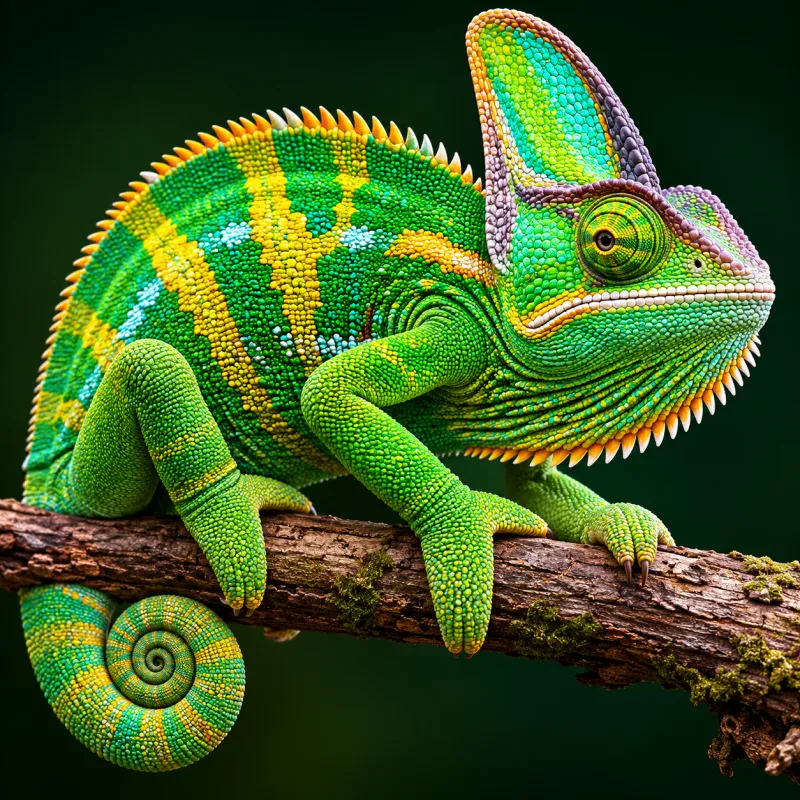
Veiled chameleons (Chamaeleo calyptratus) are among the most popular pet chameleons, but their health hinges on precise supplementation and environmental management. This guide covers calcium scheduling, MBD prevention, eye infections, dehydration signs, and vitamin balance—critical knowledge for any keeper. Proper care reduces common health issues and extends lifespan.
Calcium Supplementation Scheduling
Calcium is vital for bone density, muscle function, and egg production in females. Without proper supplementation, veiled chameleons develop metabolic bone disease (MBD). Use a calcium powder without D3 at most feedings, and a calcium with D3 once or twice weekly. Phosphorus-free products are essential—avoid those with added phosphorus.
Supplementation Schedule
| Age Group | Calcium (no D3) | Calcium with D3 | Multivitamin (with preformed Vitamin A) |
|---|---|---|---|
| Juveniles (0–6 months) | Every feeding | 1x weekly | 1x weekly |
| Sub-adults (6–12 months) | Every feeding | 1x weekly | 1x weekly |
| Adults (>12 months) | Every feeding | 1–2x weekly | 1–2x monthly |
| Gravid females | Every feeding | 2x weekly | 1x weekly |
Always dust feeder insects lightly—excess powder can cause impaction. Use a separate dish or cup for dusting to avoid substrate ingestion.
MBD Prevention
Metabolic bone disease results from calcium deficiency, improper UVB lighting, or vitamin D3 imbalance. Symptoms include swollen limbs, soft jaw, tremors, and inability to grip. Prevention requires three pillars:
- UVB Lighting: Use a linear UVB bulb (e.g., ReptiSun 5.0 or Arcadia 6%) placed 6–8 inches from the basking spot, with no glass or plastic blocking UVB. Replace bulbs every 6–12 months as output degrades.
- Calcium Supplementation: Follow the schedule above. Gut-load feeder insects 24–48 hours before feeding with calcium-rich foods like collard greens, mustard greens, and carrots.
- Dietary Variety: Crickets, dubia roaches, black soldier fly larvae, and occasional hornworms provide balanced nutrition. Avoid wild-caught insects (pesticide risk).
If MBD is suspected, consult a reptile veterinarian immediately. Treatment includes injectable calcium and UVB correction, but prevention is far more effective.
Eye Infections
Eye infections in veiled chameleons are often caused by vitamin A deficiency, particulate substrate (e.g., sand), or bacterial infections from poor hygiene. Signs include closed eyes, discharge, swelling, or rubbing against branches.
Prevention and Treatment
- Vitamin A Balance: Use a multivitamin with preformed vitamin A (retinol, retinyl acetate) rather than beta-carotene, which chameleons convert poorly. Dust feeders with a reptile-specific multivitamin once weekly for juveniles, once or twice monthly for adults.
- Substrate: Avoid loose substrates like sand or small bark. Use paper towels, reptile carpet, or bioactive soil with a drainage layer. Mist the enclosure to maintain humidity but avoid standing water.
- Hygiene: Clean water dishes and decor weekly. Remove feces and uneaten insects daily. Quarantine new chameleons for 30 days.
For active infections, flush the eye with sterile saline solution and apply a reptile-safe antibiotic ointment (e.g., Terramycin) if prescribed by a vet. Systemic antibiotics may be needed for severe cases.
Dehydration Signs and Management
Veiled chameleons are prone to dehydration due to their low-drinking habits. They rely on water droplets from leaves. Signs include sunken eyes, wrinkled skin, thick saliva, lethargy, and orange urates (normal urates are white/cream).
Prevention Strategies
- Misting: Mist the enclosure 2–3 times daily for 2–5 minutes each time, ensuring water droplets form on leaves. Use a pressure sprayer or automatic misting system.
- Dripper: Provide a slow drip system (e.g., a cup with a small hole) over a plant leaf for 30–60 minutes daily. Chameleons are attracted to moving water.
- Humidity: Maintain 50–70% humidity during the day, with spikes to 80–90% after misting. Use a hygrometer to monitor. Low humidity accelerates dehydration.
- Hydration Check: Offer water by gently dripping on the snout with a syringe (no needle) if the chameleon is weak. Never force water—aspiration risk is high.
If dehydration persists, a vet may administer subcutaneous fluids. Correct underlying causes like low humidity or insufficient misting.
Vitamin Balance: A and D3
Vitamin A and D3 are critical but easily overdosed. Vitamin A deficiency causes eye issues, skin problems, and weakened immunity. Toxicity leads to liver damage. Use a multivitamin with preformed vitamin A (e.g., Repashy Calcium Plus) at the recommended frequency. Avoid products with beta-carotene as the sole source.
Vitamin D3 is synthesized from UVB exposure. Over-supplementation with D3 can cause hypercalcemia and kidney damage. Use calcium with D3 only 1–2 times weekly, and ensure UVB lighting is adequate. If using a mercury vapor bulb (which emits UVB), reduce D3 supplementation further.
Gut-loading with vitamin-rich vegetables (e.g., kale, sweet potato) provides natural micronutrients. Rotate feeder species to avoid nutritional imbalances.
Common Health Issues
Beyond MBD, eye infections, and dehydration, veiled chameleons face:
- Stomatitis (Mouth Rot): Swollen gums, pus, or refusal to eat. Caused by bacterial infection from dirty enclosures or injuries. Treatment includes antibiotics and debridement by a vet.
- Egg Binding (Dystocia): Females may retain eggs. Provide a laying bin with moist sand/soil and reduce stress. Signs include lethargy and straining. Veterinary intervention may require oxytocin or surgery.
- Respiratory Infections: Wheezing, open-mouth breathing, or bubbles from nostrils. Caused by low temperatures or high humidity. Raise basking temp to 85–90°F and reduce humidity. Vet-prescribed antibiotics are often needed.
- Parasites: Coccidia, pinworms, or mites. Fecal exams twice yearly are recommended. Treat with appropriate medications under vet guidance.
The Most Common Problems
Avoid these pitfalls to keep your veiled chameleon healthy:
- Over-supplementation: Using calcium with D3 at every feeding leads to toxicity. Stick to the schedule.
- Incorrect UVB: Using compact bulbs or placing linear bulbs too far away reduces effectiveness. Measure distance with a UVB meter if possible.
- Poor Hydration: Relying on a water bowl instead of misting. Chameleons rarely recognize standing water.
- Improper Enclosure: Glass tanks with poor ventilation cause respiratory infections. Use a screen enclosure (minimum 2x2x4 feet for adults).
- Handling Stress: Frequent handling stresses chameleons, leading to illness. Limit handling to necessary vet visits or enclosure maintenance.
Comparison of Supplement Products
| Product | Calcium Type | Vitamin A Source | D3 Content | Best For |
|---|---|---|---|---|
| Repashy Calcium Plus | Calcium carbonate | Retinyl acetate (preformed) | Yes | All-around, balanced |
| Zoo Med Repti Calcium (no D3) | Calcium carbonate | None | No | Daily dusting |
| Zoo Med Repti Calcium with D3 | Calcium carbonate | None | Yes | Weekly D3 boost |
| Arcadia EarthPro-A | Calcium carbonate | Beta-carotene (less effective) | Yes | Gut-loading supplement |
| Sticky Tongue Farms Miner-All | Calcium carbonate | None | No | Pure calcium |
Choose a product with preformed vitamin A for best results. Rotate between calcium-only and multivitamin products to avoid imbalances.
Final Tips
Regularly monitor your veiled chameleon's weight, urates color, and activity level. Keep a log of supplementation dates and enclosure parameters. Work with a reptile-experienced veterinarian for annual check-ups and fecal exams. With proper calcium scheduling, MBD prevention, and attention to eye infections, dehydration, and vitamin balance, your veiled chameleon can thrive for 5–8 years in captivity.
Related Reading
Check optimal temps, calculate feeding, and find your perfect species match.
References
- de Vosjoli, P. (2004). The Chameleon Handbook. Barron's Educational Series.
- Hess, L. (2018). Reptile Medicine and Surgery in Clinical Practice. Wiley-Blackwell.
- McArthur, S., Wilkinson, R., & Meyer, J. (2004). Medicine and Surgery of Tortoises and Turtles. Blackwell Publishing.
- Mader, D. R. (2006). Reptile Medicine and Surgery (2nd ed.). Saunders Elsevier.
- Arcadia Reptile. (2023). UVB Lighting Guide for Reptiles. Arcadia Products.
- Repashy Ventures. (2022). Supplementation Protocols for Reptiles. Repashy.com.
🐾 Join the Community
See how other keepers set up their enclosures, ask questions, and share your experience.
🛠️ Apply What You Learned
Check optimal temps, calculate feeding schedules, and get calcium dosage — all personalized for your species.
Comments
No account needed — corrections, updates and questions are all welcome. For a full question with photos, the community Q&A is the better place.