Panther Chameleon Health & Supplements
Introduction
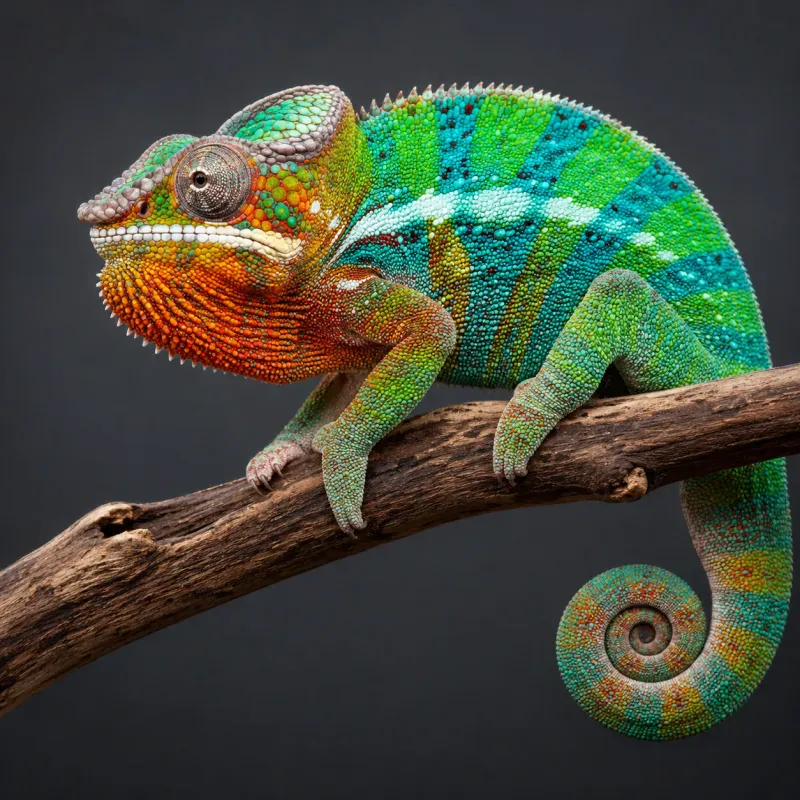
Panther chameleons (Furcifer pardalis) are among the most stunning reptiles in captivity, but their specialized health needs make proper supplementation and hydration critical. This guide provides a comprehensive, evidence-based approach to calcium schedules, vitamin rotation, dehydration prevention, and common health issues. Whether you're a beginner or experienced keeper, these protocols will help your panther chameleon thrive.
Native to the coastal rainforests of Madagascar, panther chameleons have evolved to receive intense UVB exposure and a highly varied insect diet. Replicating these conditions in captivity requires deliberate, consistent effort. This expanded guide dives deeper into each health pillar, offering step-by-step instructions, troubleshooting advice, and comparative tables so you can confidently manage your chameleon's wellbeing.
Calcium Supplementation: A Schedule That Works
Panther chameleons require consistent calcium supplementation to prevent metabolic bone disease (MBD). The key is balancing frequency and form. Calcium is essential for nerve function, muscle contraction, and bone density. In captivity, feeder insects naturally have an inverted calcium-to-phosphorus ratio (low calcium, high phosphorus), making dusting non-negotiable.
Calcium Types
- Calcium carbonate: Most common, high elemental calcium (40%). Best for daily use. It is derived from limestone or oyster shells and provides a rapid, bioavailable calcium boost.
- Calcium gluconate: Lower calcium content (9%), but highly absorbable. Use sparingly, typically for emergency treatment under veterinary guidance.
- Calcium with D3: Essential for chameleons with limited UVB exposure. Use 2–3 times weekly. Vitamin D3 facilitates calcium absorption in the gut; without it, even high-calcium diets can lead to deficiency.
Recommended Schedule
| Age | Calcium (no D3) | Calcium with D3 | Multivitamin |
|---|---|---|---|
| Juveniles (0–6 months) | Every feeding | 2× weekly | 1× weekly |
| Subadults (6–12 months) | Every feeding | 2× weekly | 1× weekly |
| Adults (12+ months) | Every other feeding | 1–2× weekly | 1× every 2 weeks |
| Gravid females | Every feeding | 3× weekly | 1× weekly |
Pro tip: Dust feeder insects lightly — a thin coating is sufficient. Over-supplementation can cause kidney damage or gout. A good rule of thumb: if you can see the powder on the insect, it's too much. Shake off excess dust in a container before offering.
How to Dust Feeders Correctly
- Place 5–10 feeder insects (crickets, roaches, silkworms) into a small plastic cup or bag.
- Add a pinch of calcium powder (about the size of a pea for 10 insects).
- Gently swirl or shake until insects are lightly coated. Avoid creating thick clumps.
- Offer immediately to your chameleon. Dusted insects that sit for more than 15 minutes lose their coating.
Signs of Calcium Deficiency
- Muscle twitching or tremors
- Weak grip when climbing
- Soft or bent jaw (rubber jaw)
- Bowed limbs
- Lethargy and reduced appetite
If you notice any of these, increase calcium frequency and check your UVB bulb. Consult a reptile vet if symptoms persist.
Vitamin Rotation: Avoiding Toxicity
Fat-soluble vitamins (A, D3, E) can accumulate to toxic levels if overused. Rotating between a multivitamin and a pure calcium/D3 supplement prevents imbalances. Unlike water-soluble vitamins, excess fat-soluble vitamins are stored in the liver and fatty tissues, making overdose a real risk.
Vitamin A and Beta-Carotene
Panther chameleons convert beta-carotene poorly. Use a multivitamin containing preformed vitamin A (retinol) once weekly for juveniles, biweekly for adults. Signs of hypervitaminosis A include swollen eyelids, lethargy, and skin lesions. Conversely, vitamin A deficiency causes eye problems, respiratory issues, and poor skin health. A balanced multivitamin with retinol is the safest way to meet this need.
Vitamin D3 and UVB
UVB lighting (5.0 or 6% T5 HO bulb) allows endogenous D3 synthesis. Reduce calcium with D3 to 1–2 times weekly if UVB is optimal. Without UVB, use D3 at every other feeding to prevent deficiency. The relationship between UVB and D3 is delicate: too much UVB can cause skin burns, while too little leads to MBD. Provide a UVB gradient with a basking branch placed 6–8 inches below the bulb (for T5 HO) or 10–12 inches (for T8).
Sample Rotation Plan
- Monday: Calcium (no D3) + feeders
- Wednesday: Calcium with D3 + feeders
- Friday: Multivitamin + feeders
- Sunday: No supplement (gut-loaded feeders only)
Adjust based on age and reproductive status. For example, gravid females need more calcium and D3, so you might add an extra calcium-with-D3 day. Juveniles require more frequent multivitamin use for growth.
Why Rotation Matters
Over-supplementing vitamin D3 can lead to hypercalcemia (excess calcium in the blood), which causes kidney damage and soft tissue calcification. Similarly, excess vitamin A can cause liver damage and bone deformities. By rotating supplements, you ensure your chameleon gets a spectrum of nutrients without exceeding safe levels.
Hydration Strategies: Preventing Dehydration
Dehydration is the #1 cause of illness in captive chameleons. Panther chameleons drink only from moving water droplets — never from a bowl. In the wild, they lap dew and rain from leaves. In captivity, you must recreate this with misting and drip systems.
Essential Hydration Tools
- Misting system: Automated misting 4–6 times daily for 2–3 minutes each. Use reverse osmosis or dechlorinated water. Systems like MistKing or Exo Terra Monsoon are popular. Position nozzles to create a fine mist that coats leaves and branches.
- Drip system: A slow drip (1 drop per second) over leaves for 30–60 minutes daily. You can make a simple dripper from a plastic cup with a pinhole or purchase a commercial dripper.
- Hand misting: Supplement with a spray bottle, targeting leaves and the chameleon's face. This is especially useful for new chameleons that are adjusting.
Signs of Dehydration
- Sunken eyes (most reliable indicator)
- Thick, sticky saliva
- Lethargy, reduced appetite
- Wrinkled skin, retained shed
Hydration tip: Monitor urates in feces. White, chalky urates = well-hydrated. Yellow or orange urates = dehydrated — increase misting frequency. If urates are brown or black, seek veterinary care immediately, as this indicates severe dehydration or kidney issues.
Step-by-Step Misting Routine
- Mist early morning (before lights on) to simulate dew.
- Mist again mid-morning and early afternoon.
- Mist once more in the late afternoon.
- Allow the enclosure to dry completely between mistings to prevent respiratory infections.
- Use a hygrometer to maintain humidity between 50–70% during the day, with spikes up to 90–100% after misting.
Troubleshooting Dehydration
- Chameleon not drinking: Ensure water droplets are large enough to be visible. Some chameleons prefer drinking from a specific leaf — observe and adjust.
- Low humidity: Increase misting frequency or add a live plant to hold moisture.
- Hard water spots: Use RO or dechlorinated water to avoid mineral buildup on leaves.
Common Health Issues and Prevention
Metabolic Bone Disease (MBD)
Causes: Calcium deficiency, inadequate UVB, or improper D3 supplementation. Symptoms: Soft jaw, bowed limbs, tremors, lethargy. Prevention: Follow calcium schedule; use UVB bulb replaced every 6–12 months; provide basking spot at 85–90°F. MBD is often irreversible once deformities occur, so prevention is critical.
Stomatitis (Mouth Rot)
Causes: Bacterial infection from injury or poor hygiene. Symptoms: Swollen gums, pus, reluctance to eat. Prevention: Maintain clean enclosure, avoid sharp decor, quarantine new animals. If you notice mouth rot, isolate the chameleon and seek veterinary treatment with antibiotics.
Respiratory Infection
Causes: Low temperatures, high humidity, or drafts. Symptoms: Open-mouth breathing, wheezing, nasal discharge. Prevention: Keep ambient temps 75–80°F, avoid misting at night, ensure ventilation. Respiratory infections can progress quickly; immediate vet care is essential.
Parasites
Causes: Wild-caught specimens or contaminated feeders. Symptoms: Weight loss, diarrhea, regurgitation. Prevention: Quarantine new animals; fecal exam every 6 months; buy captive-bred chameleons from reputable breeders. Parasites like coccidia and pinworms are common in wild-caught individuals.
Supplement Comparison Table
| Brand | Type | Key Features | Best For |
|---|---|---|---|
| Repashy Calcium Plus | All-in-one | Contains calcium, D3, vitamins A & E, beta-carotene | Daily use with UVB |
| Zoo Med Repti Calcium | Calcium (no D3) | Ultra-fine powder, phosphorus-free | Daily dusting |
| Sticky Tongue Farms Miner-All | Calcium with D3 | Vitamin D3, calcium, trace minerals | 2–3× weekly |
| Arcadia EarthPro-A | Multivitamin | Preformed vitamin A, bee pollen, probiotics | Weekly rotation |
Choosing the Right Supplement
When selecting a supplement, look for one that is phosphorus-free (calcium) and contains vitamin D3 in the correct proportion. For multivitamins, ensure it provides preformed vitamin A (retinol) rather than only beta-carotene. Avoid supplements with added sugar or artificial colors.
What Not to Do
- Over-misting: Constant wetness causes respiratory infections. Allow enclosure to dry between mistings.
- Using calcium with D3 daily: Leads to hypercalcemia, kidney damage, and soft tissue calcification.
- Ignoring UVB bulb replacement: UVB output drops after 6 months even if bulb still glows. Replace every 6–12 months as per manufacturer guidelines.
- Feeding only crickets: Gut-load and rotate with roaches, silkworms, and hornworms for balanced nutrition. Crickets alone are low in calcium and high in phosphorus.
- Not providing a temperature gradient: Chameleons need a basking spot (85–90°F) and cool end (70–75°F) to thermoregulate. Without a gradient, they cannot digest properly or regulate their immune system.
- Using tap water for misting: Chlorine and heavy metals can accumulate. Always use RO or dechlorinated water.
- Skipping quarantine for new animals: Always quarantine new chameleons for 30–45 days to prevent disease spread.
Advanced Care: Reproductive Health and Aging
Gravid Females
Gravid (pregnant) females require extra calcium and D3 to support egg development. Increase calcium with D3 to 3× weekly and provide a laying bin with moist vermiculite or sand. Monitor for egg binding (dystocia), which is a medical emergency. Signs include lethargy, straining, and lack of appetite.
Senior Chameleons
As chameleons age (typically 5–7 years), their metabolism slows. Reduce feeding frequency and adjust supplementation to prevent obesity and kidney strain. Regular veterinary check-ups become even more important.
Conclusion
Panther chameleon health hinges on precise supplementation and hydration. By following a calcium schedule, rotating vitamins, and maintaining proper humidity and misting routines, you can prevent most common diseases. Always source captive-bred animals and consult a reptile veterinarian for any health concerns. With diligent care, your panther chameleon will reward you with vibrant colors and a long, healthy life.
Frequently Asked Questions
How often should I dust feeder insects with calcium for an adult panther chameleon?
Adult panther chameleons (12+ months) should receive calcium without D3 every other feeding, calcium with D3 1–2 times weekly, and a multivitamin once every two weeks. Always dust lightly to avoid over-supplementation.
What are the first signs of metabolic bone disease in panther chameleons?
Early signs include muscle tremors, weak grip, soft or bent jaw, bowed limbs, and lethargy. If you notice these, increase calcium frequency, check your UVB bulb, and consult a reptile veterinarian immediately.
Can I use a water bowl for my panther chameleon?
No. Panther chameleons drink only from moving water droplets. They do not recognize standing water in bowls. Use a misting system or drip system to provide hydration.
How do I know if my panther chameleon is dehydrated?
Look for sunken eyes, thick sticky saliva, lethargy, reduced appetite, wrinkled skin, or retained shed. Also check urates in feces: white and chalky indicates good hydration; yellow or orange indicates dehydration, requiring increased misting frequency.
Related Reading
- Panther Chameleon Care: Advanced Guide — Covers overall husbandry essentials to complement your health-focused care routine.
- Panther Chameleon Feeding: Insects & Gutloading — Learn proper insect nutrition and gutloading to support your chameleon's health.
- Panther Chameleon Enclosure: Cage & Plants — Discover ideal cage setup and plant choices that promote wellness and reduce stress.
- Reptile UVB Lighting Guide: Ferguson Zones & Bulb Selection — Understand UVB requirements crucial for vitamin D3 synthesis and overall health.
- Panther Chameleon Morphs: Ambilobe, Nosy Be & Ambanja — Explore popular morphs and how their origins may influence care needs and health.
Check optimal temps, calculate feeding, and find your perfect species match.
References
- Arcadia (2023). EarthPro-A Supplement Guide. Arcadia Reptile.
- Repashy (2022). Calcium Plus Product Information. Repashy Ventures.
- Sticky Tongue Farms (2021). Miner-All Supplement Overview. Sticky Tongue Farms.
- Zoo Med (2020). Repti Calcium Product Manual. Zoo Med Laboratories.
🐾 Join the Community
See how other keepers set up their enclosures, ask questions, and share your experience.
🛠️ Apply What You Learned
Check optimal temps, calculate feeding schedules, and get calcium dosage — all personalized for your species.
Comments
No account needed — corrections, updates and questions are all welcome. For a full question with photos, the community Q&A is the better place.