Panther Chameleon Enclosure: Cage & Plants
Introduction
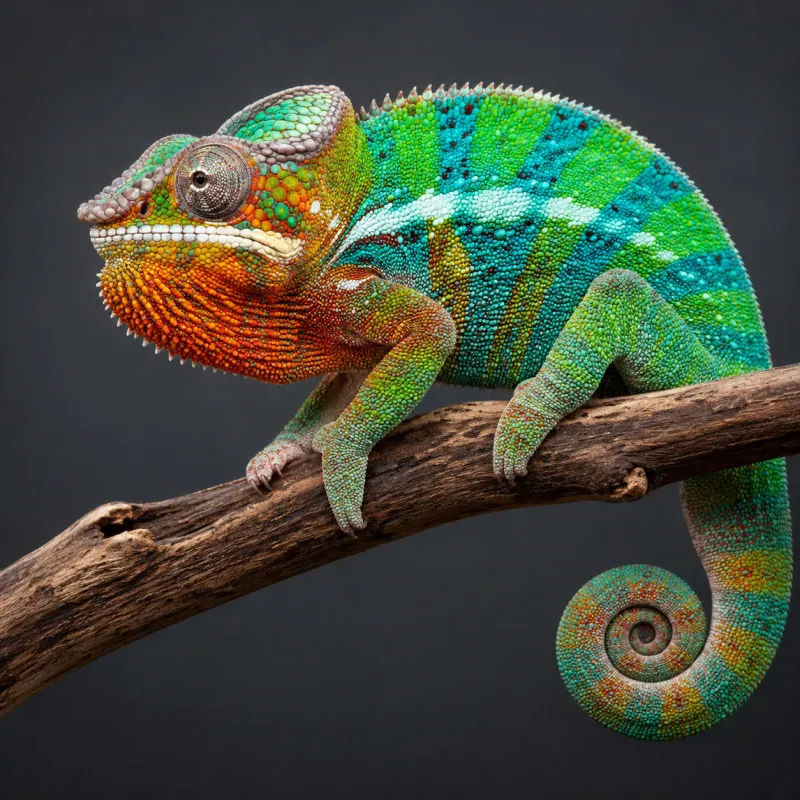
The Panther Chameleon (Furcifer pardalis) is one of the most visually striking reptiles in the pet trade, but it demands a carefully engineered enclosure to thrive. This guide covers every critical aspect of setting up a bioactive or semi-bioactive habitat, from choosing the right screen cage and mesh to installing a MistKing system and selecting safe live plants. Whether you’re a first-time keeper or upgrading your setup, follow these evidence-based recommendations for a healthy, stress-free chameleon.
1. Enclosure Size and Mesh Type
Panther chameleons are arboreal and require vertical space. A single adult needs a minimum cage size of 24" x 24" x 48" (60 x 60 x 120 cm). Larger is always better — a 36" x 24" x 48" or 48" x 24" x 48" enclosure provides more thermal gradients and reduces stress.
Screen vs. Glass
Screen cages are strongly recommended over glass for most climates. They provide essential airflow, prevent respiratory infections, and allow UVB to penetrate. However, if you live in a very dry environment, a hybrid glass-fronted screen cage can help maintain humidity.
Mesh Size
Use aluminum or fiberglass screen mesh with openings no larger than 1/16" to 1/8" (1.5–3 mm). Avoid hardware cloth or chicken wire, which can trap toes and cause injury. Fine mesh also prevents feeder insects from escaping and keeps out wild pests.
2. Safe Live Plants for Panther Chameleons
Live plants are essential for providing cover, humidity, and a naturalistic environment. They also help maintain air quality and offer edible snacks. Below is a list of safe species:
| Plant Name | Benefits | Notes |
|---|---|---|
| Ficus benjamina (Weeping Fig) | Dense foliage, sturdy branches | Can be grown as a potted tree; monitor for sap leaks |
| Schefflera arboricola (Umbrella Tree) | Large leaves for hiding, easy to grow | Non-toxic, but wash leaves to remove pesticides |
| Pothos (Epipremnum aureum) | Trailing vines, excellent for vertical cover | Hardy; place on branches or in hanging pots |
| Dracaena species | Tall, structural leaves for climbing | Ensure no sharp leaf tips |
| Sansevieria (Snake Plant) | Low light tolerance, durable | Place in pots to avoid root rot |
| Hibiscus (Hibiscus rosa-sinensis) | Edible flowers, bright color | Use organic soil; flowers are a treat |
Important: Always quarantine new plants for 2–4 weeks and repot with organic, fertilizer-free soil. Avoid plants with sharp thorns or toxic sap (e.g., oleander, dieffenbachia).
3. Drainage Layer and Substrate
A drainage layer prevents waterlogged soil, which can lead to root rot and bacterial growth. Use 1–2 inches of hydroballs, LECA, or pebbles at the bottom of the enclosure, covered with a sheet of landscape fabric or window screen to separate it from the substrate.
Substrate Options
- Bioactive mix: 60% organic topsoil, 20% play sand, 20% sphagnum moss or coco coir. Add leaf litter and springtails/isopods for cleanup.
- Non-bioactive: Paper towels or reptile carpet for easy cleaning. Not recommended long-term due to low humidity retention.
Keep the substrate damp but not soggy. Mist daily to maintain 50–70% humidity.
4. MistKing Auto-Misting System Setup
A MistKing system is the gold standard for automated humidity and hydration. Here’s how to set it up for a Panther Chameleon enclosure:
Components
- MistKing Ultimate or Starter Kit (includes pump, tubing, nozzles, and timer)
- Reservoir: 5-gallon bucket or larger, with a lid to prevent contamination
- Nozzles: Use 1–2 nozzles per 24"x24"x48" cage, placed at the top and middle
Installation Steps
- Mount the pump above the reservoir to prevent backflow (use a shelf or bracket).
- Run 1/4" tubing from the pump to the enclosure, using zip ties to secure it.
- Install nozzles by drilling a small hole in the screen frame or using a nozzle mount. Aim nozzles downward at a 45° angle to cover foliage.
- Connect the timer and set it to mist 3–5 times per day for 30–60 seconds per session. Adjust based on ambient humidity.
- Use a pressure regulator if your water pressure exceeds 60 PSI.
- Arcadia T5 6% or 12% (6% for most setups, 12% for taller cages)
- Zoomed Reptisun T5 HO 5.0 or 10.0
- Mount the UVB tube horizontally across the top of the screen cage, spanning at least 2/3 of the width.
- Distance from the basking branch: 6–8 inches for a 6% bulb, 8–10 inches for a 10% bulb. Use a Solarmeter 6.5 to verify UVI in the 2.0–4.0 range.
- Replace bulbs every 6–12 months, even if they still emit visible light.
- Use natural, pesticide-free branches (oak, maple, or grapevine) at least as thick as the chameleon’s body.
- Place multiple perches at different heights and angles to create a thermal gradient (cool end: 70–75°F).
- Avoid plastic or PVC pipes — they become too hot and offer no grip.
- Too small an enclosure: Stunts growth and causes stress. Always go large.
- Coarse mesh: Can injure toes. Use fine screen only.
- No drainage layer: Leads to mold and bacteria in the substrate.
- Incorrect UVB distance: Too close burns; too far causes MBD.
- Over-misting: Can cause respiratory issues. Let the cage dry out between mistings.
- Using toxic plants: Always double-check with a reliable source.
- Panther Chameleon Care Guide
- Panther Chameleon Feeding Guide
- Panther Chameleon Health Guide
- Veiled Chameleon — Similar Species
Pro tip: Use reverse osmosis (RO) or distilled water to prevent mineral buildup on nozzles and plants.
5. UVB Linear Tube Placement
Proper UVB is non-negotiable for Panther Chameleons to synthesize vitamin D3 and prevent metabolic bone disease (MBD).
Recommended Bulbs
Placement
Important: Never place UVB behind glass or plastic — it filters out the beneficial rays.
6. Basking Branch and Perch Height
Panther chameleons thermoregulate by moving between warm and cool areas. Provide a basking branch placed 6–8 inches below the heat lamp, with a surface temperature of 85–90°F (29–32°C).
Branch Selection
Monitor temperatures with a digital probe thermometer. The basking area should be the highest perch in the cage, as chameleons instinctively climb for heat.
7. Heating and Lighting Schedule
Use a low-wattage incandescent or halogen bulb (50–75W) for basking, paired with a dimmer or thermostat to prevent overheating. LED grow lights (6500K) can supplement plant growth and provide visible light.
| Parameter | Daytime | Nighttime |
|---|---|---|
| Basking temp | 85–90°F (29–32°C) | Off |
| Ambient temp | 75–80°F (24–27°C) | 65–70°F (18–21°C) |
| Humidity | 50–60% | 80–100% (misting) |
| UVB | 10–12 hours/day | Off |
Use a timer for the lights and MistKing to maintain consistency. A drop in temperature at night is natural and beneficial for chameleons.
8. Common Mistakes to Avoid
Conclusion
Setting up a Panther Chameleon enclosure is a rewarding project that directly impacts your pet’s health and longevity. By choosing the right screen cage, installing a MistKing system, selecting safe live plants, and positioning UVB and basking lights correctly, you create a thriving microhabitat. Remember to monitor temperature, humidity, and behavior daily, and adjust as needed. With proper setup, your Panther Chameleon will display vibrant colors and active, curious behavior for years to come.
Related Reading
Check optimal temps, calculate feeding, and find your perfect species match.
References
- Schmidt, W. (2023). Chameleon Care: The Complete Guide. Reptile Publications.
- Arcadia Reptile (2022). UVB Lighting for Reptiles: A Practical Guide. Arcadia Products.
- MistKing (2024). MistKing Installation Manual. Jungle Hobbies Ltd.
- Ferguson, G. W. (2019). The UVB Guide for Reptiles. Reptile Lighting Research Group.
🐾 Join the Community
See how other keepers set up their enclosures, ask questions, and share your experience.
🛠️ Apply What You Learned
Check optimal temps, calculate feeding schedules, and get calcium dosage — all personalized for your species.
Comments