Panther Chameleon Feeding: Insects & Gutloading
Introduction
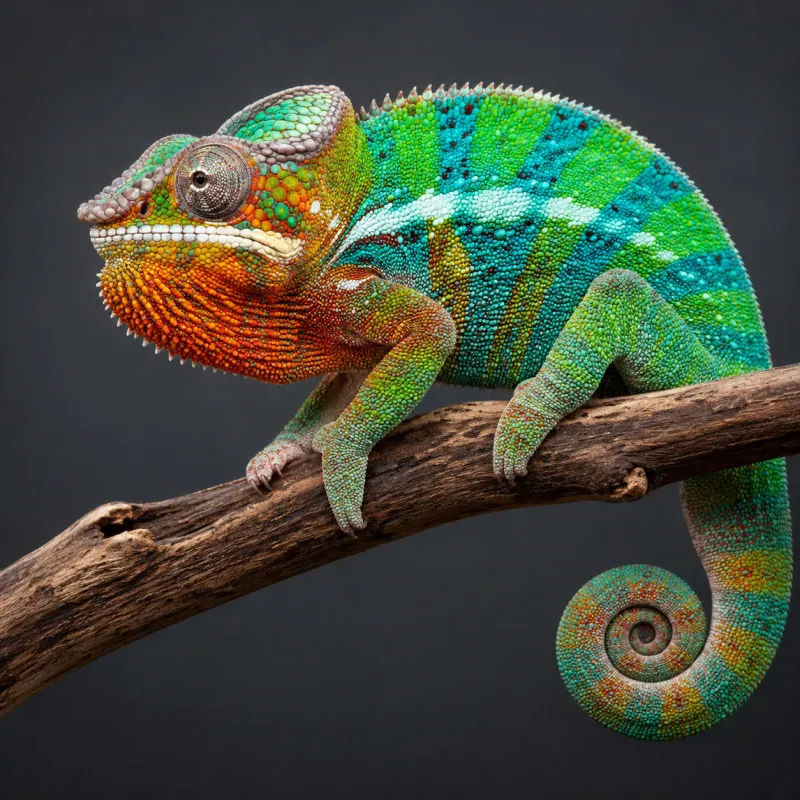
The Panther Chameleon (Furcifer pardalis) is one of the most visually stunning and sought-after chameleon species in the pet trade. Native to the tropical forests of Madagascar, these arboreal reptiles require a carefully managed diet to thrive in captivity. Improper feeding is the leading cause of metabolic bone disease, obesity, and kidney failure in captive chameleons. This guide provides evidence-based recommendations for a complete insect diet, gutloading schedule, calcium and vitamin supplementation, hydration methods, and feeding frequency tailored to your chameleon's age.
In this expanded guide, we'll dive deeper into each aspect of panther chameleon nutrition, offering step-by-step protocols, troubleshooting tips, and common pitfalls to avoid. Whether you're a first-time keeper or a seasoned enthusiast, this resource will help you provide optimal nutrition for your scaly companion.
Complete Insect Diet
Panther Chameleons are insectivorous, meaning their entire diet consists of live insects. A varied diet is crucial to prevent nutritional deficiencies and boredom. The following insects are safe and nutritious staples:
- Crickets (Acheta domesticus): A reliable staple, but low in calcium unless gutloaded. Choose size appropriate to the chameleon's gape (no larger than the width between its eyes).
- Dubia Roaches (Blaptica dubia): Higher protein, better calcium-to-phosphorus ratio than crickets, and less smelly. Ideal for juveniles and adults.
- Black Soldier Fly Larvae (BSFL, Hermetia illucens): Naturally high in calcium, low in fat. Excellent for growing chameleons.
- Silkworms (Bombyx mori): High in moisture and protein, low in fat. Great for hydration and variety.
- Hornworms (Manduca sexta): High moisture, treat only due to high fat content.
- Waxworms and Superworms: High in fat, use sparingly as treats (once per week max).
Avoid: Wild-caught insects (pesticide risk), mealworms (hard to digest), and fireflies (toxic).
Insect Nutritional Comparison
To help you choose the best feeders, here's a quick comparison of key nutritional values (approximate, per 100g dry matter):
| Insect | Protein (%) | Fat (%) | Calcium (mg/kg) | Phosphorus (mg/kg) | Ca:P Ratio |
|---|---|---|---|---|---|
| Crickets | 55-65 | 20-25 | 500-1000 | 5000-7000 | 0.1-0.2 |
| Dubia Roaches | 60-70 | 15-20 | 800-1200 | 4000-5000 | 0.2-0.3 |
| BSFL | 40-50 | 25-35 | 8000-12000 | 3000-4000 | 2.0-3.0 |
| Silkworms | 60-70 | 10-15 | 1000-2000 | 3000-4000 | 0.3-0.5 |
| Hornworms | 40-50 | 30-40 | 500-800 | 2000-3000 | 0.2-0.3 |
Note: These values vary based on the insect's diet and age. Always gutload to boost calcium and other nutrients.
Selecting the Right Insect Size
The size of feeder insects should match the chameleon's gape—the width between its eyes. A good rule of thumb: the insect's length should not exceed the distance between the chameleon's eyes. For hatchlings, this means pinhead crickets or micro BSFL; for adults, large crickets or roaches up to 1 inch.
Sourcing Feeder Insects
Purchase from reputable breeders or pet stores to ensure they are disease-free and well-fed. Avoid wild-caught insects due to pesticide exposure and parasite risk. If you breed your own, maintain clean colonies and gutload regularly.
Gutloading Schedule
Gutloading is the process of feeding nutritious food to feeder insects 24–48 hours before offering them to your chameleon. This dramatically increases the nutritional value of the insect. Use a commercial gutload (e.g., Repashy Bug Burger, Fluker's High Calcium Cricket Diet) or a homemade mix of:
- Dark leafy greens (collard, mustard, dandelion)
- Carrots, sweet potatoes (for vitamin A)
- Oats, wheat bran (fiber)
- Calcium carbonate powder (add to gutload)
Gutloading protocol:
- Feed insects the gutload for at least 24 hours before offering to chameleon.
- Provide a water source (water crystals or fresh veggies) to keep insects hydrated.
- Do not gutload with high-protein dog/cat food or fish flakes—these can cause gout in chameleons.
Step-by-Step Gutloading Instructions
- Prepare the gutload: Mix commercial gutload with water according to package instructions, or create a homemade mix of 50% leafy greens, 25% vegetables (carrots, sweet potato), and 25% grains (oats, bran). Add a pinch of calcium carbonate powder.
- Place in a shallow dish: Put the gutload in a shallow, escape-proof dish inside the insect enclosure. Ensure it's accessible but not too deep to cause drowning.
- Feed insects: Add the feeder insects to the enclosure with the gutload. Leave them for 24-48 hours. For crickets, provide a water source (water crystals or a damp sponge) to keep them hydrated.
- Dust and feed: After 24-48 hours, remove the insects, dust them with supplements as needed, and offer them to your chameleon immediately.
Homemade Gutload Recipes
Here are two balanced homemade gutload recipes:
Recipe 1: Leafy Green Mix
- 50% collard greens
- 25% carrots (shredded)
- 25% wheat bran
- 1 tsp calcium carbonate per cup of mix
Recipe 2: Sweet Potato Blend
- 50% sweet potato (cooked, mashed)
- 25% dandelion greens
- 25% oats
- 1 tsp calcium carbonate per cup of mix
Rotate recipes to provide a variety of nutrients.
Common Gutloading Mistakes
- Using iceberg lettuce: Low nutritional value; use dark leafy greens instead.
- Gutloading with only carrots: Carrots are high in vitamin A but lack other nutrients. Combine with greens and grains.
- Leaving gutload in too long: Spoils and can harbor bacteria. Replace every 24-48 hours.
- Not providing water: Dehydrated insects are less nutritious and may die quickly.
Supplementation: Calcium, D3 & Vitamin A
Supplementation is non-negotiable for captive chameleons. Without UVB and dietary D3, they cannot metabolize calcium, leading to metabolic bone disease (MBD). Follow this schedule:
| Supplement | Frequency | Application |
|---|---|---|
| Calcium without D3 (phosphorus-free) | Every feeding | Light dusting on insects |
| Calcium with D3 | 1–2 times per week | Dust insects immediately before feeding |
| Multivitamin (with preformed vitamin A) | 1–2 times per month | Dust insects; use beta-carotene-free formulations |
Key points:
- Vitamin A deficiency causes eye problems, respiratory infections, and shedding issues. Use a supplement with retinol (preformed vitamin A), not just beta-carotene, as chameleons convert beta-carotene poorly.
- Over-supplementation of D3 is toxic—stick to the schedule and ensure proper UVB exposure (5.0 or 6% T5 HO bulb, 12–14 hours daily).
- Dust insects in a small cup or bag; feed immediately so dust doesn't fall off.
How to Dust Insects Properly
- Place feeder insects in a clean, dry plastic bag or container.
- Add the appropriate supplement powder (e.g., calcium without D3 for daily feeding).
- Gently shake the container for 10-15 seconds until the insects are lightly coated. Avoid heavy dusting, which can cause the chameleon to refuse food.
- Offer the dusted insects to your chameleon immediately. Do not wait, as the dust will fall off.
Understanding Vitamin A and Beta-Carotene
Chameleons have a limited ability to convert beta-carotene (plant-based vitamin A) into retinol (active vitamin A). Therefore, it's essential to use supplements containing preformed vitamin A (retinol) to prevent deficiency. Signs of vitamin A deficiency include swollen eyelids, respiratory infections, and poor shedding. Multivitamins with retinol are available from brands like Repashy and Zoo Med.
UVB Lighting and D3 Synthesis
UVB light is essential for the synthesis of vitamin D3 in the skin, which in turn helps absorb calcium. Without adequate UVB, even calcium supplementation won't prevent MBD. Use a T5 HO UVB bulb with 5.0 or 6% output, placed at the correct distance (usually 12-18 inches from the basking spot) and replace it every 6-12 months as output diminishes. Provide a 12-14 hour photoperiod daily.
Hydration Methods
Panther Chameleons rarely drink from standing water. They rely on moving water droplets on leaves. Provide hydration through:
- Drip system: A slow drip (1–2 drops per second) onto live plants (pothos, ficus, schefflera) for 15–30 minutes, 2–3 times daily.
- Misting: Automatic misting system (e.g., MistKing) or hand misting for 2–5 minutes, 2–4 times daily. Aim for 80–100% humidity spikes, then allow drying.
- Waterfall/dripper: Avoid stagnant water bowls; they can cause bacterial infections.
Signs of dehydration: Sunken eyes, wrinkled skin, thick saliva, urate (white part of droppings) turning orange/brown. Increase misting frequency if these occur.
Setting Up a Drip System
- Use a clean plastic container (e.g., a deli cup) with a tiny hole in the bottom, or a commercial dripper.
- Fill with fresh water and position it above a plant leaf so that drops fall onto the leaf surface.
- Adjust the flow to 1-2 drops per second. Test for 10 minutes to ensure a steady drip.
- Run the drip for 15-30 minutes, 2-3 times daily, preferably in the morning and evening.
- Clean the dripper weekly to prevent bacterial growth.
Misting Schedules
Hand misting: Mist the enclosure thoroughly for 2-5 minutes, 2-4 times daily. Focus on live plants and leaves where the chameleon can drink. Allow the enclosure to dry between mistings to prevent respiratory issues.
Automatic misting: Systems like MistKing can be programmed to mist for 30-60 seconds, 3-6 times daily, depending on ambient humidity. Monitor humidity levels with a hygrometer and adjust accordingly.
Troubleshooting Dehydration
If you notice signs of dehydration, immediately increase misting frequency and duration. Also, check that the drip system is working properly and that the chameleon has access to leaves with water droplets. Severe dehydration may require veterinary intervention, including subcutaneous fluids.
Feeding Frequency by Age
Feeding amounts and frequency change as the chameleon grows. Overfeeding leads to obesity and fatty liver disease; underfeeding stunts growth.
| Age | Feeding Frequency | Insect Size | Amount per Feeding |
|---|---|---|---|
| Hatchling (0–3 months) | 2–3 times daily | 1/8–1/4 inch (pinhead crickets, micro BSFL) | 5–10 insects |
| Juvenile (3–6 months) | 2 times daily | 1/4–1/2 inch | 10–15 insects |
| Sub-adult (6–12 months) | Once daily | 1/2–3/4 inch | 8–12 insects |
| Adult (12+ months) | Every other day | 3/4–1 inch | 5–8 insects |
Note: Adjust based on body condition. A healthy adult should have a gentle fat pad on the casque (head crest) but no visible fat rolls. Females may need reduced feeding during non-breeding periods to prevent egg-binding.
How to Assess Body Condition
Regularly observe your chameleon's body shape:
- Healthy: A slight fat pad on the casque, no visible ribs or spine, and a rounded abdomen.
- Underweight: Visible ribs, spine, or hip bones; sunken casque. Increase feeding frequency or insect size.
- Overweight: Fat rolls around the neck, abdomen, or base of the tail. Reduce feeding frequency and switch to lower-fat insects like BSFL or silkworms.
Feeding Techniques
Offer insects using feeding tongs or a cup to avoid accidental bites and to monitor intake. Some chameleons prefer to hunt; you can release a few insects into the enclosure, but ensure they don't hide and stress the chameleon. Always supervise to ensure all insects are consumed; leftover insects can bite the chameleon.
Adjusting for Females
Female panther chameleons may require reduced feeding during non-breeding periods to prevent obesity and egg-binding. Once a female has laid eggs, allow her to rest with a reduced diet for a few weeks. Consult a vet for specific guidance.
Common Health Issues
- Metabolic Bone Disease (MBD): Caused by calcium deficiency, lack of UVB, or poor D3 supplementation. Symptoms: soft jaw, tremors, splayed legs, inability to grip. Prevention: Proper UVB lighting + calcium supplementation schedule.
- Stomatitis (Mouth Rot): Swollen gums, pus, or refusal to eat. Often from sharp feeder insects (e.g., superworms) or poor hygiene. Treatment: Vet-prescribed antibiotics.
- Respiratory Infection: Wheezing, open-mouth breathing, excess mucus. Caused by prolonged high humidity without ventilation. Fix: Increase airflow, reduce misting, vet visit.
- Egg-Binding (Dystocia): Female unable to lay eggs. Signs: straining, lethargy, swollen abdomen. Prevention: Provide a proper laying bin (10–12 inches deep moist sand/soil mix).
Detailed Overview of MBD
MBD is the most common nutritional disease in captive chameleons. It occurs when calcium levels in the blood are too low, often due to insufficient calcium intake, inadequate UVB exposure, or improper D3 supplementation. Early signs include slight tremors in the toes, a soft jaw, and reduced appetite. As it progresses, bones become deformed, leading to splayed legs and inability to climb. Treatment requires immediate veterinary care, including calcium injections and correction of UVB and diet.
Preventing Stomatitis
Stomatitis often results from injuries caused by sharp feeder insects like superworms or crickets with hard exoskeletons. To prevent it, avoid feeding insects with hard spines, and ensure the enclosure is clean. If you notice swelling or pus in the mouth, consult a vet immediately.
Managing Respiratory Infections
Respiratory infections are often caused by excessive humidity and poor ventilation. To prevent them, maintain proper airflow in the enclosure, avoid constant misting, and ensure temperatures are within the recommended range. If you see signs like wheezing or open-mouth breathing, increase ventilation and reduce misting, then see a vet.
Providing a Laying Bin
For females, a proper laying bin is essential to prevent egg-binding. Use a container at least 10-12 inches deep filled with a moist sand/soil mix (50/50). Place it in the enclosure when the female appears gravid (swollen abdomen, digging behavior). Ensure the substrate is moist enough to hold shape but not waterlogged.
Common Mistakes
- Only feeding crickets: Leads to nutrient imbalances. Rotate 3+ insect types.
- Skipping gutloading: Feeder insects are empty calories without gutloading.
- Over-supplementing D3: Can cause hypercalcemia and kidney damage. Stick to schedule.
- Using a water bowl: Chameleons rarely recognize standing water and may drown.
- Handling for feeding: Stress reduces appetite. Let the chameleon hunt in its enclosure.
- Feeding at night: Chameleons are diurnal; feed during daylight hours to allow thermoregulation for digestion.
Additional Mistakes to Avoid
- Feeding too many treats: Waxworms and superworms should be limited to once a week to prevent obesity.
- Ignoring insect quality: Sick or malnourished feeders can pass on pathogens. Always source from reputable suppliers.
- Not adjusting feeding for season: Some keepers reduce feeding in winter to mimic natural cycles, but this is not strictly necessary in captivity.
- Forgetting to clean feeding cups: Bacteria can accumulate; clean regularly.
Frequently Asked Questions
How often should I feed my adult panther chameleon?
Adult panther chameleons (12+ months) should be fed every other day, offering 5-8 appropriately sized insects per feeding. This helps prevent obesity and fatty liver disease. Monitor body condition and adjust as needed.
Can I feed my panther chameleon fruits or vegetables?
No, panther chameleons are strictly insectivorous. They cannot digest plant matter efficiently. However, you can offer fruits or vegetables to the feeder insects as part of gutloading to enhance their nutritional value.
What is the best way to provide water to my panther chameleon?
Panther chameleons drink from moving water droplets on leaves. Use a drip system (1-2 drops per second) or mist the enclosure 2-4 times daily for 2-5 minutes. Avoid standing water bowls, as they can cause bacterial infections and are rarely recognized as a water source.
How do I know if my panther chameleon is dehydrated?
Signs of dehydration include sunken eyes, wrinkled skin, thick saliva, and orange or brown urate (the white part of droppings). If you notice these signs, increase misting frequency and duration, and ensure your drip system is working properly. Severe dehydration requires veterinary attention.
Conclusion
A well-fed Panther Chameleon is a vibrant, active, and long-lived pet. By offering a diverse insect diet, strict gutloading, proper calcium and vitamin A supplementation, and reliable hydration through dripping/misting, you can prevent most common health issues. Adjust feeding frequency by age and monitor body condition. With this guide, you'll provide the optimal nutrition your chameleon needs to thrive.
Related Reading
- Panther Chameleon Care Guide
- Veiled Chameleon Care — Similar Species
- Feeding Calculator
Check optimal temps, calculate feeding, and find your perfect species match.
References
- Arcus, F. (2019). The Panther Chameleon: A Complete Guide. Reptile Publications.
- Necas, P. (2004). Chameleons: Biology, Husbandry, and Health. Krieger Publishing.
- Ferguson, G. W., et al. (2009). UVB and Vitamin D3 in Reptiles. Journal of Herpetological Medicine and Surgery.
🐾 Join the Community
See how other keepers set up their enclosures, ask questions, and share your experience.
🛠️ Apply What You Learned
Check optimal temps, calculate feeding schedules, and get calcium dosage — all personalized for your species.
Comments