Veiled Chameleon Morphs: Translucent, Pied & Color Varieties
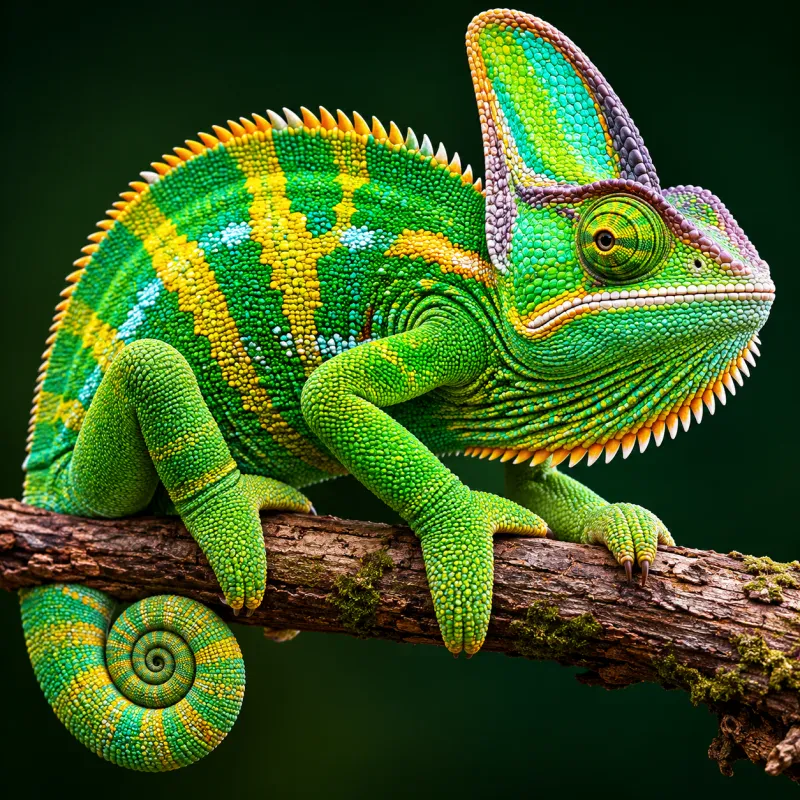
Popular Veiled Chameleon Morphs (With Pictures)
Here are the most popular color forms in their typical adult appearance.
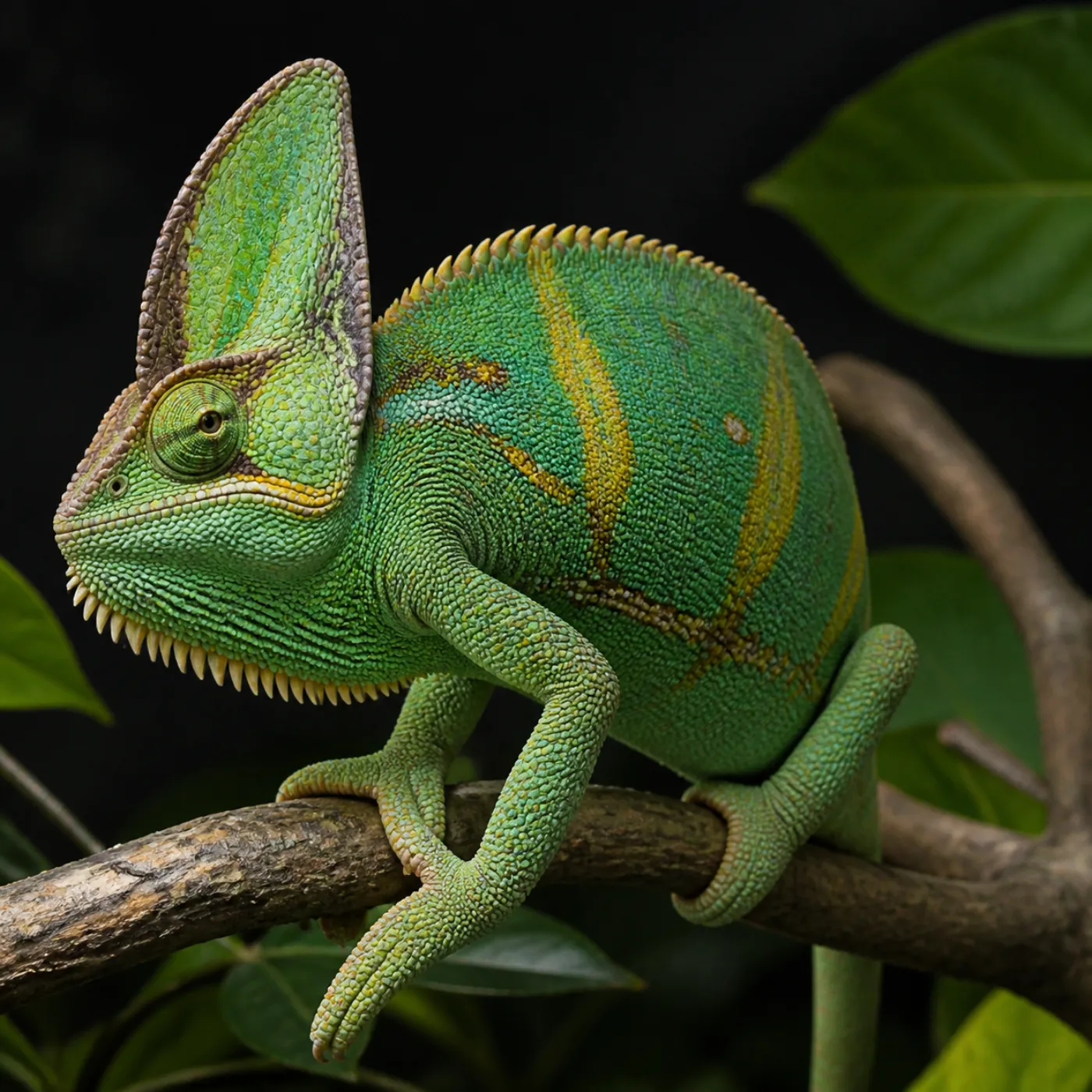 Standard Green | 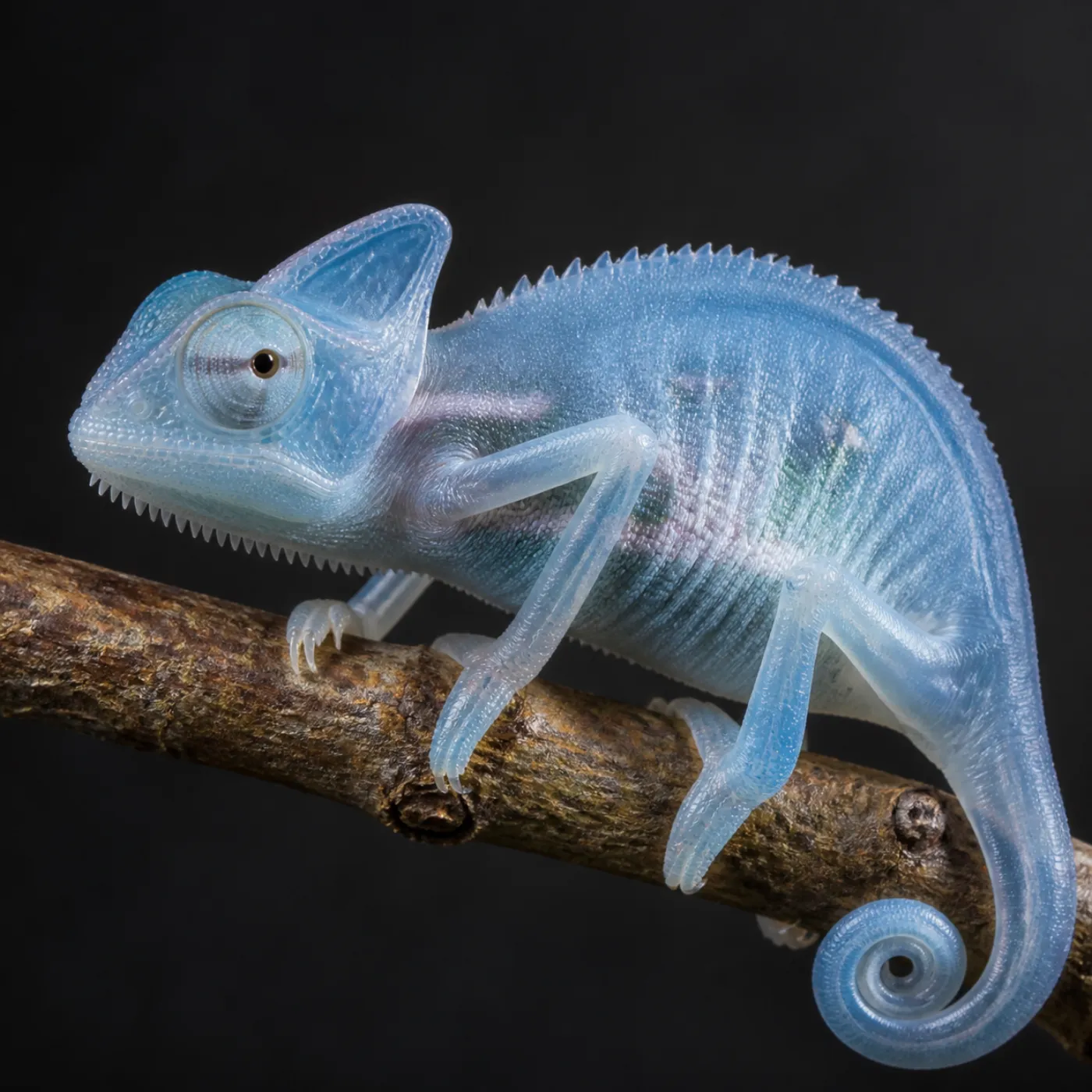 Translucent |
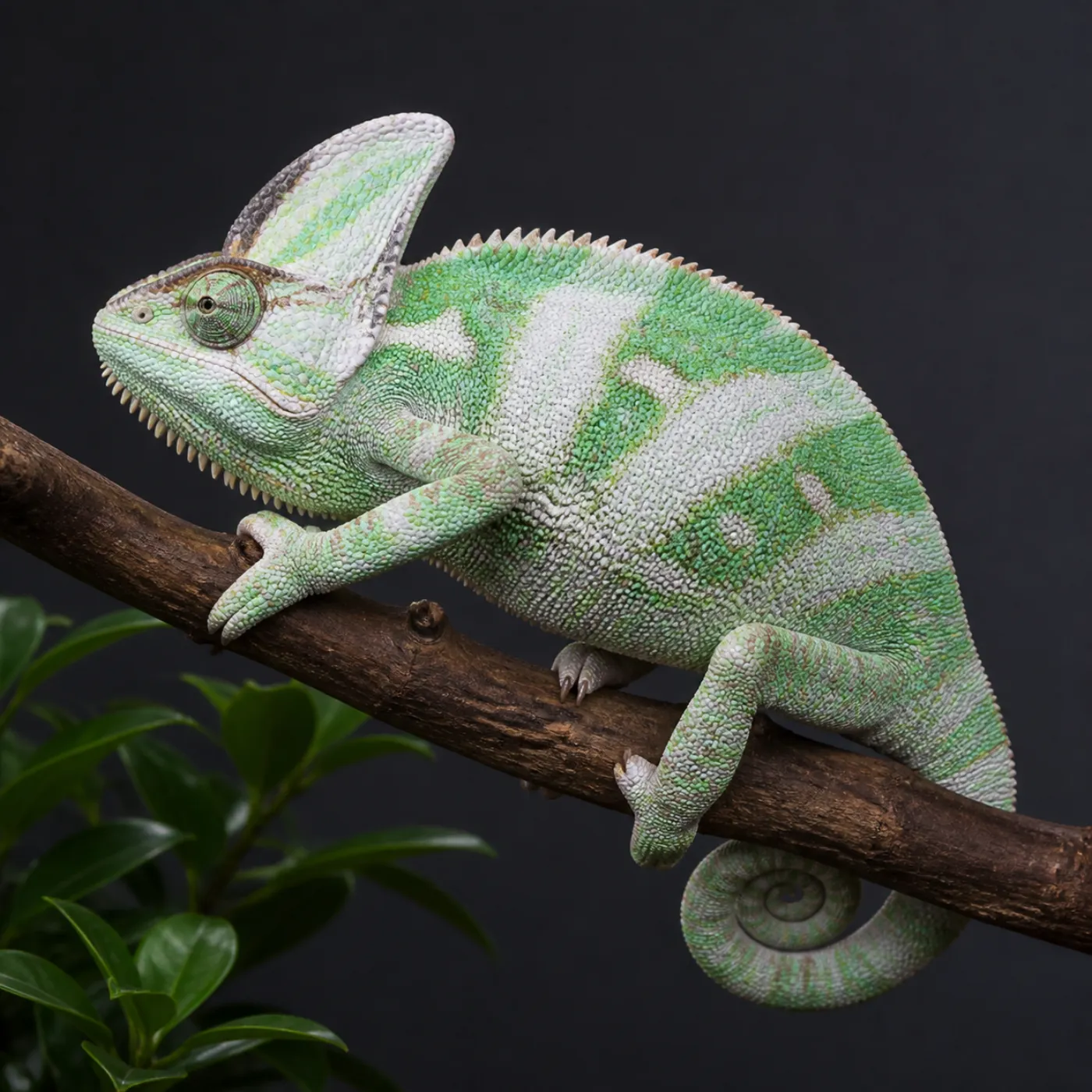 Pied | 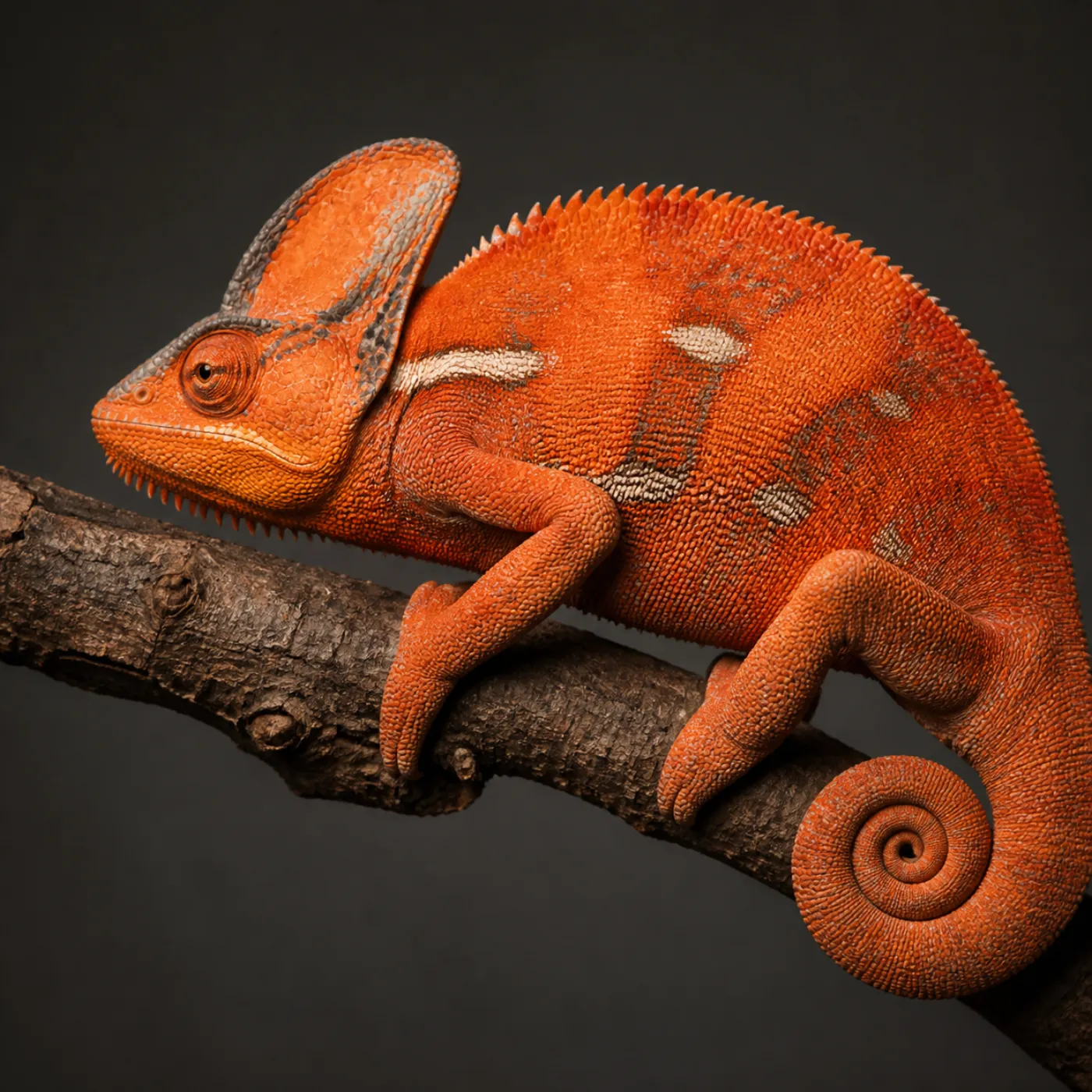 Tangerine |
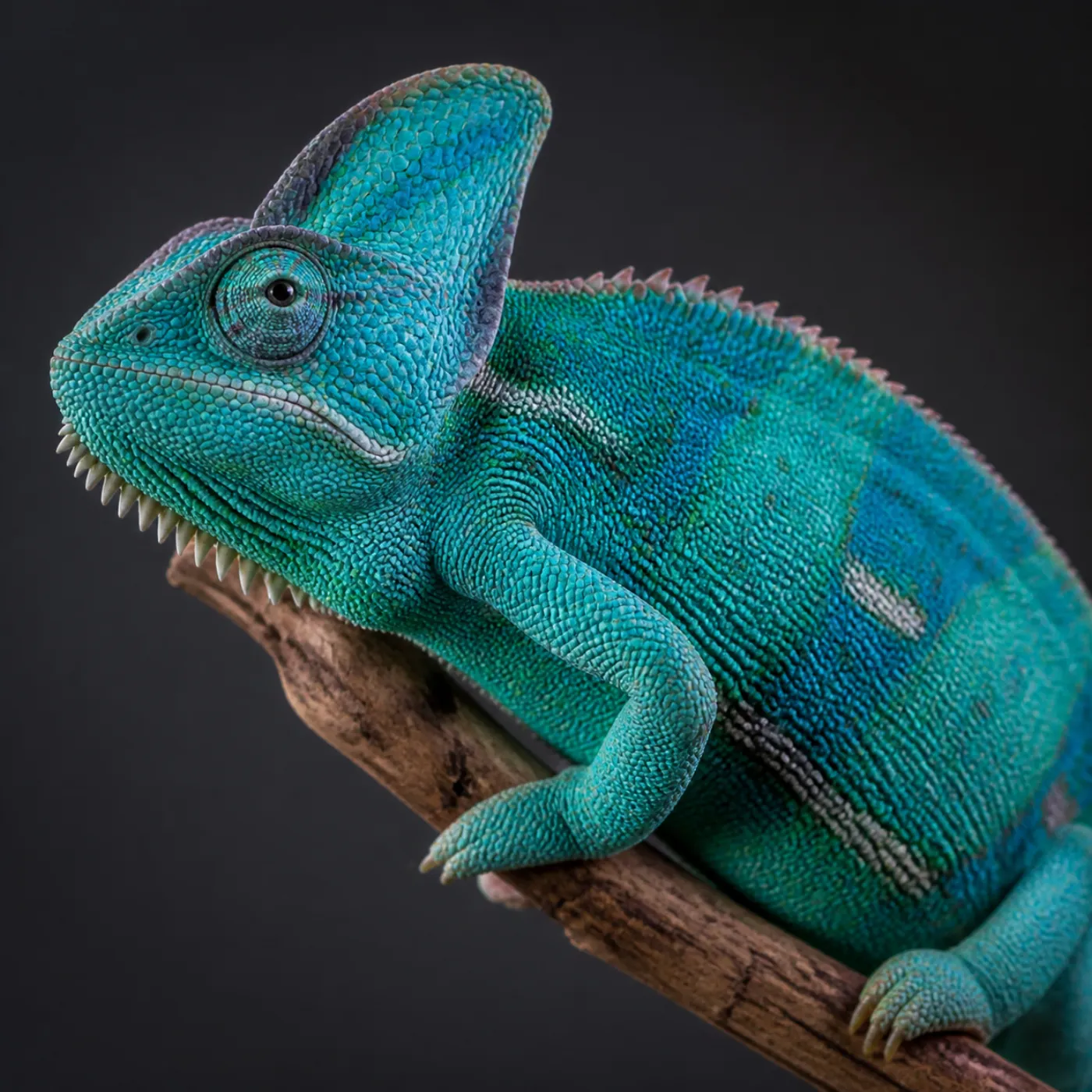 High-Blue |
What Morphs Exist for Veiled Chameleons?
Veiled chameleons (Chamaeleo calyptratus) are one of the most popular pet chameleons, known for their striking casques (the helmet-like crest) and color-changing abilities. While they are not as morph-diverse as ball pythons or leopard geckos, selective breeding has produced several distinct color and pattern varieties. These morphs are primarily based on color intensity, pattern reduction, and specific genetic traits like translucency and pied (patchy) coloration. Understanding these morphs helps you appreciate the natural variation and make an informed choice when selecting your pet.
Veiled chameleons originate from Yemen and Saudi Arabia, where their wild coloration ranges from bright green to brown, depending on temperature, mood, and health. In captivity, breeders have isolated and enhanced certain traits, creating morphs that are more visually striking. This guide covers 14 popular morphs, including their appearance, rarity, and typical price range, followed by genetics, selection tips, and care considerations.
Full Morph Profiles
1. Translucent Veiled Chameleon
Appearance: The translucent morph is characterized by a semi-transparent skin, especially on the belly, limbs, and sometimes the casque. You can often see the internal organs or the green tint of the blood through the skin. Their overall color tends to be lighter and more pastel than normal veiled chameleons.
Rarity: Uncommon – this recessive trait is not widely available but is sought after by enthusiasts.
Price Range: $150 – $300 USD
2. Pied Veiled Chameleon
Appearance: Pied veiled chameleons have irregular patches of non-pigmented (white or yellow) skin mixed with their normal green or blue coloration. The patches can be small or cover large areas, creating a mosaic effect. This morph is very distinctive and each individual's pattern is unique.
Rarity: Rare – the pied trait is not common in veiled chameleons and requires specific breeding.
Price Range: $250 – $500 USD
3. Blue Bar Veiled Chameleon
Appearance: This morph displays prominent turquoise or blue horizontal bars on a green or yellow-green background. The bars are more defined and vivid than in normal veiled chameleons, making them stand out. Males often show these bars more intensely than females.
Rarity: Common in captive-bred lines, but high-quality specimens are moderately available.
Price Range: $100 – $200 USD
4. Red Veiled Chameleon
Appearance: Red veiled chameleons exhibit a deep red or orange-red coloration, especially when stressed or displaying. This morph is often the result of combining high red pigment genes from certain localities. The intensity can vary from a subtle rust to a vibrant crimson.
Rarity: Uncommon – true red individuals are not as common as green or blue variations.
Price Range: $200 – $400 USD
5. Yellow (Xanthic) Veiled Chameleon
Appearance: Xanthic veiled chameleons have reduced black pigment, resulting in a bright yellow or golden appearance. They may have faint green or blue undertones. This morph is often more visible in females, which normally have more subdued colors.
Rarity: Uncommon – xanthic individuals are selectively bred and not found in every clutch.
Price Range: $150 – $300 USD
6. Blue Veiled Chameleon
Appearance: This morph is characterized by a strong blue or turquoise overall coloration, often with white or yellow highlights. The blue can range from a pale sky blue to a deep navy, and it is most intense in adult males during breeding displays.
Rarity: Uncommon – true blue morphs are not as common as green or blue-bar varieties.
Price Range: $200 – $350 USD
7. Green (Normal) Veiled Chameleon
Appearance: The standard veiled chameleon has a bright green base color with lighter green, yellow, or blue bars and bands. They can darken to brown or black when stressed. This is the most common and natural morph.
Rarity: Very common – readily available from breeders and pet stores.
Price Range: $50 – $120 USD
8. High-Contrast Veiled Chameleon
Appearance: High-contrast morphs have very distinct, bold patterns with sharp boundaries between colors. For example, dark green or black bands sharply contrasting with bright yellow or white stripes. This is not a single gene but a result of selective breeding for pattern definition.
Rarity: Uncommon – requires specific pairing to achieve the desired contrast.
Price Range: $150 – $250 USD
9. Ambanja Locality (Color Variety)
Appearance: Named after the Ambanja region in Madagascar (though veiled chameleons are from Yemen, this name is used in the pet trade for a color line), this variety is known for its intense blue and green coloration with white or yellow bands. It is often considered a color morph rather than a genetic mutation.
Rarity: Moderately available – some breeders focus on this line.
Price Range: $150 – $300 USD
10. Translucent Blue
Appearance: A combination of the translucent trait and blue coloration, resulting in a semi-transparent skin with a blue tint. The internal organs may be visible, giving a unique, almost ethereal look.
Rarity: Rare – requires breeding two recessive traits together.
Price Range: $300 – $500 USD
11. Pied Blue
Appearance: This morph combines the pied patchy white/yellow pattern with a blue base color. The contrast between the blue and white patches is striking, making each individual a work of art.
Rarity: Very rare – the combination of two rare traits makes this highly sought after.
Price Range: $400 – $700 USD
12. Orange Veiled Chameleon
Appearance: Orange morphs display a warm orange to burnt orange coloration, often with green or yellow undertones. This is less common than red and is produced by selectively breeding for high orange pigments.
Rarity: Rare – orange is a less stable color than red or yellow.
Price Range: $250 – $450 USD
13. Albino (Amelanistic) Veiled Chameleon
Appearance: True albinos lack all melanin, resulting in a white or pinkish appearance with red or pink eyes. They are extremely sensitive to light and have health issues, making them a challenge to keep.
Rarity: Extremely rare – most do not survive long without special care.
Price Range: $500 – $1000+ USD (often not sold to beginners)
14. Leucistic Veiled Chameleon
Appearance: Leucistic veiled chameleons have reduced pigmentation but not a complete absence, resulting in a white, pale yellow, or pastel appearance with normal eye color. They differ from albinos by having normal eyes and some residual pigment.
Rarity: Very rare – leucism is a recessive trait that is difficult to breed for.
Price Range: $400 – $800 USD
Comparison Table of Veiled Chameleon Morphs
| Morph | Appearance | Rarity | Price Range (USD) |
|---|---|---|---|
| Translucent | Semi-transparent skin, pastel colors | Uncommon | $150 – $300 |
| Pied | Irregular white/yellow patches | Rare | $250 – $500 |
| Blue Bar | Turquoise bars on green/yellow | Common | $100 – $200 |
| Red | Deep red/orange-red | Uncommon | $200 – $400 |
| Yellow (Xanthic) | Bright yellow/golden, reduced black | Uncommon | $150 – $300 |
| Blue | Strong blue/turquoise overall | Uncommon | $200 – $350 |
| Green (Normal) | Bright green with bars | Very common | $50 – $120 |
| High-Contrast | Bold, distinct patterns | Uncommon | $150 – $250 |
| Ambanja Locality | Intense blue/green with white bands | Moderately available | $150 – $300 |
| Translucent Blue | Translucent + blue | Rare | $300 – $500 |
| Pied Blue | Pied patches + blue base | Very rare | $400 – $700 |
| Orange | Warm orange/burnt orange | Rare | $250 – $450 |
| Albino | White/pink, red eyes | Extremely rare | $500 – $1000+ |
| Leucistic | White/pale yellow, normal eyes | Very rare | $400 – $800 |
Genetics and Heredity Basics
Most veiled chameleon morphs are inherited through simple recessive or polygenic traits. For example, the translucent trait is believed to be recessive, meaning both parents must carry the gene for offspring to express it. Pied is also recessive but may be influenced by multiple genes, resulting in variable patch expression. Color morphs like blue, red, and yellow are often polygenic, meaning they are controlled by multiple genes that affect pigment production and distribution.
When breeding, it is essential to know the genetic background of your chameleons. For recessive traits, a visual morph (e.g., translucent) crossed with a normal will produce all normal-looking offspring that are heterozygous (carriers). Breeding two carriers yields a 25% chance of producing visual morphs. For polygenic traits, selection is based on phenotype, and offspring will show a range of colors, allowing breeders to select for intensity over generations.
It is also important to note that some morphs, like albino, are associated with health issues due to lack of melanin, which protects against UV light. Breeding these should be done responsibly, and they require special lighting and care to prevent burns and eye problems.
How to Choose the Right Morph
When selecting a veiled chameleon morph, consider your experience level, budget, and the chameleon's health. Beginners should opt for a normal green or blue-bar morph, as they are hardy and less expensive. These chameleons are more forgiving of minor husbandry mistakes and do not require special lighting beyond standard UVB.
Intermediate keepers might enjoy a translucent or yellow morph, which are visually appealing but still relatively easy to care for. However, be aware that translucent individuals may have slightly more sensitive skin, so careful handling is necessary.
Advanced keepers may be drawn to rare morphs like pied blue or leucistic. These require more attention to breeding and health, and they come with a higher price tag. Always purchase from a reputable breeder who can provide health records and genetic information. Avoid wild-caught chameleons, as they often carry parasites and stress poorly.
Regardless of morph, ensure the chameleon is active, has clear eyes, and shows no signs of respiratory distress or metabolic bone disease. A healthy chameleon will have a firm grip and vibrant colors (when not stressed).
Care Notes Relevant to Morphs
Veiled chameleons, regardless of morph, require a tall enclosure (at least 2x2x4 feet for adults) with proper ventilation, temperature gradient (75-85°F basking, 65-75°F cool side), and high humidity (50-80%). UVB lighting is crucial for calcium metabolism. However, morphs with reduced pigmentation, such as albino or leucistic, need lower UVB exposure because they lack protective melanin. Use a 5.0 UVB bulb instead of 10.0, and provide plenty of shaded areas to avoid overexposure.
Translucent morphs may have thinner skin, so avoid rough branches and provide smooth perches. Pied and high-contrast morphs do not have special requirements, but their unique patterns make it easier to spot skin issues like burns or injuries. Always provide a drip system or misting for hydration, as chameleons do not drink from standing water.
Diet is also important. Feed gut-loaded insects (crickets, roaches) dusted with calcium (no D3) at most feedings and a multivitamin once a week. Avoid feeding wild insects that may carry pesticides. Hydration via misting is essential for all morphs, but especially for those with translucent skin, as dehydration can make their skin appear dull.
Common Mistakes with Morphs
One common mistake is assuming that all morphs have the same care requirements. As noted, albino and leucistic chameleons require adjusted UVB levels. Another mistake is overpaying for a morph without verifying the breeder's reputation. Some sellers may label a normal chameleon as a rare morph to inflate prices. Always ask for photos of the parents and genetic history.
Another error is breeding morphs without understanding genetics, leading to health issues or unexpected phenotypes. For example, breeding two translucent chameleons may produce offspring with skeletal deformities if the gene is linked to other issues. Research and consult with experienced breeders before attempting to breed.
Finally, many keepers neglect to provide proper UVB for all morphs, thinking that color morphs are less reliant on it. All chameleons need UVB to synthesize vitamin D3 and absorb calcium. Without it, they develop metabolic bone disease, which is often fatal.
Frequently Asked Questions
What is the most common veiled chameleon morph?
The most common morph is the green (normal) veiled chameleon, which is widely available and typically costs between $50 and $120 USD.
Are translucent veiled chameleons more fragile?
Translucent morphs have semi-transparent skin that may be slightly more sensitive, so it's important to provide smooth perches and handle them gently. However, they are not significantly more fragile than other morphs if cared for properly.
Why are albino veiled chameleons so expensive?
Albino veiled chameleons are extremely rare and difficult to produce, and they require special care due to their lack of melanin, which makes them sensitive to UVB light. Their scarcity and the challenges of keeping them healthy contribute to their high price of $500 to $1000+ USD.
Can I breed a blue veiled chameleon with a pied one?
Yes, you can breed different morphs, but the offspring's appearance depends on the genetics. Blue is often polygenic, while pied is likely recessive, so the babies may show a mix of traits. It's best to research the specific lines and consult with an experienced breeder.
Do all veiled chameleons change color?
Yes, all veiled chameleons can change color based on mood, temperature, and health. However, the intensity and range of colors vary by morph. For example, blue morphs may show more dramatic blue displays, while normal green ones may shift to brown or black when stressed.
What should I look for when buying a morph?
Always look for a healthy, active chameleon with clear eyes, firm grip, and no signs of respiratory issues. Ask the breeder for genetic history and photos of the parents. Avoid wild-caught individuals, and be wary of unusually low prices that could indicate health problems.
Related Reading
- Veiled Chameleon Care: Advanced Setup for the Casque-Head — Learn the advanced enclosure and husbandry essentials for keeping veiled chameleons healthy and thriving.
- Veiled Chameleon Supplements: Calcium Schedule — Discover the correct calcium and vitamin supplementation schedule for veiled chameleons to prevent deficiencies.
- Veiled Chameleon Health & Supplement Guide — Understand common health issues and how proper supplementation supports your veiled chameleon's well-being.
- Reptile UVB Lighting Guide: Ferguson Zones & Bulb Selection — Learn how to choose the right UVB lighting and Ferguson zone for your veiled chameleon's health.
- Reptile Vitamins & Supplements: Calcium With or Without D3 — Get clarity on calcium with D3 versus without, and how it applies to your chameleon's diet.
Check optimal temps, calculate feeding, and find your perfect species match.
References
- Ferguson, G. W., & Gehrmann, W. H. (2016). The Influence of Ultraviolet Light on Reptile Health. Journal of Herpetological Medicine and Surgery, 26(1-2), 15-22.
- Necas, P. (2004). Chameleons: Nature's Hidden Jewels. Chimaira Publications.
- de Vosjoli, P. (2015). The Chameleon Handbook. Barron's Educational Series.
🐾 Join the Community
See how other keepers set up their enclosures, ask questions, and share your experience.
🛠️ Apply What You Learned
Check optimal temps, calculate feeding schedules, and get calcium dosage — all personalized for your species.
Comments