Veiled Chameleon Supplements: Calcium Schedule
Introduction
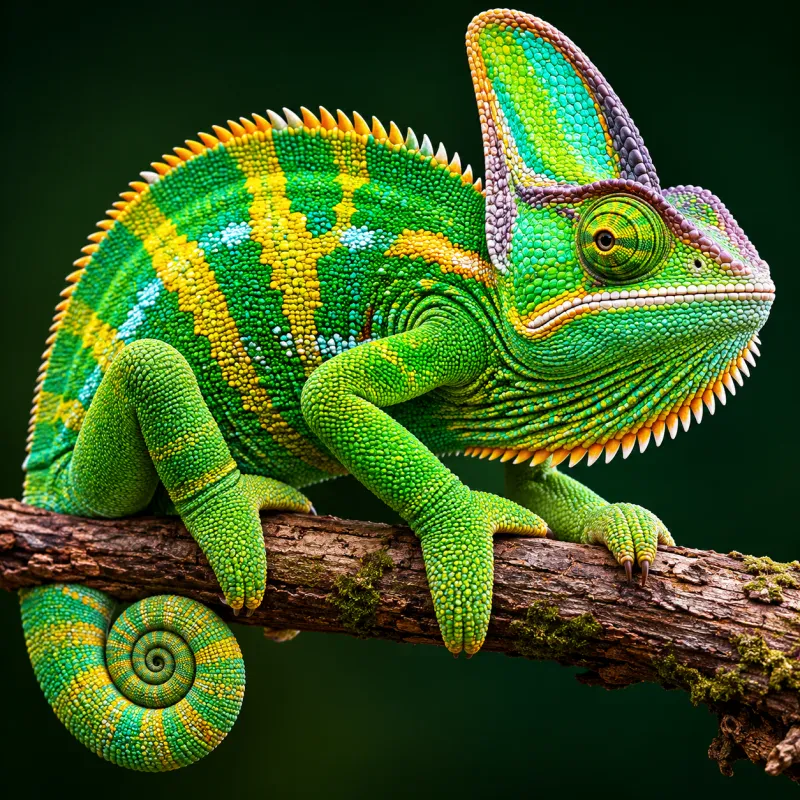
Veiled chameleons (Chamaeleo calyptratus) are among the most popular pet reptiles, prized for their striking colors, casque (head crest), and dynamic personalities. However, their care is not for the faint-hearted. One of the most critical—and confusing—aspects of veiled chameleon husbandry is the supplement schedule. In this comprehensive guide, we break down the roles of calcium with D3 vs without, the importance of multivitamin rotation, and how gut-loading feeder insects can prevent metabolic bone disease and other deficiencies. Whether you are a beginner or a seasoned keeper, this evidence-based approach will help your chameleon thrive.
Enclosure Setup
Veiled chameleons are arboreal and require a tall, well-ventilated enclosure. A minimum size for an adult is 24 inches wide, 24 inches deep, and 48 inches tall (60 x 60 x 120 cm). Use a screen cage (e.g., ReptiBreeze) to ensure airflow; glass enclosures trap humidity and can cause respiratory infections. Provide plenty of live, non-toxic plants (e.g., pothos, ficus, schefflera) for climbing and hiding. Horizontal branches at varying heights create a natural basking and travel network. A substrate of paper towels or reptile carpet is recommended for easy cleaning; avoid loose substrates that can cause impaction.
Heating and Lighting
Chameleons are ectothermic and need a temperature gradient. Basking spot: 85–90°F (29–32°C); ambient temperature: 75–80°F (24–27°C); night drop: 65–70°F (18–21°C). Use a low-wattage incandescent bulb or ceramic heat emitter for basking. UVB lighting is non-negotiable. A linear fluorescent bulb (e.g., ReptiSun 5.0 or 10.0) covering 2/3 of the cage is essential for vitamin D3 synthesis. Replace UVB bulbs every 6 months, even if they still emit light. Photoperiod: 12–14 hours of light daily.
Humidity and Hydration
Veiled chameleons require 50–70% humidity during the day, with spikes up to 80% at night. Use a misting system (e.g., MistKing) or hand-mist 2–3 times daily. Provide a drip system for drinking—chameleons rarely drink from standing water. A hygrometer is essential to monitor levels. Signs of dehydration: sunken eyes, wrinkled skin, and urates that are orange or brown instead of white.
Diet and Feeding
Feed juvenile chameleons daily (as many insects as they can eat in 10–15 minutes); adults every other day (5–8 large insects). Staple feeders: crickets, dubia roaches, black soldier fly larvae. Occasional treats: hornworms, silkworms, waxworms (high fat, use sparingly). Never feed wild-caught insects (pesticide risk). All insects must be gut-loaded for 24–48 hours before feeding (see section below).
Supplement Schedule: Calcium with D3 vs Without, and Multivitamin Rotation
This is the heart of veiled chameleon nutrition. Without proper supplementation, metabolic bone disease (MBD) is almost inevitable. Here is the standard protocol:
Calcium without D3
Use at every feeding for adults, and every feeding for juveniles (except when using calcium with D3). This provides elemental calcium without risk of vitamin D3 toxicity. Brand examples: Rep-Cal, Zoo Med Repti Calcium.
Calcium with D3
Use 2–3 times per week for juveniles, and once per week for adults. D3 helps absorb calcium but can accumulate to toxic levels if overused. If your chameleon gets adequate UVB, some keepers skip D3 entirely; however, most experts recommend a rotation for safety.
Multivitamin
Use once every 1–2 weeks for adults, and once weekly for growing juveniles. Look for a reptile-specific multivitamin containing vitamin A (preformed, not beta-carotene) and vitamin D3. Rotate brands (e.g., ReptiVite, Herptivite) to cover micronutrient gaps.
Sample Supplement Schedule Table
| Day | Supplement | Frequency |
|---|---|---|
| Monday | Calcium without D3 | Every feeding |
| Wednesday | Calcium with D3 | Once weekly (adults) |
| Friday | Multivitamin | Once weekly (juveniles) |
| Sunday | Calcium without D3 | Every feeding |
Always dust insects lightly—a thin coating is enough. Over-supplementation can cause gout or organ damage.
Gut-Loading Guide
Gut-loading means feeding nutritious foods to feeder insects 24–48 hours before offering them to your chameleon. This dramatically improves the nutritional value of the insects. Recommended gut-load foods:
- Leafy greens: collard greens, kale, mustard greens (avoid spinach and lettuce—low calcium or goitrogenic).
- Vegetables: carrots, sweet potatoes, squash, bell peppers.
- Fruits (in moderation): apples, oranges, berries.
- Commercial gut-load diets: Repashy Bug Burger, Fluker’s High-Calcium Cricket Diet.
- Hydration source: orange slices, water crystals (not standing water—drowning risk).
Avoid feeding insects dog food, cat food, or high-protein products; these can cause kidney damage in chameleons. A well-gut-loaded cricket can have 3–5 times more calcium than an unfed one.
Common Health Issues
- Metabolic Bone Disease (MBD): Soft jaw, tremors, bowed legs. Prevent with proper UVB and calcium schedule.
- Edema: Swelling under the skin (often from over-supplementation with vitamin A or D3).
- Respiratory Infections: Wheezing, open-mouth breathing, mucus—caused by high humidity or poor ventilation.
- Mouth Rot (Stomatitis): Swollen, discolored mouth lining—requires veterinary treatment.
- Dehydration: Sunken eyes, sticky urates—increase misting and drip.
Where Things Go Wrong
- Using calcium with D3 too often: Leads to hypercalcemia and organ damage.
- Skipping UVB: Even with D3 supplements, UVB is essential for natural synthesis and behavior.
- Over-supplementing multivitamins: Can cause vitamin A toxicity (edema, liver damage).
- Not gut-loading: Feeder insects are nutritionally poor; gut-loading is mandatory.
- Using a glass tank: Poor ventilation causes respiratory issues and stress.
- Handling too much: Chameleons are display animals; excessive handling causes chronic stress.
Conclusion
Mastering the veiled chameleon supplement schedule—calcium with D3 vs without, multivitamin rotation, and gut-loading—is the single most important step to preventing disease and ensuring a long, vibrant life. Combine this with a proper enclosure, UVB lighting, and careful hydration, and your chameleon will reward you with years of beauty. Always consult a reptile veterinarian if you notice any health changes. For more detailed schedules, visit ScalyPal.com.
Related Reading
- Veiled Chameleon Care Guide — Complete species manual with enclosure and lighting setup.
- Reptile Heating Guide — Heat mats, bulbs, ceramics, and thermostat comparison.
- Reptile UVB Lighting Guide — Ferguson Zones and bulb selection for chameleons.
Check optimal temps, calculate feeding, and find your perfect species match.
References
- Mader, D. R. (2006). Reptile Medicine and Surgery. Saunders Elsevier.
- Barten, S. L. (2019). Chameleon Care: A Complete Guide. Reptiles Magazine.
- Divers, S. J., & Stahl, S. J. (2019). Mader's Reptile and Amphibian Medicine and Surgery. Elsevier.
- Frye, F. L. (1995). Nutritional disorders in reptiles. In: Zoo and Wild Animal Medicine. W.B. Saunders.
🐾 Join the Community
See how other keepers set up their enclosures, ask questions, and share your experience.
🛠️ Apply What You Learned
Check optimal temps, calculate feeding schedules, and get calcium dosage — all personalized for your species.
Comments
No account needed — corrections, updates and questions are all welcome. For a full question with photos, the community Q&A is the better place.