Hognose Snake Feeding: Solutions for Fussy Eaters
Introduction
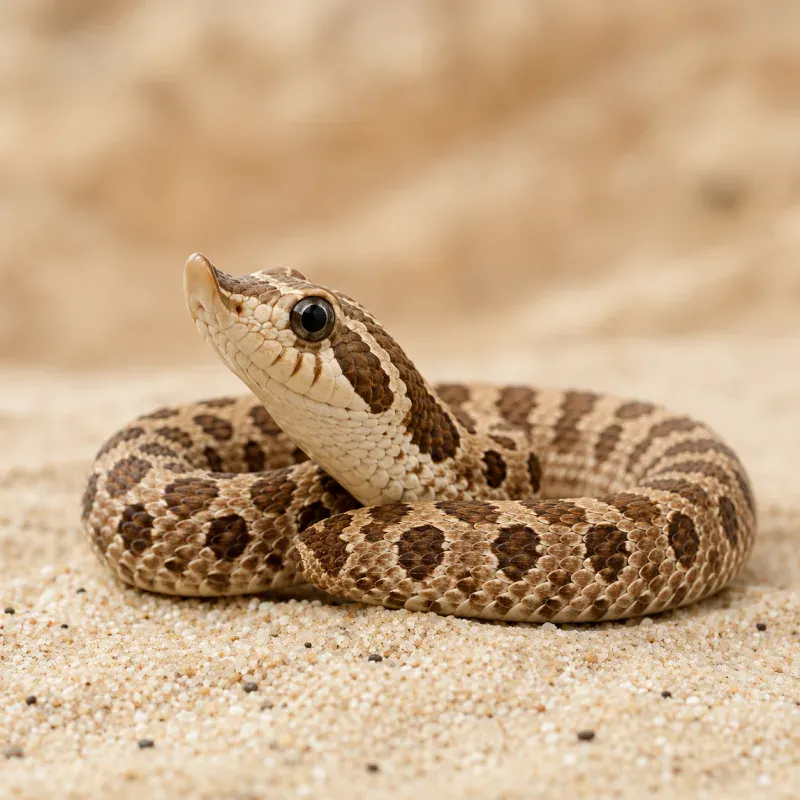
Hognose snakes (Heterodon nasicus, H. platirhinos, H. simus) are beloved for their dramatic defensive displays and adorable upturned snouts. However, their notoriously picky feeding habits can frustrate even experienced keepers. This comprehensive guide provides evidence-based solutions for fussy eaters, including toad scenting techniques, frog-based alternatives, Reptilinks, and a clear feeding schedule by age. Whether your snake is a hatchling refusing pinkies or an adult turning up its nose at rodents, you'll find practical, actionable advice to restore healthy feeding behavior.
Understanding Hognose Snake Feeding Behavior
In the wild, eastern hognose snakes (Heterodon platirhinos) specialize in feeding on toads, which produce bufotoxin—a defensive chemical that most predators avoid. This specialized diet can make transitioning to rodents challenging in captivity. Western hognose snakes (Heterodon nasicus) are more opportunistic but still prefer amphibians. Key factors influencing feeding include:
- Prey scent: Hognoses rely heavily on olfactory cues. Rodents smell nothing like toads or frogs.
- Prey movement: Live prey triggers stronger feeding responses than frozen-thawed items.
- Temperature and stress: Cool enclosures or excessive handling suppress appetite.
- Seasonal fasting: Many hognoses fast during brumation periods (winter) or breeding season.
Toad Scenting Techniques
Scenting involves applying the smell of a preferred prey item (toad or frog) onto an otherwise unappealing rodent. This is the most effective method for transitioning a fussy hognose to frozen-thawed mice.
How to Obtain Toad Scent
- Freeze-dried toad powder: Available from specialty reptile retailers (e.g., Reptilinks, Toad Scent).
- Fresh toad skin rinse: Use a clean, captive-bred toad (avoid wild toads due to parasites/pesticides). Gently rub the thawed mouse against the toad's skin.
- Frog legs or frog scent: Some keepers use frog legs (from pet stores) or frog scent (e.g., Frog Juice by Reptilinks).
Scenting Protocol
- Thaw a frozen mouse completely in warm water (not microwave).
- Pat the mouse dry with a paper towel.
- Lightly dust the mouse with freeze-dried toad powder or rub it against a toad-scented cloth/paper towel.
- Offer the scented mouse using tongs, wiggling it gently to simulate movement.
- If refused after 10 minutes, remove and try again in 48 hours.
Frog Alternatives and Reptilinks
If toad scenting fails, consider whole-prey alternatives that mimic natural amphibian prey.
Frog Alternatives
- Frozen-thawed frog legs: Available at Asian grocery stores or online. Offer whole legs (skin on) for young snakes.
- Live feeder frogs: Captive-bred leopard frogs or green frogs (avoid wild-caught due to parasites). Use only as a last resort—live prey can injure your snake.
- Frog-scented mouse pinks: Some keepers soak pinky mice in frog-scented water (from frog tank water) for 10 minutes before offering.
Reptilinks
Reptilinks are pre-made, balanced sausage-style diets made from whole prey (e.g., frog, quail, rabbit). They are an excellent alternative for hognoses that refuse rodents entirely.
| Product | Prey Base | Size Options | Best For |
|---|---|---|---|
| Frog Reptilink | Whole frog (skin, bone, organ) | Small, Medium, Large | Hatchlings and adults |
| Frog + Quail Reptilink | Frog and quail blend | Small, Medium | Transitioning to rodents |
| Rabbit Reptilink | Rabbit (high protein) | Medium, Large | Large adults |
How to feed Reptilinks: Thaw the link in warm water, cut to appropriate size (roughly 1.5x the snake's widest body width), and offer with tongs. Most hognoses accept them readily due to the natural frog scent.
Feeding Schedule by Age
Proper feeding frequency prevents obesity and supports growth. Adjust based on body condition (aim for a rounded, not square, body cross-section).
| Age | Prey Size | Frequency | Notes |
|---|---|---|---|
| Hatchling (0–6 months) | Pinky mouse or frog leg (size 0–1) | Every 5–7 days | Offer scented pinkies; if refused, try frog leg or Reptilink. |
| Juvenile (6–12 months) | Fuzzy mouse or small frog leg | Every 7–10 days | Gradually increase rodent size; continue scenting if needed. |
| Subadult (1–2 years) | Hopper mouse or medium Reptilink | Every 10–14 days | Most will accept unscented rodents by now. |
| Adult (2+ years) | Adult mouse or large Reptilink | Every 14–21 days | Monitor weight; reduce frequency if overweight. |
Important: If your snake refuses food for more than 4 weeks (juveniles) or 8 weeks (adults), consult a reptile veterinarian to rule out illness or parasites.
Enclosure Setup for Feeding Success
Stress is a primary cause of feeding refusal. Optimize your hognose's environment:
- Temperature gradient: Basking spot 90–95°F (32–35°C), cool side 70–75°F (21–24°C). Use a thermostat-controlled heat mat or ceramic heat emitter.
- Substrate: Aspen shavings or a sand/soil mix (40% play sand, 60% organic topsoil). Avoid cedar or pine (toxic).
- Hides: At least two hides (warm and cool side) plus deep substrate for burrowing.
- Feeding area: Offer food inside the enclosure (if not aggressive) or in a separate feeding container (some snakes associate enclosure opening with feeding).
- Lighting: UVB is not strictly required but can improve appetite. Provide a 12-hour day/night cycle.
Common Health Issues Affecting Appetite
Before assuming your hognose is simply picky, rule out underlying health problems:
- Respiratory infections: Wheezing, bubbles at nose, open-mouth breathing. Requires vet-prescribed antibiotics.
- Mouth rot (stomatitis): Redness, swelling, or pus in the mouth. Clean with diluted chlorhexidine and seek vet care.
- Parasites: Internal (nematodes, coccidia) or external (mites). Fecal tests are essential for new snakes.
- Impaction: Caused by ingesting substrate. Symptoms include lethargy, bloating, and no stool. Soak in warm water and consult a vet.
Pitfalls and How to Avoid Them
- Overhandling: Wait 48 hours after feeding before handling; avoid handling during shed cycles.
- Offering prey that's too large: Prey should be no wider than 1.5x the snake's widest body part.
- Using live prey excessively: Live rodents can bite and injure your snake. Use frozen-thawed whenever possible.
- Ignoring seasonal fasting: Many hognoses fast for 4–8 weeks in winter. This is normal if weight is stable.
- Changing prey type too quickly: Transition gradually: scented mouse → unscented mouse over 3–4 feedings.
Conclusion
Feeding a fussy hognose snake requires patience, creativity, and a solid understanding of their natural history. By combining toad scenting, frog alternatives, Reptilinks, and an appropriate feeding schedule, you can help even the pickiest eater thrive. Always prioritize a stress-free environment and consult a reptile veterinarian if refusal persists. With time and consistency, your hognose will develop a healthy feeding routine.
Related Reading
- Hognose Snake Care
- Hognose Morph Guide
- Feeder Insect Guide
- Hognose snake enclosure setup — why burrowing space matters for feeding.
Check optimal temps, calculate feeding, and find your perfect species match.
References
- Rossi, J. V. (2018). Hognose Snakes: Natural History and Captive Care. ECO Publishing.
- McPeek, M. A., & Brown, J. M. (2000). Geographic variation in the feeding ecology of the eastern hognose snake (Heterodon platirhinos). Copeia, 2000(4), 1055–1062.
- Reptilinks. (2025). Feeding Guide for Hognose Snakes. Retrieved from https://reptilinks.com/pages/feeding-guide
- Barten, S. L. (2019). Reptile and Amphibian Feeding Problems. Veterinary Clinics: Exotic Animal Practice, 22(2), 243–260.
🐾 Join the Community
See how other keepers set up their enclosures, ask questions, and share your experience.
🛠️ Apply What You Learned
Check optimal temps, calculate feeding schedules, and get calcium dosage — all personalized for your species.
Comments
No account needed — corrections, updates and questions are all welcome. For a full question with photos, the community Q&A is the better place.