Hognose Snake Morphs: Albino, Anaconda & More
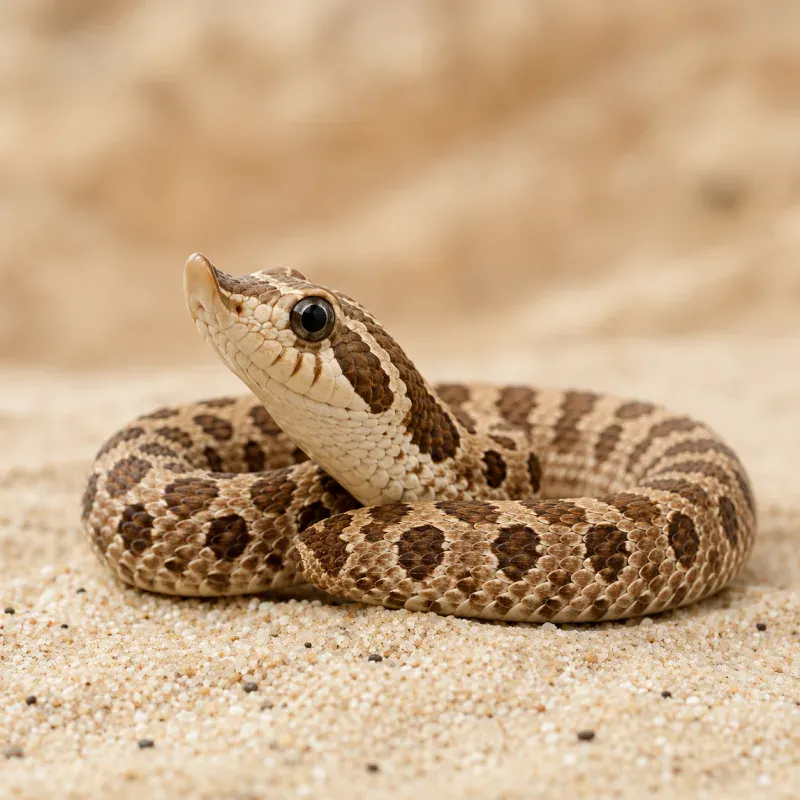
Introduction to Hognose Snake Morphs
The Western hognose snake (Heterodon nasicus) is a beloved pet known for its dramatic defensive displays and manageable size. Over the past decade, selective breeding has produced a dazzling array of color and pattern morphs. This guide covers seven popular morphs—albino, anaconda, superconda, axanthic, toffee belly, lavender, and extreme red—with detailed genetics, price ranges, and comprehensive care advice. Whether you're a beginner or an advanced keeper, understanding morph genetics helps you make informed decisions and appreciate the artistry behind each snake.
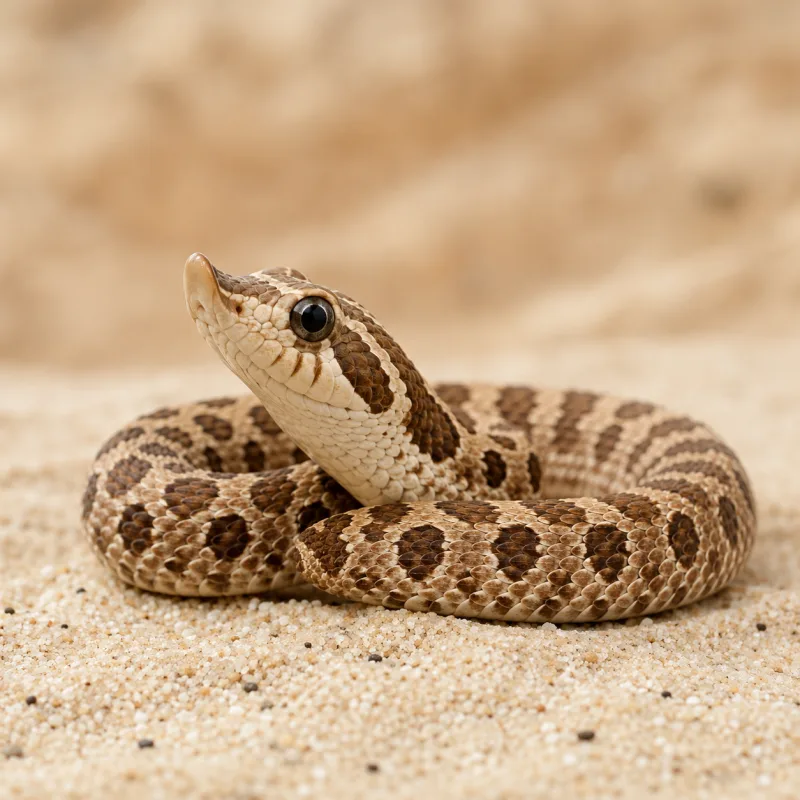
Before diving into each morph, it's essential to understand a few genetic basics. Recessive genes require both parents to carry the trait for it to be expressed visually. Incomplete dominant (or co-dominant) genes show a visible effect when only one copy is present, and an even stronger effect when two copies are present (e.g., anaconda vs. superconda). Polygenic traits are influenced by multiple genes, making them harder to predict but allowing for a wide range of expressions. Always ask your breeder for the genetic background of your snake to anticipate potential offspring outcomes.
Morph Overview & Genetics
Below is a comparison table summarizing each morph's appearance, genetic basis, and typical price range (as of 2025). Prices vary by lineage, sex, and breeder reputation.
| Morph | Appearance | Genetics | Price Range (USD) |
|---|---|---|---|
| Albino | Lack of black pigment; yellow, orange, and white tones; red eyes | Recessive (tyrosinase-negative) | $150–$400 |
| Anaconda | Reduced pattern with wide, connected dorsal blotches; often darker ground color | Incomplete dominant (Co-dominant) | $300–$800 |
| Superconda | Extreme pattern reduction; nearly solid dark snake with minimal markings | Homozygous anaconda | $800–$1,500 |
| Axanthic | Lack of yellow/red pigment; grayscale to silver appearance | Recessive | $200–$500 |
| Toffee Belly | Warm caramel belly; reduced dark pigment on venter; pattern varies | Recessive (toffee gene) | $250–$600 |
| Lavender | Soft purple-pink base with reduced black; pastel tones | Recessive (lavender gene) | $500–$1,200 |
| Extreme Red | Intense red-orange coloration; high contrast pattern | Polygenic/incomplete dominant | $400–$1,000 |
Albino Hognose
The albino morph is one of the most popular and affordable. It eliminates all black pigment, resulting in vibrant yellows, oranges, and whites with striking red eyes. Because it's recessive, both parents must carry the gene for visual albinos to appear in a clutch. This morph is excellent for beginners due to its low cost and availability.
Anaconda & Superconda
The anaconda gene is incomplete dominant, meaning a single copy produces the characteristic reduced pattern with wide, connected blotches. When two copies are present (homozygous), the result is the superconda—a nearly patternless snake with a dark, solid appearance. Supercondas are rarer and command higher prices. Breeders often pair anacondas with other morphs to create stunning combinations.
Axanthic
Axanthic hognoses lack yellow and red pigments, leaving them in shades of gray, silver, and black. This recessive morph is sometimes called "grayscale" and is prized for its stark, monochrome look. Axanthic snakes can display subtle blue or purple undertones depending on the lineage.
Toffee Belly
Named for its warm caramel-colored belly, this recessive morph also reduces dark pigment on the underside. The dorsal pattern varies widely, making each snake unique. Toffee belly genes can be combined with other recessives for multi-trait morphs.
Lavender
The lavender morph is a relatively recent addition, featuring a soft purple-pink base with reduced black patterning. It's recessive and still relatively rare, which explains its higher price point. Lavender hognoses are particularly sensitive to bright lighting, so provide plenty of shaded areas in the enclosure.
Extreme Red
This morph intensifies red and orange pigments, creating high-contrast patterns. It's believed to be polygenic, meaning multiple genes influence the final appearance, though some breeders treat it as incomplete dominant. Extreme red hognoses can range from deep crimson to bright tangerine.
Enclosure Setup
Hognose snakes are terrestrial burrowers. Provide a 20-gallon long tank (30×12×12 inches) for adults; juveniles can start in a 10-gallon. A secure lid is essential—these snakes are escape artists. Use aspen shavings (3–4 inches deep) for burrowing; avoid cedar or pine due to toxic oils. Include at least two hides (warm and cool side), a water dish large enough to soak in, and decor like cork bark, fake plants, and flat stones for climbing. Spot clean daily; replace substrate monthly.
Step-by-Step Enclosure Setup
- Choose the right tank: For an adult, a 20-gallon long (30×12×12 inches) is the minimum. Larger is always better—a 40-gallon breeder tank offers more space for enrichment. Juveniles can start in a 10-gallon (20×10×12 inches) but will outgrow it quickly.
- Install a secure lid: Hognoses are notorious escape artists. Use a locking screen lid or a sliding glass top with clamps. Ensure there are no gaps around tubing or wires.
- Add substrate: Aspen shavings are the gold standard—they allow burrowing and are low in dust. Pour 3–4 inches for juveniles, 4–6 inches for adults. Avoid cedar, pine, sand, or gravel, which can cause respiratory issues or impaction.
- Place hides: You need at least two identical hides—one on the warm side and one on the cool side. Identical hides prevent the snake from choosing warmth over security. Half-log hides, cork bark, or commercial reptile caves all work.
- Add a water dish: Use a heavy ceramic or glass bowl that won't tip. It should be large enough for the snake to soak in but shallow enough to prevent drowning. Place it on the cool side to maintain humidity.
- Decorate: Add fake plants, cork bark, and flat stones. These provide climbing opportunities and visual barriers, reducing stress. Avoid sharp objects that could injure the snake.
- Monitor with thermometers: Place a digital thermometer on both ends of the tank. A temperature gun is handy for spot-checking basking areas.
Substrate Comparison
| Substrate | Pros | Cons | Recommendation |
|---|---|---|---|
| Aspen shavings | Great for burrowing, low dust, absorbs moisture | Can mold if wet | Best choice |
| Cypress mulch | Holds humidity well | Not ideal for burrowing, may be too damp | Use only for humid hides |
| Reptile carpet | Easy to clean, no ingestion risk | Doesn't allow burrowing | Acceptable but not preferred |
| Sand | Naturalistic look | Can cause impaction if ingested, too dry | Avoid |
| Cedar/pine | None | Toxic oils, respiratory irritants | Never use |
Heating & Lighting
Maintain a temperature gradient: warm side 90–93°F (32–34°C), cool side 75–80°F (24–27°C). Use an under-tank heater (UTH) controlled by a thermostat placed on the warm side. A ceramic heat emitter or deep heat projector can supplement ambient temps. Hognose snakes are diurnal; provide a 12-hour day/night cycle with a low-wattage UVB bulb (5–6% T5) to support vitamin D synthesis and natural behaviors. Avoid hot rocks—they cause burns. Nighttime temps can drop to 70°F (21°C).
Setting Up a Thermostat
Never run a UTH without a thermostat. Here's how to set it up correctly:
- Plug the UTH into the thermostat's output socket.
- Place the thermostat probe directly on the substrate above the UTH, or between the UTH and the tank bottom (if using a glass tank).
- Set the thermostat to 92°F (33°C) for the warm side.
- Wait 30 minutes and verify with a temperature gun. Adjust as needed.
UVB Lighting
While not strictly required, UVB lighting is beneficial for hognose snakes. A 5–6% T5 bulb placed 12–18 inches above the basking spot provides adequate UVB. Run it on a 12-hour timer to mimic natural day/night cycles. Replace the bulb every 6–12 months, as UVB output diminishes over time even if the bulb still emits visible light.
Humidity & Hydration
Hognose snakes need moderate humidity (30–50%). In most homes, this is achieved with a water dish and aspen substrate. If shedding issues arise, provide a humid hide (plastic container with damp sphagnum moss) or lightly mist the enclosure. Avoid constant high humidity—it leads to respiratory infections. A digital hygrometer helps monitor levels. Always provide fresh, dechlorinated water in a heavy bowl that won't tip.
Creating a Humid Hide
- Take a plastic container with a lid (e.g., a deli cup or Tupperware).
- Cut a hole in the lid large enough for the snake to enter.
- Fill the container with damp sphagnum moss or paper towels.
- Place it on the warm side of the enclosure.
- Check and re-moisten the moss every few days to prevent mold.
Monitoring Humidity
Use a digital hygrometer placed at the cool end, away from the water dish. If humidity consistently exceeds 50%, increase ventilation by adding more screen mesh or reducing misting. If it drops below 30%, mist lightly or add a larger water bowl. During shedding, you can temporarily increase humidity to 60–70% for a few days.
Diet & Feeding
Hognose snakes are toad specialists in the wild but accept rodents in captivity. Feed appropriately sized frozen-thawed mice: pinkies for hatchlings, fuzzies for juveniles, and adult mice (small hoppers to adults) for mature snakes. Prey should be no larger than 1.5x the snake's widest part. Juveniles eat every 5–7 days; adults every 7–14 days. Use tongs to offer food; if the snake refuses, try scenting with a toad (consult a breeder for safe methods). Never handle within 48 hours of feeding to avoid regurgitation.
Feeding Schedule by Age
| Age | Prey Size | Frequency |
|---|---|---|
| Hatchling (0–6 months) | Pinkie mouse | Every 5–7 days |
| Juvenile (6–12 months) | Fuzzy mouse | Every 5–7 days |
| Subadult (1–2 years) | Small hopper mouse | Every 7–10 days |
| Adult (2+ years) | Adult mouse | Every 7–14 days |
Fussy Eaters & Toad Scenting
Some hognoses, especially wild-caught or newly imported individuals, refuse rodents. Here's how to transition them:
- Try offering a freshly killed (not frozen) pinkie mouse.
- If that fails, scent the mouse with a toad. You can rub the mouse against a live or frozen-thawed toad (never feed the toad to the snake).
- Alternatively, use commercial scenting products like Reptilinks or tuna juice (as a last resort).
- Gradually reduce the scent over several feedings until the snake accepts unscented mice.
Always use tongs to offer food. Never leave live prey unattended with your snake. If your snake refuses a meal, wait 7 days before offering again—do not offer more frequently, as this can stress the snake.
Handling & Temperament
Hognose snakes are known for their dramatic bluff displays: hissing, flattening their neck (cobra-like), and playing dead. These are stress responses, not aggression. Handle gently for 5–10 minutes, 2–3 times per week, to build trust. Support the body fully; avoid sudden movements. Juvenile hognoses may musk (release a foul odor) when frightened—this diminishes with age. Always wash hands before and after handling. Never handle during shed or after feeding.
Step-by-Step Handling Tips
- Wait at least 48 hours after feeding before handling.
- Approach the snake slowly from the side, not from above (which mimics a predator).
- Gently scoop the snake up with both hands, supporting the middle and lower body.
- Let the snake crawl through your hands—don't grip tightly.
- Keep handling sessions short (5–10 minutes) and increase gradually as the snake becomes more comfortable.
- If the snake hisses or plays dead, simply place it back in its enclosure and try again later. This is normal behavior.
Understanding Defensive Displays
- Hissing: A loud, prolonged hiss is a warning. It's harmless and usually subsides once the snake realizes you're not a threat.
- Cobra-like flattening: The snake flattens its neck and head to appear larger. This is bluff—they rarely bite.
- Playing dead: Some hognoses will roll onto their backs, open their mouths, and remain motionless. This is a stress response; gently turn them right-side up and leave them alone for a while.
- Musk: Juveniles may release a foul-smelling musk. It's harmless but unpleasant. Wash your hands thoroughly after.
Common Health Issues
- Respiratory infections: Symptoms include wheezing, open-mouth breathing, or bubbles from nose. Cause: low temps or high humidity. Treat with vet-prescribed antibiotics and husbandry correction.
- Scale rot: Red, blistered scales from wet substrate. Treatment: dry enclosure, betadine soaks, and veterinary care.
- Parasites: Internal (protozoans) or external (mites). Quarantine new snakes; use reptile-safe mite treatments.
- Obesity: Overfeeding leads to fatty liver disease. Stick to feeding schedule; monitor body condition.
- Shedding problems: Incomplete sheds from low humidity. Provide a humid hide; soak snake in shallow warm water if stuck shed persists.
Preventive Health Checklist
- Quarantine new snakes for 30–90 days in a separate room with different tools.
- Check feces for signs of parasites (e.g., blood, unusual consistency).
- Monitor weight monthly to ensure healthy growth.
- Keep a health journal to track shedding, feeding, and behavior.
- Schedule an annual vet check-up with a reptile-experienced veterinarian.
Avoid These Problems
- Overhandling: Stresses the snake; limit handling sessions, especially with new arrivals.
- Improper substrate: Avoid sand, gravel, or bark that can cause impaction. Aspen is best.
- Incorrect temperatures: Without a thermostat, UTHs can overheat and burn your snake.
- Feeding live prey: Live rodents can injure or kill a hognose. Always use frozen-thawed.
- Ignoring quarantine: New snakes should be isolated for 30–90 days to prevent disease spread.
- Assuming all morphs have same care: While care is similar, some morphs (like axanthic or lavender) may have slightly different lighting needs; always research your specific morph.
Troubleshooting Common Issues
| Problem | Likely Cause | Solution |
|---|---|---|
| Snake won't eat | Stress, shedding, or wrong prey size | Wait a week, try smaller prey, or scent with toad |
| Incomplete shed | Low humidity | Provide humid hide, soak in shallow warm water |
| Wheezing | Respiratory infection | Increase temps, reduce humidity, see vet |
| Red, blistered scales | Scale rot from wet substrate | Dry enclosure, betadine soaks, vet visit |
| Snake escapes | Loose lid or gap | Secure lid with clips, check for gaps |
Conclusion
Hognose snake morphs offer incredible variety for collectors and enthusiasts. From the classic albino to the rare superconda, each morph has unique genetics and price points. Proper husbandry—enclosure setup, heating, humidity, diet, and handling—ensures a healthy, long-lived snake (15–20 years). Always purchase from reputable breeders who prioritize health over color. With the right care, your hognose will thrive and provide years of fascinating companionship.
Frequently Asked Questions
What is the easiest hognose morph for a beginner?
The albino morph is the most affordable and widely available, making it an excellent choice for beginners. It has the same care requirements as other morphs, but its low price ($150–$400) and hardy nature make it ideal for first-time keepers.
Do different morphs require different care?
While all hognose morphs share similar care requirements, some morphs may have specific needs. For example, axanthic and lavender morphs may be more sensitive to bright lighting, so providing extra shaded areas is recommended. Always research your specific morph's needs, but the core husbandry (temperature, humidity, diet) remains the same.
How long do hognose snakes live?
With proper care, hognose snakes can live 15–20 years in captivity. This lifespan applies to all morphs, as genetics do not significantly impact longevity. Consistent husbandry and regular vet check-ups are key to maximizing your snake's lifespan.
Why is my hognose snake playing dead?
Playing dead is a natural defensive display in hognose snakes. It's a stress response triggered by fear or perceived threats. If your snake plays dead, gently turn it right-side up and leave it alone for a while. Over time, with gentle handling, this behavior usually diminishes.
Related Reading
- Hognose Snake Care Guide: Setup, Feeding & Handling — Learn the essentials of hognose habitats, feeding routines, and safe handling practices.
- Hognose Snake Feeding: Solutions for Fussy Eaters — Discover proven tricks to encourage picky hognose snakes to eat reliably.
- 30 Ball Python Morphs: Types, Prices & Genetics (2026 Guide) — Explore the most popular ball python morphs, their genetics, and price ranges.
- Reptile UVB Lighting Guide: Ferguson Zones & Bulb Selection — Understand UVB requirements for reptiles and how to choose the right bulbs.
- Reptile Vitamins & Supplements: Calcium With or Without D3 — Learn when to use calcium with or without D3 for optimal reptile health.
Check optimal temps, calculate feeding, and find your perfect species match.
References
- Hognose Snake Care Guide. ScalyPal.com.
- Hognose Snake Feeding Solutions. ScalyPal.com.
- Milk Snake Morph Guide. ScalyPal.com.
🐾 Join the Community
See how other keepers set up their enclosures, ask questions, and share your experience.
🛠️ Apply What You Learned
Check optimal temps, calculate feeding schedules, and get calcium dosage — all personalized for your species.
Comments
No account needed — corrections, updates and questions are all welcome. For a full question with photos, the community Q&A is the better place.