Hognose Snake Enclosure Setup: Size, Heat & Aspen
Introduction
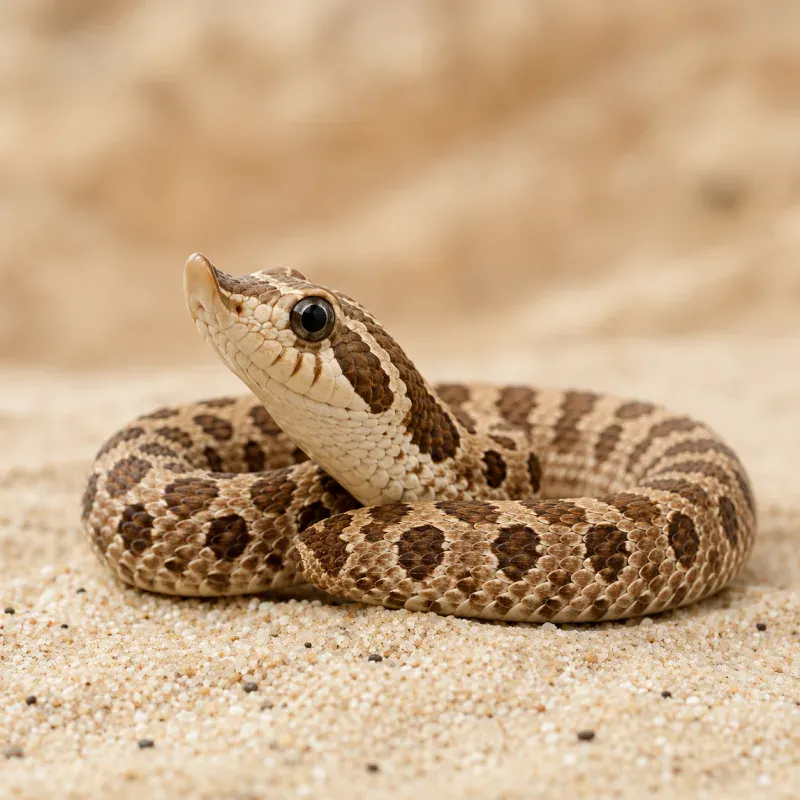
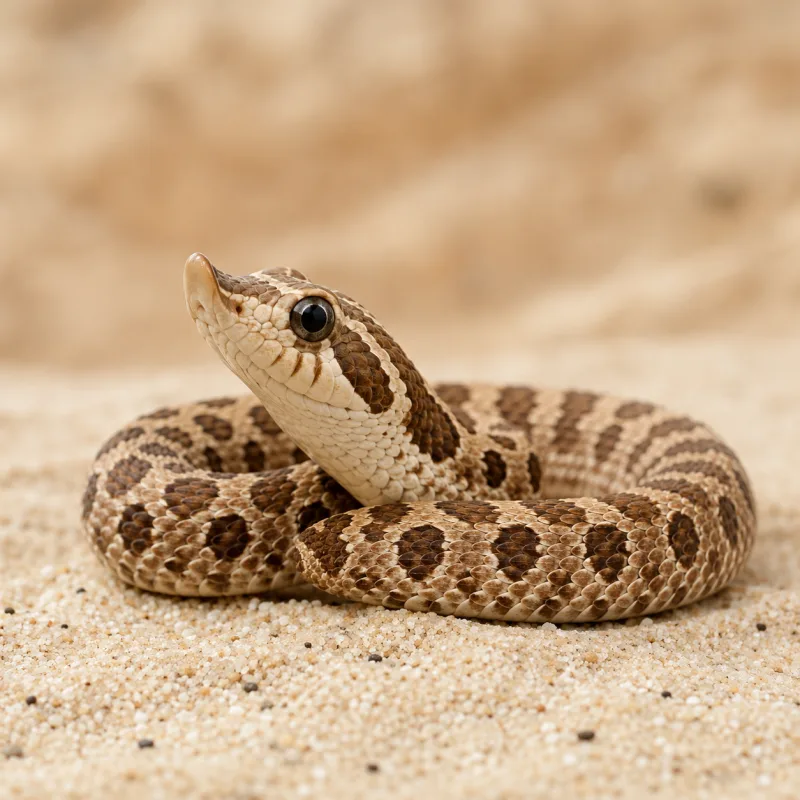
Hognose snakes are small, dramatic and deceptively active: a Western hognose that looks content in a 10-gallon tank at the pet store will spend its first month in your home trying to dig out of it. The species is a burrower with a shovel for a snout, and the enclosure has to match that. This guide covers the size that actually works, the substrate depth that makes them stop pacing, the heat gradient, and the lid security that stops the phone call every hognose keeper eventually gets.
Enclosure Size: Depth of Substrate Beats Floor Area
| Age | Minimum | Recommended | Why |
|---|---|---|---|
| Hatchling–juvenile | 10-gallon (20×10×12 in) | 20-gallon long | Small snakes stress in large open spaces without cover |
| Adult male (~18–24 in) | 20-gallon long (30×12×12 in) | 36×18×12 in | Females are bigger; males stay manageable |
| Adult female (up to 36 in) | 36×18×12 in | 40-gallon breeder (36×18×18 in) | More floor for burrowing and a wider gradient |
A front-opening PVC or wooden vivarium keeps heat and humidity far better than a screen-topped glass tank, and it makes lid escapes harder. Whatever you buy, the enclosure must hold at least 3–4 inches of substrate — if the tank is too short for that, the snake cannot express normal behaviour.
Substrate: Aspen Is the Default for a Reason
- Aspen shavings, 3–4 in deep: holds tunnels, dries well, cheap, safe if swallowed in small amounts. Spot-clean weekly, full change every 6–8 weeks.
- Cypress mulch: better in humid rooms, but heavier and slower to dry.
- Topsoil/sand mix (70/30): excellent for bioactive setups and natural burrows; needs a clean-up crew to stay fresh.
- Avoid: pine and cedar (aromatic oils), calcium sand (impaction risk), and anything damp enough to clump.
Give one humid hide filled with damp sphagnum moss at the cool end for shedding. Hognoses shed poorly in dry aspen alone, and stuck eye caps are the usual result.
Heat Gradient and Thermostat
| Zone | Target | Measurement point |
|---|---|---|
| Basking surface | 88–92°F (31–33°C) | Directly under the heat source, at substrate level |
| Warm side ambient | 82–85°F (28–29°C) | 2 in above the substrate |
| Cool side | 72–77°F (22–25°C) | Opposite end, away from all heat |
| Night | 70–75°F (21–24°C) | A natural drop is fine; avoid below 68°F |
Overhead heat is the better default: a halogen flood or deep heat projector on a dimming thermostat gives a basking surface the snake can actually use. A heat mat on the underside of a burrowing species is a burn risk — hognoses dig down into the warm spot and cannot always judge how hot it is. If you do use one, keep it on a thermostat with the probe fixed to the mat, not dangling in the air.
Humidity and Water
The Western hognose is a dry-prairie animal: 30–50% humidity suits it, with a humid hide for shedding rather than a globally damp enclosure. Constant dampness invites scale rot, especially where the belly contacts wet substrate.
- Water bowl: heavy, shallow, big enough to soak but no deeper than half the snake's body.
- Change water every second day; hognoses defecate in water often.
- Raise humidity temporarily when you see the eyes clear after a blue phase — shed usually follows within 48 hours.
Decor, Hides and Cover
- Two hides minimum: one warm, one cool. A third in the middle suits shy individuals.
- Cork flats and a few small branches — they climb more than the care sheets admit.
- Leaf litter over the aspen edge so the snake can move between cover without feeling exposed.
- Keep the floor mostly open: hognoses are diurnal ambush foragers and like to cruise.
Escape-Proofing: The Step Everybody Skips
Hognoses are among the most accomplished escape artists in the hobby. They push lids, wedge into cable gaps and follow warmth.
- Use a front-opening enclosure with a lock, or add lid clips — one per 6 inches of lid length.
- Seal cable entry holes with foam and check them monthly.
- Never leave the enclosure open "just for a second" during feeding; feed in a separate container or use tongs and close immediately.
- If the snake does get out, search warm, dark and low: behind fridges, along skirting boards, inside shoes.
A Note on Brumation Setup
If you plan to breed, adults need a cool period at 55–65°F for 8–10 weeks with no food and a water bowl available. A separate brumation container in a temperature-controlled room is far safer than trying to cool a glass tank in a warm house. Without breeding plans, this is optional — a normal seasonal night drop is enough.
Cleaning Routine
| Task | Frequency |
|---|---|
| Spot-clean waste and soiled aspen | Daily–every second day |
| Rinse water bowl, refresh humid hide moss | Every 2–3 days |
| Full substrate change and enclosure wipe-down | Every 6–8 weeks |
| Deep clean with reptile-safe disinfectant | Quarterly or after illness |
Common Mistakes
- Shallow substrate in a tall tank — the snake paces the glass instead of burrowing.
- Heat mat without a thermostat, which is the leading cause of thermal burns in this species.
- A screen lid without clips, followed by a missing snake.
- Keeping the enclosure too humid because it "looks tropical" — hognoses are not tropical.
- Handling on the day of feeding, which is the fastest route to a refused meal and a regurgitation.
Frequently Asked Questions
What size enclosure does a hognose snake need?
An adult male is fine in a 20-gallon long, and a 36×18×12-inch enclosure suits males and most females. Adult females that reach 30+ inches do best in a 40-gallon breeder. The critical requirement is 3–4 inches of diggable substrate, not floor area alone.
Can I use sand as hognose substrate?
Plain play sand alone is a poor choice — it does not hold tunnels, and ingested sand can cause impaction. A 70/30 topsoil-and-sand mix works well, and aspen remains the simplest safe option for most keepers.
How hot should the basking spot be for a hognose?
88–92°F measured at the substrate surface under the heat source, with a cool side of 72–77°F. Overhead halogen or a deep heat projector on a dimming thermostat is the safest way to hit that reliably.
Why is my hognose trying to escape all the time?
Usually because it cannot burrow deeply enough or the warm spot is not warm enough. Add more substrate, check the gradient with a temperature gun, and confirm the enclosure is not too large and open for a juvenile.
Do hognose snakes need UVB?
They can thrive without it, but a low-level forest UVB tube (2–5%) is a reasonable addition when paired with a proper basking spot. Always provide a shaded retreat so the snake can leave the light.
Related Reading
- Hognose Snake Care Guide — full husbandry, temperament and health.
- Hognose Snake Feeding Guide — prey size, schedules and fussy eaters.
- Reptile Thermostat Guide — dimming vs on/off for burrowing species.
- Reptile UVB Lighting Guide — tube selection and distance.
- Hognose Snake vs Kenyan Sand Boa — burrower comparison.
Check optimal temps, calculate feeding, and find your perfect species match.
🐾 Join the Community
See how other keepers set up their enclosures, ask questions, and share your experience.
🛠️ Apply What You Learned
Check optimal temps, calculate feeding schedules, and get calcium dosage — all personalized for your species.
Comments
No account needed — corrections, updates and questions are all welcome. For a full question with photos, the community Q&A is the better place.