Emerald Tree Skink Social Housing: Pairs & Trios
Introduction
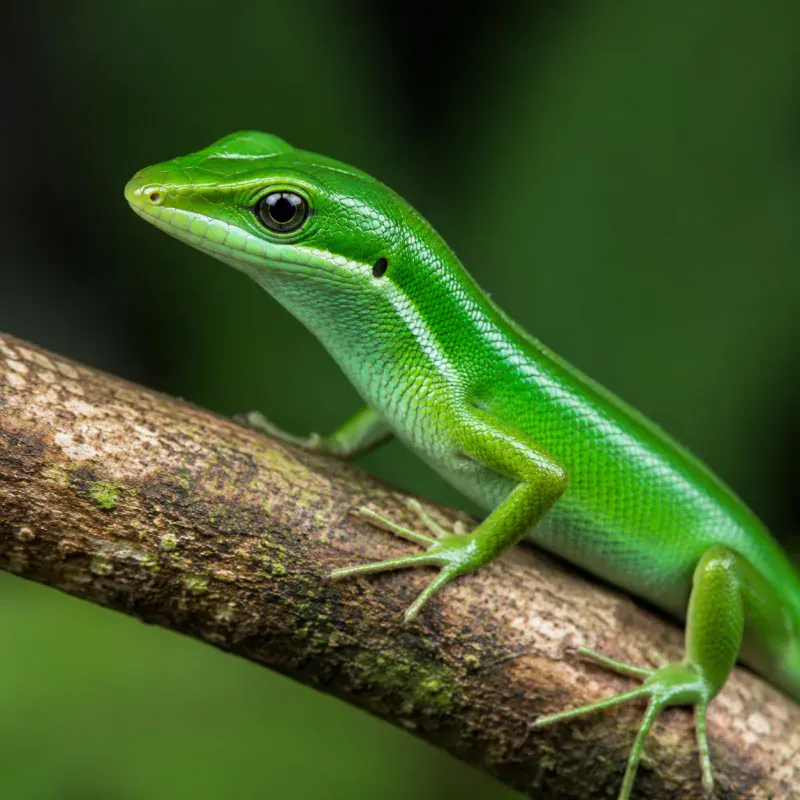
Emerald Tree Skinks (Lamprolepis smaragdina) are active, diurnal lizards native to the rainforests of Southeast Asia and the Pacific Islands. In the wild, they often live in small social groups, making them one of the few reptile species that can thrive in pairs or trios when housed correctly. This guide focuses on social housing—covering group dynamics, enclosure sizing for pairs and trios, and essential compatibility tips to ensure your skinks live harmoniously.
Social Dynamics and Compatibility
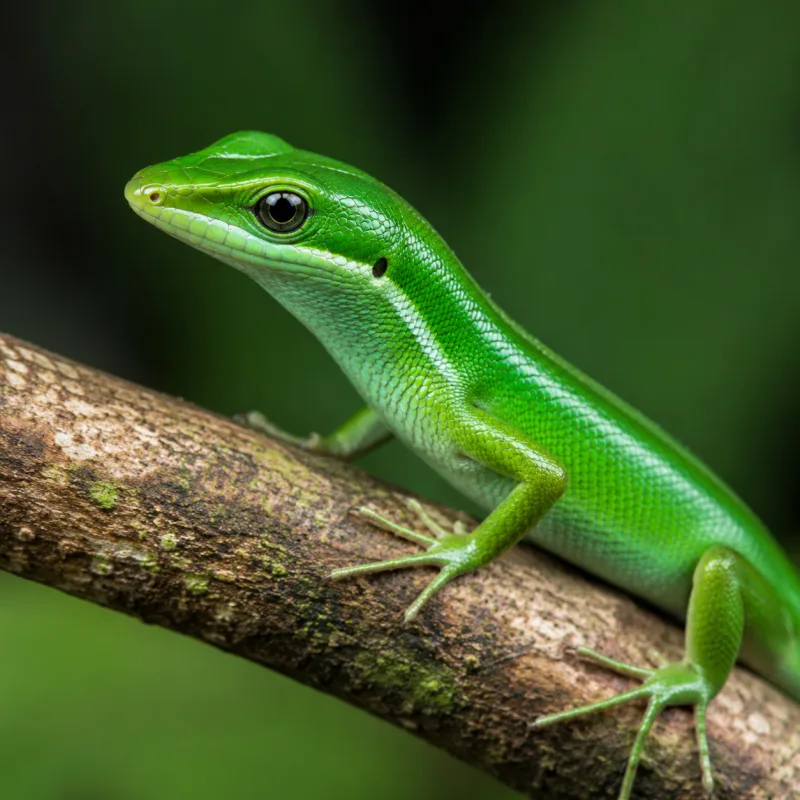
Emerald Tree Skinks are generally peaceful but have a clear social hierarchy. In captivity, a single male with one or two females works best. Males are territorial and will fight if housed together, leading to stress, injury, or death. Two females can coexist peacefully, but introducing a second male almost always results in aggression. When forming a group, always quarantine new individuals for 30–60 days and observe for signs of dominance (head bobbing, chasing, tail wagging) before full introduction. Provide multiple basking spots and hiding places to reduce competition.
Understanding Group Dynamics
In the wild, Emerald Tree Skinks form loose colonies with a dominant male overseeing a small harem of females. This social structure is driven by resource availability and mating opportunities. In captivity, replicating this dynamic requires careful observation and planning.
- Dominance Displays: Head bobbing, tail wagging, and chasing are normal behaviors during hierarchy establishment. Minor skirmishes are expected, but persistent aggression (biting, wrestling) is a red flag.
- Female-Female Pairs: Two females can coexist peacefully, especially if introduced as juveniles. They may still establish a subtle pecking order, but this rarely escalates to injury.
- Male-Female Pairs: A single male with one female is the simplest pairing. The male will court the female with head bobs and nudges. Ensure the female has a retreat to escape unwanted advances.
- Male-Male Pairs: Never house two males together. Even in large enclosures, they will fight for dominance, leading to severe stress, bite wounds, and possibly death.
Quarantine and Introduction Protocol
Quarantine is non-negotiable when adding any new skink to your group. This prevents the spread of parasites and diseases, which can devastate an established colony.
- Isolation: Keep new arrivals in a separate enclosure for 30–60 days. Monitor for signs of illness (lethargy, abnormal stools, respiratory issues) and treat as needed.
- Observation: After quarantine, place the new skink in a clear container inside the main enclosure for short periods. This allows visual and olfactory introduction without physical contact.
- Supervised Introduction: Release the new skink in the main enclosure during daylight hours. Watch for 15–30 minutes. Minor chasing is normal; intervene if biting or persistent aggression occurs.
- Separation Plan: Have a backup enclosure ready in case introductions fail. It's better to house separately than to risk injury.
Signs of Healthy vs. Unhealthy Group Dynamics
| Healthy Signs | Unhealthy Signs |
|---|---|
| Skinks bask together without tension | Constant hiding or avoidance |
| Shared feeding without food guarding | One skink monopolizes food or basking spots |
| Occasional head bobbing (mild) | Bite wounds, torn scales, or tail loss |
| Regular activity and exploration | Lethargy, loss of appetite, or weight loss |
Enclosure Size for Pairs and Trios
Space is critical for social harmony. For a single Emerald Tree Skink, a 20-gallon tall (24"×12"×16") enclosure is the minimum. For a pair, upgrade to at least a 36"×18"×24" (40–50 gallon) enclosure. For a trio (one male, two females), a 48"×24"×24" (75–100 gallon) is recommended. These arboreal skinks need vertical space for climbing branches, vines, and cork bark. The floor area matters less than height; aim for at least 24 inches of vertical space. A larger enclosure reduces stress and allows each skink to establish its own territory.
| Group Size | Minimum Enclosure Dimensions | Volume | Key Features |
|---|---|---|---|
| Single | 24"×12"×16" | 20 gallons | One basking spot, multiple hides |
| Pair (1M/1F) | 36"×18"×24" | 40–50 gallons | Two basking spots, multiple hides, climbing branches |
| Trio (1M/2F) | 48"×24"×24" | 75–100 gallons | Three basking spots, dense foliage, multiple feeding stations |
Why Vertical Space Matters
Emerald Tree Skinks are arboreal, spending most of their time in the canopy. In a tall enclosure, you can create multiple vertical layers using branches, vines, and ledges. This allows each skink to claim a different height, reducing competition. A 24-inch minimum height is essential; anything shorter limits natural behaviors and increases stress.
Upgrading for a Trio
When moving from a pair to a trio, you need to add at least 25 gallons of volume. A 48"×24"×24" enclosure provides enough horizontal and vertical space for three skinks to establish separate territories. Add extra basking spots, hides, and feeding stations to prevent resource guarding.
Enclosure Setup and Furnishings
Replicate a rainforest canopy. Use a substrate like coconut coir, cypress mulch, or a bioactive mix to maintain humidity. Provide sturdy branches, cork tubes, and live or artificial plants (e.g., pothos, bromeliads). Multiple hides at different heights are essential—each skink should have a retreat. A water dish large enough for soaking (but not deep enough to drown) should be placed on the cool side. Misting twice daily helps maintain humidity (60–80%) and provides drinking water from leaves.
Step-by-Step Setup
- Substrate: Lay 2–3 inches of coconut coir or cypress mulch. For a bioactive setup, add a drainage layer, substrate, and leaf litter to support microfauna.
- Climbing Structure: Install sturdy branches (oak, grapevine, or manzanita) that span the enclosure's height. Secure them with aquarium-safe silicone or zip ties to prevent falls.
- Foliage: Add live plants like pothos, bromeliads, or ficus. Artificial plants work too, but live ones help maintain humidity. Ensure plants are non-toxic.
- Hides: Place at least one hide per skink, at different heights. Cork tubes, half-logs, or commercial reptile hides work well.
- Water Dish: Use a shallow, heavy dish that won't tip. Place on the cool side. Change water daily.
- Misting: Mist twice daily with a spray bottle or automated system. Focus on leaves and branches where skinks drink.
Common Setup Mistakes
- Overcrowding with decor: Too many items can block movement and cause stress. Leave clear pathways.
- Unstable branches: A falling branch can injure a skink. Test stability before adding.
- No escape routes: Ensure each skink can move from one side of the enclosure to the other without crossing another skink's territory.
Heating and Lighting
Emerald Tree Skinks require a basking spot of 90–95°F (32–35°C) and a cool side of 75–80°F (24–27°C). Nighttime temperatures can drop to 70°F (21°C). Use a low-wattage basking bulb (50–75W) and a UVB linear fluorescent tube (5.0 or 6% T5) covering 2/3 of the enclosure. UVB is essential for vitamin D3 synthesis and calcium metabolism. Provide a 12-hour photoperiod. Avoid heat rocks—they can cause burns. Monitor temperatures with digital probes at basking and cool zones.
Setting Up Heat and UVB
- Basking Spot: Place a basking bulb at one end of the enclosure, directed at a branch or platform. Use a thermostat to maintain 90–95°F.
- Cool Zone: The opposite end should remain 75–80°F. This gradient lets skinks thermoregulate.
- UVB Placement: Mount the linear tube inside the enclosure (or on top if using mesh). Ensure it covers 2/3 of the length. Replace the bulb every 6–12 months, even if it still emits light, as UVB output degrades.
- Photoperiod: Use a timer to provide 12 hours of light and 12 hours of darkness. This mimics natural day-night cycles.
Temperature Troubleshooting
| Problem | Solution |
|---|---|
| Basking spot too hot | Increase distance from bulb or use a dimmer. |
| Cool side too cold | Add a low-wattage ceramic heat emitter on a thermostat. |
| Night temps dropping below 70°F | Use a ceramic heat emitter with a thermostat set to 70°F. |
| UVB not reaching skinks | Ensure no glass or plastic blocks UVB; place basking branch within 12 inches of the bulb. |
Humidity and Hydration
Humidity should be 60–80%, with spikes up to 90% after misting. Use a hygrometer to monitor. Misting manually or with an automatic system twice daily is sufficient. A humid hide (e.g., a small container with damp sphagnum moss) aids shedding. Ensure good ventilation to prevent mold. Skinks will drink water droplets from leaves and the water dish; change water daily.
Maintaining Humidity
- Manual Misting: Mist thoroughly in the morning and evening. Use a fine mist to coat leaves and branches.
- Automatic Misting: A misting system with nozzles can maintain consistent humidity. Set it to mist for 30 seconds, 2–3 times daily.
- Humid Hide: Fill a small container with damp sphagnum moss and place it at mid-height. This creates a microclimate for shedding.
- Monitoring: Use a digital hygrometer placed at mid-height. Adjust misting based on readings.
Humidity Problems and Fixes
| Issue | Cause | Solution |
|---|---|---|
| Humidity too low (below 60%) | Insufficient misting, dry substrate | Increase misting frequency, add a larger water dish, or use a fogger. |
| Humidity too high (above 90% constantly) | Poor ventilation, over-misting | Increase airflow with a small fan or vent, reduce misting. |
| Mold growth | Stagnant air, excess moisture | Improve ventilation, remove moldy substrate, spot-clean regularly. |
Diet and Feeding
Emerald Tree Skinks are insectivores. Feed a variety of gut-loaded insects: crickets, dubia roaches, black soldier fly larvae, and occasional mealworms or waxworms (as treats). Dust insects with calcium powder (without D3) at every feeding for adults, and with a multivitamin once a week. Juveniles need calcium with D3 daily. Feed adults every other day (3–4 insects per skink), juveniles daily. Provide a shallow dish of calcium powder in the enclosure. Avoid wild-caught insects to prevent pesticide exposure.
Feeding Schedule and Portions
| Age | Frequency | Amount per Skink | Supplementation |
|---|---|---|---|
| Juvenile | Daily | 2–3 small insects | Calcium with D3 daily |
| Adult | Every other day | 3–4 insects | Calcium without D3 at each feeding; multivitamin once weekly |
Gut-Loading and Supplementation
Gut-loading insects for 24 hours before feeding ensures your skinks get essential nutrients. Use a commercial gut-load diet or fresh vegetables like carrots, leafy greens, and sweet potatoes. Dust insects immediately before offering them. Place the insects in a small bowl or offer with tongs to prevent them from escaping into the substrate.
Common Feeding Mistakes
- Feeding only crickets: This leads to nutritional deficiencies. Rotate at least three insect types.
- Overfeeding treats: Waxworms and mealworms are high in fat. Offer no more than once a week.
- Skipping calcium: For adults, calcium without D3 is essential. For juveniles, D3 is critical for bone development.
- Feeding wild-caught insects: These may carry pesticides or parasites. Always use captive-bred insects from a reputable supplier.
Handling and Temperament
Emerald Tree Skinks are generally skittish and prefer observation over handling. They can be tamed with patience—start by offering food from tongs, then gently scooping them up. Support the body fully; never grab the tail, as they can drop it (autotomy). Handle for short sessions (5–10 minutes) and return them to the enclosure. Some individuals become calm with regular interaction, but they are not “cuddly” pets. Always supervise children around them.
Step-by-Step Taming
- Acclimation: Allow new skinks 1–2 weeks to settle before attempting handling.
- Hand Feeding: Offer insects with tongs. This builds trust and associates your presence with food.
- Gentle Scooping: Place one hand under the skink's belly, allowing it to walk onto your palm. Never grab from above—this triggers a fear response.
- Short Sessions: Keep handling to 5–10 minutes. Overhandling causes stress.
- Consistency: Handle regularly (2–3 times per week) to maintain tameness. Sporadic handling can cause regression.
Signs of Stress
- Tail dropping
- Frequent hiding
- Refusing food
- Darkened coloration
- Rapid breathing
If you notice these signs, reduce handling frequency and give your skink more time to acclimate.
Common Health Issues
- Metabolic Bone Disease (MBD): Caused by calcium deficiency or lack of UVB. Symptoms include lethargy, soft jaw, tremors. Prevent with proper UVB and calcium supplementation.
- Respiratory Infections: Often due to low temperatures or high humidity without ventilation. Signs: wheezing, open-mouth breathing, nasal discharge. Increase temperature and consult a vet.
- Parasites: Internal (protozoa, worms) or external (mites). Quarantine new arrivals and have fecal exams done annually.
- Tail Loss: Stress or rough handling. Regrows over weeks, but avoid causing it.
- Skin Shedding Issues: Low humidity. Provide humid hide and mist regularly.
Preventive Care Checklist
- Annual fecal exam by a reptile vet.
- Replace UVB bulb every 6–12 months.
- Monitor temperature and humidity daily.
- Quarantine new arrivals for 30–60 days.
- Spot-clean enclosure weekly, deep-clean monthly.
What Beginners Often Get Wrong
- Housing two males together: Leads to fighting, stress, and injury. Never cohabitate males.
- Too small enclosure: Causes aggression and poor health. Always err on the side of larger.
- Ignoring UVB: Without UVB, MBD is almost inevitable. Use a quality linear bulb.
- Overhandling: Causes chronic stress, leading to illness. Let them acclimate first.
- Improper humidity: Too dry causes shedding problems; too wet leads to scale rot. Maintain 60–80%.
- Inadequate diet variety: Feeding only crickets leads to nutritional deficiencies. Rotate insects and dust supplements.
Conclusion
Emerald Tree Skinks can be rewarding group pets when their social needs are met. Provide ample space, multiple resources, and a stable environment. A single male with one or two females in a large, vertically-oriented enclosure will thrive. Monitor behavior regularly, and separate any individuals showing persistent aggression. With proper care, these beautiful skinks will live 8–12 years and display fascinating social interactions.
Frequently Asked Questions
Can I house two male Emerald Tree Skinks together?
No. Males are territorial and will fight if housed together, leading to stress, injury, or death. The only safe group is a single male with one or two females, or a pair of females.
What is the minimum enclosure size for a pair of Emerald Tree Skinks?
A pair requires at least a 36"×18"×24" enclosure, which is 40–50 gallons. For a trio (one male, two females), upgrade to a 48"×24"×24" (75–100 gallons) to provide enough vertical space and reduce competition.
How do I know if my Emerald Tree Skinks are fighting or just establishing dominance?
Minor head bobbing, chasing, and tail wagging are normal during hierarchy establishment. However, biting, wrestling, or persistent aggression that leads to injury or stress requires immediate separation. Provide multiple basking spots and hides to reduce competition.
What should I do if my Emerald Tree Skink drops its tail?
Tail loss (autotomy) is a stress response or result of rough handling. Keep the enclosure clean to prevent infection, and the tail will regrow over weeks. Avoid grabbing the tail, and handle your skink gently, supporting its body fully.
Related Reading
- Emerald Tree Skink Care: Complete Arboreal Gem Guide — Master the essentials of housing, heating, and humidity for this arboreal species.
- Emerald Tree Skink Diet: Nutrition & Supplement Schedule — Learn the ideal insect prey, feeding frequency, and vitamin supplementation for your skink.
- Emerald Tree Skink Enclosure Design — Discover how to create a bioactive, climbing-rich habitat that supports social groups.
- Reptile UVB Lighting Guide: Ferguson Zones & Bulb Selection — Understand UVB requirements for diurnal skinks and choose the right bulb.
- Reptile Vitamins & Supplements: Calcium With or Without D3 — Clarify calcium and D3 dosing to prevent metabolic bone disease in your skink.
Check optimal temps, calculate feeding, and find your perfect species match.
References
- Emerald Tree Skink Care Guide. ScalyPal.com.
- Crested Gecko Care Guide. ScalyPal.com.
- Bioactive Enclosure Guide. ScalyPal.com.
🐾 Join the Community
See how other keepers set up their enclosures, ask questions, and share your experience.
🛠️ Apply What You Learned
Check optimal temps, calculate feeding schedules, and get calcium dosage — all personalized for your species.
Comments
No account needed — corrections, updates and questions are all welcome. For a full question with photos, the community Q&A is the better place.