Emerald Tree Skink Diet: Nutrition & Supplement Schedule
Introduction
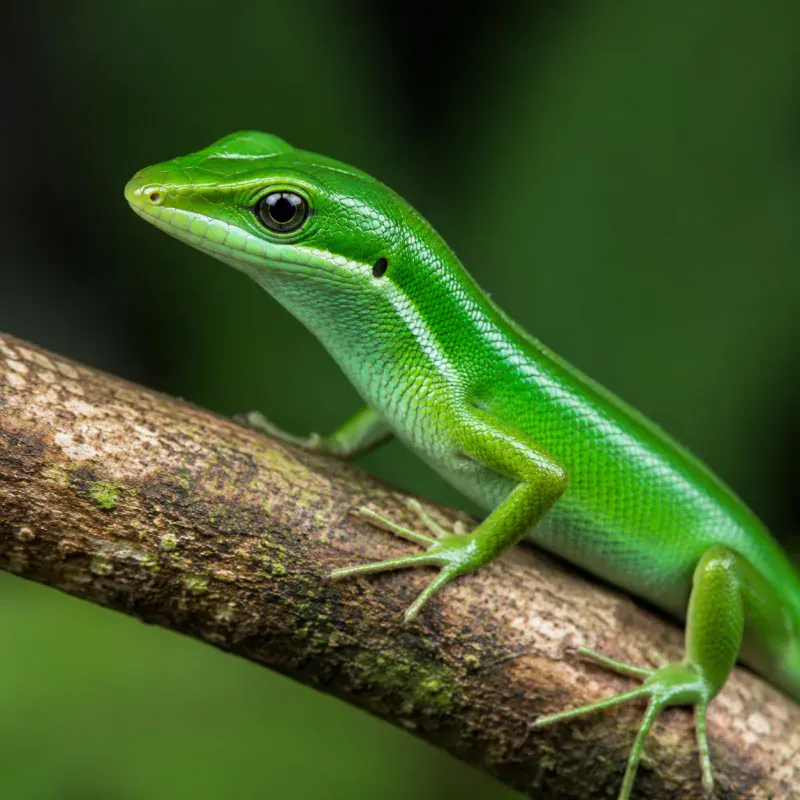
The Emerald Tree Skink (Lamprolepis smaragdina) is a stunning, arboreal lizard known for its vivid green coloration and active, diurnal behavior. Native to the rainforests of Southeast Asia, these skinks thrive on a varied, insect-based diet supplemented with occasional fruits and calcium. A balanced feeding plan is essential for their longevity (up to 8–12 years in captivity), vibrant color, and overall health. This guide provides a science-backed, actionable nutrition roadmap for keepers of all experience levels.
Enclosure Setup for Optimal Feeding
Before diving into diet, ensure your skink’s enclosure supports natural feeding behaviors. Emerald Tree Skinks are arboreal and need vertical space, branches, and foliage to hunt and forage.
Enclosure Dimensions
Minimum size for a single adult is 18" x 18" x 36" (45 x 45 x 90 cm), with larger preferred for pairs or groups. Use a screen-top or mesh enclosure for ventilation.
Feeding Stations
- Place a shallow, heavy dish for fruit and calcium powder at mid-height on a sturdy branch.
- Use a feeding ledge or cup for live insects to prevent escape and substrate ingestion.
- Provide a small water dish (changed daily) for drinking and humidity.
Heating and Lighting Requirements
Proper thermoregulation is critical for digestion and nutrient absorption. Emerald Tree Skinks are diurnal and require UVB lighting.
Temperature Gradient
| Zone | Temperature (°F) | Temperature (°C) |
|---|---|---|
| Basking spot | 88–92°F | 31–33°C |
| Warm ambient | 78–82°F | 26–28°C |
| Cool zone | 70–75°F | 21–24°C |
| Nighttime drop | 65–70°F | 18–21°C |
UVB Lighting
Use a 5–6% UVB T5 or compact bulb over the basking area, on for 10–12 hours daily. UVB enables vitamin D3 synthesis, critical for calcium metabolism and preventing metabolic bone disease (MBD). Replace bulbs every 6–12 months.
Humidity and Hydration
Emerald Tree Skinks require 70–85% humidity, mimicking their tropical rainforest habitat. Low humidity leads to dehydration and poor shedding.
Maintaining Humidity
- Mist the enclosure 2–3 times daily with dechlorinated water.
- Use a hygrometer to monitor levels; add a fogger or humidifier if needed.
- Provide a shallow water dish; skinks will drink from droplets on leaves.
Hydration Tips
Offer water via a dripper system or misting to simulate rainfall. Always provide clean, fresh water. Dehydration signs include sunken eyes, wrinkled skin, and lethargy.
Diet and Feeding: Complete Nutrition Plan
Emerald Tree Skinks are omnivorous, but their diet should be heavily insect-based (70–80%) with fruits and occasional greens (20–30%). Variety is key to prevent nutritional deficiencies.
Insect Variety (Staples)
- Crickets – Gut-loaded with calcium-rich greens; dust with supplement before feeding.
- Dubia roaches – High in protein and easy to gut-load.
- Black soldier fly larvae – Excellent calcium-to-phosphorus ratio.
- Mealworms – Offer sparingly (high fat); use as treats.
- Silkworms – Nutrient-dense and soft-bodied.
- Waxworms – Only as occasional treats (very fatty).
Fruit Options (Treats)
- Mango – High in vitamin A.
- Papaya – Rich in digestive enzymes.
- Blueberries – Antioxidants.
- Banana – High potassium (feed sparingly).
- Squash or sweet potato – Cooked, mashed for extra fiber.
Foods to Avoid
- Citrus fruits (too acidic).
- Avocado (toxic).
- Wild-caught insects (pesticide risk).
- Spinach (high oxalates bind calcium).
Supplement Schedule
Without proper supplementation, Emerald Tree Skinks are prone to MBD, vitamin A deficiency, and other issues. Use a schedule based on age and life stage.
Calcium and Vitamin D3
| Life Stage | Calcium (with D3) | Calcium (without D3) | Multivitamin |
|---|---|---|---|
| Juveniles (0–12 months) | Every feeding | Every other feeding | Once weekly |
| Adults (12+ months) | Every other feeding | Twice weekly | Once every 2 weeks |
| Breeding females | Every feeding | Daily | Once weekly |
Multivitamin Brands
Use a reptile-specific multivitamin (e.g., Repashy SuperVite, Zoo Med Reptivite) containing preformed vitamin A (retinol) and vitamin D3. Avoid beta-carotene-only supplements, as skinks convert it poorly.
Application Tips
- Place insects in a plastic bag with a pinch of supplement; shake gently to coat.
- Dust fruit pieces lightly with calcium powder.
- Do not over-supplement; follow schedule precisely.
Handling and Feeding Interaction
Emerald Tree Skinks are generally skittish but can become tame with gentle, consistent handling. Use feeding as a bonding tool.
Handling Protocol
- Allow 2–3 days for acclimation after purchase.
- Start with hand-feeding small insects (tweezers) to build trust.
- Support the body fully; never grab the tail (autotomy risk).
- Limit handling to 10–15 minutes daily to reduce stress.
Feeding Frequency
- Juveniles: Feed daily (6–8 insects per feeding).
- Adults: Feed every other day (4–6 insects plus fruit).
- Breeding females: Feed daily, extra calcium.
Common Health Issues
Nutrition-related problems are common in captive Emerald Tree Skinks. Recognize signs early.
Metabolic Bone Disease (MBD)
Cause: Calcium deficiency or improper UVB. Symptoms: soft jaw, tremors, lethargy, deformed limbs. Treatment: Immediate UVB correction, calcium glubionate injections (vet), and dietary overhaul.
Vitamin A Deficiency
Cause: Lack of preformed vitamin A. Symptoms: swollen eyes, respiratory infections, poor shedding. Treatment: Supplement with retinyl acetate or feed liver once weekly (vet guidance).
Obesity
Cause: Overfeeding high-fat insects (waxworms, superworms). Prevention: Limit treats, weigh monthly, adjust portions.
Dehydration
Cause: Low humidity or no water source. Prevention: Mist daily, provide dripper, soak skink in shallow warm water if needed.
Pitfalls to Watch For
- Over-relying on one insect feeder – Leads to nutrient imbalances. Rotate at least 3–4 insect types.
- Skipping UVB – Even with supplements, UVB is essential for D3 synthesis.
- Feeding wild-caught insects – Risk of parasites and pesticides.
- Using calcium without D3 exclusively – Skinks need D3 for absorption; balance with UVB.
- Ignoring fruit preparation – Wash thoroughly, remove pits/seeds, chop into small pieces.
- Feeding too much fruit – High sugar content can cause obesity and diarrhea.
Comparison Table: Common Skink Diets
| Species | Insect % | Fruit % | Greens % | Supplement Needs |
|---|---|---|---|---|
| Emerald Tree Skink | 70–80% | 15–20% | 5–10% | High calcium, D3, multivitamin |
| Blue-Tongue Skink | 40–50% | 10–15% | 40–50% | Calcium, D3, multivitamin |
| Fire Skink | 60–70% | 10% | 20–30% | Calcium, D3, multivitamin |
Conclusion
A well-planned diet is the cornerstone of Emerald Tree Skink health. By providing a varied insect menu, occasional fruits, and a strict supplement schedule, you’ll support vibrant coloration, strong bones, and a long, active life. Always pair nutrition with proper UVB, humidity, and a stress-free environment. For any signs of illness, consult a reptile veterinarian promptly.
Related Reading
- Emerald Tree Skink Care: Complete Arboreal Gem Guide
- Emerald Tree Skink Social Housing Guide: Keeping Gro...
- Emerald Tree Skink Enclosure: Arboreal Vivarium Desi...
Check optimal temps, calculate feeding, and find your perfect species match.
References
- Barten, S. L. (2023). Reptile Nutrition: A Practical Guide. Veterinary Clinics of North America: Exotic Animal Practice, 26(1), 1–20.
- McLeod, L. (2022). Emerald Tree Skink Care Sheet. Reptiles Magazine. Retrieved from https://www.reptilesmagazine.com/emerald-tree-skink-care-sheet/
- Mader, D. R. (2019). Reptile Medicine and Surgery (3rd ed.). Elsevier.
- Zoo Med Laboratories. (2024). UVB Lighting and Calcium Metabolism in Reptiles. Zoo Med Education Series.
🐾 Join the Community
See how other keepers set up their enclosures, ask questions, and share your experience.
🛠️ Apply What You Learned
Check optimal temps, calculate feeding schedules, and get calcium dosage — all personalized for your species.
Comments