Dart Frog Vivarium: Plants, Drainage & Misting
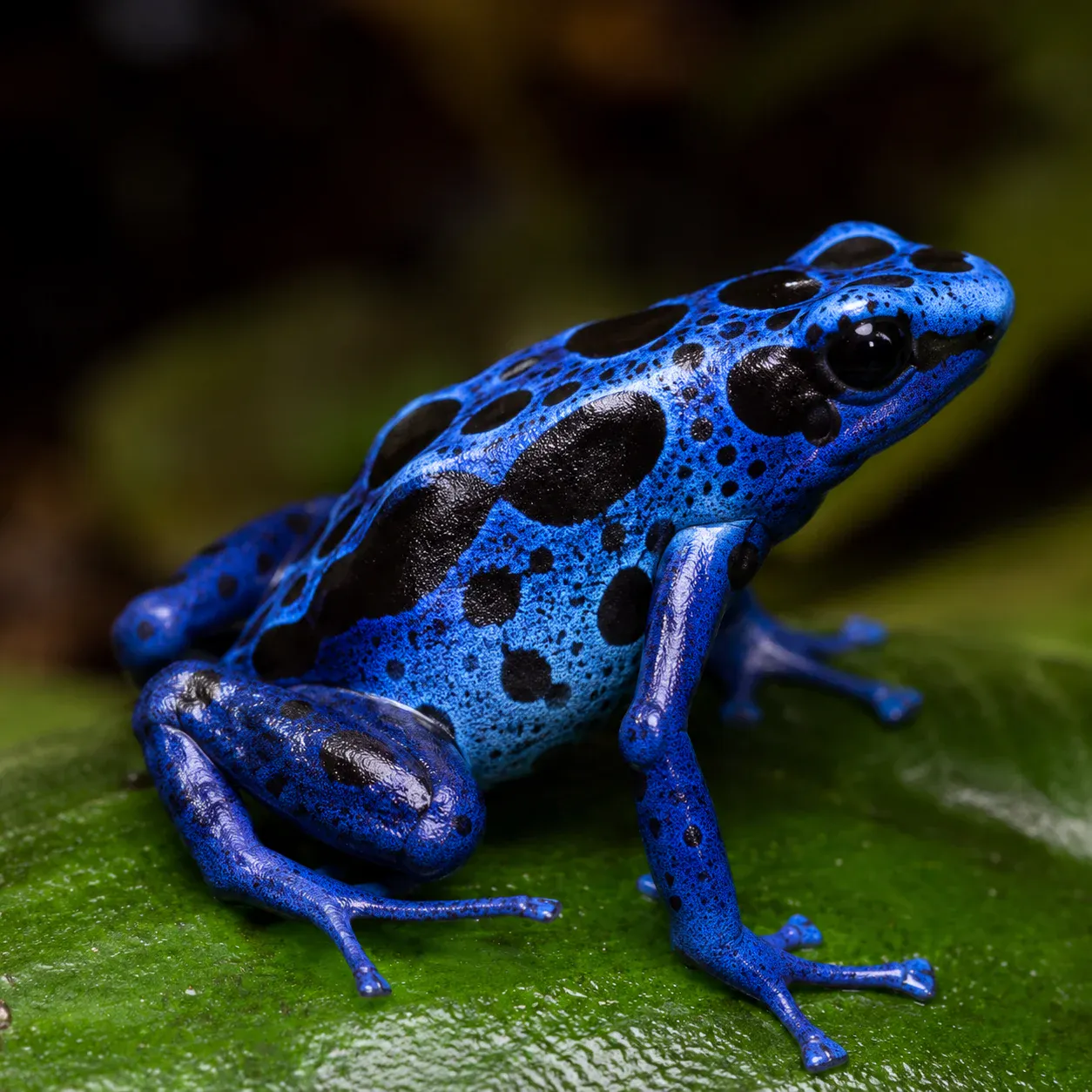
Enclosure Setup: Choosing the Right Vivarium
Dart frogs (Dendrobates spp.) are small, active amphibians that require a vertically oriented vivarium to mimic their natural rainforest habitat. A 18"x18"x24" (45x45x60 cm) glass terrarium is the minimum for a pair of thumbnail species (e.g., Dendrobates pumilio), while larger species like Dendrobates tinctorius need at least 24"x18"x24" (60x45x60 cm). All vivariums must have a tight-fitting screen or glass top to prevent escapes and maintain humidity. Use a front-opening design for easy access during maintenance.
Substrate and Drainage Layer
A proper drainage layer is critical to prevent root rot and stagnant water. Start with 1–2 inches (2.5–5 cm) of clay pebbles (e.g., Hydroton) or LECA (lightweight expanded clay aggregate). Cover this with a sheet of fiberglass window screen or landscape fabric to separate the drainage layer from the substrate. On top, add 2–3 inches (5–7.5 cm) of a bioactive substrate mix: 1 part sphagnum peat moss, 1 part organic potting soil (no fertilizers), and 1 part orchid bark or coco fiber. This supports isopods and springtails, which act as a cleanup crew.
Step-by-Step Vivarium Assembly: From Empty Tank to Planted Paradise
Setting up a dart frog vivarium is a rewarding project. Follow this sequence to build a stable, bioactive environment from scratch:
- Clean the tank: Wash the glass with hot water and white vinegar (no soap). Rinse thoroughly and dry.
- Install the drainage layer: Rinse clay pebbles, then add 1–2 inches (2.5–5 cm) evenly across the bottom.
- Add the separator: Cut fiberglass window screen to fit, overlapping the edges slightly. Secure with silicone if desired.
- Mix and add substrate: Combine 1 part sphagnum peat moss, 1 part organic potting soil, and 1 part orchid bark or coco fiber. Moisten slightly, then add 2–3 inches (5–7.5 cm) on top of the screen, sloping from back to front.
- Introduce the cleanup crew: Add springtails and isopods (e.g., dwarf white isopods) to the substrate. They will establish the microfauna.
- Plant the vivarium: Arrange bromeliads, pothos, fittonia, ferns, and other chosen plants in clusters. Use cork bark or driftwood for vertical structure. Bury roots securely, and mist plants to settle them.
- Install hardscape: Add leaf litter (oak, magnolia, or Indian almond) over the substrate for hiding spots and to feed the cleanup crew.
- Test the misting system: Run the system for a full cycle to check for leaks and coverage. Adjust nozzle positions if needed.
- Cycle the vivarium: Let the tank run for 2–4 weeks before adding frogs. Monitor humidity, temperature, and plant health. This allows the bioactive cycle to stabilize.
Seasonal Care and Maintenance Schedule
Dart frog vivariums require consistent but manageable upkeep. Here is a seasonal breakdown to keep your setup thriving year-round:
| Task | Frequency | Seasonal Notes |
|---|---|---|
| Check water level in drainage layer | Monthly | In dry winter, evaporation increases; add water if needed. |
| Prune plants | Every 2–3 months | More growth in summer; trim to prevent overgrowth. |
| Replace leaf litter | Every 3 months | In humid summer, leaves decompose faster; replenish as needed. |
| Clean misting nozzles | Every 2 weeks | Hard water buildup is worse in summer; soak nozzles in vinegar. |
| Check temperature gradient | Weekly | In winter, room heating may raise temps; adjust thermostat. |
| Inspect frogs for health | Daily | Look for signs of stress or illness; more frequent in seasonal transitions. |
During seasonal changes, monitor humidity closely. In winter, indoor heating can dry the air; you may need more frequent misting. In summer, humidity may be naturally higher; reduce misting to avoid over-saturation.
Plant Selection: Best Species for Dart Frog Vivariums
Choose plants that thrive in high humidity (70–100%) and low to moderate light. All plants must be pesticide-free. Top choices include:
- Bromeliads (Neoregalia, Vriesea): Provide natural water reservoirs (axils) where dart frogs breed and hide.
- Pothos (Epipremnum aureum): Hardy vine that covers background walls and provides climbing surfaces.
- Fittonia (nerve plant): Low-growing ground cover with colorful veins.
- Java moss (Taxiphyllum barbieri): Excellent for covering driftwood and leaf litter.
- Ferns (e.g., maidenhair, rabbit’s foot): Add texture and shade.
- Dwarf umbrella plant (Schefflera arboricola): Provides broad leaves for hiding spots.
Arrange plants in clusters, leaving open areas for feeding. Use cork bark or driftwood to create vertical perches.
Comparison Table: Plant Characteristics for Dart Frog Vivariums
| Plant | Light Requirement | Growth Habit | Special Features |
|---|---|---|---|
| Bromeliads (Neoregalia) | Low to moderate | Rosette, epiphytic | Water reservoirs (axils) for breeding |
| Pothos | Low to bright indirect | Vining, climbing | Covers walls; very hardy |
| Fittonia | Low to moderate | Creeping ground cover | Colorful veins; needs high humidity |
| Java moss | Low | Mat-forming | Great for covering hardscape |
| Maidenhair fern | Moderate | Upright, delicate fronds | Adds texture; keep moist |
| Dwarf umbrella plant | Moderate to bright | Bushy, upright | Broad leaves for hiding |
Drainage Layer Setup: Preventing Waterlogging
The drainage layer is the foundation of a healthy vivarium. Follow these steps:
- Clean the pebbles: Rinse clay pebbles thoroughly to remove dust.
- Layer depth: 1–2 inches (2.5–5 cm) is sufficient for most vivariums.
- Separator: Cut a piece of window screen slightly larger than the tank bottom. Secure it with silicone or simply lay it over the pebbles.
- Substrate on top: Add the bioactive mix, sloping slightly from back to front for drainage.
- Test drainage: Pour a small amount of water—it should percolate through and collect at the bottom without pooling on the surface.
Check the drainage layer monthly by gently lifting a corner of the substrate. If water accumulates, siphon it out using a turkey baster or small pump.
Troubleshooting: Common Drainage Layer Problems
Even with a proper setup, issues can arise. Here’s how to diagnose and fix them:
- Water pooling on the substrate surface: The separator may be clogged or the substrate too compacted. Gently aerate the substrate, and ensure the screen is intact.
- Foul odor from the drainage layer: Anaerobic conditions are likely. Siphon out stagnant water, and consider adding more springtails to process organic waste.
- Root rot in plants: The drainage layer may be too shallow or the substrate too waterlogged. Increase the depth of the drainage layer, and reduce misting frequency.
- Mold growth on the substrate: This is common in new setups. Increase ventilation, and allow the substrate to dry slightly between mistings. The cleanup crew will eventually control it.
- Overflow of the drainage layer: If water reaches the substrate surface, siphon out excess immediately. In the future, reduce misting duration or frequency.
Misting Systems: Automated Humidity Control
Dart frogs require 80–100% humidity with brief dry periods. A misting system is essential for consistency. Options include:
| Type | Pros | Cons | Best For |
|---|---|---|---|
| Hand misting (spray bottle) | Inexpensive, manual control | Inconsistent, labor-intensive | Small tanks (under 12") |
| Reptile fogger (ultrasonic) | Creates fine mist, visible fog | Can oversaturate, requires cleaning | Humidity boost in dry climates |
| Drip system (gravity-fed) | Low cost, continuous drip | Can flood if not regulated | Supplemental hydration |
| Programmable misting system (e.g., MistKing) | Precise timing, multiple nozzles | Higher upfront cost ($100–$200) | All vivariums, recommended |
Set a misting schedule: 4–6 short bursts (5–10 seconds each) per day, with longer sessions (30–60 seconds) in the morning and evening. Use reverse osmosis (RO) or distilled water to prevent mineral buildup on plants and frogs.
Misting System Troubleshooting
Automated misting systems can develop issues. Here are common problems and solutions:
- Nozzles clog: Mineral deposits from tap water. Soak nozzles in white vinegar for 30 minutes, then rinse. Use only RO or distilled water.
- Uneven misting: Nozzles may be angled incorrectly. Adjust them to cover all areas, and ensure the pump pressure is adequate.
- Pump runs but no mist: Check for kinks in the tubing, or a blocked filter. Clean the filter and straighten the tubing.
- System leaks: Loose connections. Tighten fittings, and replace worn O-rings.
- Timer not working: Check batteries or power supply. Reset the schedule as needed.
Lighting: LED and UVB Requirements
Dart frogs are diurnal and benefit from a 12-hour photoperiod. Use full-spectrum LED lights (6500K) to support plant growth without overheating the tank. Recommended fixtures: Jungle Dawn LED, Arcadia Jungle Dawn, or NICREW SkyLED. Keep lights 6–12 inches (15–30 cm) above the screen top to avoid drying out the vivarium.
UVB lighting is not strictly required for dart frogs, as they obtain vitamin D3 from their insect prey (gut-loaded and dusted). However, low-level UVB (2–5% output) can enhance coloration and behavior. If using UVB, provide shaded areas and limit exposure to 4–6 hours daily.
Avoid incandescent bulbs or heat lamps—they dry the vivarium too quickly. Use a timer to automate the light cycle.
Heating and Temperature Management
Dart frogs thrive at 72–78°F (22–26°C) during the day, with a slight drop to 65–72°F (18–22°C) at night. Use a low-wattage ceramic heat emitter (CHE) or heat mat on a thermostat if room temperature is below 65°F. Place the heat source on the side or top, never the bottom (can burn frogs). Monitor with a digital thermometer at both the top and bottom of the vivarium.
In warm climates, a small computer fan (e.g., Noctua) can be installed in the screen top for airflow, set to run 15 minutes every 2 hours during peak heat.
Diet and Feeding: Gut-Loaded Insects and Supplementation
Dart frogs are insectivores. Staple foods include:
- Fruit flies (Drosophila melanogaster and D. hydei): Primary diet, easy to culture.
- Springtails (Folsomia candida): Tiny, high in calcium.
- Rice flour beetles (Tribolium confusum): Occasional treat.
- Small crickets (1/4-inch) or bean beetles (Callosobruchus maculatus): For larger species.
Feed adults 10–20 fruit flies per frog every other day. Juveniles should be fed daily. Always gut-load insects 24 hours before feeding with a commercial gut-load diet (e.g., Repashy Bug Burger) or fresh fruits (orange, apple, sweet potato).
Supplementation: Dust insects with a calcium + D3 powder (e.g., Repashy Calcium Plus) at every feeding for juveniles, and 2–3 times per week for adults. Use a multivitamin (e.g., Repashy SuperVite) once a week.
Feeding and Supplementation Schedule
| Life Stage | Feeding Frequency | Calcium + D3 | Multivitamin |
|---|---|---|---|
| Juveniles (under 6 months) | Daily | Every feeding | Once a week |
| Adults (over 6 months) | Every other day | 2–3 times per week | Once a week |
| Breeding females | Daily (increase quantity) | Every feeding | Twice a week |
Adjust portions based on the frog’s body condition. A healthy frog should have a rounded but not obese body. If the frog becomes overweight, reduce feeding frequency and increase climbing structures.
Handling and Behavior
Dart frogs are delicate and should be handled only when necessary (e.g., health checks or tank cleaning). Their skin absorbs toxins and oils from human hands, so always wear powder-free nitrile gloves moistened with dechlorinated water. Never use bare hands—oils can clog their pores and cause skin infections. To catch a frog, gently cup it from below; never grab or squeeze. Limit handling to 2–3 minutes maximum.
Dart frogs are territorial; avoid mixing species or keeping more than one male per tank unless the enclosure is very large (36"x18"x24" or larger).
Common Health Issues and Prevention
| Issue | Symptoms | Cause | Prevention/Treatment |
|---|---|---|---|
| Red-leg syndrome | Reddening of legs, lethargy | Bacterial infection (Aeromonas) | Quarantine, improve hygiene, antibiotic bath (vet) |
| Mouth rot (stomatitis) | Swelling, discharge from mouth | Injury, poor water quality | Clean water, vet-prescribed antibiotics |
| Obesity | Round body, reduced activity | Overfeeding, lack of exercise | Reduce feeding frequency, add climbing structures |
| Fungal infections | White patches on skin | High humidity without airflow | Increase ventilation, antifungal spray (vet) |
| Impaction | Bloating, not eating | Ingesting substrate | Use large leaf litter, feed in dish |
Prevent most issues by maintaining clean water, a proper temperature gradient, and a bioactive cleanup crew. Quarantine new frogs for 30 days.
Avoid These Problems
- Over-misting: Leads to fungus and root rot. Let the vivarium dry slightly between mistings.
- Using tap water: Chlorine and heavy metals harm frogs. Always use RO or distilled water.
- Incorrect lighting: Too bright dries the tank; too dim kills plants. Use LEDs with a dimmer if needed.
- Skipping the drainage layer: Causes anaerobic conditions and foul smells.
- Feeding wild-caught insects: May introduce pesticides or parasites. Use cultured feeders.
- Not quarantining new frogs: Introduces diseases. Always quarantine for 30 days in a separate setup.
- Overcrowding: Leads to stress and aggression. Stick to 1–2 frogs per 20-gallon equivalent.
By following these guidelines, you'll create a self-sustaining, beautiful vivarium that mimics the dart frog's natural environment and supports their health for years.
Frequently Asked Questions
How often should I mist my dart frog vivarium?
Use a programmable misting system set to 4–6 short bursts (5–10 seconds each) per day, with longer sessions (30–60 seconds) in the morning and evening. Adjust based on humidity readings—aim for 80–100% humidity with brief dry periods.
Can I use tap water in my misting system?
No, always use reverse osmosis (RO) or distilled water. Tap water contains chlorine and heavy metals that can harm frogs and cause mineral buildup on plants and misting nozzles.
Do dart frogs need UVB lighting?
UVB is not strictly required, as dart frogs obtain vitamin D3 from gut-loaded and dusted insects. However, low-level UVB (2–5% output) can enhance coloration and behavior. If used, provide shaded areas and limit exposure to 4–6 hours daily.
How many dart frogs can I keep in a 18"x18"x24" vivarium?
This size is the minimum for a pair of thumbnail species (e.g., Dendrobates pumilio). Larger species like Dendrobates tinctorius need at least 24"x18"x24". Avoid overcrowding—stick to 1–2 frogs per 20-gallon equivalent.
What should I do if my frog stops eating?
Check for signs of illness (e.g., red-leg syndrome, mouth rot) and ensure temperature and humidity are within ranges (72–78°F day, 65–72°F night). Impaction from substrate ingestion can cause bloating and refusing food—use large leaf litter and feed in a dish. Consult a vet if the issue persists.
How do I prevent root rot in my vivarium plants?
Ensure a proper drainage layer of 1–2 inches of clay pebbles with a screen separator. Avoid over-misting—let the vivarium dry slightly between mistings. Use a well-draining bioactive substrate mix.
Can I handle my dart frog with bare hands?
No, always wear powder-free nitrile gloves moistened with dechlorinated water. Bare hands have oils that can clog the frog's pores and cause skin infections. Limit handling to 2–3 minutes maximum.
What is the best way to introduce new frogs to an established vivarium?
Quarantine new frogs for 30 days in a separate setup to observe for disease. Then introduce them carefully, monitoring for aggression. Avoid mixing species or keeping more than one male per tank unless the enclosure is very large (36"x18"x24" or larger).
Related Reading
Check optimal temps, calculate feeding, and find your perfect species match.
References
- Dendroboard (2023). Vivarium Setup Guide. Dendroboard.com.
- McEwen, B. (2020). The Dart Frog Handbook. TFH Publications.
- Reptiles Magazine (2022). Building a Bioactive Dart Frog Vivarium. ReptilesMagazine.com.
- Poison Dart Frog Care Guide (2021). Amphibian Ark.
🐾 Join the Community
See how other keepers set up their enclosures, ask questions, and share your experience.
🛠️ Apply What You Learned
Check optimal temps, calculate feeding schedules, and get calcium dosage — all personalized for your species.
Comments
No account needed — corrections, updates and questions are all welcome. For a full question with photos, the community Q&A is the better place.