Dart Frog Morphs: Azureus, Patricia & More
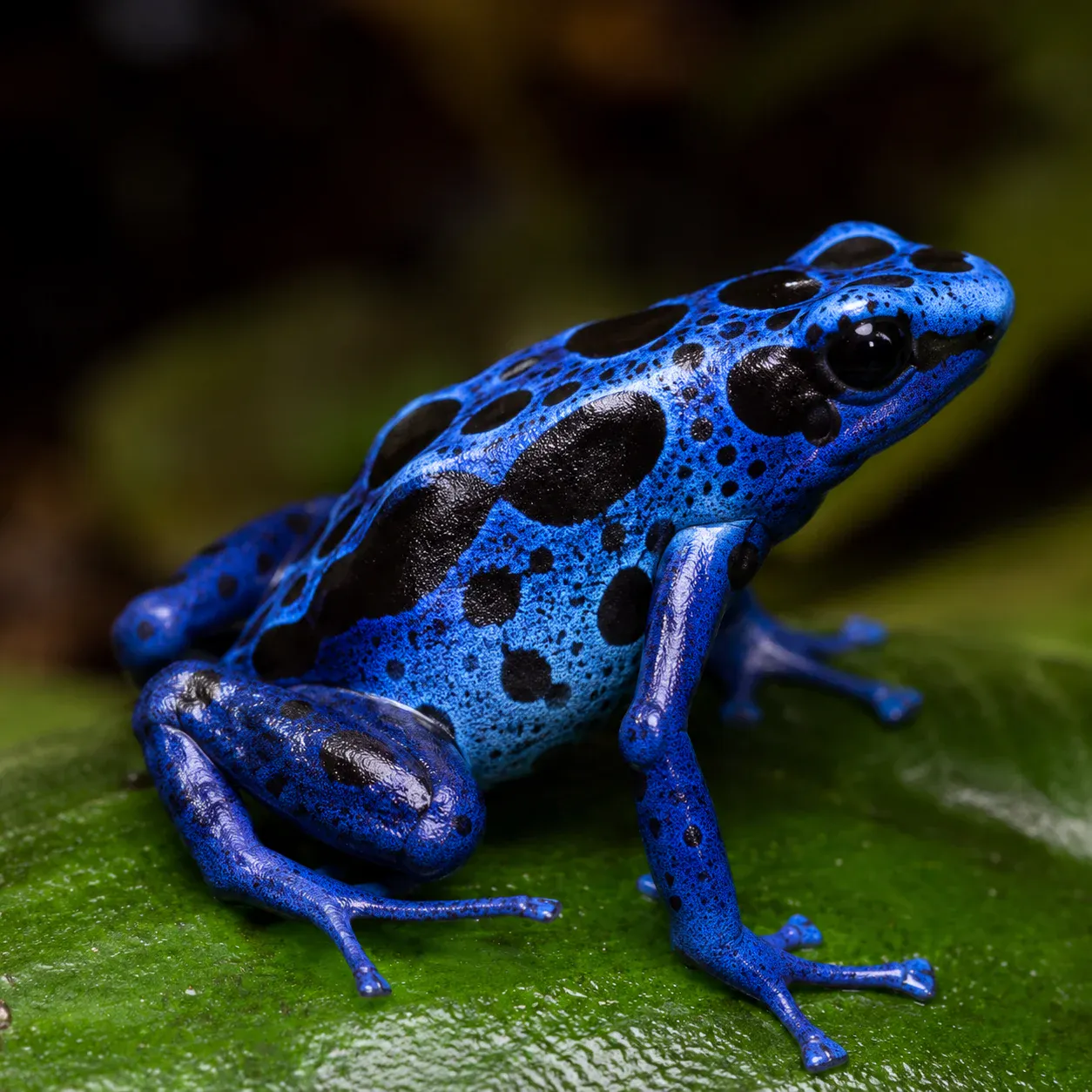
Introduction to Dendrobates tinctorius Morphs
Dendrobates tinctorius, commonly known as the dyeing poison dart frog, is one of the most popular and visually striking species in the hobby. Native to the rainforests of Suriname, Guyana, French Guiana, and northern Brazil, this species exhibits remarkable color variation across its range. Five morphs—Azureus, Patricia, Powder Blue, Cobalt, and Mint—are especially sought after for their vibrant blues, greens, and patterns. Each morph has distinct care requirements, breeding behaviors, and price points. This guide provides evidence-based husbandry advice, morph-specific details, and practical tips for keepers of all levels.
Whether you're a beginner drawn to the hardy Powder Blue or an experienced breeder seeking the rare Mint, understanding the nuances of each morph is essential. This expanded article dives deep into every aspect of D. tinctorius care, from bioactive vivarium setup to troubleshooting common health issues. By following these guidelines, you'll create a thriving environment for your frogs and enjoy their fascinating behaviors for years to come.
Enclosure Setup
All D. tinctorius morphs require a humid, bioactive vivarium with ample hiding spots and vertical climbing space. A 20-gallon high tank (24x12x16 inches) is the minimum for a pair, but a 30-gallon or larger is recommended for a trio. Use a glass terrarium with a tight-fitting screen lid to maintain humidity while allowing ventilation.
Choosing the Right Enclosure Size
While a 20-gallon high can house a pair, larger enclosures offer more stable microclimates and reduce aggression. For a trio (one male, two females), a 30-gallon (36x18x18 inches) or 40-gallon breeder is ideal. Remember that D. tinctorius are active frogs that appreciate horizontal space for foraging and vertical space for climbing. A front-opening terrarium simplifies maintenance and reduces stress on the frogs.
Substrate and Drainage
Layer the bottom with 1–2 inches of clay balls (e.g., Hydroton) for drainage, covered by a mesh separator, then 2–3 inches of a moisture-retentive mix like ABG mix (tree fern fiber, peat moss, sphagnum, orchid bark, and charcoal). This supports live plants and microfauna (springtails and isopods) that break down waste.
To build a proper bioactive substrate, follow these steps:
- Rinse the clay balls thoroughly to remove dust, then place them in the bottom of the tank.
- Cut a piece of fiberglass window screen or weed barrier to cover the clay layer completely, preventing substrate from falling into the drainage layer.
- Mix the ABG substrate components in a large tub, moistening with dechlorinated water until it holds together when squeezed.
- Add 2–3 inches of substrate over the mesh, sloping it higher in the back for a natural look.
- Top with a thin layer of leaf litter (oak, magnolia, or Indian almond leaves) to provide hiding spots and a foraging surface.
This setup allows excess water to drain away from the roots, preventing anaerobic conditions that can harm plants and frogs.
Decor and Plants
Provide cork bark tubes, branches, and leaf litter for hiding and climbing. Live plants such as bromeliads, pothos, ferns, and mosses maintain humidity and offer egg-laying sites. Ensure all wood is reptile-safe and free of pesticides.
When selecting plants, choose species that thrive in high humidity and low light:
- Bromeliads (Neoregalia, Vriesea) – provide water reservoirs and egg-laying sites.
- Pothos (Epipremnum aureum) – hardy, vining, and easy to grow.
- Ferns (Nephrolepis, Asplenium) – add texture and cover.
- Mosses (Java moss, sphagnum) – retain moisture and create microhabitats.
Quarantine all plants for 2–4 weeks before introducing them to the vivarium to avoid pesticide contamination. Wash leaves with dechlorinated water and inspect for pests.
Heating and Lighting
Dart frogs are ectothermic and thrive at stable temperatures. Use a low-wattage heat mat on the side of the tank (not under) regulated by a thermostat. Aim for a gradient of 72–78°F (22–26°C) during the day, with a slight drop to 68–72°F (20–22°C) at night. Avoid temperatures above 82°F (28°C) as they cause stress and death.
Heating Equipment and Placement
Heat mats are the safest option for dart frogs because they don't dry out the air like heat lamps. Place the mat on one side of the tank, covering about one-third of the vertical surface. Always connect it to a thermostat with a probe placed near the mat to prevent overheating. Never use heat rocks or under-tank heaters, as they can cause burns.
In cooler rooms, you may need a second mat on the opposite side, but ensure the gradient remains. Monitor temperatures with two digital thermometers—one at the warm end and one at the cool end.
Lighting for Plants and Frogs
Lighting should be low-level—LED or fluorescent tubes (6500K) on a 12-hour photoperiod support plant growth without overheating the enclosure. UVB is not required but low-level UVB (2% or 5%) may benefit vitamin D3 synthesis in some setups; consult a vet.
For plant growth, choose LED fixtures with a color temperature around 6500K and an output of 30–50 lumens per square foot. Avoid intense lighting that can stress frogs or raise temperatures. Use a timer to maintain a consistent day/night cycle, which is crucial for breeding behavior.
Humidity and Water
Maintain 80–100% humidity with a misting system or hand-misting twice daily. Use a digital hygrometer to monitor. Water must be dechlorinated or reverse osmosis (RO) water—tap water contains chlorine and heavy metals toxic to frogs. Provide a shallow water dish for soaking, though frogs absorb moisture through their skin.
Misting Systems and Techniques
Hand-misting with a spray bottle is cost-effective but requires consistency. Mist thoroughly in the morning and evening, ensuring the substrate is damp but not waterlogged. For auto-misting, use a reliable system like MistKing or Exo Terra, with nozzles positioned to cover the entire enclosure. Set it to mist for 30–60 seconds, 2–4 times daily, adjusting based on humidity readings.
Always use dechlorinated water. If using tap water, treat it with a dechlorinator (e.g., Seachem Prime) or let it sit for 24 hours to evaporate chlorine. RO water is preferred because it's free of minerals and contaminants, but you may need to add a reptile-safe mineral supplement for breeding females.
Monitoring Humidity
Place a digital hygrometer at the frog's level, not near the top or bottom, to get an accurate reading. Humidity should never drop below 70% for extended periods. If it does, increase misting frequency or add a larger water dish. Conversely, if condensation is constant and substrate is soggy, improve ventilation by opening vents or using a small fan on low.
Diet and Feeding
Dart frogs are insectivores. Feed adult D. tinctorius 2–3 times per week with appropriately sized prey: fruit flies (Drosophila hydei or melanogaster), pinhead crickets, and springtails. Dust prey with a calcium + vitamin D3 supplement every feeding, and a multivitamin once per week. Gut-load prey 24 hours before feeding with high-calcium foods like fish flakes or commercial gut-load.
Juveniles need daily feeding. Always offer variety to prevent nutritional deficiencies.
Feeder Insect Options and Sizes
Adult frogs can handle flightless fruit flies, pinhead crickets (1/8 inch), and tiny isopods. For variety, consider:
- Drosophila hydei – larger fruit fly, ideal for adults.
- Drosophila melanogaster – smaller, suitable for juveniles.
- Pinhead crickets – high in protein, but ensure they're small enough.
- Springtails – excellent for juveniles and as a supplemental food.
- Bean beetles (Callosobruchus maculatus) – a novel feeder that adds variety.
Avoid wild-caught insects, which may carry pesticides or parasites. Always purchase from reputable suppliers.
Supplementation Schedule
| Supplement | Frequency | Application |
|---|---|---|
| Calcium + D3 | Every feeding | Dust prey lightly |
| Multivitamin | Once weekly | Dust prey instead of calcium |
For juveniles, offer food daily, but dust with calcium every other feeding and multivitamin once a week. Over-supplementation can cause health issues, so measure carefully.
Gut-Loading Prey
Gut-loading ensures prey provides maximum nutrition. Feed fruit flies a high-calcium diet (e.g., Repashy Calcium Plus or a homemade mix of fish flakes, spirulina, and calcium powder) for 24 hours before offering them to frogs. Crickets can be gut-loaded with commercial cricket food or fresh vegetables like carrots and leafy greens.
Handling and Behavior
D. tinctorius are generally bold and diurnal but should never be handled due to their delicate skin and stress sensitivity. Their toxins are mild in captivity (diet-derived), but handling can damage their skin microbiome. Use a soft plastic container for transport or tank maintenance. Observe from a distance; they will become less shy over time.
Safe Handling Techniques
When you must move a frog (e.g., for tank cleaning or vet visits), use a clean, soft plastic container with a lid. Gently coax the frog into the container using a piece of leaf or a soft brush. Never grab the frog with your hands, as this can remove protective mucus and cause stress.
To minimize stress, handle frogs only when necessary, and always wash your hands thoroughly before and after any interaction. Avoid sudden movements and loud noises near the enclosure.
Understanding Behavior
D. tinctorius are diurnal and active during the day. They are territorial, especially males, which call to attract females and defend their territory. In a pair or trio, you may observe courtship rituals, where the male leads the female to a suitable egg-laying site. These frogs are also excellent jumpers, so always keep the enclosure secure.
Common Health Issues
Health problems often stem from poor husbandry. Watch for:
- Fungal infections (white patches) from prolonged wet conditions—improve ventilation and reduce misting.
- Bacterial infections (redness, swelling) from dirty water or injuries—quarantine and consult a vet.
- Parasites (weight loss, bloating) from wild-caught feeders—use captive-bred insects.
- Metabolic bone disease (soft jaw, lethargy) from calcium deficiency—increase supplementation and UVB.
Prevent issues by maintaining clean water, proper temperature, and a varied diet.
Recognizing Early Signs of Illness
Healthy frogs are active, have clear skin, and eat eagerly. Signs of illness include:
- Lethargy or hiding excessively
- Loss of appetite
- Abnormal posture (e.g., sitting on the substrate with legs splayed)
- Skin lesions, redness, or discoloration
- Weight loss or bloating
If you notice any of these, isolate the frog in a quarantine tank and consult a reptile veterinarian. Early intervention is critical.
Quarantine Protocol
Always quarantine new frogs for at least 30 days in a separate enclosure with minimal decor. This prevents the introduction of diseases or parasites to your established collection. During quarantine, observe feeding and behavior, and consider a fecal exam by a vet.
The Most Common Problems
- Overhandling – Causes stress and skin damage. Limit to absolute necessity.
- Improper humidity – Too dry leads to dehydration; too wet causes fungal growth.
- Incorrect temperature – Overheating is fatal. Use a thermostat.
- Feeding only fruit flies – Leads to nutrient imbalance. Rotate prey.
- Skipping quarantine – New frogs or plants can introduce disease. Quarantine for 30 days.
Detailed Troubleshooting
Problem: Frogs are not eating. Check temperature and humidity—both should be within optimal ranges. Offer a variety of prey, and ensure the frogs are not stressed by loud noises or excessive activity near the tank. If the issue persists, consult a vet.
Problem: Mold growing on substrate. This is usually due to excessive moisture. Improve ventilation, reduce misting, and remove any moldy material. Adding more springtails and isopods can help break down organic matter.
Problem: Frogs are losing color. This can indicate stress, poor diet, or illness. Review your husbandry practices and ensure a varied diet with proper supplementation.
Problem: Aggression between tank mates. D. tinctorius can be territorial. If aggression occurs, provide more hiding spots and visual barriers, or separate the frogs. A trio may work better than a pair in a larger enclosure.
Morph Comparison Table
| Morph | Origin/Locale | Coloration | Size (Adult) | Difficulty | Price Range (per frog) | Breeding Notes |
|---|---|---|---|---|---|---|
| Azureus | Suriname (Sipaliwini) | Bright sky blue with black spots | 1.5–2 in (3.8–5 cm) | Intermediate | $60–$120 | Fertile eggs; moderate clutch size (5–10) |
| Patricia | Suriname (Paramaribo region) | Pale blue with yellow dorsal stripe | 1.5–2 in (3.8–5 cm) | Intermediate | $80–$150 | Rarer; lower clutch size (3–6) |
| Powder Blue | Guyana (Kaieteur region) | Light powder blue with fine black reticulation | 1.4–1.8 in (3.5–4.5 cm) | Beginner–Intermediate | $50–$100 | Hardy; good for beginners; clutches of 4–8 |
| Cobalt | Suriname (Brokopondo) | Deep cobalt blue with black spots | 1.5–2 in (3.8–5 cm) | Intermediate | $70–$130 | Similar to Azureus; vibrant color |
| Mint | French Guiana (Cayenne region) | Mint green with black spots | 1.5–2 in (3.8–5 cm) | Intermediate | $90–$180 | Rarest; small clutches (2–5); high demand |
Choosing the Right Morph for You
When selecting a morph, consider your experience level and budget. Powder Blue is the most forgiving, making it ideal for beginners. Azureus and Cobalt offer classic blue coloration and moderate difficulty. Patricia and Mint are rarer and more expensive, appealing to experienced keepers seeking a challenge. Always purchase from reputable breeders who provide captive-bred stock, as wild-caught frogs are often stressed and carry parasites.
Breeding Dendrobates tinctorius Morphs
Breeding D. tinctorius requires a mature pair (12–18 months old) in a well-established vivarium. Provide a shallow water dish or film canister with a leaf or plastic bottle cap for egg deposition. Females lay 2–10 eggs per clutch, which males fertilize externally. Eggs hatch in 10–14 days; tadpoles must be removed to individual containers (e.g., deli cups) with clean water and fed fish flakes or tadpole pellets. Metamorphosis occurs in 2–3 months. Morph-specific breeding quirks: Mint morphs produce fewer eggs and require pristine water. Patricia morphs are more sensitive to disturbance during egg care.
Setting Up a Breeding Environment
To encourage breeding, simulate the rainy season by increasing misting frequency and lowering the temperature slightly for a few weeks. Ensure the frogs are well-fed, especially females, which need extra calcium for egg production. Provide multiple egg-laying sites, such as:
- Film canisters placed on their sides
- Small plastic cups with a leaf inside
- Bromeliad axils (water-filled leaf bases)
Once eggs are laid, monitor them closely. If the male is not fertilizing them, you may need to adjust the pair or provide more privacy.
Raising Tadpoles
After eggs hatch, transfer tadpoles to individual containers (e.g., 16 oz deli cups) filled with dechlorinated water. Keep the water clean and at a temperature of 72–78°F (22–26°C). Feed tadpoles a high-quality fish flake or tadpole pellet daily, and perform partial water changes every 2–3 days. Tadpoles will metamorphose into froglets in 2–3 months, at which point they should be moved to a small terrarium with suitable humidity and tiny prey like springtails.
Morph-Specific Breeding Considerations
Mint morphs are known for smaller clutches (2–5 eggs) and require pristine water conditions. Any ammonia or nitrite can be fatal to their tadpoles. Patricia morphs are sensitive to disturbance—avoid checking eggs too frequently to prevent abandonment. Azureus and Cobalt are more robust and may breed readily if conditions are optimal.
Pricing varies by morph rarity and lineage. Azureus and Powder Blue are most affordable; Mint and Patricia command higher prices due to limited availability. Always buy from reputable breeders who provide captive-bred stock.
Frequently Asked Questions
What is the ideal enclosure size for a pair of Dendrobates tinctorius?
A 20-gallon high tank (24x12x16 inches) is the minimum for a pair, but a 30-gallon or larger is recommended for a trio. Larger enclosures provide more stable microclimates and reduce territorial aggression.
Do dart frogs need UVB lighting?
UVB is not required, but low-level UVB (2% or 5%) may benefit vitamin D3 synthesis in some setups. Always consult a reptile veterinarian before adding UVB to ensure it's appropriate for your frogs.
How often should I feed adult dart frogs?
Feed adult D. tinctorius 2–3 times per week with appropriately sized prey. Dust prey with calcium + vitamin D3 every feeding and a multivitamin once per week. Juveniles need daily feeding.
What are the signs of a fungal infection in dart frogs?
Fungal infections appear as white patches on the skin, often caused by prolonged wet conditions. Improve ventilation and reduce misting. If the condition persists, consult a veterinarian for treatment.
Related Reading
Check optimal temps, calculate feeding, and find your perfect species match.
References
- Zimmermann, E. (2017). Poison Dart Frogs: Biology, Species, Captive Care. Chimaira Publishing.
- Heselhaus, R. (2016). Poison Frogs: A Practical Guide to Keeping and Breeding. TFH Publications.
- Browne, R. (2018). The Complete Guide to Poison Dart Frogs. CreateSpace.
🐾 Join the Community
See how other keepers set up their enclosures, ask questions, and share your experience.
🛠️ Apply What You Learned
Check optimal temps, calculate feeding schedules, and get calcium dosage — all personalized for your species.
Comments
No account needed — corrections, updates and questions are all welcome. For a full question with photos, the community Q&A is the better place.