Chinese Water Dragon Health Guide
Introduction
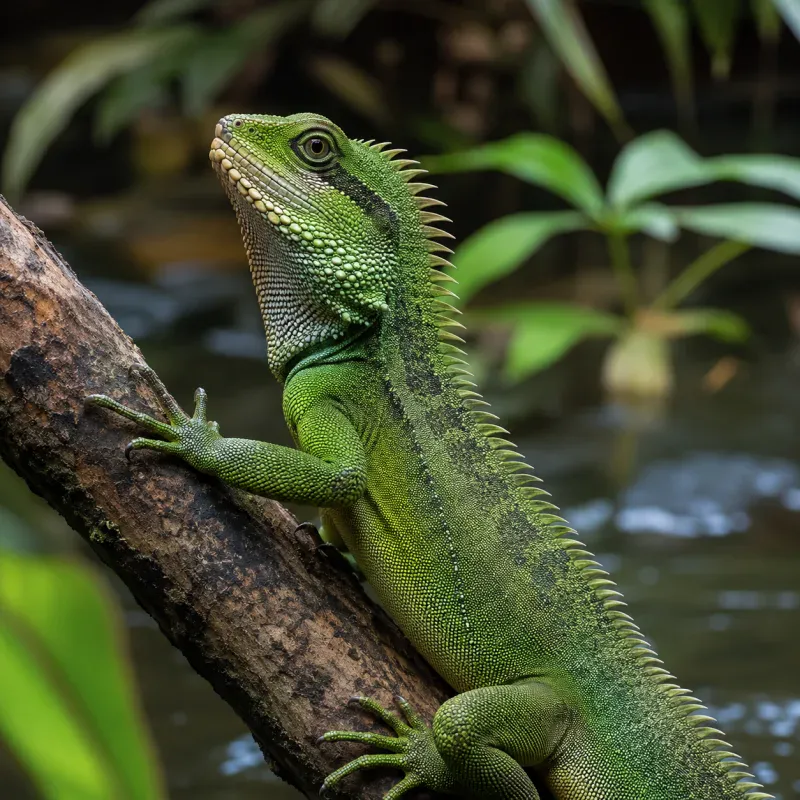
Chinese Water Dragons (Physignathus cocincinus) are stunning, intelligent lizards that thrive in well-maintained tropical setups. However, their complex care requirements make them susceptible to several preventable health issues. This guide covers the most common diseases—mouth rot, metabolic bone disease (MBD), parasites, nose rub from glass surfing, burns, and respiratory infections—along with actionable prevention and treatment strategies.
Optimal Enclosure Setup for Health
A proper enclosure is the foundation of disease prevention. Chinese Water Dragons need a tall, spacious vivarium—minimum 4×2×4 feet for adults—with excellent ventilation and secure screen lids to prevent escape. Use a substrate that retains humidity without promoting bacterial growth, such as a mix of organic topsoil, coconut fiber, and sphagnum moss. Avoid loose particulate substrates like sand, which can cause impaction. Provide sturdy branches, vines, and large water dishes for swimming and drinking. A bioactive setup with springtails and isopods helps manage waste and reduces pathogen load.
Heating, Lighting, and Humidity
Heating
Create a basking spot of 95–100°F (35–38°C) using a halogen or ceramic heat emitter. The ambient temperature should range from 80–85°F (27–29°C) on the warm side to 75–80°F (24–27°C) on the cool side. Nighttime drops to 70–75°F (21–24°C) are acceptable. Always use a thermostat to prevent overheating and burns. Place heat lamps outside the enclosure or behind a guard to prevent direct contact.
Lighting
Provide a high-quality UVB bulb (e.g., T5 HO 10.0 or 12%) spanning 2/3 of the enclosure. UVB is critical for vitamin D3 synthesis and calcium absorption, preventing MBD. Replace bulbs every 6–12 months even if they still emit visible light. A 12–14 hour photoperiod mimics tropical day cycles.
Humidity
Maintain 70–80% relative humidity. Use a reptile fogger, hand misting 2–3 times daily, and a large water basin. A hygrometer is essential; low humidity causes dehydration and respiratory issues, while excess moisture can lead to bacterial infections. Ensure good ventilation to prevent stagnant air.
Diet and Feeding for Disease Prevention
Feed a varied diet of gut-loaded insects (crickets, dubia roaches, locusts, black soldier fly larvae) and occasional pinky mice for adults. Dust all insects with a calcium supplement containing vitamin D3 at every feeding for juveniles and 3–4 times weekly for adults. Use a multivitamin supplement once weekly. Offer chopped leafy greens (collard, mustard, dandelion) and fruits (blueberries, mango) as treats. Avoid spinach and kale in high amounts due to oxalates. Fresh, clean water must always be available in a shallow dish that is changed daily.
Common Health Issues and Treatments
1. Mouth Rot (Infectious Stomatitis)
Causes: Bacterial infection from poor hygiene, stress, or injury. Symptoms include swollen, red gums, pus, or necrotic tissue around the mouth.
Treatment: Isolate the dragon. Gently clean the mouth with diluted chlorhexidine (0.05%) or betadine. A veterinarian will prescribe systemic antibiotics (e.g., enrofloxacin) and may debride dead tissue. Improve enclosure hygiene and reduce stress.
2. Metabolic Bone Disease (MBD)
Causes: Calcium deficiency, improper UVB, or poor calcium-to-phosphorus ratio. Signs include soft jaw, tremors, lethargy, and deformed limbs.
Treatment: Immediate veterinary care. Administer oral calcium supplements and injectable vitamin D3. Correct UVB lighting and diet. Severe cases may require splints or euthanasia. Prevention is critical: use proper UVB and calcium dusting.
3. Parasites (Internal and External)
Causes: Protozoans (coccidia, flagellates), nematodes, or mites from feeder insects or contaminated substrate. Symptoms: weight loss, diarrhea, lethargy, or visible mites.
Treatment: Fecal exam by a vet to identify type. Use fenbendazole for nematodes, metronidazole for protozoans, and reptile-safe mite sprays. Quarantine new animals and freeze feeder insects before feeding.
4. Nose Rub and Glass Surfing
Causes: Inadequate enclosure size, lack of hiding spots, or stress. Chronic rubbing abrades the nose, leading to infection.
Prevention: Provide a 4×2×4 ft minimum enclosure, plenty of branches, and visual barriers. Cover three sides of the tank with opaque background. Reduce handling frequency. If rubbing persists, apply a reptile-safe silicone nose guard (consult vet).
5. Burns from Heat Lamps
Causes: Direct contact with unprotected heat lamps or basking surfaces. Signs: red, blistered, or blackened skin.
Treatment: Remove the heat source. Cool the burn with water. Apply silver sulfadiazine cream (veterinary) and keep the wound clean. Prevent by using lamp cages and ensuring basking spots are at a safe distance (12–18 inches).
6. Respiratory Infections
Causes: Low temperature, high humidity without ventilation, or bacterial/fungal pathogens. Symptoms: open-mouth breathing, wheezing, nasal discharge, lethargy.
Treatment: Increase basking temperature to 95°F. Vet-prescribed antibiotics (e.g., ceftazidime) and nebulization with saline or antibiotics. Improve ventilation and reduce humidity spikes.
Comparison Table: Common Diseases at a Glance
| Disease | Primary Cause | Key Symptoms | Prevention | Treatment |
|---|---|---|---|---|
| Mouth Rot | Bacteria, stress | Swollen gums, pus | Clean enclosure, reduce stress | Chlorhexidine, antibiotics |
| Metabolic Bone Disease | Calcium/UVB deficiency | Soft jaw, tremors | Proper UVB + calcium dusting | Calcium, vitamin D3, vet care |
| Parasites | Contaminated food/substrate | Weight loss, diarrhea | Quarantine, freeze feeders | Fenbendazole, metronidazole |
| Nose Rub | Small enclosure, stress | Nose abrasions | Large enclosure, barriers | Clean wound, silicone guard |
| Burns | Unprotected heat lamps | Blistered skin | Lamp cages, safe distance | Silver sulfadiazine, vet |
| Respiratory Infection | Low temps, poor ventilation | Wheezing, nasal discharge | Stable temp, airflow | Antibiotics, heat boost |
Common Mistakes to Avoid
- Insufficient UVB: Using compact bulbs or not replacing them leads to MBD. Invest in a T5 HO linear fixture.
- Overhandling: Chinese Water Dragons are easily stressed. Limit handling to 10–15 minutes, 2–3 times weekly.
- Poor Diet Variety: Feeding only crickets causes nutritional imbalances. Rotate insects and offer greens.
- Ignoring Quarantine: New animals should be isolated for 30–60 days to prevent introducing parasites or disease.
- Incorrect Humidity: Low humidity causes dehydration; high without ventilation breeds bacteria. Monitor with a hygrometer.
Final Thoughts
Chinese Water Dragons are rewarding but demanding pets. By replicating their tropical habitat—correct temperature gradients, UVB, high humidity, and a spacious enclosure—you can prevent most common diseases. Regular health checks, a clean environment, and prompt veterinary care at the first sign of illness are essential. For any serious symptoms like MBD or respiratory infections, consult an exotic vet immediately. With proactive care, your dragon can live 10–15 years in optimal health.
Related Reading
- Chinese Water Dragon Care Guide
- Chinese Water Dragon Diet Guide
- Chinese Water Dragon Enclosure Guide
Check optimal temps, calculate feeding, and find your perfect species match.
🐾 Join the Community
See how other keepers set up their enclosures, ask questions, and share your experience.
🛠️ Apply What You Learned
Check optimal temps, calculate feeding schedules, and get calcium dosage — all personalized for your species.
Comments