Chinese Water Dragon Diet: Complete Omnivore Feeding Guide
Introduction to Chinese Water Dragon Nutrition
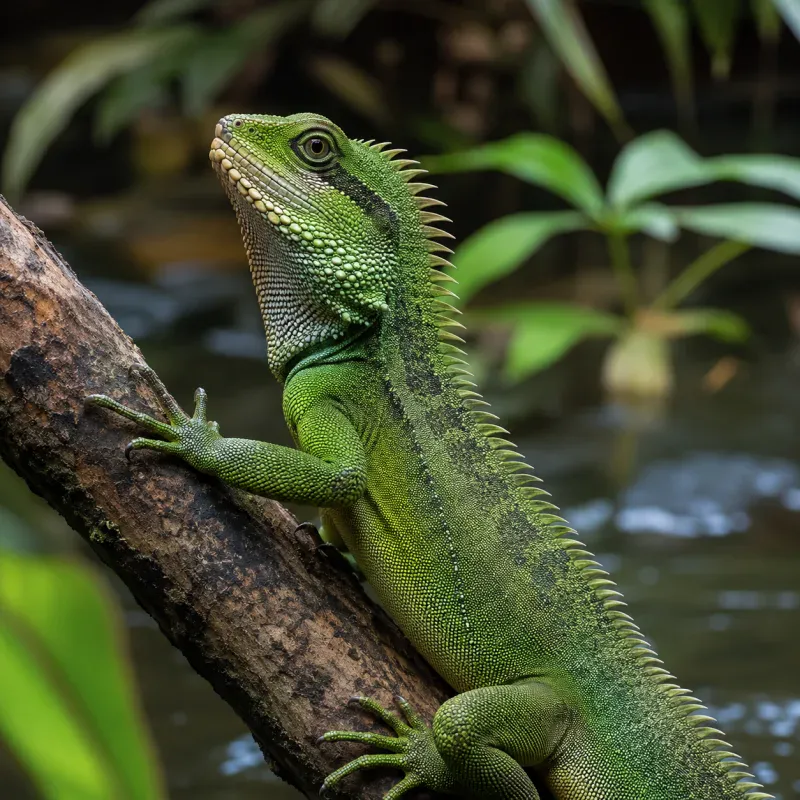
Chinese water dragons (Physignathus cocincinus) are arboreal omnivores native to the tropical forests of Southeast Asia. In the wild, they consume a diverse diet of insects, small vertebrates, fruits, and leafy greens. Replicating this variety in captivity is essential for their long-term health. A balanced diet prevents metabolic bone disease (MBD), obesity, and digestive issues. This guide provides evidence-based recommendations for insect variety, vegetable ratios, and supplement schedules to keep your dragon thriving.
Insect Variety and Feeder Insect Guidelines
Insects should form the protein backbone of your dragon's diet, especially for juveniles (80% insects, 20% plants) and sub-adults (70% insects, 30% plants). Adults require a 50:50 ratio. Offer a rotating selection of gut-loaded, appropriately sized insects:
- Crickets – Staple feeder; high in protein, but low in calcium; always dust with calcium supplement.
- Dubia roaches – Excellent protein-to-fat ratio; less chitin than crickets; highly digestible.
- Black soldier fly larvae (BSFL) – Naturally high in calcium; no dusting required; good for juveniles.
- Silkworms – Soft-bodied, rich in essential amino acids; excellent for picky eaters.
- Waxworms – High in fat; use only as occasional treats (once weekly).
- Hornworms – Hydrating and high in calcium; good for variety.
- Mealworms – High chitin; limit to avoid impaction, especially in juveniles.
Feed juveniles daily (as many insects as they can eat in 10–15 minutes) and adults every other day (8–10 appropriately sized insects per feeding). Always gut-load feeder insects 24 hours prior with fresh vegetables and commercial gut-loading diets.
Vegetable and Fruit Ratio
Vegetables and fruits provide essential vitamins, fiber, and hydration. For adults, aim for 50% of the diet. For juveniles, 20%. Use this ratio guide:
| Food Group | Percentage of Plant Diet | Examples |
|---|---|---|
| Leafy Greens | 60% | Collard greens, mustard greens, dandelion greens, endive, escarole |
| Other Vegetables | 30% | Butternut squash, carrots (shredded), bell peppers, green beans, okra |
| Fruits | 10% | Blueberries, raspberries, mango, papaya, figs (ripe) |
Avoid spinach, kale, and Swiss chard in large amounts due to oxalates, which bind calcium. Also avoid iceberg lettuce (no nutritional value) and citrus fruits (too acidic). Chop all produce into bite-sized pieces (smaller than the space between the dragon's eyes).
Supplement Schedule and Calcium Dosing
Proper supplementation prevents metabolic bone disease, the leading cause of death in captive water dragons. Use a two-pronged approach:
- Calcium with D3 – Dust insects at every feeding for juveniles (5x/week) and every other feeding for adults (3x/week). Use a phosphorus-free calcium powder.
- Multivitamin – Dust insects once weekly for all age groups. Choose a reptile-specific multivitamin containing vitamin A (preformed retinol, not beta-carotene) and vitamin D3.
- Calcium without D3 – Use on days when UVB exposure is optimal; otherwise, stick with D3.
Place supplements in a small plastic bag or shaker cup. Add a few insects, shake gently, and offer immediately. Do not dust more than 24 hours in advance, as supplements degrade.
Enclosure Setup for Feeding Success
Water dragons are arboreal and prefer to eat off the ground. Provide a large, shallow water dish for drinking and soaking. Use feeding ledges or elevated platforms to mimic natural foraging. Offer insects one at a time with tongs to prevent substrate ingestion. For plant matter, place in a small bowl on a ledge. Remove uneaten food after 2 hours to prevent spoilage. Ensure the enclosure has a temperature gradient of 80–86°F (27–30°C) during the day with a basking spot of 90–95°F (32–35°C) to aid digestion.
Hydration and Water Quality
Chinese water dragons require high humidity (70–80%) and constant access to clean water. Misting the enclosure twice daily encourages drinking from leaves. Use a drip system or hand-mist with dechlorinated water. The water dish should be large enough for the dragon to soak its entire body, as this aids shedding and hydration. Change water daily to prevent bacterial growth. Signs of dehydration include sunken eyes, wrinkled skin, and lethargy.
Common Feeding Mistakes and Health Issues
Avoid these pitfalls:
- Overfeeding fatty insects (waxworms, superworms) leads to hepatic lipidosis (fatty liver disease).
- Insufficient calcium causes MBD, characterized by soft jaw, tremors, and limb deformities.
- Feeding only one insect type results in nutritional deficiencies; rotate at least 3–4 feeders.
- Ignoring UVB – Without UVB lighting, dragons cannot synthesize vitamin D3, rendering calcium supplements ineffective.
- Feeding live prey too large can cause impaction; insects should be no longer than the dragon's head width.
If your dragon refuses food for more than 5 days, check temperatures, humidity, and check for signs of illness (respiratory infection, parasites). Consult a reptile veterinarian if anorexia persists.
Comparison Table: Juvenile vs. Adult Diet
| Parameter | Juvenile (0–12 months) | Adult (12+ months) |
|---|---|---|
| Insect:Plant Ratio | 80:20 | 50:50 |
| Feeding Frequency | Daily | Every other day |
| Insect Count per Feeding | As many as eaten in 10 min | 8–10 appropriately sized |
| Calcium Dusting | Every feeding (5x/week) | Every other feeding (3x/week) |
| Multivitamin Dusting | Once weekly | Once weekly |
| Gut-loading Required | Yes | Yes |
Adjust portions based on body condition: a healthy dragon should have a rounded belly but not be obese (fat pads on the base of the tail).
Conclusion
Feeding a Chinese water dragon a balanced, varied diet with proper supplementation is the cornerstone of captive care. By following the insect variety guidelines, vegetable ratios, and supplement schedule outlined here, you can prevent common health issues and ensure your dragon lives a long, vibrant life. For further reading, consult a reptile veterinarian or herpetology society resources.
Related Reading
- Chinese Water Dragon Care: The Complete Advanced Guide
- Chinese Water Dragon Care Guide: Water Feature Setup...
- Chinese Water Dragon Health Guide: Common Issues, Me...
Check optimal temps, calculate feeding, and find your perfect species match.
References
- Barten, S. L. (2019). Chinese Water Dragon Care. In M. J. Mader (Ed.), Reptile Medicine and Surgery (3rd ed.). Elsevier.
- Donoghue, S. (2018). Nutrition of Reptiles. In Journal of Exotic Pet Medicine, 27(2), 120–130.
- McLeod, L. (2021). Feeding Chinese Water Dragons. The Spruce Pets. Retrieved from thesprucepets.com.
- Rossi, J. V., & Rossi, R. (2020). The Chinese Water Dragon: A Complete Guide to Care and Breeding. Advanced Vivarium Systems.
🐾 Join the Community
See how other keepers set up their enclosures, ask questions, and share your experience.
🛠️ Apply What You Learned
Check optimal temps, calculate feeding schedules, and get calcium dosage — all personalized for your species.
Comments