Ackie Monitor Enclosure: Custom PVC & Wood Vivarium Build
Introduction
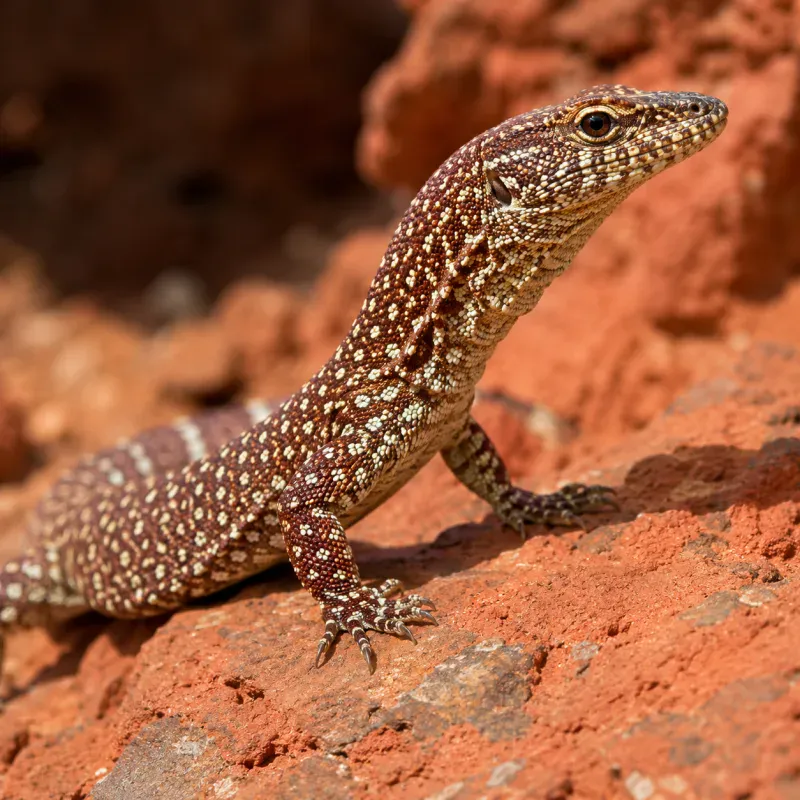
The Ackie monitor (Varanus acanthurus), also known as the spiny-tailed monitor, is a medium-sized, active lizard native to northern Australia. These intelligent, inquisitive reptiles require a spacious, species-appropriate enclosure that mimics their arid, rocky habitat. A custom PVC or wood vivarium with deep substrate, a Retes stack (a basking rock stack with a crevice), and a precise temperature gradient is essential for their physical and mental well-being. This guide covers every aspect of building and maintaining such an enclosure.
Enclosure Setup: Dimensions, Material, and Design
Minimum Size
A single adult Ackie monitor needs an enclosure at least 4 ft (120 cm) long, 2 ft (60 cm) deep, and 3 ft (90 cm) tall. For a pair or trio, increase to 6 ft (180 cm) x 2.5 ft (75 cm) x 4 ft (120 cm). Height is crucial for vertical climbing and a deep substrate layer.
Material Choices
- PVC (Expanded PVC board): Lightweight, waterproof, and easy to cut. Ideal for DIY enclosures. Use 1/2-inch thick sheets for walls and a 3/4-inch thick base for stability.
- Melamine-coated particle board: Heavy, moisture-resistant, and less expensive. Requires sealing edges with silicone to prevent swelling.
- Plywood: Use exterior-grade, sanded plywood (e.g., Baltic birch). Seal all surfaces with a non-toxic, waterproof polyurethane or epoxy.
Construction Tips
- Install a front-opening glass or acrylic door for easy access and minimal disturbance. Use sliding or hinged doors with a locking mechanism.
- Provide ventilation via screened vents on the sides or top. Two vents (one low, one high) create natural airflow.
- Use a waterproof sealant (e.g., 100% silicone) on all interior seams and corners to prevent moisture damage.
Heating and Lighting: Creating a Thermal Gradient
Basking Spot
Ackie monitors need a basking surface temperature of 130–150°F (54–65°C). Use a high-wattage halogen flood bulb (e.g., 100–150W) mounted in a ceramic socket above a large, flat stone (part of the Retes stack). The stone should be at least 8–10 inches (20–25 cm) below the bulb to prevent burns. A dimming thermostat is essential to maintain consistent basking temps.
Ambient Temperature Gradient
- Warm end: 95–105°F (35–40°C) during the day.
- Cool end: 75–85°F (24–29°C) during the day.
- Nighttime: Drop to 65–75°F (18–24°C). Use a ceramic heat emitter (CHE) or deep heat projector (DHP) connected to a thermostat if needed.
UVB Lighting
Provide a linear fluorescent UVB tube (e.g., Arcadia T5 6% or 12%) spanning two-thirds of the enclosure length. Place the bulb 10–12 inches (25–30 cm) from the basking area. Replace every 6–12 months. UVB is critical for vitamin D3 synthesis and calcium metabolism.
Deep Substrate and Humidity Management
Substrate Depth and Mix
Ackies are natural burrowers. Provide at least 8–12 inches (20–30 cm) of substrate. A proven mix is 70% organic topsoil (no fertilizers, no perlite) and 30% play sand. Add a small amount of coco fiber or leaf litter to retain moisture. The substrate should be slightly damp at the bottom (like a wrung-out sponge) and dry on top.
Humidity Levels
- Target: 50–70% overall, with a humid microclimate in the burrows.
- Method: Mist the substrate edges and corners daily, or use a controlled drip system. A digital hygrometer at substrate level helps monitor. Too little humidity causes shedding problems; too much can lead to respiratory infections.
The Retes Stack: A Basking and Hiding Structure
The Retes stack (named after herpetologist Dr. Robert Retes) is a multi-level stack of flat rocks that creates a crevice for thermoregulation and security. Build it as follows:
- Use slate, flagstone, or terracotta tiles (all non-toxic, heat-safe).
- Stack 3–4 rocks, each 1–2 inches (2.5–5 cm) thick, with spacers (small stones or silicone feet) to create a gap of 1–2 inches (2.5–5 cm) between layers.
- Place the stack directly under the basking bulb. The top rock reaches 130–150°F, while the crevice stays 90–110°F (32–43°C).
- The crevice allows the lizard to bask while feeling hidden from above, reducing stress.
Diet and Feeding Schedule
Staple Foods
- Insects: Crickets, dubia roaches, black soldier fly larvae, silkworms, and occasional mealworms (in moderation). Gut-load insects 24 hours before feeding.
- Whole prey: Pinky mice (once every 2–3 weeks for adults) provide calcium and fat. Do not overfeed.
Supplementation
- Calcium with D3: Dust insects at every feeding for juveniles, every other feeding for adults.
- Multivitamin: Dust once a week.
Feeding Frequency
- Juveniles (under 1 year): Feed daily, as many insects as they will eat in 10–15 minutes.
- Adults: Feed every 2–3 days, 6–10 large insects per meal.
Handling and Temperament
Ackie monitors are intelligent and can become tame with consistent, gentle handling. Start with short sessions (5–10 minutes) after the lizard has acclimated (2–4 weeks). Use a hand-to-hand approach, letting the lizard walk onto your palm. Never grab or restrain them. Signs of stress include tail whipping, puffing up, and hissing. Build trust by offering food from tongs. Regular handling (3–5 times per week) helps maintain a calm disposition.
Common Health Issues
| Issue | Symptoms | Prevention/Treatment |
|---|---|---|
| Metabolic Bone Disease (MBD) | Lethargy, soft jaw, tremors, limb deformities | Ensure proper UVB and calcium supplementation; correct diet. |
| Respiratory Infection | Wheezing, nasal discharge, open-mouth breathing | Maintain correct humidity (50–70%) and temperature; avoid drafts. See a vet. |
| Parasites (internal/external) | Weight loss, loose stools, visible mites | Quarantine new animals; fecal exams; vet-prescribed antiparasitics. |
| Dysecdysis (bad shed) | Stuck shed on toes, tail, or eyes | Increase humidity; provide a humid hide; gently soak lizard in warm water. |
Errors to Avoid
- Inadequate basking temperature: A cool basking spot (<120°F) prevents proper digestion and activity. Use a temperature gun to verify surface temps.
- Shallow substrate: Less than 8 inches (20 cm) prevents burrowing, increasing stress and poor shed.
- Overhandling: Too much handling before acclimation can cause chronic stress and refusal to eat.
- Ignoring UVB: Using only heat bulbs without UVB leads to MBD. Always use a linear UVB tube.
- Poor ventilation: Stagnant air promotes mold and respiratory issues. Ensure at least two vents.
Conclusion
Building a custom PVC or wood vivarium for your Ackie monitor is a rewarding project that ensures your pet thrives. Focus on a spacious enclosure, a precise temperature gradient with a Retes stack, deep substrate for burrowing, and consistent humidity. With proper diet, lighting, and gentle handling, your Ackie monitor will live a long, healthy life—up to 15–20 years in captivity. Always consult a reptile veterinarian for any health concerns.
Related Reading
- Ackie Monitor Diet and Feeding Guide: Insect Variety...
- Ackie Monitor Handling: Building Trust & Taming Guide
Check optimal temps, calculate feeding, and find your perfect species match.
References
- Bennett, D. (2014). Monitor Lizards: Natural History, Biology & Husbandry. Edition Chimaira.
- Mendyk, R. W. (2015). The Ackie Monitor (Varanus acanthurus) in Captivity. Herpetological Review, 46(4), 541-548.
- Retes, R. (2019). The Retes Stack: A Novel Basking Structure for Monitor Lizards. Reptiles Magazine, 27(3), 34-40.
🐾 Join the Community
See how other keepers set up their enclosures, ask questions, and share your experience.
🛠️ Apply What You Learned
Check optimal temps, calculate feeding schedules, and get calcium dosage — all personalized for your species.
Comments