Ackie Monitor Diet & Feeding Chart (By Age)
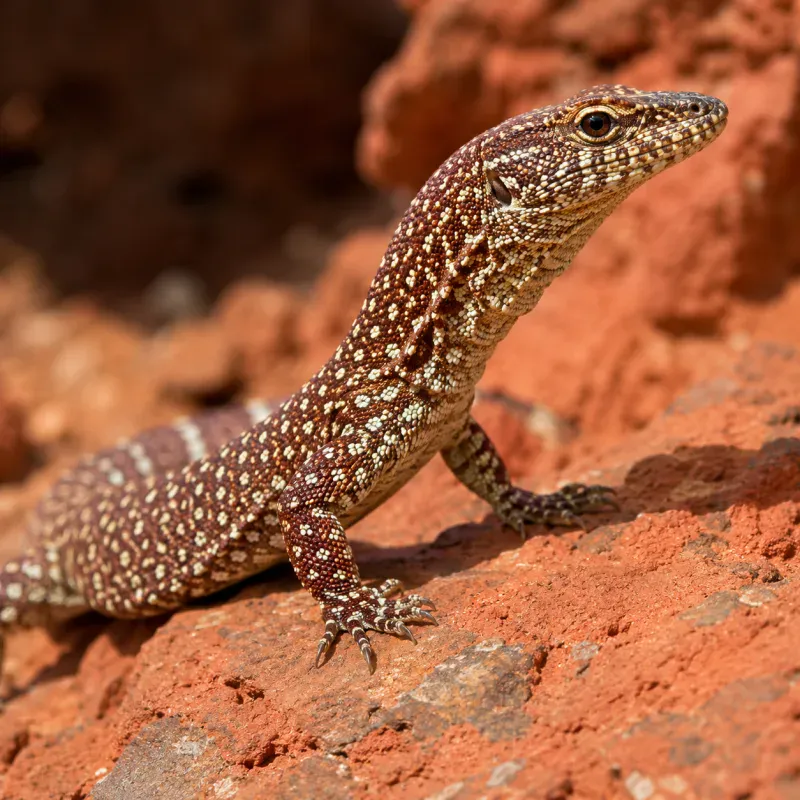
Ackie monitors (Varanus acanthurus) are intelligent, active, and rewarding pets, but their dietary needs are often misunderstood. This guide covers everything you need to know about feeding your Ackie monitor a balanced, varied diet that supports growth, bone health, and longevity. From core feeder insects to supplementation schedules and feeding frequency by age, you'll find evidence-backed recommendations to keep your lizard thriving.
Enclosure Setup
Ackie monitors are active, burrowing lizards that require a spacious enclosure to thrive. For a single adult, a minimum of 4 feet long by 2 feet wide by 3 feet tall (120 x 60 x 90 cm) is recommended. Larger is always better, as these lizards need ample floor space and climbing opportunities. Use a solid-sided enclosure (e.g., PVC or melamine) to retain heat and humidity. Provide a deep substrate layer of at least 12–18 inches (30–45 cm) of a soil-sand mix (60% organic topsoil, 40% play sand) to allow for natural burrowing. Include multiple hiding spots, such as cork bark tubes, rock crevices, and half-logs. Add sturdy branches for climbing, as ackies are semi-arboreal in the wild.
Heating and Lighting
Ackie monitors are diurnal and require a strong basking spot to thermoregulate. Provide a basking surface temperature of 130–150°F (54–65°C) using a halogen flood bulb or a ceramic heat emitter. The cool side of the enclosure should remain at 75–85°F (24–29°C), with ambient temperatures around 80–90°F (27–32°C) during the day. Nighttime temperatures can drop to 70–75°F (21–24°C). Use a thermostat to prevent overheating. UVB lighting is critical for vitamin D3 synthesis and calcium metabolism. Install a linear T5 HO UVB bulb (e.g., Arcadia 12% or ReptiSun 10.0) spanning at least two-thirds of the enclosure, placed 12–18 inches from the basking area. Replace UVB bulbs every 6–12 months, as output degrades over time.
Humidity
Ackie monitors require moderate to high humidity levels of 60–80%, with occasional spikes up to 90% after misting. In the wild, they inhabit arid regions but retreat into humid burrows. Maintain humidity by misting the enclosure 2–3 times daily, especially the substrate, and using a large water dish. A digital hygrometer is essential for monitoring. If humidity is too low, your ackie may develop respiratory issues or shedding problems. Too high humidity can lead to fungal infections. Adjust misting frequency based on your local climate.
Diet and Feeding Chart (By Age)
Ackie monitors are insectivorous carnivores that thrive on a varied diet of whole prey. In the wild, they consume a wide range of invertebrates, small vertebrates, and eggs. In captivity, a well-planned diet is crucial for health and longevity.
Insect Variety
Offer a rotating selection of gut-loaded insects to ensure balanced nutrition. Core feeders include crickets, dubia roaches, black soldier fly larvae (BSFL), and mealworms. Variety feeders include superworms, hornworms, silkworms, and waxworms (as treats). For larger adults, occasionally offer pinkie mice or quail eggs (no more than once per month) to provide calcium and fat. Avoid wild-caught insects due to pesticide risk.
Protein Rotation
Rotate protein sources every feeding to prevent nutritional deficiencies and boredom. For example: Monday – crickets and BSFL; Wednesday – dubia roaches and mealworms; Friday – superworms and silkworms. This mimics natural diversity and ensures a broad amino acid profile.
Supplement Schedule
Supplements are non-negotiable for captive ackies. Dust insects immediately before feeding using the following schedule:
| Supplement | Frequency | Notes |
|---|---|---|
| Calcium with D3 (e.g., Repashy Calcium Plus) | Every feeding | Essential for bone health; D3 aids absorption |
| Multivitamin (e.g., Reptivite) | 1–2 times per week | Provides trace vitamins and minerals |
| Calcium without D3 (e.g., pure calcium carbonate) | Alternate feeding | Use if UVB is strong; prevents D3 overdose |
Gut-load feeder insects 24–48 hours before feeding with high-calcium foods like collard greens, sweet potatoes, and commercial gut-load diets. This boosts the nutritional value of prey.
Feeding Frequency
Feeding frequency depends on age and size:
- Juveniles (up to 6 months): Feed daily, offering as many insects as they can eat in 10–15 minutes. Aim for 10–15 small insects per session.
- Subadults (6–18 months): Feed every other day, offering 8–12 medium insects per feeding.
- Adults (18+ months): Feed 3–4 times per week, offering 6–10 large insects per feeding. Adjust based on body condition; ackies should have a defined waistline but not be overly thin.
Always provide a shallow water dish with fresh, dechlorinated water. Change water daily.
Step-by-Step Feeding Routine
Follow this routine to ensure your ackie gets the right nutrition:
- Gut-load insects: 24–48 hours before feeding, place feeder insects in a container with high-calcium foods (collard greens, sweet potatoes, or commercial gut-load).
- Dust with supplements: Just before offering, place the insects in a bag or jar with the appropriate supplement powder and shake gently to coat.
- Offer the meal: Use tongs or a bowl to offer insects. Observe your ackie to ensure it's eating actively.
- Remove uneaten insects: After 10–15 minutes, remove any leftover insects to prevent stress and bites.
- Clean the water dish: Refill with fresh dechlorinated water daily.
Common Feeding Mistakes
- Feeding only one insect type: This can lead to nutritional deficiencies. Rotate at least 3–4 feeder species.
- Skipping gut-loading: Feeder insects that aren't gut-loaded have lower nutritional value. Always gut-load.
- Overfeeding treats: Waxworms and pinkie mice are high in fat; limit to once a month or less.
- Dusting too much or too little: Follow the schedule exactly. Over-supplementing can cause toxicity.
Handling
Ackie monitors are intelligent and can become tame with consistent, gentle handling. Start by letting the lizard acclimate to its enclosure for 2–3 weeks before handling. Use a slow, confident approach: scoop the lizard from below, supporting its body and tail. Avoid grabbing from above, as this triggers a fear response. Handle for 5–10 minutes initially, gradually increasing to 20–30 minutes as trust builds. Never handle during shedding, after feeding, or when the lizard is stressed. Regular handling (3–5 times per week) helps desensitize your ackie and strengthens the bond.
Common Health Issues
Ackie monitors are generally hardy, but improper care can lead to problems. Common issues include:
- Metabolic Bone Disease (MBD): Caused by calcium deficiency or lack of UVB. Symptoms include lethargy, swollen limbs, and a soft jaw. Prevent with proper supplementation and UVB.
- Respiratory Infections: Result from low temperatures or high humidity. Signs include wheezing, open-mouth breathing, and nasal discharge. Treat by raising basking temps and consulting a vet.
- Parasites: Internal parasites (e.g., pinworms) are common in wild-caught specimens. Fecal exams by a reptile vet are recommended.
- Obesity: Overfeeding high-fat insects (e.g., waxworms) can cause fatty liver disease. Monitor body condition and limit treats.
- Shedding Problems: Low humidity leads to stuck shed, especially on toes and tail. Provide a humid hide and mist regularly.
Avoid These Errors
Even experienced keepers can make errors. Avoid these pitfalls:
- Incorrect Basking Temperature: Basking spots below 120°F (49°C) can cause poor digestion and lethargy. Use a temperature gun to verify.
- Overhandling: Too much handling too soon can cause chronic stress. Always prioritize the lizard's comfort.
- Feeding Only One Insect Type: A diet of only crickets leads to nutritional deficiencies. Rotate at least 3–4 feeder species.
- Skipping Supplements: Even with UVB, ackies need calcium and multivitamin dusting. Skipping can cause MBD in weeks.
- Inadequate Substrate Depth: Shallow substrate prevents burrowing, leading to stress and poor shedding. Provide at least 12 inches.
- Ignoring Quarantine: New ackies should be quarantined for 30–60 days in a separate room to prevent disease spread.
Frequently Asked Questions
What do ackie monitors eat?
A varied insect diet: core feeders include crickets, dubia roaches, black soldier fly larvae, and mealworms, with superworms and other variety feeders for rotation. Protein rotation is key for captive ackies.
How often should I feed my ackie monitor?
Subadults (6–18 months) feed every other day with 8–12 medium insects per feeding; adults (18+ months) feed 3–4 times per week. Juveniles follow the schedule in the guide.
Do ackie monitors need supplements?
Yes — dusting is non-negotiable for captive ackies. Dust insects immediately before feeding with calcium on the guide's schedule, and provide UVB from a linear T5 HO bulb (e.g. Arcadia 12% or ReptiSun 10.0) spanning at least two-thirds of the enclosure.
What is the best staple insect for ackie monitors?
There is no single best — rotation matters. The guide pairs crickets, dubia roaches, black soldier fly larvae, and mealworms as core feeders so no nutrient gap builds up.
Related Reading
- Ackie Monitor Care Guide — Complete species manual.
- Feeder Insect Nutrition Guide — Cricket vs dubia comparison.
- Reptile Heating Guide — Basking temperature setup.
Check optimal temps, calculate feeding, and find your perfect species match.
References
- Bennett, D. (1995). A Little Book of Monitor Lizards. Viper Press.
- Sprackland, R. G. (2009). Giant Lizards. TFH Publications.
- de Vosjoli, P. (2004). The Herpetoculture of the Ackie Monitor. Advanced Vivarium Systems.
🐾 Join the Community
See how other keepers set up their enclosures, ask questions, and share your experience.
🛠️ Apply What You Learned
Check optimal temps, calculate feeding schedules, and get calcium dosage — all personalized for your species.
Comments
No account needed — corrections, updates and questions are all welcome. For a full question with photos, the community Q&A is the better place.