Tokay Gecko Care Guide: Enclosure & Diet
Introduction
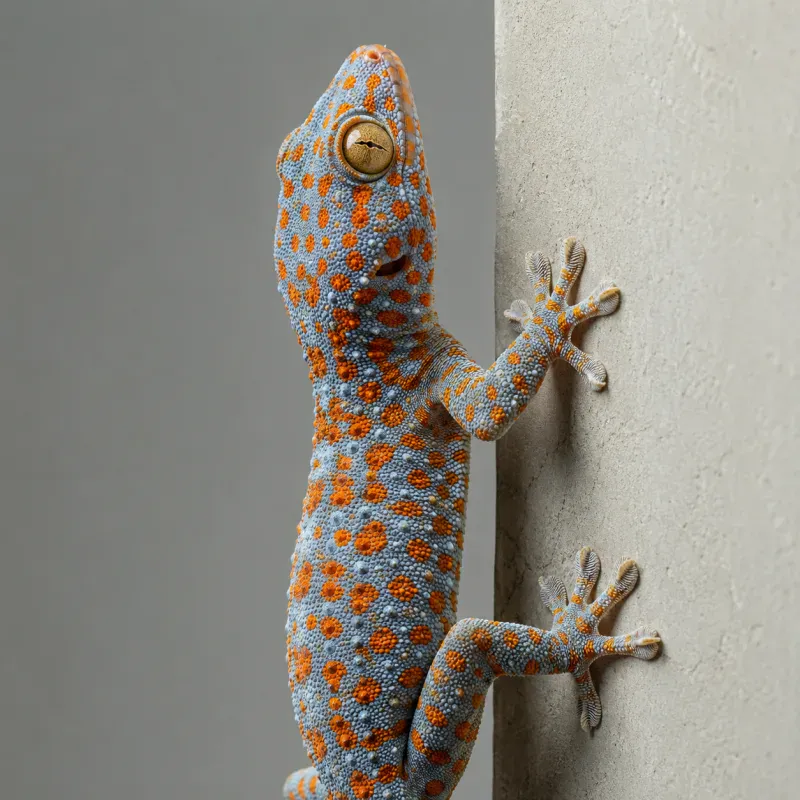
The Tokay gecko (Gekko gecko) is one of the most striking and vocal geckos in the pet trade, earning its nickname "the dragon of the gecko world" due to its bold temperament, vibrant blue-gray coloration with orange spots, and loud, distinctive "tokay-tokay" call. Native to Southeast Asia, these large, arboreal geckos can reach up to 14 inches in length and live 15–20 years in captivity. While their reputation for aggression and powerful bites intimidates many keepers, with proper husbandry and patient taming, Tokay geckos can become surprisingly handleable and rewarding pets. This comprehensive guide covers every aspect of Tokay gecko care, from enclosure setup to advanced handling techniques, based on herpetological research and experienced keeper recommendations.
Enclosure Setup
Minimum Enclosure Size
Tokay geckos are highly active, arboreal climbers that require vertical space. For a single adult, a minimum enclosure of 18x18x24 inches (45x45x60 cm) is recommended, though larger is always better—a 24x18x36-inch (60x45x90 cm) enclosure is ideal for a pair or a single gecko to thrive. Key rule: height matters more than width.
Substrate
Choose a substrate that retains humidity without becoming waterlogged. Options include:
- Coconut fiber (coir): Excellent moisture retention, natural appearance.
- Organic topsoil/sphagnum moss mix: Provides burrowing opportunities and humidity.
- Paper towels: Suitable for quarantine or sick geckos; easy to clean.
Avoid sand, gravel, or reptile carpet—these can cause impaction or harbor bacteria.
Furniture and Décor
Tokay geckos are arboreal and need plenty of climbing structures:
- Branches and driftwood: Provide multiple horizontal and vertical perches.
- Live or artificial plants: Pothos, snake plants, and bromeliads offer cover and humidity.
- Bark slabs and cork tubes: Create hiding spots and climbing surfaces.
- Water dish: A shallow, heavy dish for drinking and soaking.
Ensure all décor is securely anchored—Tokay geckos are strong and can knock over lightweight items.
Heating and Lighting
Temperature Gradient
Tokay geckos require a thermal gradient to regulate body temperature:
| Zone | Temperature (°F) | Temperature (°C) |
|---|---|---|
| Basking spot | 85–90 | 29–32 |
| Warm side | 80–85 | 27–29 |
| Cool side | 72–78 | 22–26 |
| Nighttime drop | 65–72 | 18–22 |
Use a ceramic heat emitter (CHE) or a deep heat projector (DHP) for nighttime heat. Avoid heat rocks—they can cause severe burns.
Lighting
While Tokay geckos are nocturnal, they benefit from low-level UVB lighting (2–5% UVB) to support vitamin D3 synthesis and calcium metabolism. Provide a 12-hour day/night cycle. Use a timer for consistency.
Humidity and Hydration
Tokay geckos hail from tropical rainforests and require high humidity (60–80%). Maintain this by:
- Misting the enclosure 2–3 times daily with dechlorinated water.
- Using a hygrometer to monitor levels—digital hygrometers are more accurate.
- Installing a fogger or humidifier in dry climates or for automatic misting.
Ensure the enclosure dries out between mistings to prevent bacterial and fungal growth. A slight nighttime humidity spike (80–90%) is natural and beneficial.
Diet and Feeding
Staple Foods
Tokay geckos are insectivores and require a varied diet of gut-loaded insects:
- Crickets (primary staple)
- Dubia roaches (high nutritional value)
- Black soldier fly larvae (calcium-rich)
- Mealworms (in moderation, high fat)
- Waxworms (treats only)
Supplementation
Dust insects with calcium powder (without D3) at every feeding, and with a multivitamin (containing D3) once a week. For breeding females, increase calcium supplementation.
Feeding Schedule
| Age | Feeding Frequency | Insect Size |
|---|---|---|
| Hatchling/juvenile | Daily | Small (1/4–1/2 inch) |
| Adult | Every other day | Large (1–2 inches) |
Offer as many insects as the gecko can eat in 10–15 minutes. Remove uneaten prey to prevent stress and injury.
Handling and Taming
Tokay geckos have a reputation for being aggressive—they will bite, tail-whip, and vocalize loudly. However, with patience and consistent, gentle handling, many can be tamed. Important: Never grab or restrain a Tokay gecko—this triggers a defensive response.
Taming Steps
- Let the gecko settle in: Do not handle for the first 2–3 weeks.
- Hand-feed: Offer insects with tongs to associate your presence with food.
- Introduce your hand: Place your hand flat inside the enclosure for 5–10 minutes daily.
- Allow the gecko to climb onto you: Never force it—let it approach.
- Short, positive sessions: Start with 2–3 minutes, gradually increase.
Bites can be painful (they have strong jaws and sharp teeth) but are not venomous. If bitten, remain calm and gently blow on the gecko's snout to encourage release—do not pull away.
Common Health Issues
Metabolic Bone Disease (MBD)
Symptoms: Soft jaw, tremors, lethargy, deformed limbs.
Cause: Calcium deficiency, lack of UVB, or improper supplementation.
Prevention: Dust insects with calcium and provide UVB lighting.
Respiratory Infections
Symptoms: Wheezing, open-mouth breathing, nasal discharge.
Cause: Prolonged low temperatures or high humidity without ventilation.
Treatment: Increase temperature, improve ventilation, and consult a vet for antibiotics.
Dysecdysis (Shedding Problems)
Symptoms: Stuck shed on toes, eyes, or tail tip.
Cause: Low humidity.
Prevention: Maintain 60–80% humidity and provide a moist hide (a container with damp sphagnum moss).
Parasites
Internal parasites (e.g., pinworms) are common in wild-caught Tokay geckos. Signs include weight loss, diarrhea, and lethargy. Action: Fecal exam by a reptile vet and appropriate deworming.
Common Mistakes to Avoid
- Keeping Tokay geckos in horizontal enclosures: They need vertical space for climbing.
- Overhandling before taming: This causes chronic stress and defensive behavior.
- Using heat rocks: They cause severe burns—use overhead heating instead.
- Feeding only one insect type: A varied diet prevents nutritional deficiencies.
- Ignoring humidity: Low humidity leads to shedding problems and respiratory issues.
- Co-habitating multiple males: Fights can be fatal—keep only one male per enclosure.
Comparison: Tokay Gecko vs. Other Popular Geckos
| Feature | Tokay Gecko | Crested Gecko | Leopard Gecko |
|---|---|---|---|
| Size | 10–14 inches | 6–8 inches | 7–10 inches |
| Lifespan | 15–20 years | 15–20 years | 10–20 years |
| Difficulty | Intermediate–Advanced | Beginner | Beginner |
| Handling | Challenging (can be tamed) | Easy | Easy |
| Humidity | 60–80% | 50–70% | 30–40% |
| Diet | Insects only | Fruit + insects | Insects only |
| Noise level | Loud (vocal) | Quiet | Quiet |
Conclusion
Tokay geckos are not for everyone—they demand commitment, patience, and a willingness to learn. But for those who invest the time, they offer a unique and fascinating relationship. By providing a spacious vertical enclosure, precise heating and humidity, a varied diet, and gentle, consistent handling, you can successfully tame the dragon of the gecko world. Always consult a reptile veterinarian for health concerns, and remember: a well-cared-for Tokay gecko is a lifelong companion.
Related Reading
- Tokay Gecko Taming Guide: How to Handle and Build Tr...
- Tokay Gecko Diet and Feeding Guide: Insect Variety, ...
Check optimal temps, calculate feeding, and find your perfect species match.
References
- McLeod, L. (2022). Tokay Gecko Care Sheet. The Spruce Pets.
- de Vosjoli, P. (2004). The Herpetoculture of the Tokay Gecko. Advanced Vivarium Systems.
- Browne, R. K. (2019). Gecko Husbandry and Medicine. Veterinary Clinics: Exotic Animal Practice, 22(3), 413–428.
- Rösler, H. (2005). The Tokay Gecko: Ecology, Behavior, and Captive Care. Chimaira Publishing.
🐾 Join the Community
See how other keepers set up their enclosures, ask questions, and share your experience.
🛠️ Apply What You Learned
Check optimal temps, calculate feeding schedules, and get calcium dosage — all personalized for your species.
Comments