Tokay Gecko Diet & Feeding Guide
Introduction
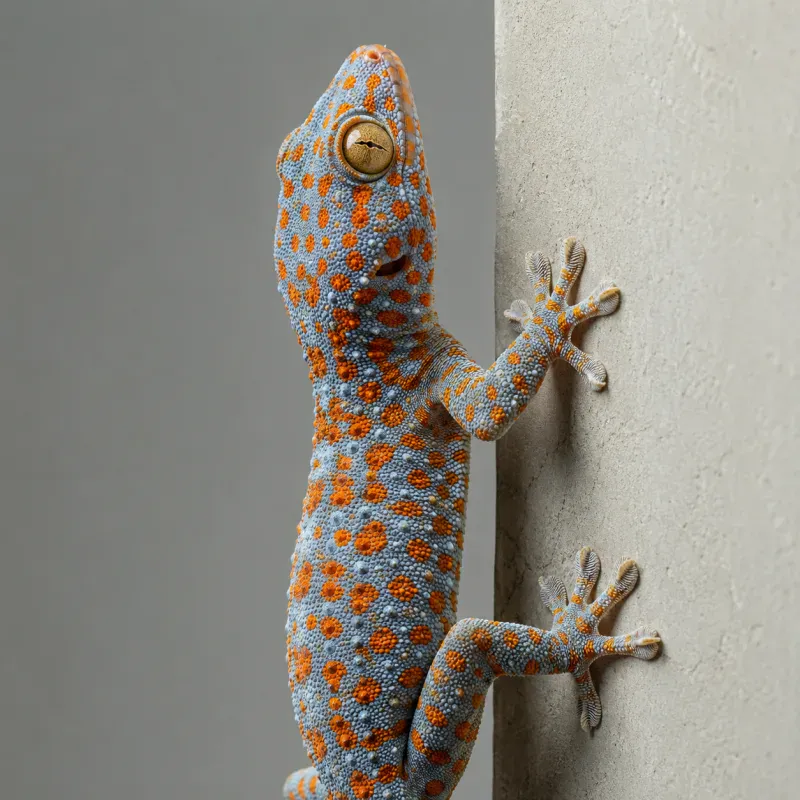
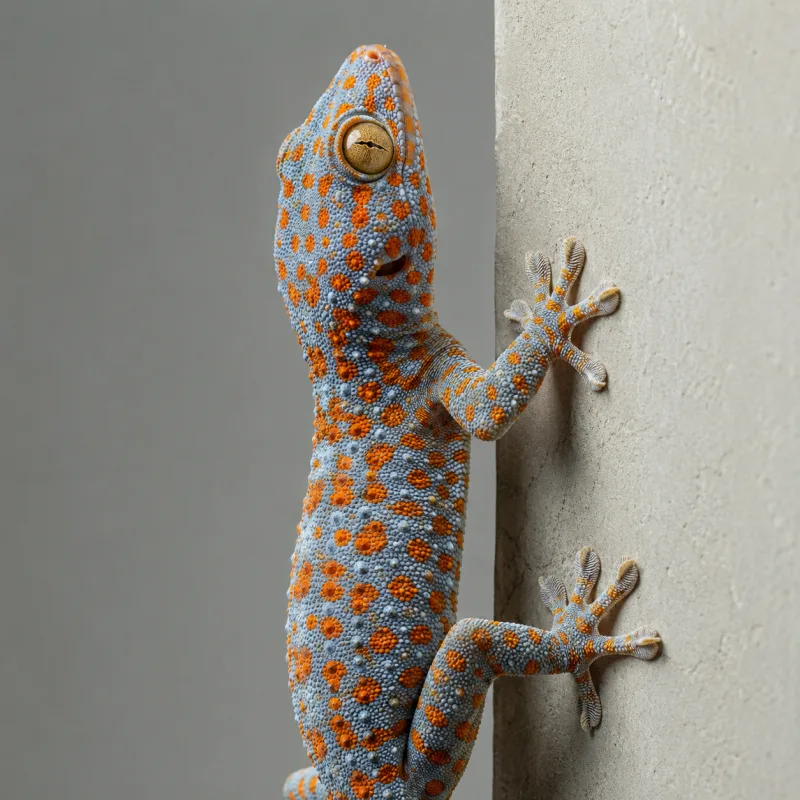
The Tokay gecko (Gekko gecko) is one of the largest gecko species in the pet trade, known for its striking blue-gray body with orange spots and its loud, distinctive call. Native to Southeast Asia, these arboreal reptiles require a carefully balanced diet to thrive in captivity. This comprehensive guide covers insect variety, feeding schedules by age, supplement dusting, prey size, and more. Whether you’re a beginner or experienced keeper, following these evidence-based recommendations will help your Tokay gecko live a long, healthy life—typically 10–15 years in captivity.
Enclosure Setup for Optimal Feeding
Before diving into diet, it’s crucial to set up an enclosure that supports natural feeding behaviors. Tokay geckos are arboreal and nocturnal, so they need vertical space and hiding spots.
Minimum Enclosure Size
An adult Tokay gecko requires at least a 20-gallon tall (24" x 12" x 16") enclosure, but larger is better. A 30–40 gallon breeder or a custom vertical terrarium (e.g., 18" x 18" x 36") allows for proper climbing and hunting.
Key Features
- Vertical space: Use cork bark, bamboo poles, and artificial vines to create climbing routes.
- Hides: Provide at least two hides (one warm, one cool) to reduce stress during digestion.
- Feeding ledge: Place a shallow dish on a ledge to prevent prey from escaping and to mimic natural feeding.
- Live plants: Pothos, snake plants, or bromeliads help maintain humidity and provide cover.
Heating and Lighting for Digestion
Proper thermoregulation is essential for digestion. Tokay geckos need a temperature gradient and UVB lighting to metabolize calcium and other nutrients.
Temperature Gradient
| Zone | Daytime Temperature | Nighttime Temperature |
|---|---|---|
| Basking spot | 88–92°F (31–33°C) | 70–75°F (21–24°C) |
| Warm side | 82–86°F (28–30°C) | 70–75°F (21–24°C) |
| Cool side | 75–80°F (24–27°C) | 65–70°F (18–21°C) |
Lighting
- UVB: Use a 5–6% UVB bulb (e.g., Arcadia ShadeDweller) for 10–12 hours daily. UVB aids vitamin D3 synthesis and calcium absorption.
- Heat source: A ceramic heat emitter or low-wattage basking bulb works well. Avoid heat rocks, which can cause burns.
- Night: No light is needed; use a ceramic heat emitter if temps drop below 65°F.
Humidity and Hydration
Tokay geckos require high humidity (60–80%) to shed properly and stay hydrated. Dehydration can lead to impaction and kidney issues.
Maintaining Humidity
- Misting: Mist the enclosure 2–3 times daily with dechlorinated water. Aim for droplets on leaves and glass.
- Substrate: Use coconut coir, sphagnum moss, or cypress mulch to retain moisture.
- Water bowl: Provide a shallow water dish, but Tokay geckos often prefer drinking droplets from leaves.
Diet and Feeding Guide (Core Section)
Tokay geckos are insectivorous and thrive on a varied diet of live, gut-loaded insects. This section covers the essentials.
Insect Variety
Feed a rotation of at least 3–4 different insect types to ensure nutritional balance. Avoid wild-caught insects (risk of pesticides/parasites).
- Crickets: Staple feeder; gut-load with carrots, leafy greens, and commercial cricket food.
- Dubia roaches: High in protein and easy to digest; excellent staple.
- Black soldier fly larvae (BSFL): Rich in calcium; great for juveniles and breeding females.
- Hornworms: Occasional treat; high moisture content.
- Silkworms: Soft-bodied and nutritious; good for sick or picky geckos.
- Waxworms and mealworms: High in fat; feed sparingly (once a week max) to avoid obesity.
Prey Size by Age
Prey should be no larger than the space between your gecko’s eyes. Use this guide for safety:
| Age Group | Prey Size | Examples |
|---|---|---|
| Hatchlings (0–3 months) | 1/4 inch (6 mm) | Pinhead crickets, micro mealworms |
| Juveniles (3–8 months) | 1/4–1/2 inch (6–12 mm) | Small crickets, small dubia roaches |
| Subadults (8–12 months) | 1/2–3/4 inch (12–19 mm) | Medium crickets, medium dubia roaches |
| Adults (12+ months) | 3/4–1 inch (19–25 mm) | Large crickets, adult dubia roaches, hornworms |
Feeding Schedule by Age
- Hatchlings: Feed 5–7 small insects daily. Offer food in the evening when they are most active.
- Juveniles: Feed 4–6 insects every other day.
- Subadults: Feed 3–5 insects every 2–3 days.
- Adults: Feed 3–4 large insects every 3–4 days. Reduce frequency in winter to mimic seasonal slowdown.
Supplement Dusting
Dust insects immediately before feeding. Use a shallow dish or bag to coat prey evenly.
- Calcium (without D3): Use at every feeding for adults, and every other feeding for juveniles.
- Calcium (with D3): Use once or twice a week, especially if no UVB is provided.
- Multivitamin: Use once a week (e.g., Repashy Calcium Plus or Zoo Med Reptivite).
Note: Over-supplementing with vitamin D3 can cause toxicity. If using UVB, rely on calcium without D3 most of the time.
Gut-Loading
Feed your insects a nutritious diet 24–48 hours before offering them to your gecko. Good gut-load options include:
- Dark leafy greens (kale, collard greens, dandelion greens)
- Carrots, sweet potatoes, squash
- Commercial gut-load formulas (e.g., Fluker’s High-Calcium Cricket Diet)
Handling and Feeding Interaction
Tokay geckos are notoriously defensive and may bite if stressed. Minimize handling, especially around feeding time.
Best Practices
- Use tongs: Offer prey with long feeding tongs to avoid accidental bites.
- No hand feeding: Tokay geckos have strong jaws and can break skin.
- Observe from a distance: Let your gecko eat undisturbed. Stress can cause regurgitation.
- Clean up leftovers: Remove uneaten insects after 15–20 minutes to prevent them from biting your gecko.
Common Health Issues Related to Diet
Poor nutrition is a leading cause of illness in captive Tokay geckos. Watch for these issues:
| Condition | Symptoms | Cause | Prevention |
|---|---|---|---|
| Metabolic Bone Disease (MBD) | Soft jaw, tremors, curved spine | Calcium deficiency, lack of UVB | Supplement calcium and provide UVB |
| Obesity | Excessive fat pads, lethargy | Overfeeding high-fat insects | Limit waxworms/mealworms |
| Impaction | Constipation, swollen belly | Large prey or poor substrate | Feed appropriate prey size; use safe substrate |
| Dehydration | Sunken eyes, stuck shed | Low humidity, no water source | Mist daily, provide water bowl |
Avoid These Problems
- Feeding only crickets: Lack of variety leads to nutritional deficiencies. Rotate feeders.
- Using calcium without D3 exclusively: Without UVB, geckos need D3 to absorb calcium. Balance both forms.
- Overfeeding: Tokay geckos will overeat if given the chance. Stick to schedule.
- Ignoring gut-loading: Insects are only as nutritious as their diet. Gut-load for at least 24 hours.
- Handling after feeding: Wait at least 48 hours after a large meal to handle, to prevent regurgitation.
Comparison Table: Tokay Gecko vs. Other Large Geckos
| Species | Adult Size | Diet | Feeding Frequency (Adult) | Difficulty |
|---|---|---|---|---|
| Tokay Gecko | 10–14 inches | Insects only | Every 3–4 days | Intermediate |
| Crested Gecko | 8–10 inches | Fruit + insects | Every 2–3 days | Beginner |
| Leopard Gecko | 7–10 inches | Insects only | Every 2–3 days | Beginner |
| Giant Day Gecko | 10–12 inches | Fruit + insects | Every 2–3 days | Intermediate |
Final Tips for Success
- Keep a feeding log to track consumption and adjust portions.
- Quarantine new insects for 24 hours to ensure they are healthy.
- If your gecko stops eating, check temperatures and humidity first. Stress is a common cause.
- Consult a reptile veterinarian if you notice weight loss, lethargy, or abnormal feces.
By following this diet and feeding guide, your Tokay gecko will receive the balanced nutrition it needs to thrive. Remember: variety, proper supplementation, and correct prey size are the keys to a healthy, long-lived gecko.
Related Reading
Check optimal temps, calculate feeding, and find your perfect species match.
References
- de Vosjoli, P. (2004). The Herpetoculture of the Tokay Gecko (Gekko gecko). Advanced Vivarium Systems.
- McLeod, L. (2021). Tokay Gecko Care Sheet. The Spruce Pets. https://www.thesprucepets.com/tokay-gecko-1236708
- Reptiles Magazine. (2020). Tokay Gecko Care Guide. https://www.reptilesmagazine.com/tokay-gecko-care/
- Frye, F. L. (1991). Reptile Care: An Atlas of Diseases and Treatments. T.F.H. Publications.
🐾 Join the Community
See how other keepers set up their enclosures, ask questions, and share your experience.
🛠️ Apply What You Learned
Check optimal temps, calculate feeding schedules, and get calcium dosage — all personalized for your species.
Comments
No account needed — corrections, updates and questions are all welcome. For a full question with photos, the community Q&A is the better place.