Tokay Gecko Morphs: Yellow, Blue & High-Red
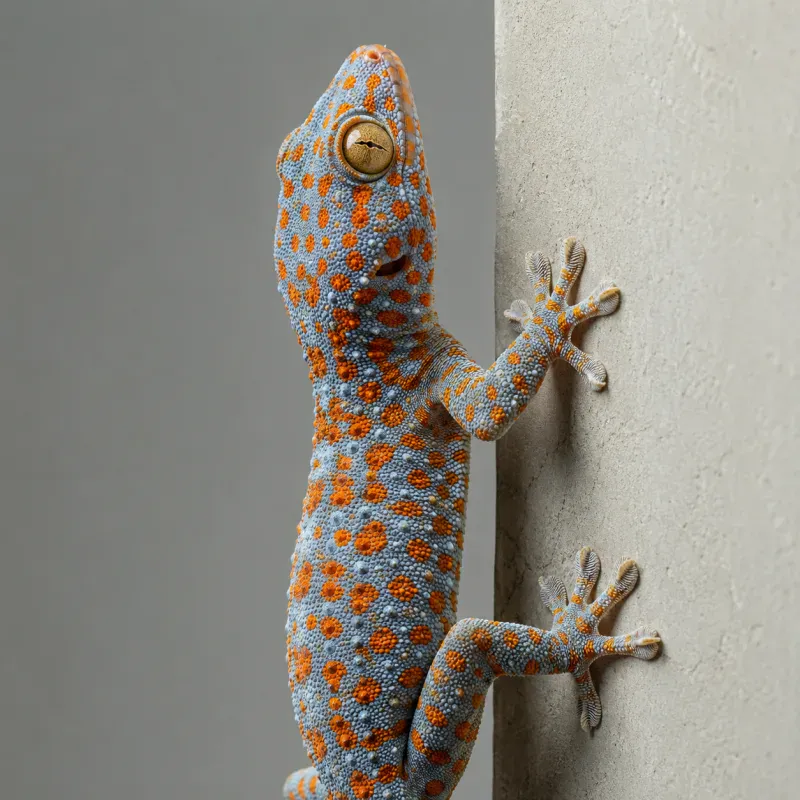
Popular Tokay Gecko Morphs (With Pictures)
Here are the most popular color forms in their typical adult appearance.
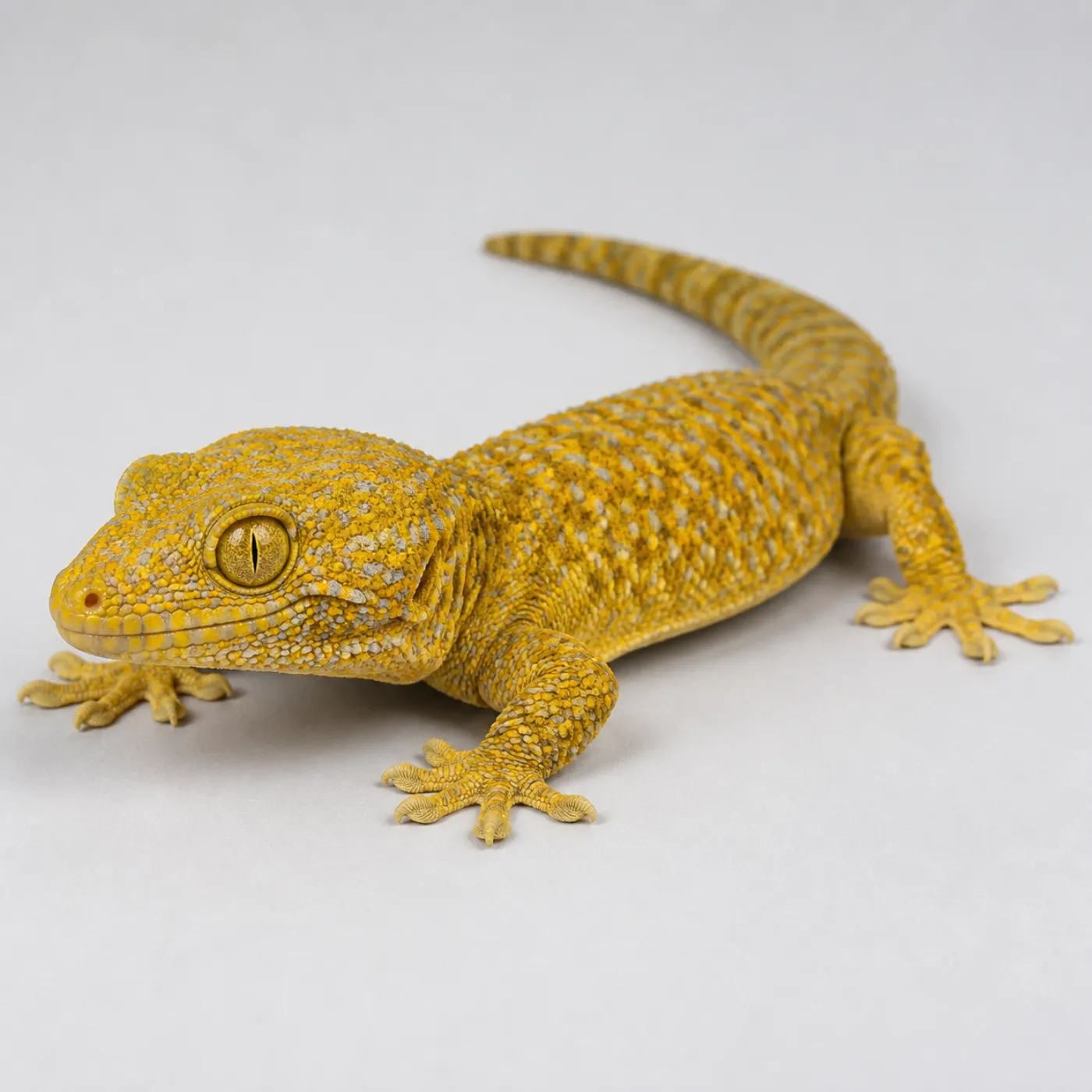 Yellow-Phase | 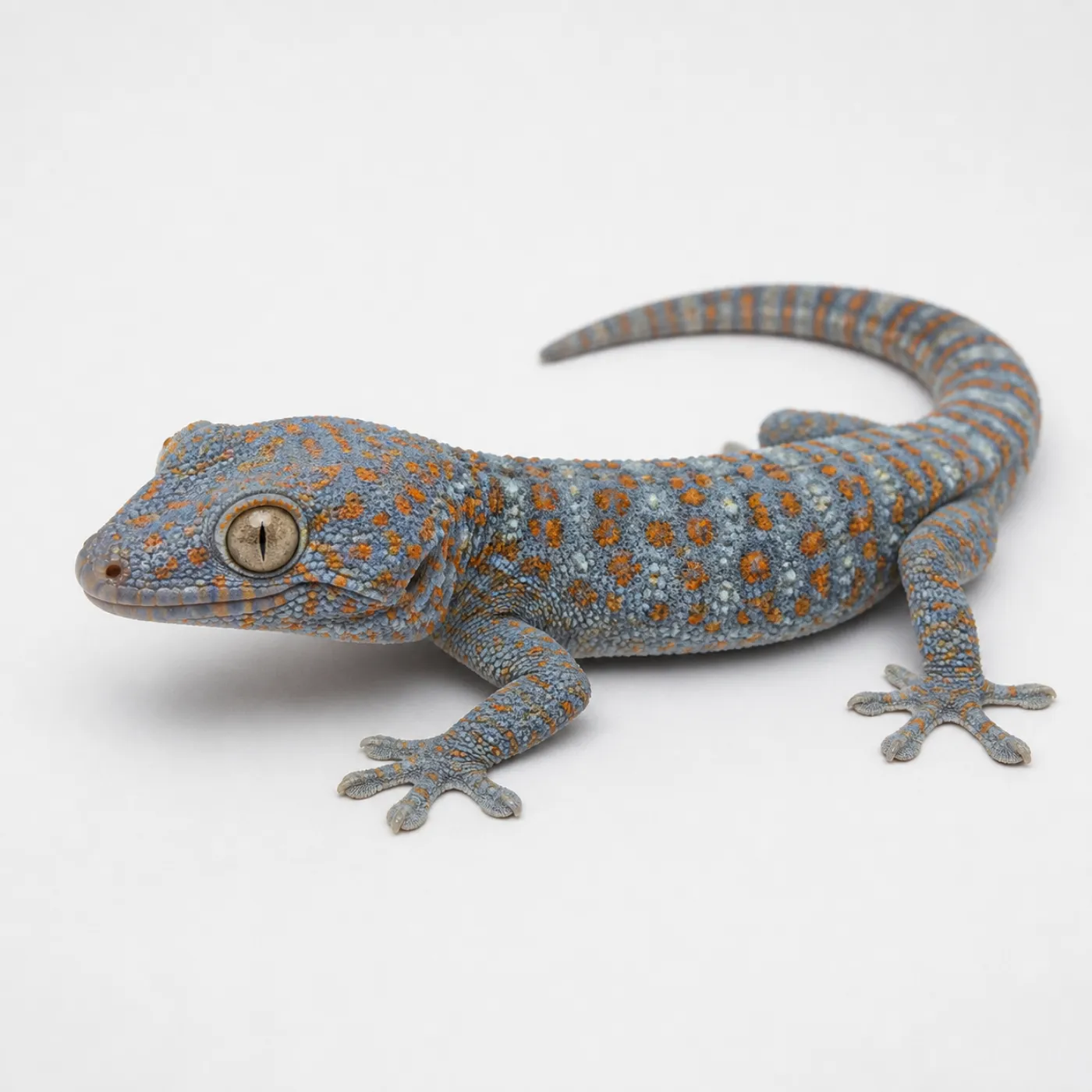 Blue-Phase |
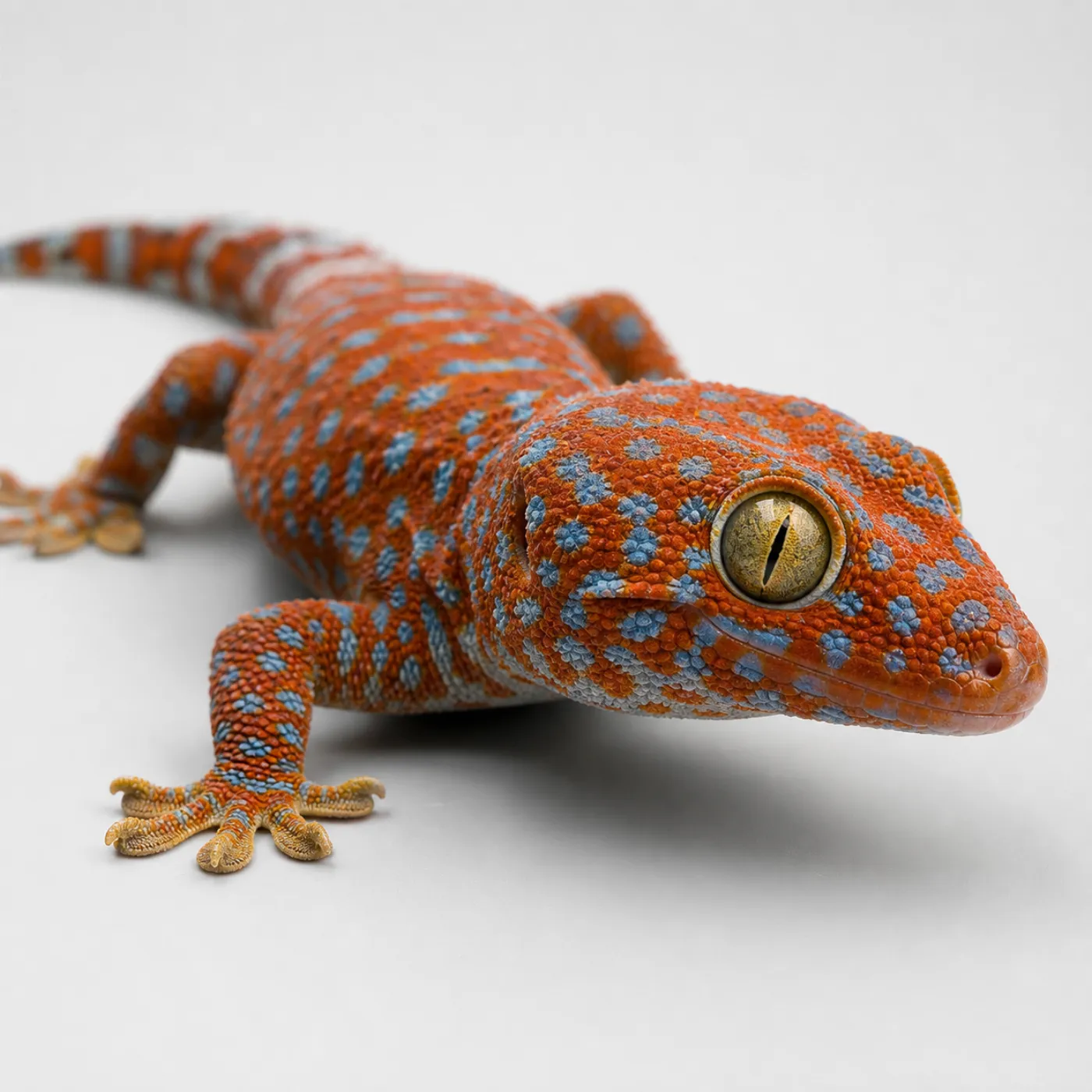 High-Red | 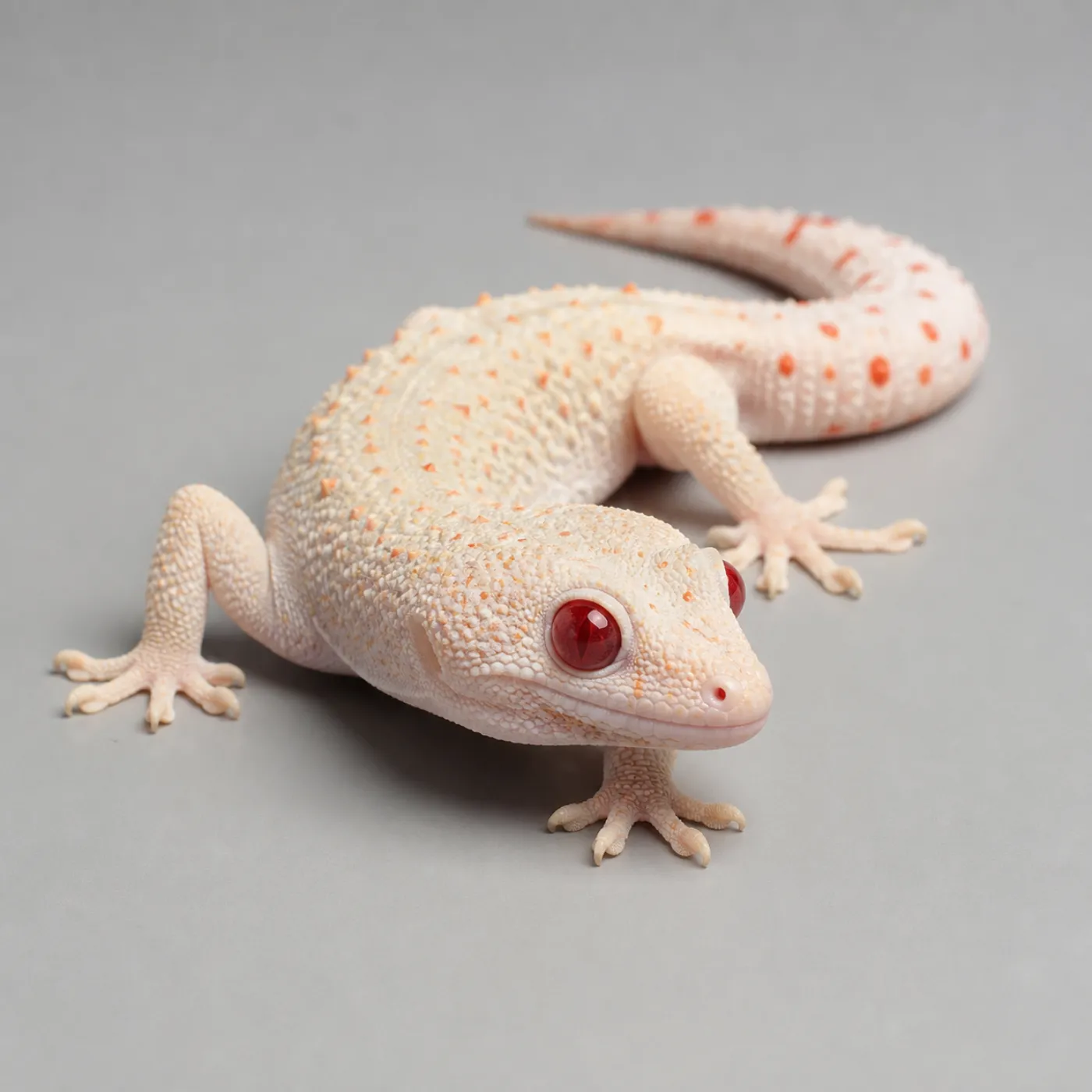 Albino |
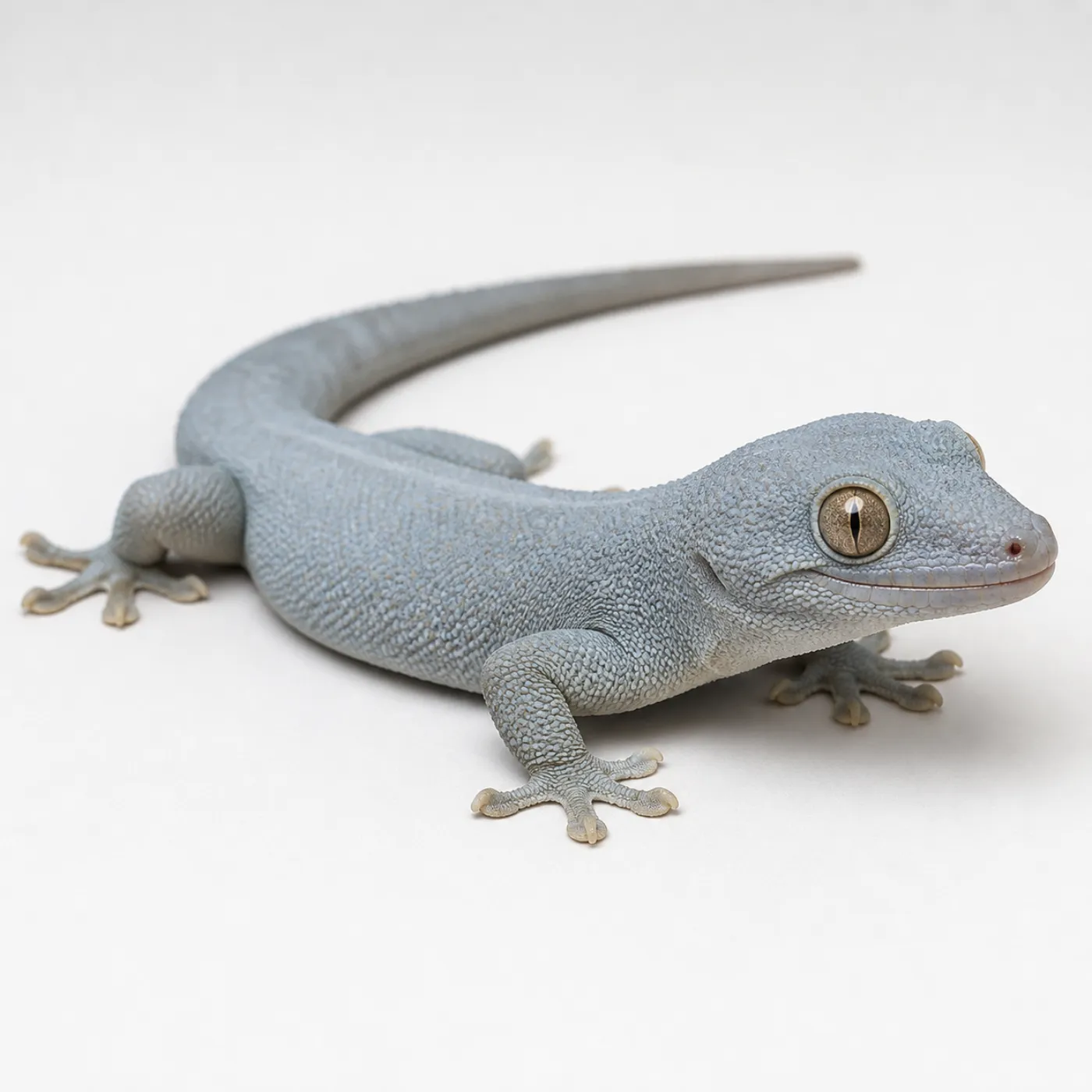 Patternless |
What Morphs Exist for Tokay Geckos?
Tokay geckos (Gekko gecko) are known for their striking blue-gray coloration and orange spots, but selective breeding has produced a variety of captivating morphs. While the tokay gecko morph market is less established than that of leopard geckos, dedicated breeders have developed several distinct color and pattern mutations. These include yellow, blue, high-red, patternless, and even albino varieties. Each morph has its own visual appeal, rarity, and price range, making tokay geckos an exciting choice for collectors and enthusiasts.
Full Morph Profiles
Wild Type (Normal)
The wild-type tokay gecko is the benchmark for the species. It features a vibrant blue-gray or slate-blue background with numerous orange or red spots covering the body and head. The belly is typically a pale cream or gray. This morph is the most common and affordable, making it an excellent choice for first-time tokay owners. Wild-type tokays are hardy and display the species' characteristic boldness.
Rarity: Common
Price: $50–$100
Yellow (Xanthic)
Yellow tokay geckos, also known as xanthic morphs, exhibit a reduction in blue pigmentation, resulting in a yellow or golden background. The spots can range from orange to red, creating a striking contrast. This mutation is recessive, meaning both parents must carry the gene for offspring to display the yellow coloration. Yellow tokays are more sought after than wild types and are moderately rare in the hobby.
Rarity: Uncommon
Price: $200–$400
Blue (Axanthic or Hypo-blue)
Blue tokay geckos are characterized by an intense, vivid blue coloration with minimal orange spotting. This is often achieved through selective breeding for reduced spot expression or the axanthic gene, which inhibits yellow and red pigments. The result is a gecko that appears almost solid blue, especially in juvenile stages. Blue tokays are highly prized for their stunning appearance and are rarer than wild types.
Rarity: Rare
Price: $300–$600
High-Red
High-red tokay geckos are selectively bred to enhance the red and orange spotting, resulting in a gecko with intense, vivid red spots that may even appear to bleed into the background color. The background can vary from blue-gray to purple. This morph is popular among breeders who focus on color intensity. High-red tokays are uncommon and command a premium price.
Rarity: Uncommon
Price: $150–$300
Patternless (Striped or Leucistic)
Patternless tokay geckos lack the typical spots and blotches, displaying a solid or nearly solid coloration. This can occur in various color forms, including blue, yellow, or even white (leucistic). Patternless morphs are the result of recessive genes that suppress pattern development. They are extremely rare and highly sought after by collectors.
Rarity: Very rare
Price: $500–$1,000+
Albino
Albino tokay geckos are a true albino morph, lacking melanin entirely. They display a white or pale yellow body with pink or red eyes. This is a recessive trait and is extremely rare in the tokay gecko hobby. Albino tokays require special care to avoid excessive UV exposure and are highly prized for their unique appearance.
Rarity: Very rare
Price: $800–$1,500+
Lavender
Lavender tokay geckos exhibit a soft purple or lavender tint to their background color, often combined with orange or red spots. This morph is the result of selective breeding for specific color modifiers. Lavender tokays are uncommon and have a growing fan base due to their ethereal beauty.
Rarity: Uncommon
Price: $250–$450
Ghost (Hypomelanistic)
Ghost tokay geckos have reduced melanin, resulting in a lighter, more washed-out appearance with pale gray or silver background and faint spots. This is a hypomelanistic trait that can be recessive or polygenic. Ghost tokays are moderately rare and appeal to those who prefer subtle, muted colors.
Rarity: Uncommon
Price: $180–$300
Super Red
Super red tokay geckos are an extreme expression of the high-red morph, with intense, deep red spots that cover most of the body, sometimes appearing almost entirely red. This is achieved through selective breeding of high-red lines. Super reds are very rare and command top prices.
Rarity: Rare
Price: $400–$700
Tiger
Tiger tokay geckos have a distinct striped pattern, with vertical bands or stripes running along the body, rather than spots. This pattern mutation is recessive and is often combined with other color morphs for unique combinations. Tiger tokays are rare and highly collectible.
Rarity: Rare
Price: $350–$600
Pied
Pied tokay geckos have patches of unpigmented (white) skin mixed with normal coloration, creating a piebald effect. The amount and placement of white patches vary greatly. Pied is a recessive trait and is extremely rare. Each pied tokay is unique, making them highly sought after.
Rarity: Very rare
Price: $600–$1,200
Granite
Granite tokay geckos have a mottled, speckled pattern that resembles granite stone, with irregular dark and light patches. This pattern is caused by a recessive gene that disrupts normal spot formation. Granite tokays are rare and have a unique, earthy aesthetic.
Rarity: Rare
Price: $300–$500
Pastel
Pastel tokay geckos have softer, lighter colors, with a pastel blue or lavender background and muted orange spots. This morph is produced by selective breeding for reduced saturation. Pastel tokays are uncommon and appeal to those who prefer gentle, calming colors.
Rarity: Uncommon
Price: $200–$350
Caramel Albino
Caramel albino tokay geckos are a variation of albinism that produces a caramel or light brown coloration instead of pure white, with red or pink eyes. This is a recessive trait and is even rarer than standard albinos. Caramel albinos are highly prized for their unique warm tones.
Rarity: Very rare
Price: $900–$1,500
Calico
Calico tokay geckos have a mix of orange, red, and white patches, often with a blue-gray background. This pattern is similar to pied but with more colored patches. Calico is a polygenic trait that is difficult to breed for reliably. Calico tokays are rare and highly sought after.
Rarity: Rare
Price: $500–$900
Comparison Table
| Morph | Appearance | Rarity | Price Range (USD) |
|---|---|---|---|
| Wild Type | Blue-gray with orange spots | Common | $50–$100 |
| Yellow (Xanthic) | Yellow background with orange/red spots | Uncommon | $200–$400 |
| Blue (Axanthic) | Solid vivid blue with minimal spots | Rare | $300–$600 |
| High-Red | Blue-gray background with intense red spots | Uncommon | $150–$300 |
| Patternless | Solid color (blue, yellow, or white) without spots | Very rare | $500–$1,000+ |
| Albino | White/pale yellow body with pink/red eyes | Very rare | $800–$1,500+ |
| Lavender | Purple/lavender background with orange spots | Uncommon | $250–$450 |
| Ghost | Pale gray/silver with faint spots | Uncommon | $180–$300 |
| Super Red | Intense deep red spots covering most of body | Rare | $400–$700 |
| Tiger | Vertical stripes instead of spots | Rare | $350–$600 |
| Pied | White patches mixed with normal coloration | Very rare | $600–$1,200 |
| Granite | Mottled, speckled pattern resembling granite | Rare | $300–$500 |
| Pastel | Soft, light blue/lavender with muted orange spots | Uncommon | $200–$350 |
| Caramel Albino | Caramel/light brown body with red eyes | Very rare | $900–$1,500 |
| Calico | Mix of orange, red, and white patches | Rare | $500–$900 |
Genetics and Heredity Basics
Understanding tokay gecko morph genetics is essential for breeders and enthusiasts. Most morphs are inherited in simple Mendelian patterns, with recessive and dominant traits. Recessive morphs, such as albino, patternless, and tiger, require both parents to carry the gene for offspring to show the trait. Heterozygous individuals (carriers) appear normal but can pass the gene to their offspring. Dominant or co-dominant traits, like some high-red expressions, may only need one parent to display the morph. Polygenic traits, such as calico and ghost, are influenced by multiple genes, making them more unpredictable in breeding. When breeding, it's crucial to know the lineage of your geckos to avoid genetic health issues and to achieve desired outcomes.
How to Choose a Morph
Selecting a tokay gecko morph depends on your budget, aesthetic preferences, and experience level. Beginners should start with a wild-type or a moderately priced morph like high-red or yellow, as these are more affordable and robust. Enthusiasts with a larger budget may opt for rare morphs like albino, pied, or patternless. Always purchase from reputable breeders who can provide health records and lineage information. Consider the gecko's temperament, as tokay geckos are known for being aggressive; handle with care. Also, think about long-term care costs, as rare morphs may require special attention.
Care Notes Relevant to Morphs
While all tokay geckos share similar care requirements, certain morphs may need extra considerations. Albino and caramel albino geckos have sensitive eyes and skin, so avoid bright UV lighting and provide plenty of shade. Lighter-colored morphs like pastel and ghost may be more prone to stress from excessive light, so ensure a well-planted enclosure with hiding spots. High-red and super red morphs do not have special lighting needs but benefit from a diet rich in carotenoids (e.g., feeding gut-loaded insects) to enhance their red coloration. All tokay geckos require a tall enclosure (at least 18 inches high) with vertical climbing branches, temperatures of 80–85°F with a basking spot of 90°F, and humidity levels of 60–80%. Provide a water dish and mist daily.
Common Mistakes
- Overhandling: Tokay geckos are defensive and can bite; excessive handling causes stress. Minimize handling and use gloves when necessary.
- Incorrect Enclosure Size: Using a small, horizontal tank instead of a tall, vertical one limits climbing opportunities and causes stress.
- Poor Humidity Control: Allowing humidity to drop below 60% can lead to shedding problems and respiratory issues.
- Inadequate Diet: Feeding only crickets without gut-loading or supplementation leads to nutritional deficiencies.
- Ignoring Morph-Specific Needs: For example, placing an albino under bright UV light can cause eye damage.
- Assuming All Morphs Are Equally Hardy: Rare morphs may have weaker immune systems due to inbreeding; research your specific morph's health history.
Frequently Asked Questions
What is the most common tokay gecko morph?
The wild-type tokay gecko is the most common and affordable morph, typically costing between $50 and $100.
Are yellow tokay geckos rare?
Yellow (xanthic) tokay geckos are uncommon in the hobby, with prices ranging from $200 to $400, as they require a recessive gene from both parents.
Do albino tokay geckos need special lighting?
Yes, albino tokay geckos have sensitive eyes and skin, so they should be kept under low UV lighting with plenty of shaded areas to avoid photophobia and skin damage.
Can I breed a high-red tokay with a yellow tokay to get a specific morph?
Breeding high-red (likely polygenic) with yellow (recessive) can produce varied offspring; however, the outcome depends on the underlying genetics. It's best to consult a breeder to understand the inheritance of your specific lines.
What is the price range for a patternless tokay gecko?
Patternless tokay geckos are very rare and typically cost between $500 and $1,000 or more, depending on the color and breeder.
Are tokay geckos aggressive?
Yes, tokay geckos are known for their defensive temperament and can bite if threatened. They are better for observation than handling, and owners should use caution.
How long do tokay geckos live?
Tokay geckos can live 15–20 years in captivity with proper care, making them a long-term commitment.
Related Reading
- Tokay Gecko Care Guide: Enclosure & Diet — Learn the essential enclosure setup, temperature, humidity, and diet basics for your tokay gecko.
- Tokay Gecko Taming: Handle & Build Trust — Discover safe handling techniques and taming strategies to build trust with your tokay gecko.
- Tokay Gecko Diet & Feeding Guide — Get a detailed feeding schedule, prey options, and supplementation tips for healthy tokay geckos.
- Reptile UVB Lighting Guide: Ferguson Zones & Bulb Selection — Understand UVB requirements and Ferguson zones to choose the right lighting for your reptile.
- Reptile Vitamins & Supplements: Calcium With or Without D3 — Learn when to use calcium with or without D3 and how to supplement your reptile's diet correctly.
Check optimal temps, calculate feeding, and find your perfect species match.
References
- de Vosjoli, P. (2004). The Herpetoculture of Tokay Geckos. Advanced Vivarium Systems.
- Bartlett, R. D., & Bartlett, P. (2005). Geckos: Everything About Selection, Care, Nutrition, Diseases, Breeding, and Behavior. Barron's Educational Series.
- Hunziker, R. (2018). Tokay Gecko Morphs and Genetics. Reptiles Magazine.
🐾 Join the Community
See how other keepers set up their enclosures, ask questions, and share your experience.
🛠️ Apply What You Learned
Check optimal temps, calculate feeding schedules, and get calcium dosage — all personalized for your species.
Comments