Red-Footed Tortoise Enclosure: Tropical Setup
Introduction
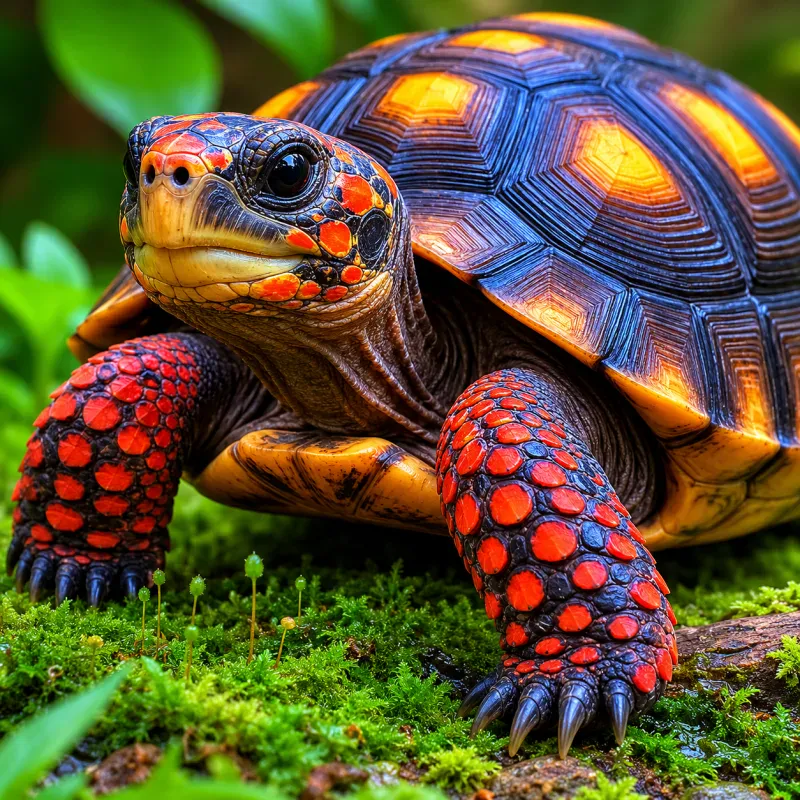
The red-footed tortoise (Chelonoidis carbonarius) is a medium-sized, colorful tortoise native to the tropical forests of South America. Unlike desert-dwelling species, red-foots require consistently high humidity, warm temperatures, and plenty of space to thrive in captivity. Whether you're setting up an indoor vivarium or designing a secure outdoor pen, this guide will walk you through every essential element of enclosure management, from substrate selection to humidity control. A proper setup not only prevents common health issues like shell pyramiding and respiratory infections but also encourages natural behaviors like burrowing, basking, and foraging.
Enclosure Size and Type
Red-footed tortoises are active roamers and need ample floor space. A single adult requires a minimum enclosure of 6 feet by 3 feet (1.8 m x 0.9 m), though larger is always better. For hatchlings, a 40-gallon breeder tank (36" x 18") works temporarily, but they quickly outgrow it. Consider building a custom wooden vivarium or using a large plastic tub (e.g., a stock tank) for indoor housing. Glass aquariums are not ideal because they lose humidity and heat quickly, but they can be modified with a screen lid and plastic wrap to retain moisture. For outdoor pens, a minimum of 8 feet by 8 feet (2.4 m x 2.4 m) per adult is recommended, with walls at least 18 inches high and buried 6 inches deep to prevent digging out.
Substrate Choices
Substrate plays a critical role in humidity retention, burrowing, and overall health. Red-footed tortoises need a substrate that holds moisture without becoming waterlogged. The best options are:
- Coconut coir — Excellent moisture retention, soft texture, and resistant to mold when kept properly.
- Organic topsoil (no additives or fertilizers) — Mimics natural forest floor, allows digging, and holds humidity well.
- Cypress mulch — Holds moisture, resists mold, and provides a natural look. Avoid cedar or pine, which are toxic.
- Sphagnum moss — Can be added to a top layer or hide areas to boost humidity.
Aim for a depth of 4–6 inches to allow burrowing. Mixing coconut coir with organic topsoil in a 1:1 ratio is a popular and effective blend. Avoid sand, gravel, or reptile carpet, as they do not retain humidity and can cause impaction if ingested.
Heating, Lighting, and UVB
Red-footed tortoises are ectothermic and require a thermal gradient. Provide a basking spot of 90–95°F (32–35°C) using a ceramic heat emitter or incandescent basking bulb. The ambient temperature should range from 80–85°F (27–29°C) during the day, with a night drop to 70–75°F (21–24°C). Use a thermostat to regulate heat sources and prevent overheating.
UVB lighting is essential for vitamin D3 synthesis and calcium metabolism. Use a 5.0 or 6% UVB tube light (T5 or T8) spanning at least half the enclosure. Replace bulbs every 6–12 months, as UVB output degrades over time. Provide a 12-hour day/night cycle with a timer. Red-foots do not require very intense UVB, but they need access to it for 10–12 hours daily.
Humidity Management
Maintaining 70–85% humidity is non-negotiable for red-footed tortoises. Low humidity leads to dehydration, shell pyramiding, and respiratory issues. To achieve this:
- Mist the enclosure 2–3 times daily with a spray bottle. Use warm, dechlorinated water.
- Install a fogger or humidifier connected to a hygrometer controller for consistent levels.
- Use a deep substrate (4–6 inches) and dampen it thoroughly but not soggy. The top layer should feel moist to the touch.
- Provide a humid hide (e.g., a plastic container with damp sphagnum moss) where the tortoise can retreat for extra moisture.
- Cover part of the enclosure top (e.g., with plastic wrap or a glass lid) to reduce ventilation and trap humidity.
Monitor humidity with a digital hygrometer placed at substrate level. Avoid stagnant, overly wet conditions that promote fungal growth; ensure good ventilation at the same time.
Outdoor Pen Design
In warm climates (above 50°F/10°C at night), red-footed tortoises benefit from outdoor time during spring and summer. An outdoor pen should be secure and provide both sun and shade. Key elements:
- Walls: Use wood, concrete blocks, or metal siding at least 18–24 inches high, buried 6–8 inches deep to prevent digging out. Smooth surfaces discourage climbing.
- Shade: Provide a covered area (e.g., a wooden shelter, dense shrubs, or a tarp) where the tortoise can escape direct sun. Red-foots are not desert animals and can overheat quickly.
- Water source: A shallow, heavy water dish (e.g., a plant saucer) that is easy to enter and exit. Change water daily.
- Substrate: Use organic soil, grass, or leaf litter. Avoid fertilizers or pesticides.
- Predator protection: Cover the top with hardware cloth or a wire mesh if raccoons, dogs, or birds are a concern.
- Basking area: A sunny spot with a flat rock or log where the tortoise can warm up to 85–90°F (29–32°C).
Always supervise outdoor time if the pen is not fully enclosed. Bring the tortoise indoors if temperatures drop below 60°F (15°C).
Diet and Feeding
Red-footed tortoises are omnivorous in the wild, eating fruits, flowers, leaves, and occasional protein. In captivity, a balanced diet consists of:
- Leafy greens (70%): Dandelion greens, collard greens, mustard greens, turnip greens, and romaine lettuce. Avoid spinach, kale, and beet greens in large amounts due to oxalates.
- Vegetables (15%): Squash, carrots, bell peppers, and sweet potatoes. Grate or chop into bite-sized pieces.
- Fruits (10%): Mango, papaya, berries, melon, and banana (in moderation). Too much sugar can cause digestive upset.
- Protein (5%): Earthworms, snails, cooked chicken, or low-fat cat food once every 2–3 weeks. Young tortoises need more protein (up to 10–15% of diet).
Dust food with a calcium supplement (without D3 if UVB is provided) 2–3 times per week, and a multivitamin once per week. Provide fresh water in a shallow dish at all times. Feed adults every other day, and juveniles daily.
Common Health Issues
With proper care, red-footed tortoises are hardy, but common problems include:
- Shell pyramiding: Caused by low humidity, poor diet (too much protein, not enough calcium), or insufficient UVB. Prevent with high humidity and balanced nutrition.
- Respiratory infections: Symptoms include nasal discharge, wheezing, and open-mouth breathing. Often due to low temperatures or drafts. Provide a warm, humid environment and consult a vet.
- Parasites: Internal (roundworms, pinworms) or external (mites). Fecal exams and routine deworming by a reptile vet are recommended.
- Metabolic bone disease (MBD): Soft shell, lethargy, and deformities. Caused by calcium deficiency or lack of UVB. Correct lighting and supplementation are key.
- Shell rot: Soft, discolored patches on the shell from bacterial or fungal infection. Keep substrate clean and dry, and treat with topical antiseptics or vet-prescribed medication.
What Not to Do
Even experienced keepers sometimes overlook these pitfalls:
- Underestimating humidity: Red-foots need 70–85% humidity, not the 40–50% typical of many reptile setups. Use a hygrometer and adjust accordingly.
- Overfeeding protein: Too much animal protein (e.g., dog food, eggs) can cause rapid growth and shell deformities. Stick to 5% of the diet for adults.
- Using wrong substrate: Sand, gravel, or pine bark can cause impaction or respiratory irritation. Use coconut coir or organic soil.
- Ignoring UVB: Even if the tortoise eats well, UVB is essential for calcium absorption. Replace bulbs regularly.
- Inadequate space: A 20-gallon tank is too small for any red-foot beyond hatchling stage. Invest in a large enclosure from the start.
Comparison Table: Substrate Options for Red-Footed Tortoises
| Substrate | Moisture Retention | Safety | Ease of Cleaning | Cost | Best For |
|---|---|---|---|---|---|
| Coconut coir | Excellent | Very safe | Moderate | Low–Medium | Indoor enclosures, high humidity |
| Organic topsoil | Good | Safe (no additives) | Moderate | Low | Outdoor pens, mixed with coir |
| Cypress mulch | Good | Safe (avoid cedar) | Easy (spot clean) | Medium | Humid hides, top layer |
| Sphagnum moss | Excellent | Safe | Difficult (mixes with waste) | Medium–High | Humid hides, boosting humidity |
| Sand or gravel | Poor | Risky (impaction) | Easy | Low | Not recommended |
Related Reading
- Red-Footed Tortoise Care: The Tropical Omnivore Guide
- Red-Footed Tortoise Diet Guide: Omnivorous Feeding S...
- Red-Footed Tortoise Health Guide: Shell Rot Preventi...
Check optimal temps, calculate feeding, and find your perfect species match.
References
- Highfield, A. C. (2019). Practical Encyclopedia of Keeping and Breeding Tortoises and Freshwater Turtles. Carapace Press.
- McArthur, S., Wilkinson, R., & Meyer, J. (2004). Medicine and Surgery of Tortoises and Turtles. Blackwell Publishing.
- VetMed. (2020). Chelonoidis carbonarius Care Sheet. Reptile Medicine & Surgery Journal, 12(3), 45–52.
🐾 Join the Community
See how other keepers set up their enclosures, ask questions, and share your experience.
🛠️ Apply What You Learned
Check optimal temps, calculate feeding schedules, and get calcium dosage — all personalized for your species.
Comments