Red-Footed Tortoise Diet: Fruits & Protein
Introduction
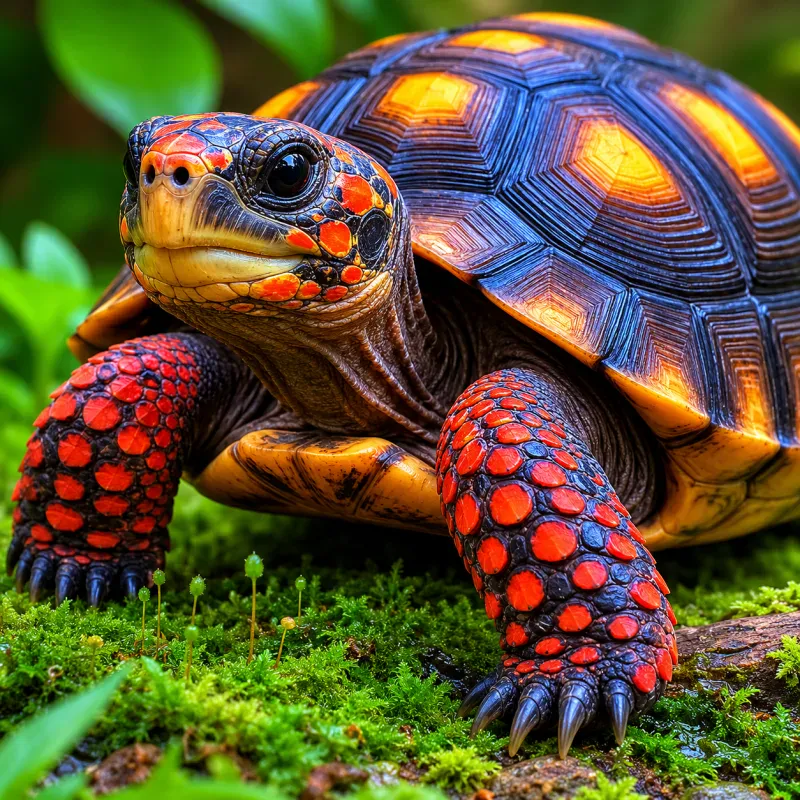
The Red-Footed Tortoise (Chelonoidis carbonarius) is a vibrant, medium-sized tortoise native to South America. Unlike many herbivorous tortoises, Red-Foots are true omnivores, requiring a balanced mix of plant matter and animal protein. A proper diet is the cornerstone of their health, preventing shell deformities, metabolic bone disease, and obesity. This guide provides evidence-backed, actionable advice for feeding your Red-Footed Tortoise at every life stage.
Whether you are a first-time keeper or a seasoned enthusiast, understanding the nutritional needs of your Red-Foot is essential. This article expands on the core principles with step-by-step instructions, troubleshooting tips, comparison tables, and answers to frequently asked questions.
Understanding the Omnivorous Red-Footed Tortoise
In the wild, Red-Footed Tortoises consume a diverse diet of fruits, leaves, flowers, fungi, and small invertebrates. This omnivorous nature means they need a higher protein intake than most tortoise species, especially when young. However, captive diets must be carefully balanced to avoid excess protein, which can cause rapid growth and shell pyramiding.
Why Red-Foots Differ from Other Tortoises
Unlike Mediterranean or Testudo species that are strictly herbivorous, Red-Foots have evolved in tropical rainforests and savannas where animal protein is naturally available. This evolutionary background means their digestive systems are adapted to process protein efficiently, but only in the right proportions. Overfeeding protein can lead to kidney stress and shell abnormalities, while underfeeding can stunt growth and weaken the immune system.
Key Nutritional Ratios
- Calcium-to-Phosphorus Ratio: Aim for 2:1 or higher. Calcium is critical for shell and bone health.
- Protein: 15-20% for juveniles, 8-12% for adults.
- Fiber: 15-25% from leafy greens and grasses.
- Moisture: 70-80% from fresh produce to maintain hydration.
These ratios are approximate and should be adjusted based on your tortoise's activity level, health status, and life stage. A veterinarian can help you fine-tune the diet if needed.
How to Read a Food Label for Tortoises
When selecting commercial diets, check the guaranteed analysis for crude protein, fat, fiber, and calcium. For Red-Foots, look for a protein content between 15% and 20% for juveniles and 8% to 12% for adults. Avoid foods with high phosphorus or added sugars. The calcium-to-phosphorus ratio should be at least 2:1 on the label.
Safe Greens, Vegetables, and Fruits
Variety is essential. Offer a rotation of the following foods to ensure balanced nutrition. A monotonous diet can lead to nutrient deficiencies and boredom.
Staple Greens (80% of diet for adults)
- Dark leafy greens: Collard greens, mustard greens, turnip greens, dandelion greens, kale (in moderation), romaine lettuce.
- Weeds: Plantain, clover, hibiscus leaves, mulberry leaves.
- Other: Endive, escarole, watercress.
How to Prepare Greens: Wash thoroughly to remove pesticides. Chop into bite-sized pieces for hatchlings; adults can handle larger leaves. Avoid iceberg lettuce entirely as it offers no nutritional value.
Vegetables (10-15% of diet)
- Orange/red veggies: Carrots, sweet potatoes, pumpkin, butternut squash (rich in vitamin A).
- Other: Bell peppers, zucchini, cucumber (sparingly), okra.
Pro Tip: Grate hard vegetables like carrots and sweet potatoes to make them easier to eat and digest. Steaming them lightly can also increase palatability without losing nutrients.
Fruits (5-10% of diet)
- Best choices: Papaya, mango, berries (strawberries, blueberries), melon, figs, cactus fruit (prickly pear).
- Limit: Bananas (high sugar), grapes, apples (remove seeds).
Fruits should be treated as treats, not staples. Too much fruit can cause diarrhea and obesity. Always remove seeds from apples and other fruits, as some seeds contain cyanide compounds.
Seasonal and Local Produce
Incorporate seasonal fruits and vegetables to provide variety. In summer, offer melon and berries; in fall, pumpkin and squash. This mimics the natural seasonal availability in their native habitat.
Safe Protein Sources for Omnivores
Protein is vital for growth and egg production. Offer protein 1-2 times per week for juveniles, and once every 1-2 weeks for adults.
- Invertebrates: Earthworms, mealworms, superworms, crickets, snails (avoid wild-caught due to pesticides).
- Prepared foods: Mazuri Tortoise Diet (LS or Omnivore), Repashy Superfoods, or high-quality, low-fat dog food (very sparingly).
- Other: Boiled egg (with shell), pinky mice (only for breeding females, rarely).
Caution: Avoid raw meat, fish, or dairy. These can cause bacterial infections or digestive upset.
How to Offer Protein Safely
- For juveniles, offer protein 2-3 times per week. For adults, once every 1-2 weeks is sufficient.
- Cut invertebrates into small pieces to prevent choking.
- If using commercial diets, follow the manufacturer's instructions for portion sizes.
- Boiled eggs should be chopped including the shell (for calcium) and offered rarely as a treat.
Comparison of Protein Sources
| Protein Source | Protein % (approx.) | Calcium-to-Phosphorus Ratio | Notes |
|---|---|---|---|
| Earthworms | 50-60% | 1:1 | High moisture, great for juveniles |
| Mealworms | 20-25% | 1:10 (poor) | High fat, feed sparingly |
| Crickets | 20-25% | 1:7 (poor) | Gut-load before feeding |
| Mazuri Tortoise Diet | 15-20% | 2:1 (good) | Complete diet, easy to use |
| Boiled egg (with shell) | 12% | 1:1 (with shell) | Occasional treat |
Always dust protein sources with calcium powder if the ratio is poor, as with mealworms and crickets.
Calcium Supplementation
Metabolic bone disease is a leading cause of illness in captive tortoises. Calcium must be supplemented correctly.
- Calcium powder (without D3): Dust food 2-3 times per week for adults, daily for juveniles.
- Calcium with D3: Use only if the tortoise lacks UVB lighting. Otherwise, D3 can be toxic in excess.
- Multivitamin: Use once a week, preferably a reptile-specific formula.
- Natural sources: Cuttlebone, calcium blocks, or crushed eggshells (baked at 250°F for 10 minutes to sterilize).
Step-by-Step Supplementation Guide
- Place a small amount of calcium powder in a plastic bag.
- Add the food items (greens, fruits, or protein) to the bag.
- Shake gently to coat the food evenly.
- Offer the dusted food immediately.
- For juveniles, do this daily; for adults, 2-3 times per week.
- On days you use multivitamin, skip the calcium dusting to avoid over-supplementation.
Signs of Calcium Deficiency
- Soft or deformed shell
- Lethargy
- Muscle twitching
- Loss of appetite
If you notice any of these signs, consult a reptile veterinarian immediately.
Feeding Schedule: Babies vs. Adults
| Life Stage | Feeding Frequency | Protein Frequency | Portion Size |
|---|---|---|---|
| Hatchlings (0-6 months) | Daily, small meals | 2-3 times per week | Amount they can eat in 30 minutes |
| Juveniles (6-24 months) | Daily | 1-2 times per week | Size of their shell |
| Adults (2+ years) | Every other day | Once every 1-2 weeks | Size of their shell |
Tips: Offer food in the morning when tortoises are most active. Remove uneaten food after 4-6 hours to prevent spoilage. Provide fresh water daily in a shallow dish.
How to Determine Portion Size
A good rule of thumb is to offer a portion roughly the size of the tortoise's shell. For hatchlings, this means a small pile of finely chopped greens. Adjust based on appetite and activity level. If your tortoise consistently leaves food, reduce the portion. If it finishes quickly and seems hungry, you can offer a bit more.
Monitoring Growth and Weight
Weigh your tortoise monthly and track growth. A sudden weight loss or gain can indicate a health issue. Juveniles should gain weight steadily, while adults may maintain a stable weight. Consult a vet if you notice any drastic changes.
Foods Toxic to Tortoises
Some common foods are dangerous. Avoid these entirely:
- Oxalic acid-rich foods (in excess): Spinach, rhubarb, beet greens, Swiss chard. They bind calcium.
- Goitrogenic foods (in excess): Cabbage, broccoli, kale, cauliflower. Can affect thyroid function in large amounts.
- Toxic: Avocado (persin), chocolate, caffeine, alcohol, onion, garlic, chives, rhubarb leaves.
- High-phosphorus foods: Meat (in excess), dairy, seeds. They inhibit calcium absorption.
- Wild plants: Buttercups, foxglove, lily of the valley, oleander, azalea, rhododendron.
Understanding Oxalates and Goitrogens
Oxalates bind to calcium, preventing absorption and potentially leading to kidney stones. Goitrogens interfere with thyroid function. While small amounts may not be immediately harmful, it's best to avoid these foods entirely to prevent long-term health issues.
What to Do If Your Tortoise Eats a Toxic Food
- Remove the food immediately.
- Observe for signs of distress: vomiting, diarrhea, lethargy, or seizures.
- If symptoms appear, contact a reptile veterinarian right away.
- Provide fresh water and a bland diet (e.g., romaine lettuce) for a few days.
Common Diet Mistakes
- Too much fruit: Leads to diarrhea, obesity, and sugar-related health issues.
- Over-supplementing vitamin D3: Can cause hypercalcemia and organ damage.
- Feeding only lettuce: Iceberg lettuce has no nutritional value.
- Ignoring protein needs: Especially in hatchlings, lack of protein stunts growth.
- Incorrect calcium-to-phosphorus ratio: Always dust with calcium.
- Feeding dog or cat food regularly: These are too high in protein and fat for tortoises.
- Not providing UVB lighting: UVB is essential for vitamin D3 synthesis and calcium metabolism.
How to Correct These Mistakes
- Reduce fruit to 5-10% of the diet.
- Use calcium without D3 if you have UVB lighting.
- Offer a variety of dark leafy greens instead of lettuce.
- Follow the protein frequency guidelines for your tortoise's age.
- Always dust with calcium to balance phosphorus.
- Stick to recommended commercial diets and invertebrates.
- Provide UVB lighting for 10-12 hours a day.
Frequently Asked Questions
Can Red-Footed Tortoises eat bananas?
Bananas are safe but should be limited due to their high sugar content. Offer them sparingly, as part of the 5-10% fruit portion of the diet. Overfeeding bananas can lead to diarrhea and obesity.
How often should I feed my adult Red-Footed Tortoise protein?
Adult Red-Foots should receive protein once every 1-2 weeks. This can include invertebrates like earthworms or crickets, or prepared foods like Mazuri Tortoise Diet. Overfeeding protein can cause rapid growth and shell pyramiding.
Is it safe to feed my tortoise wild plants?
Only if you are certain they are safe. Avoid toxic plants like buttercups, foxglove, lily of the valley, oleander, azalea, and rhododendron. Safe weeds include plantain, clover, and dandelion. Always wash wild plants to remove pesticides or contaminants.
What should I do if my tortoise stops eating?
First, check the environment: temperature, lighting, and humidity. Stress or illness can cause appetite loss. If the tortoise hasn't eaten for more than a few days, consult a reptile veterinarian. Ensure fresh water is always available.
Conclusion
A balanced, varied diet is the key to a healthy Red-Footed Tortoise. By providing safe greens, vegetables, fruits, and appropriate protein, along with proper calcium supplementation and a consistent feeding schedule, you can ensure your tortoise thrives for decades. Always consult a reptile veterinarian for specific health concerns.
Related Reading
- Red-Footed Tortoise Care Guide
- Red-Footed Tortoise Enclosure Guide
- Russian Tortoise Care — Similar Species
Check optimal temps, calculate feeding, and find your perfect species match.
References
- Highfield, A. C. (2010). Practical Encyclopedia of Keeping and Breeding Tortoises and Freshwater Turtles. Carapace Press.
- Gurley, R. (2005). The Completely Illustrated Guide to Keeping Pet Tortoises. T.F.H. Publications.
🐾 Join the Community
See how other keepers set up their enclosures, ask questions, and share your experience.
🛠️ Apply What You Learned
Check optimal temps, calculate feeding schedules, and get calcium dosage — all personalized for your species.
Comments
No account needed — corrections, updates and questions are all welcome. For a full question with photos, the community Q&A is the better place.