Gargoyle Gecko Morphs: Stripes, Blotches & Prices
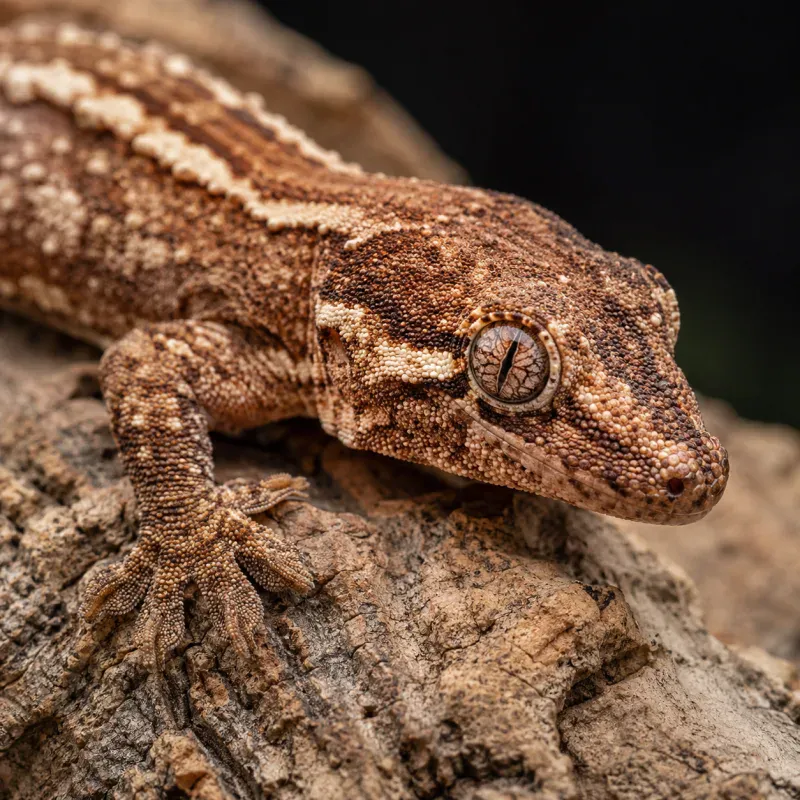
Introduction to Gargoyle Gecko Morphs
Gargoyle geckos (Rhacodactylus auriculatus) are among the most visually diverse lizards in the pet trade. Their natural range in New Caledonia produces a stunning array of colors and patterns, but selective breeding has amplified these traits into distinct morphs. This guide covers the four main pattern morphs—striped, blotched, reticulated, and super stripe—along with their genetic underpinnings and typical pricing. Whether you're a beginner or a seasoned keeper, understanding morphs helps you make informed choices and appreciate the beauty of these geckos.
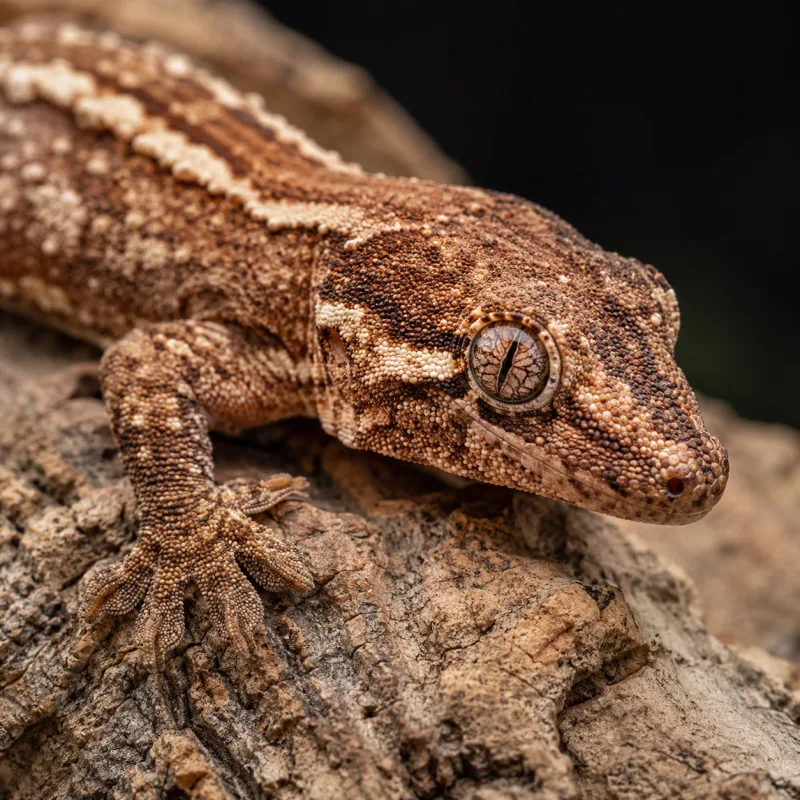
Beyond aesthetics, morph knowledge is practical: it influences price, breeding projects, and even how you might predict offspring patterns. Gargoyle geckos are also long-lived (15–20 years in captivity), so choosing a morph that you love—and that fits your budget—is a decision that will last. This guide not only explores the visual diversity but also equips you with the husbandry knowledge to keep any morph healthy and vibrant.
Morph Overview: Patterns and Genetics
Gargoyle gecko morphs are primarily pattern-based, though color variations (red, orange, yellow, gray, brown) also exist. The four major pattern morphs are:
- Striped: A single continuous stripe runs down the spine, often with lateral blotches or clean edges.
- Blotched: Irregular patches of color on a contrasting background, resembling lichen or camouflage.
- Reticulated: A net-like pattern of interconnected lines or spots, giving a textured appearance.
- Super Stripe: An extreme form of striping where the dorsal stripe is thick, unbroken, and often bordered by clean lateral bands.
Genetically, these morphs are polygenic—multiple genes interact to produce the final look. Striping is influenced by the stripe gene (incomplete dominant), while reticulation and blotching are likely polygenic recessive traits. Super stripe is a selective line-bred trait, not a single gene. Breeders use line breeding to intensify patterns over generations.
Detailed Pattern Characteristics
To help you identify morphs accurately, here’s a closer look at each pattern:
| Morph | Key Features | Common Variations |
|---|---|---|
| Striped | Dorsal stripe may be thin or thick; edges can be clean or wavy; often accompanied by lateral blotches | Broken stripe (segmented), full stripe, pinstripe (very thin) |
| Blotched | Irregular patches of contrasting color; may be large or small; background often lighter or darker | High-contrast blotch, low-contrast blotch, lichen-like |
| Reticulated | Interconnected lines or spots forming a net; often on the sides and back | Fine reticulation, bold reticulation, partial reticulation |
| Super Stripe | Thick, unbroken dorsal stripe; often with clean lateral bands on each side; high contrast | Red super stripe, orange super stripe, white super stripe |
Remember that patterns can change slightly with age, shedding, and temperature. A juvenile’s pattern may intensify or fade as it matures. Always ask the breeder for photos of the parents to predict adult appearance.
Color Genetics and Morph Combinations
Color in gargoyle geckos is separate from pattern. Common colors include:
- Red: From deep burgundy to bright cherry, often with orange undertones.
- Orange: Ranges from pumpkin to peach; often combined with yellow.
- Yellow: Can be pale lemon to rich gold; often fades with age.
- Gray/Brown: Wild-type colors; may show subtle patterns.
When pattern and color combine, you get morphs like "Red Striped" or "Orange Blotched." Breeders also select for high-contrast patterns (e.g., white or cream stripes on dark backgrounds). Note that color can change with temperature, mood, and shedding—a gecko may appear dull before a shed and vibrant after.
How Colors Interact with Patterns
Color genetics are also polygenic. For example, a red gecko may carry genes for both red and orange, and the final hue depends on the interaction. Some breeders specialize in "fire" morphs—intense reds with high-contrast stripes. Others focus on pastel yellows with subtle blotching. Here’s a quick reference:
- Red Striped: A red base with a cream or white dorsal stripe; often the most striking.
- Orange Blotched: Orange patches on a darker brown or gray background; earthy and beautiful.
- Yellow Reticulated: Yellow netting over a darker base; rare and sought after.
- Gray Super Stripe: A gray base with a thick white stripe; subtle but elegant.
When selecting a gecko, consider that colors can intensify with age, especially reds and oranges. Juveniles may be duller, so ask about the parents’ coloration.
Pricing Guide for Gargoyle Gecko Morphs
Prices vary widely based on morph rarity, age, and lineage. Below is a general pricing table for hatchlings (2–4 months old) in USD. Adults may cost 1.5–3x more.
| Morph | Typical Price Range | Notes |
|---|---|---|
| Normal/Wild-type | $50–$100 | Common, no distinct pattern |
| Striped | $100–$250 | Quality depends on stripe continuity and contrast |
| Blotched | $80–$200 | Rarer in high-contrast forms |
| Reticulated | $120–$300 | Uncommon; clean reticulation commands premium |
| Super Stripe | $200–$500+ | Line-bred; thick, unbroken stripe with high contrast |
| Red or Orange Super Stripe | $350–$800+ | Rarest combination; highly sought after |
Prices also depend on breeder reputation, geographic location, and current demand. Always buy from a reputable breeder who provides genetic and health records.
Factors That Influence Price
- Lineage: Geckos from champion bloodlines cost more.
- Age: Adults that have proven breeding potential are pricier.
- Gender: Females may be slightly more expensive due to breeding value.
- Health: A gecko with a clean bill of health and no tail loss is worth more.
Be wary of extremely low prices—they may indicate poor health or unethical breeding. Conversely, very high prices don’t always guarantee quality. Ask for photos and videos, and if possible, visit the breeder in person.
Enclosure Setup for Gargoyle Geckos
Gargoyle geckos are arboreal and need vertical space. A single adult requires a minimum 18x18x24-inch (45x45x60 cm) enclosure. For a pair, use 24x18x36 inches (60x45x90 cm). Provide plenty of climbing branches, cork bark, and live or artificial plants. Use a substrate that retains humidity without becoming waterlogged—coconut fiber, sphagnum moss, or a bioactive mix works well. Include a hide box at mid-height and a shallow water dish. Ensure the enclosure is well-ventilated to prevent mold.
Step-by-Step Enclosure Setup
- Choose the enclosure: Glass terrariums with front-opening doors are ideal. Screen-top enclosures are also fine but may require more misting.
- Add substrate: Use 2–3 inches of coconut fiber or a bioactive mix (e.g., ABG mix). Avoid sand or small bark chips that can be ingested.
- Install climbing structures: Place branches diagonally and horizontally. Cork bark rounds or flats provide natural hiding spots.
- Add plants: Live plants like pothos, bromeliads, and snake plants help maintain humidity and provide cover. Artificial plants are a low-maintenance alternative.
- Place hides: At least one hide at mid-height (e.g., a cork tube or coconut hide). A second hide near the top is beneficial.
- Add a water dish: Shallow dish with fresh water; clean daily.
- Set up misting: A hand mister or automatic misting system (e.g., MistKing) for convenience.
For a bioactive setup, add a clean-up crew of springtails and isopods. This helps break down waste and maintains a self-cleaning ecosystem.
Heating and Lighting
Gargoyle geckos thrive at 72–78°F (22–26°C) during the day, with a slight drop to 65–70°F (18–21°C) at night. Do not exceed 82°F (28°C) as heat stress can be fatal. Use a low-wattage ceramic heat emitter or an under-tank heater on a thermostat. UVB lighting is not essential but can improve calcium metabolism—use a 2–5% UVB bulb for 10–12 hours daily. Provide a day/night cycle with a timer.
Heating Equipment Options
| Equipment | Pros | Cons |
|---|---|---|
| Ceramic heat emitter (CHE) | Provides heat without light; good for nighttime | Can dry out enclosure; needs thermostat |
| Under-tank heater (UTH) | Low profile; warms from below | May not heat ambient air enough; must be on side or back |
| Heat mat with thermostat | Safe and consistent | Can overheat if not regulated |
Always place heat sources on one side to create a thermal gradient. Use a digital thermometer with a probe to monitor temperatures at both ends. Never use hot rocks—they can cause burns.
For lighting, a simple LED light on a timer can provide a day/night cycle. If you use UVB, choose a low-output bulb (2–5%) and place it 12–18 inches away. Replace UVB bulbs every 6–12 months, as output decreases over time.
Humidity and Hydration
Maintain humidity at 60–80% with spikes to 90% after misting. Use a digital hygrometer to monitor. Mist the enclosure 1–2 times daily, preferably with reverse osmosis or dechlorinated water. Provide a water dish, but geckos will drink droplets from leaves. Allow the enclosure to dry slightly between mistings to prevent bacterial growth.
Misting Schedule and Tips
- Morning mist: A thorough misting to create dew droplets on leaves.
- Evening mist: Another light misting to raise humidity overnight.
- Adjust for season: In dry climates, you may need to mist 3 times daily.
Use a spray bottle with a fine mist setting. Alternatively, an automatic misting system can be programmed. Ensure the enclosure has good ventilation—stagnant air can lead to respiratory issues.
Monitor humidity with a hygrometer placed at mid-height. If humidity consistently exceeds 80%, increase ventilation. If it drops below 50%, mist more frequently or add a humid hide (a container with damp sphagnum moss).
Diet and Feeding
Gargoyle geckos are omnivorous. The staple diet is a commercial powdered gecko diet (e.g., Repashy, Pangea) mixed with water to a ketchup-like consistency. Offer fresh diet every 2–3 days. Supplement with live insects (crickets, dubia roaches) dusted with calcium + D3 powder once a week for adults, twice for juveniles. Avoid superworms or mealworms as they are too fatty. Provide a shallow dish for the powdered diet and remove uneaten food after 24 hours.
Feeding Schedule by Age
| Age | Powdered Diet | Insects |
|---|---|---|
| Hatchling (0–6 months) | Fresh daily (small amount) | 2–3 times/week, dusted |
| Juvenile (6–12 months) | Every other day | 2 times/week, dusted |
| Adult (12+ months) | Every 2–3 days | Once a week, dusted |
For powdered diet, mix 1 part powder to 2 parts water. Use a shallow dish (like a bottle cap) placed on a ledge or the floor. Remove uneaten diet after 24 hours to prevent spoilage.
Insects should be gut-loaded (fed nutritious food) for 24 hours before offering. Dust with a calcium + D3 supplement. For juveniles, use a multivitamin once a week.
Offer insects in small numbers—2–3 crickets or 1–2 dubia roaches per feeding. Watch your gecko eat to ensure it’s not overfeeding, which can lead to obesity.
Handling and Temperament
Gargoyle geckos are generally docile but can be skittish. Start handling sessions short (5–10 minutes) and let the gecko walk onto your hand—never grab. Support the body fully. Avoid handling during shedding or after feeding. With regular gentle handling, most geckos become tame. Juveniles may jump; stay low to the ground. Wash hands before and after to avoid transferring oils or pathogens.
Step-by-Step Handling Tips
- Wait for acclimation: Allow 1–2 weeks after bringing your gecko home before handling.
- Choose the right time: Handle in the evening when the gecko is naturally active.
- Approach slowly: Place your hand flat inside the enclosure and let the gecko climb on.
- Support the body: Use both hands to create a platform, especially for juveniles.
- Keep sessions short: Start with 5 minutes, gradually increase to 15 minutes.
- Watch for stress signals: Tail waving, hissing, or jumping indicate stress—return the gecko to its enclosure.
Never grab the tail—gargoyles can drop it as a defense mechanism. If your gecko jumps, stay low and let it land on a soft surface. With patience, most gargoyles become tolerant of handling.
Common Health Issues
- Metabolic Bone Disease (MBD): Caused by calcium deficiency. Signs: lethargy, tremors, soft jaw. Prevent with proper supplementation and UVB.
- Dysecdysis (shedding problems): Low humidity leads to stuck shed, especially on toes. Soak in shallow warm water and increase misting.
- Respiratory infections: Wheezing, bubbles from nose. Usually from low temps or high humidity without ventilation. See a vet.
- Parasites: Internal (worms) or external (mites). Quarantine new geckos and have fecal exams done.
- Tail loss: Gargoyles drop tails when stressed. They do not regenerate fully—a stump remains. This is cosmetic only.
Symptom Checker and First Aid
| Symptom | Possible Cause | Immediate Action |
|---|---|---|
| Lethargy, tremors | MBD | Increase calcium supplementation; provide UVB; consult vet |
| Stuck shed on toes | Low humidity | Soak in shallow warm water for 10–15 min; gently remove shed |
| Wheezing, nasal discharge | Respiratory infection | Raise temperature slightly; ensure ventilation; see vet |
| Weight loss, abnormal feces | Parasites | Quarantine; bring fecal sample to vet |
| Tail dropped | Stress | Keep enclosure clean to prevent infection; monitor stump |
Always consult a reptile veterinarian for persistent issues. Regular health checks include observing eating habits, weight, and skin condition.
Errors to Avoid
- Overheating: Temperatures above 82°F can kill. Always use a thermostat.
- Underestimating humidity needs: Low humidity causes stuck shed and dehydration. Mist daily.
- Feeding only insects: A diet without powdered diet leads to nutritional imbalances. Use a commercial diet as staple.
- Handling too soon: New geckos need 1–2 weeks to acclimate. Forcing handling causes stress.
- Using loose substrate that is ingested: Avoid sand or small bark chips. Use coconut fiber or paper towels for quarantine.
- Ignoring quarantine: Always isolate new geckos for 30–60 days to prevent disease spread.
Additional Pitfalls
- Incorrect supplement ratios: Too much D3 can be toxic. Follow product instructions.
- Neglecting water quality: Use dechlorinated water; never tap water with chlorine.
- Overcrowding: Never house two males together; they will fight.
- Skipping vet check-ups: Annual fecal exams are recommended.
By avoiding these errors, you’ll provide a stable, healthy environment for your gargoyle gecko.
Breeding Gargoyle Geckos for Morphs
For those interested in producing specific morphs, understanding basic breeding principles is helpful. Gargoyle geckos reach sexual maturity at 12–18 months. A breeding pair should be at least 30 grams in weight.
Breeding Basics
- Conditioning: Provide a slight temperature drop (to 65–70°F) for 4–6 weeks to simulate winter.
- Introduction: Introduce the female to the male’s enclosure (never the reverse). Monitor for aggression.
- Egg laying: Females lay 2 eggs per clutch, up to 6–8 clutches per season. Provide a lay box with moist vermiculite.
- Incubation: Incubate eggs at 72–78°F for 60–90 days. Temperature may influence sex (cooler temps produce females).
When breeding for morphs, keep detailed records of parent phenotypes and offspring outcomes. This helps identify which traits are dominant or recessive in your specific lines.
Final Thoughts
Gargoyle gecko morphs offer endless variety for enthusiasts. Whether you choose a striking super stripe or a subtle blotched pattern, proper husbandry is key to a healthy, vibrant gecko. Invest in quality enclosure equipment, maintain stable conditions, and source your gecko from a reputable breeder. With care and patience, your gargoyle gecko will thrive for 15–20 years.
Remember that morphs are just the beginning—each gecko has its own personality and quirks. Enjoy the journey of watching your gecko grow, shed, and display its unique colors. Join online communities and local reptile clubs to share experiences and learn from others. Happy gecko keeping!
Frequently Asked Questions
What is the rarest gargoyle gecko morph?
The rarest and most sought-after morph is the Red or Orange Super Stripe, which combines a thick, unbroken dorsal stripe with intense red or orange coloration. Prices for these can exceed $800 for hatchlings. Reticulated geckos with clean, bold patterns are also uncommon and command premium prices.
Do gargoyle gecko morphs change with age?
Yes, patterns and colors can shift as geckos mature. Juveniles may have duller colors that intensify with age, especially reds and oranges. Patterns can also become more defined or fade. It's best to ask the breeder for photos of the parents to predict the adult appearance.
Can I breed different morphs together?
Absolutely. Since most morphs are polygenic, breeding different morphs can produce a variety of offspring. For example, crossing a striped with a blotched may yield some striped, some blotched, and some intermediate patterns. Keep detailed records to understand how traits are inherited in your specific lines.
How do I choose a healthy gargoyle gecko morph?
Look for clear eyes, intact toes, a plump tail (if present), and no visible injuries. The gecko should be alert and active. Ask the breeder about feeding habits and health records. A reputable breeder will provide a health guarantee and be willing to answer questions.
Related Reading
- Gargoyle Gecko Care Guide — Complete husbandry manual
- Crested Gecko Morph Guide — Popular gecko morph comparison
- Crested Gecko Care Guide — Similar New Caledonian species
Check optimal temps, calculate feeding, and find your perfect species match.
References
- Gargoyle Gecko Care Guide - Complete Species Manual
- Crested Gecko Morph Guide
- Crested Gecko Care Guide
- Repashy Superfoods: Gargoyle Gecko Diet
- Pangea Reptile: Complete Gecko Diet
🐾 Join the Community
See how other keepers set up their enclosures, ask questions, and share your experience.
🛠️ Apply What You Learned
Check optimal temps, calculate feeding schedules, and get calcium dosage — all personalized for your species.
Comments
No account needed — corrections, updates and questions are all welcome. For a full question with photos, the community Q&A is the better place.