Fire Skink Diet & Feeding: Schedule & Supplements
Introduction
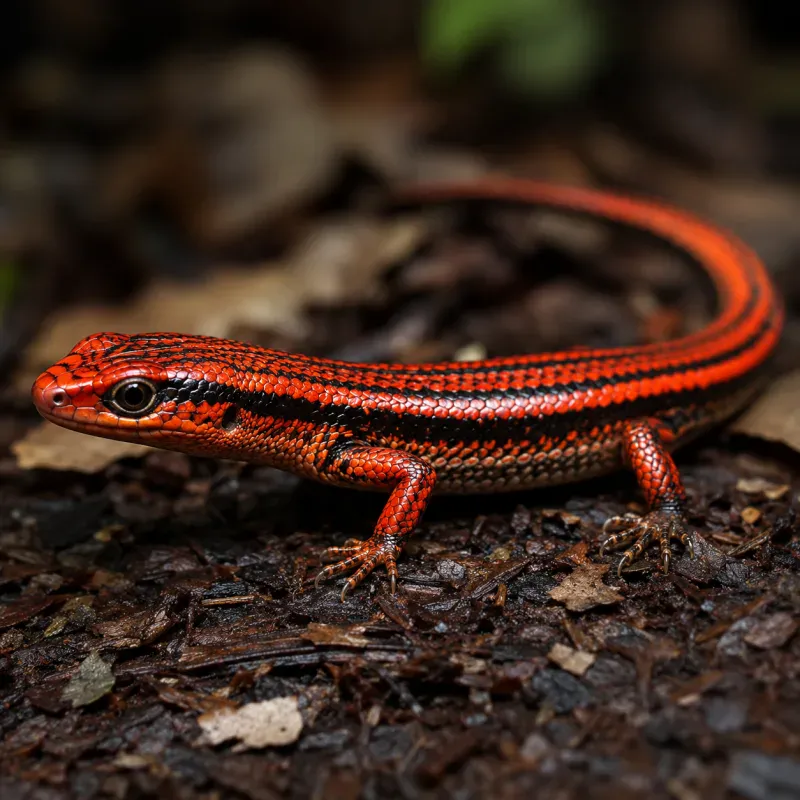
The fire skink (Mochlus fernandi), often called the "living flame lizard" for its striking red, orange, and black coloration, is a stunning insectivorous reptile native to West Africa. Proper nutrition is the cornerstone of a healthy, long-lived fire skink. This comprehensive guide covers every aspect of feeding and diet—from essential insect variety and age-specific schedules to critical supplement dusting protocols—to ensure your skink thrives in captivity.
In this expanded guide, you'll find step-by-step feeding instructions, troubleshooting tips, a detailed nutritional comparison table, and answers to common questions—all grounded in the latest herpetological research and practical experience.
Enclosure Setup for Optimal Feeding
A well-designed enclosure supports healthy feeding behavior. Fire skinks are terrestrial, burrowing lizards that need a floor space of at least 36" x 18" (40-gallon breeder tank) for a single adult. Provide a deep substrate (4–6 inches) of organic topsoil, coconut coir, or cypress mulch to allow natural digging. Include multiple hides, flat stones for basking, and a shallow water dish. Avoid loose sand or wood shavings, which can cause impaction if ingested during feeding.
Why Enclosure Setup Matters for Feeding
Fire skinks are naturally shy and prefer to eat in secure, covered areas. If your skink feels exposed, it may refuse food or become stressed, leading to reduced appetite. Set up feeding stations near hides or under low foliage to mimic their natural foraging environment. A cluttered enclosure with plenty of hiding spots encourages natural hunting behavior.
Step-by-Step Feeding Station Setup
- Choose a shallow dish or flat rock as a feeding platform (optional; some keepers scatter-feed to encourage foraging).
- Place the feeding area away from the basking spot to prevent insects from overheating or escaping.
- Ensure the substrate is deep enough (4–6 inches) so your skink can dig and bury prey, which is a natural behavior.
- Add a few leaf litter or cork bark pieces near the feeding area to provide cover while your skink eats.
Heating and Lighting
Fire skinks are diurnal and require a thermal gradient for proper digestion. Maintain a basking spot of 90–95°F (32–35°C) using a low-wattage halogen bulb, with a cool side of 75–80°F (24–27°C). Nighttime temperatures can drop to 70–75°F (21–24°C). Provide UVB lighting (5–6% T5 fluorescent or compact bulb) for 10–12 hours daily to support vitamin D3 synthesis and calcium metabolism. Without UVB, supplement dusting becomes critical.
How Temperature Affects Digestion
Reptiles are ectothermic—they rely on external heat to digest food. If the basking spot is too cool (below 85°F), your fire skink may become sluggish, lose its appetite, or fail to digest properly, leading to regurgitation or impaction. Conversely, excessive heat (above 100°F) can cause stress and dehydration. Always use a digital thermometer with a probe to verify temperatures at both ends of the gradient.
UVB Lighting: Essential for Calcium Metabolism
UVB light enables your skink to synthesize vitamin D3, which is necessary for calcium absorption. Without UVB, even calcium-dusted insects won't be metabolized effectively, increasing the risk of metabolic bone disease (MBD). If you choose not to provide UVB, you must dust insects with calcium + D3 at every feeding (see Supplement Dusting section). Most experts recommend UVB as the safest and most natural approach.
Humidity and Hydration
Fire skinks need moderate to high humidity (60–80%). Mist the enclosure daily, especially the substrate, to maintain moisture. A humid hide filled with damp sphagnum moss aids shedding and hydration. Always provide a clean water dish, though skinks often prefer drinking droplets from leaves after misting. Dehydration can suppress appetite and lead to health issues.
How to Maintain Proper Humidity
- Use a hygrometer to monitor humidity levels; adjust misting frequency based on readings.
- Mist the substrate thoroughly in the morning and lightly in the evening if needed.
- Place a shallow water dish on the cool side; some skinks will soak, which helps with hydration and shedding.
- Add a humid hide (e.g., a plastic container with damp sphagnum moss) to provide a microclimate with 80–90% humidity.
Signs of Dehydration
- Sunken eyes
- Wrinkled skin
- Lethargy and reduced appetite
- Sticky or dry mucous membranes
If you notice these signs, increase misting and offer water droplets via a spray bottle. You can also gently drip water onto your skink's snout to encourage drinking.
Diet and Feeding: Insect Variety and Schedule
Staple Insects
Fire skinks are insectivores that thrive on a varied diet. Offer these staples:
- Crickets (gut-loaded 24 hours before feeding)
- Dubia roaches (high protein, low chitin)
- Black soldier fly larvae (calcium-rich)
- Mealworms (in moderation, as treats)
Occasional Treats
- Superworms (fatty, limit to once weekly)
- Hornworms (high moisture)
- Waxworms (very fatty, occasional only)
- Silkworms (nutrient-dense)
Why Variety Matters
Feeding a single insect type can lead to nutritional imbalances, as each insect has a different protein, fat, and calcium content (see Comparison Table below). For example, crickets are relatively low in calcium, while black soldier fly larvae are exceptionally high. Rotating at least 3–4 staple insects ensures your skink gets a broad range of nutrients and prevents picky eating habits.
Feeding Schedule by Age
| Age Group | Frequency | Prey Size | Quantity per Feeding |
|---|---|---|---|
| Hatchlings (0–6 months) | Daily | 1/4"–1/2" crickets or roaches | 3–5 insects |
| Juveniles (6–12 months) | Every other day | 1/2"–3/4" insects | 5–8 insects |
| Adults (12+ months) | Every 2–3 days | 3/4"–1" insects | 6–10 insects |
Adjust quantities based on body condition—a healthy skink should have a rounded but not obese tail base. Remove uneaten insects after 30 minutes to prevent stress or bites.
How to Transition Between Age Groups
As your skink grows, gradually increase prey size and decrease feeding frequency. For example, at around 6 months, switch from daily feedings to every other day, and increase prey size from 1/4" to 1/2". Monitor your skink's weight and body condition monthly. A healthy juvenile should gain weight steadily; adults should maintain a stable weight.
Feeding Tips for Picky Eaters
- Offer a variety of insects; some skinks prefer roaches over crickets.
- Try hand-feeding with tongs to build trust and encourage eating.
- If your skink refuses food, check temperatures and humidity—stress is a common cause.
- Do not leave insects in the enclosure for more than 30 minutes; uneaten insects can bite or stress your skink.
Supplement Dusting Protocol
Supplementation prevents metabolic bone disease (MBD) and other deficiencies. Use a two-part system:
- Calcium with vitamin D3: Dust insects at every feeding for juveniles, and every other feeding for adults if UVB is provided. Without UVB, dust at every feeding.
- Multivitamin (without D3): Dust once weekly for all ages.
How to dust: Place insects in a plastic bag or container, add a pinch of powder, and gently shake until coated. Feed immediately. Avoid over-supplementing, as excess D3 can be toxic.
Step-by-Step Dusting Instructions
- Place the appropriate number of insects into a clean plastic bag or deli cup.
- Add a small pinch of supplement powder (about the size of a pea for 5–10 insects).
- Seal the bag and gently shake for 5–10 seconds until insects are lightly coated.
- Feed the dusted insects to your skink immediately—do not let them sit, as the powder may be groomed off.
- For multivitamin dusting, repeat the same process once a week, using a multivitamin without D3.
- Over-supplementing D3: Excessive vitamin D3 can cause hypercalcemia, leading to kidney damage. Stick to the schedule.
- Skipping multivitamins: Even with UVB, multivitamins provide essential trace minerals like zinc and vitamin A that are not in calcium powder.
- Dusting too far in advance: Powder may fall off or degrade; dust right before feeding.
- Commercial gut-load diets (e.g., Repashy Superload, Fluker's High-Calcium Diet)
- Dark leafy greens (collard greens, kale, romaine lettuce)
- Carrots, sweet potatoes, and apples (small pieces)
- Oats or wheat bran (for roaches and mealworms)
- Place feeder insects in a ventilated container with a shallow dish of water (use water crystals or a damp sponge to prevent drowning).
- Add a gut-load diet or fresh vegetables/fruits.
- Leave for 24 hours; ensure the food is always available.
- Feed the gut-loaded insects to your skink as usual.
- Metabolic Bone Disease: Caused by calcium deficiency or inadequate UVB. Symptoms include lethargy, soft jaw, and tremors. Prevent with proper dusting and UVB.
- Obesity: Overfeeding fatty insects (waxworms, superworms) leads to fatty liver disease. Stick to the feeding schedule and limit treats.
- Impaction: Ingesting substrate or large prey. Use proper substrate and feed appropriately sized insects.
- Dehydration: Reduced appetite and sunken eyes. Maintain humidity and provide water droplets.
- Feeding only one insect type: Lack of variety leads to nutritional imbalances. Rotate at least 3–4 staples.
- Skipping supplements: Even with UVB, multivitamins are essential for trace minerals.
- Overfeeding adults: Adults need fewer calories; adjust schedule to prevent obesity.
- Using wild-caught insects: These may carry pesticides or parasites. Always buy from reputable breeders.
- Ignoring gut-loading: Feed feeder insects nutritious foods (carrots, leafy greens, commercial gut-load) for 24 hours before offering to your skink.
- Feeding insects that are too large: A good rule of thumb is that prey should be no larger than the space between your skink's eyes.
- Leaving insects in the enclosure overnight: Crickets can bite your skink and cause stress; remove uneaten insects after 30 minutes.
- Fire Skink Care: Complete Guide to the Living Flame Lizard — Get the full care overview including enclosure, temperature, and handling tips.
- Fire Skink Substrate & Humidity Guide — Learn the best substrates and humidity levels to keep your fire skink healthy.
- Fire Skink Care: Enclosure & Feeding Guide — Explore enclosure setup and feeding routines for optimal fire skink well-being.
- Reptile Vitamins & Supplements: Calcium With or Without D3 — Understand calcium and vitamin supplementation to prevent nutritional deficiencies.
- Reptile UVB Lighting Guide: Ferguson Zones & Bulb Selection — Discover proper UVB lighting needs to support your fire skink's metabolism.
Supplementation Schedule by Age and UVB
| Age Group | UVB Provided | Calcium + D3 | Multivitamin |
|---|---|---|---|
| Hatchlings (0–6 months) | Yes | Every feeding | Once weekly |
| Hatchlings (0–6 months) | No | Every feeding | Once weekly |
| Juveniles (6–12 months) | Yes | Every feeding | Once weekly |
| Juveniles (6–12 months) | No | Every feeding | Once weekly |
| Adults (12+ months) | Yes | Every other feeding | Once weekly |
| Adults (12+ months) | No | Every feeding | Once weekly |
Common Supplement Mistakes
Gut-Loading Feeder Insects
Gut-loading is the process of feeding nutritious foods to feeder insects 24 hours before offering them to your skink. This enhances the nutritional value of the insects, providing extra vitamins and minerals.
What to Feed Your Feeder Insects
Step-by-Step Gut-Loading
Never use iceberg lettuce (low nutritional value) or citrus fruits (can cause digestive upset).
Common Health Issues Related to Diet
Troubleshooting Diet-Related Problems
| Problem | Possible Cause | Solution |
|---|---|---|
| Skink refuses food | Stress, incorrect temperatures, or dehydration | Check temperatures and humidity; offer a variety of insects; ensure hides are available |
| Soft jaw or tremors | Calcium deficiency (MBD) | Increase calcium dusting, provide UVB, and consult a vet |
| Weight gain / fat tail base | Overfeeding or too many fatty insects | Reduce feeding frequency, limit treats, increase exercise (more space) |
| Regurgitation | Too large prey or improper temperatures | Feed smaller insects, verify basking temperature |
What to Avoid
Comparison Table: Insect Nutritional Profiles
| Insect | Protein (%) | Fat (%) | Calcium (mg/g) | Frequency |
|---|---|---|---|---|
| Crickets | 21 | 6 | 0.3 | Staple |
| Dubia roaches | 36 | 7 | 0.4 | Staple |
| Black soldier fly larvae | 42 | 35 | 9.4 | Staple |
| Mealworms | 20 | 13 | 0.2 | Treat |
| Superworms | 19 | 18 | 0.2 | Treat |
| Hornworms | 9 | 3 | 0.1 | Treat |
Note: Values are approximate and can vary based on gut-loading and insect species. Black soldier fly larvae are exceptionally high in calcium, making them an excellent staple.
Conclusion
A balanced diet with insect variety, age-appropriate feeding schedules, and consistent supplement dusting is the key to a healthy, vibrant fire skink. By following this guide, you'll provide your living flame lizard with the nutrition it needs to display its brilliant colors and live a long, active life. Always monitor your skink's weight and behavior, and consult a reptile veterinarian if health issues arise.
Frequently Asked Questions
How often should I feed my adult fire skink?
Adult fire skinks (12+ months) should be fed every 2–3 days, offering 6–10 appropriately sized insects (3/4"–1") per feeding. Adjust quantity based on body condition—a healthy skink should have a rounded but not obese tail base. Overfeeding adults can lead to obesity and fatty liver disease, so stick to the schedule and limit fatty treats.
Do I need to dust insects with calcium if I provide UVB lighting?
Yes, but the frequency depends on UVB. With UVB, dust insects with calcium + D3 at every feeding for juveniles and every other feeding for adults. Without UVB, dust at every feeding for all ages. Additionally, dust with a multivitamin (without D3) once weekly for all ages to provide trace minerals. Over-supplementing D3 can be toxic, so follow the schedule carefully.
Can I feed my fire skink only crickets?
No, feeding only one insect type leads to nutritional imbalances. Crickets are relatively low in calcium (0.3 mg/g) and protein (21%) compared to other staples like dubia roaches (36% protein) or black soldier fly larvae (42% protein, 9.4 mg/g calcium). Rotate at least 3–4 staple insects to ensure a broad nutrient profile and prevent picky eating.
What should I do if my fire skink stops eating?
First, check environmental conditions: basking temperature should be 90–95°F, cool side 75–80°F, and humidity 60–80%. Stress from improper temperatures or dehydration can suppress appetite. Offer a variety of insects and ensure hides are available. If your skink refuses food for more than a week, or shows other symptoms like lethargy or sunken eyes, consult a reptile veterinarian.
Related Reading
Check optimal temps, calculate feeding, and find your perfect species match.
References
- McKeown, S. (1996). A Field Guide to Reptiles of East Africa. Academic Press.
- Vosjoli, P. de, & Klingenberg, R. (2004). The Herpetoculture of Skinks. Advanced Vivarium Systems.
- Barten, S. L. (2006). Reptile Nutrition and Supplementation. Proceedings of the North American Veterinary Conference.
- Ardente, D. (2018). Nutritional Composition of Feeder Insects. Journal of Herpetological Medicine and Surgery.
🐾 Join the Community
See how other keepers set up their enclosures, ask questions, and share your experience.
🛠️ Apply What You Learned
Check optimal temps, calculate feeding schedules, and get calcium dosage — all personalized for your species.
Comments
No account needed — corrections, updates and questions are all welcome. For a full question with photos, the community Q&A is the better place.