Blue-Tongue Skink Morphs: ID Guide & Prices
Introduction
Blue-tongue skinks (genus Tiliqua) are among the most rewarding pet reptiles, prized for their docile temperament, striking blue tongues, and diverse color patterns. However, not all blue-tongues are the same—locality and morph variations dramatically affect care requirements, pricing, and appearance. This guide covers the major subspecies and localities: Indonesian (Tiliqua gigas), Northern (Tiliqua scincoides intermedia), and Eastern (Tiliqua scincoides scincoides), plus key morphs, color patterns, pricing, and how to identify them.
\n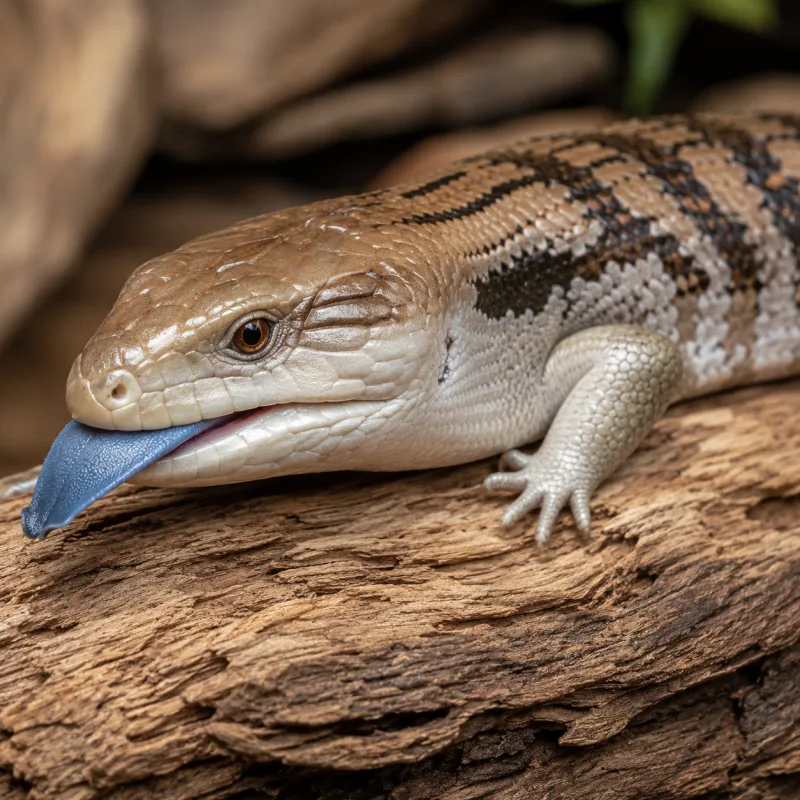
Species Overview & Subspecies Identification
All blue-tongue skinks belong to the genus Tiliqua, with the most common pet species being Tiliqua scincoides. The three main subspecies are:
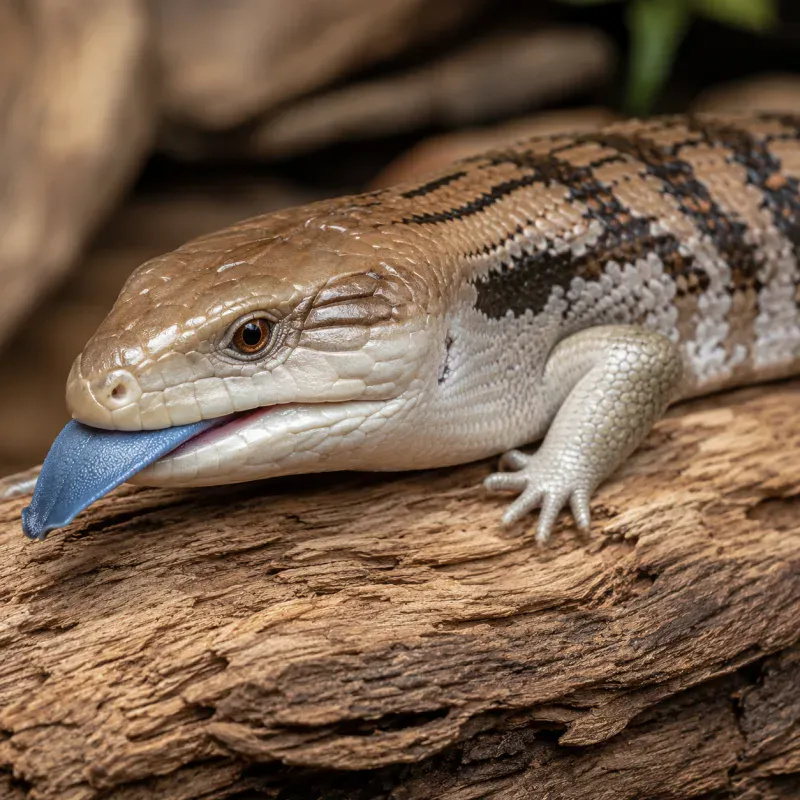
- Eastern Blue-Tongue Skink (Tiliqua scincoides scincoides) – Native to southeastern Australia. Broad, dark brown or black body with cream or yellow bands. Short, thick tail. Often has a pale stripe behind the eye. Reaches 17–20 inches (43–51 cm).
- Northern Blue-Tongue Skink (Tiliqua scincoides intermedia) – Found in northern Australia and southern New Guinea. More slender, with a longer tail and narrower head. Base color is tan to orange-brown with darker crossbands. Can exceed 24 inches (61 cm).
- Indonesian Blue-Tongue Skink (Tiliqua gigas) – Includes several subspecies like T. g. gigas (Halmahera), T. g. evanescens (Merauke), and T. g. keyensis (Kei Island). Typically larger, with a more robust build. Colors vary from gray-brown to reddish, often with speckling or blotches. Some have a distinctive orange or yellow belly.
Identification Tips: Check scale texture—Indonesian skinks have keeled scales (rough to the touch), while Australian subspecies have smooth scales. Also note tail length: Northern and Indonesian have longer tails relative to body length.
Morphs, Color Patterns, and Pricing
Selective breeding has produced stunning morphs, especially in the Northern and Eastern subspecies. Common morphs include:
| Morph | Subspecies | Description | Price Range (USD) |
|---|---|---|---|
| Classic | Eastern, Northern | Dark brown/black with cream bands | $150–$300 |
| Albino (T+ or T-) | Northern | Lack melanin; pinkish eyes (T-), dark eyes (T+) | $800–$2,500 |
| Hypomelanistic | Eastern | Reduced black pigment; lighter, more yellow | $400–$1,000 |
| Axanthic | Northern | Lack yellow/red pigment; gray/silver tones | $600–$1,500 |
| Pastel | Eastern | Soft, muted colors with reduced contrast | $350–$700 |
| Caramel | Indonesian | Warm brown/tan with orange undertones | $200–$500 |
| Patternless | Northern | Solid color, no bands | $500–$1,200 |
Pricing varies by rarity, breeder reputation, and locality. Indonesian blue-tongues are generally less expensive ($100–$350) than Australian subspecies due to higher availability.
How to Choose the Right Morph for You
Selecting a morph involves more than just looks—consider your experience level, budget, and the specific care needs of each subspecies. Use this comparison to guide your decision.
| Consideration | Eastern | Northern | Indonesian |
|---|---|---|---|
| Adult size | 17–20 in (43–51 cm) | Can exceed 24 in (61 cm) | Larger, robust build |
| Scale texture | Smooth | Smooth | Keeled (rough) |
| Humidity needs | 40–60% | 40–60% | 60–80% |
| Basking temperature | 95–105°F (35–40°C) | 95–105°F (35–40°C) | 90–95°F (32–35°C) |
| Price range (classic) | $150–$300 | $150–$300 | $100–$350 |
| Morph availability | Hypo, Pastel | Albino, Axanthic, Patternless | Caramel |
Beginners often start with an Eastern or Northern classic, as their humidity requirements are easier to maintain. Indonesian skinks are rewarding but demand more attention to humidity and temperature control.
Enclosure Setup
Blue-tongue skinks are terrestrial and need floor space over height. Minimum enclosure size for an adult is 4 ft x 2 ft x 2 ft (120 cm x 60 cm x 60 cm). Larger is always better.
- Substrate: Cypress mulch, coconut coir, or a topsoil/sand mix (70/30) for burrowing. Avoid pine or cedar.
- Hides: At least two—one on the warm side, one on the cool side. Cork bark, half-logs, or reptile caves work well.
- Decor: Climbing branches (low), leaf litter, and rocks for enrichment. Provide a shallow water dish large enough for soaking.
- Ventilation: Screen top or side vents to maintain airflow and prevent mold.
Step-by-Step Enclosure Setup Guide
Setting up a new enclosure correctly from day one prevents stress and health issues. Follow this sequence:
- Choose the right enclosure: Use a 4x2x2 ft (120x60x60 cm) or larger terrarium with a secure lid. Ensure it has good ventilation (screen top or side vents).
- Add substrate: Spread 3–4 inches (7–10 cm) of cypress mulch, coconut coir, or a 70/30 topsoil/sand mix. Avoid pine or cedar.
- Install heating: Place a ceramic heat emitter or halogen basking bulb on one end, connected to a thermostat. Set the basking spot to the appropriate temperature for your subspecies.
- Set up UVB lighting: Mount a 5–6% UVB tube (e.g., ReptiSun 5.0) over the basking area, 12 hours/day. Replace bulbs every 6 months.
- Place hides and decor: Put one hide on the warm side and one on the cool side. Add low branches, rocks, and leaf litter for enrichment.
- Add water dish: Provide a shallow, heavy water dish large enough for soaking. Place it on the cool side.
- Monitor conditions: Use thermometers and a hygrometer to verify the gradient and humidity before introducing your skink.
Heating and Lighting
Blue-tongues are ectothermic and require a thermal gradient.
- Basking spot: 95–105°F (35–40°C) for Australian subspecies; 90–95°F (32–35°C) for Indonesian.
- Cool side: 75–80°F (24–27°C).
- Nighttime: Can drop to 65–70°F (18–21°C).
- Heat source: Use a ceramic heat emitter or halogen basking bulb. Avoid heat rocks.
- UVB lighting: Essential for vitamin D3 synthesis. Use a 5–6% UVB tube (e.g., ReptiSun 5.0) over the basking area, 12 hours/day. Replace bulbs every 6 months.
Humidity
Humidity needs vary by subspecies:
- Eastern & Northern: 40–60% humidity. Misting once daily is usually sufficient.
- Indonesian: 60–80% humidity. Requires daily misting and a larger water dish. Use a hygrometer to monitor.
Improper humidity can cause shedding issues (dyscedysis) or respiratory infections. Provide a humid hide filled with damp sphagnum moss during shedding.
Seasonal Care Adjustments
Blue-tongue skinks experience seasonal changes in the wild, and captive care should reflect this to promote natural behaviors and health.
- Spring: Increase daylight hours gradually to 12 hours. Offer more food as activity increases. Begin monitoring for breeding behavior if housed together (but note: blue-tongues are solitary and should be housed alone).
- Summer: Maintain normal basking temperatures. Ensure fresh water is always available, especially during heat waves. Mist more frequently if humidity drops.
- Autumn: Gradually reduce daylight to 10–11 hours. Lower basking temperatures by a few degrees to simulate cooling. Reduce feeding frequency slightly.
- Winter: Some keepers implement a mild brumation period (a few weeks of cooler temps and reduced food). Always consult a reptile vet before brumating. If not brumating, keep temperatures stable and reduce feeding to every 3–4 days.
Diet and Feeding
Blue-tongue skinks are omnivores. A balanced diet includes:
- Proteins (50%): Live insects (crickets, dubia roaches, mealworms), cooked lean chicken or turkey, canned dog food (high-quality, low-fat).
- Vegetables (40%): Dark leafy greens (collard, mustard, dandelion), squash, bell peppers, green beans.
- Fruits (10%): Berries, mango, papaya, banana (in moderation).
Feeding schedule: Juveniles (under 1 year) daily; adults every 2–3 days. Dust insects with calcium powder (no D3) at every feeding, and a multivitamin once a week. Provide fresh water daily.
Initial Cost Breakdown
Before purchasing a blue-tongue skink, budget for the initial setup. The following estimates are based on current market averages and may vary by region and brand.
| Item | Estimated Cost (USD) |
|---|---|
| Blue-tongue skink (classic) | $150–$300 |
| Enclosure (4x2x2 ft) | $200–$400 |
| Heating (thermostat, bulb/emitter) | $50–$120 |
| UVB light and fixture | $40–$80 |
| Substrate (initial) | $20–$40 |
| Hides and decor | $30–$60 |
| Water dish and food bowls | $10–$20 |
| Thermometer/hygrometer | $15–$30 |
| Total initial setup | $515–$1,050 |
Ongoing costs include food (insects, produce, dog food) at roughly $20–$40 per month, plus periodic bulb replacements ($20–$40 every 6 months) and vet checkups.
Handling and Temperament
Blue-tongues are generally calm and tolerate handling well. Start with short sessions (5–10 minutes) and increase gradually. Support the body fully; never grab by the tail (they may drop it, though it rarely regenerates). Signs of stress include hissing, puffing up, and gaping—a warning. If they bite (rare), it can be painful, so wash the area immediately. Regular handling builds trust.
Common Health Issues
- Metabolic Bone Disease (MBD): Caused by calcium deficiency or lack of UVB. Symptoms: lethargy, soft jaw, tremors. Prevent with proper UVB and calcium supplementation.
- Respiratory Infections: Often from low temperatures or high humidity. Symptoms: wheezing, nasal discharge, open-mouth breathing. Vet visit required.
- Parasites: Internal (worms) or external (mites). Regular fecal exams by a reptile vet are recommended.
- Impaction: From ingesting loose substrate. Use a safe substrate and avoid sand if feeding on the ground.
- Shedding Issues: Especially around toes and tail. Increase humidity and provide rough surfaces to rub against.
Troubleshooting Common Care Problems
Even experienced keepers encounter issues. Here are solutions to common problems:
- Skink is not eating: Check enclosure temperatures—if basking is too cool, digestion slows. For a new skink, give it a week to settle. If it continues, offer different foods (e.g., a bit of banana or dog food).
- Stuck shed: Increase humidity by misting more often and provide a humid hide with damp sphagnum moss. Soak the skink in shallow lukewarm water for 10–15 minutes, then gently remove shed with tweezers.
- Lethargy: Check both basking and cool side temps. Also ensure UVB bulb is less than 6 months old. If lethargy persists, consult a vet.
- Runny stool: Review diet—too much fruit or dog food can cause loose stools. Reduce fruit and ensure insects are gut-loaded.
- Hissing or puffing when approached: This is normal defensive behavior. Give your skink space and handle it gently, but not too often until it trusts you.
Common Mistakes
- Wrong subspecies care: Treating an Indonesian like an Eastern (too dry, too hot) can cause health issues. Research your specific locality.
- Overfeeding protein: Too much dog food or insects can cause obesity and liver problems. Stick to the 50/40/10 ratio.
- Inadequate UVB: Even though some keepers claim success without UVB, it’s essential for long-term health.
- Small enclosure: A 20-gallon tank is too small for an adult. Invest in a 4x2x2 or larger.
- Ignoring humidity: Especially for Indonesian skinks—low humidity leads to stuck shed and respiratory issues.
- Handling too early: Let your skink settle in for a week before handling to reduce stress.
Conclusion
Whether you choose a striking Northern morph, a classic Eastern, or a robust Indonesian, blue-tongue skinks make incredible pets. By understanding subspecies differences, providing the correct environment, and avoiding common pitfalls, you’ll enjoy a healthy, long-lived companion. Always buy from reputable breeders who can provide locality and morph documentation.
Related Reading
Frequently Asked Questions
What are the main differences between Indonesian, Northern, and Eastern blue-tongue skinks?
Indonesian skinks (Tiliqua gigas) are generally larger and more robust, with keeled scales and a longer tail, and often have an orange or yellow belly. Northern skinks (Tiliqua scincoides intermedia) are more slender with a longer tail and narrower head, exceeding 24 inches, with a tan to orange-brown base color. Eastern skinks (Tiliqua scincoides scincoides) have a broad, dark brown or black body with cream or yellow bands, a short thick tail, and a pale stripe behind the eye, reaching 17–20 inches.
What are the price ranges for common blue-tongue skink morphs?
Classic morphs cost $150–$300, while albino (T+ or T-) Northern morphs range from $800–$2,500. Hypomelanistic Eastern morphs are $400–$1,000, axanthic Northern morphs are $600–$1,500, and pastel Eastern morphs are $350–$700. Caramel Indonesian morphs cost $200–$500, and patternless Northern morphs are $500–$1,200.
What are the recommended basking and cool side temperatures for Australian versus Indonesian blue-tongue skinks?
For Australian subspecies (Eastern and Northern), the basking spot should be 95–105°F (35–40°C), while Indonesian skinks need a slightly cooler basking spot of 90–95°F (32–35°C). The cool side should be 75–80°F (24–27°C) for all, and nighttime temperatures can drop to 65–70°F (18–21°C).
What humidity levels are required for Indonesian versus Eastern and Northern blue-tongue skinks?
Eastern and Northern blue-tongue skinks require 40–60% humidity, with misting once daily usually sufficient. Indonesian skinks need higher humidity of 60–80%, requiring daily misting and a larger water dish, and a hygrometer should be used to monitor levels.
How often should I feed my blue-tongue skink?
Juveniles (under 1 year) should be fed daily, while adults can be fed every 2–3 days. The diet should consist of 50% protein, 40% vegetables, and 10% fruit, with insects dusted with calcium powder (no D3) at every feeding and a multivitamin once a week.
What are the signs of metabolic bone disease (MBD) in blue-tongue skinks?
MBD is caused by calcium deficiency or lack of UVB. Symptoms include lethargy, a soft jaw, and tremors. Prevention involves proper UVB lighting and calcium supplementation.
Do blue-tongue skinks need UVB lighting?
Yes, UVB lighting is essential for vitamin D3 synthesis, which is necessary for calcium metabolism. Use a 5–6% UVB tube (e.g., ReptiSun 5.0) over the basking area for 12 hours a day, and replace the bulb every 6 months.
What is the minimum enclosure size for an adult blue-tongue skink?
The minimum enclosure size for an adult blue-tongue skink is 4 ft x 2 ft x 2 ft (120 cm x 60 cm x 60 cm). Larger is always better, as these are terrestrial animals that need ample floor space.
How can I tell if my blue-tongue skink is stressed?
Signs of stress include hissing, puffing up, and gaping—a warning. If this occurs, give your skink space and handle it gently, but not too often until it trusts you.
What should I do if my blue-tongue skink has stuck shed?
Increase humidity by misting more often and provide a humid hide with damp sphagnum moss. Soak the skink in shallow lukewarm water for 10–15 minutes, then gently remove shed with tweezers.
\nCheck optimal temps, calculate feeding, and find your perfect species match.
References
- Gillespie, G. (2020). Blue-Tongue Skinks: A Complete Care Guide. Reptile Publications.
- McLeod, L. (2022). Tiliqua scincoides: Natural History and Captive Care. Herpetological Review, 53(2), 234–241.
- Ross, R. (2019). The Blue-Tongue Skink Handbook. Advanced Vivarium Systems.
- Smith, J. (2021). Morphology and Color Variation in Tiliqua scincoides. Journal of Herpetology, 55(4), 412–420.
🐾 Join the Community
See how other keepers set up their enclosures, ask questions, and share your experience.
🛠️ Apply What You Learned
Check optimal temps, calculate feeding schedules, and get calcium dosage — all personalized for your species.
Comments