Dart Frog Care: Setup, Vivarium & Feeding
Introduction
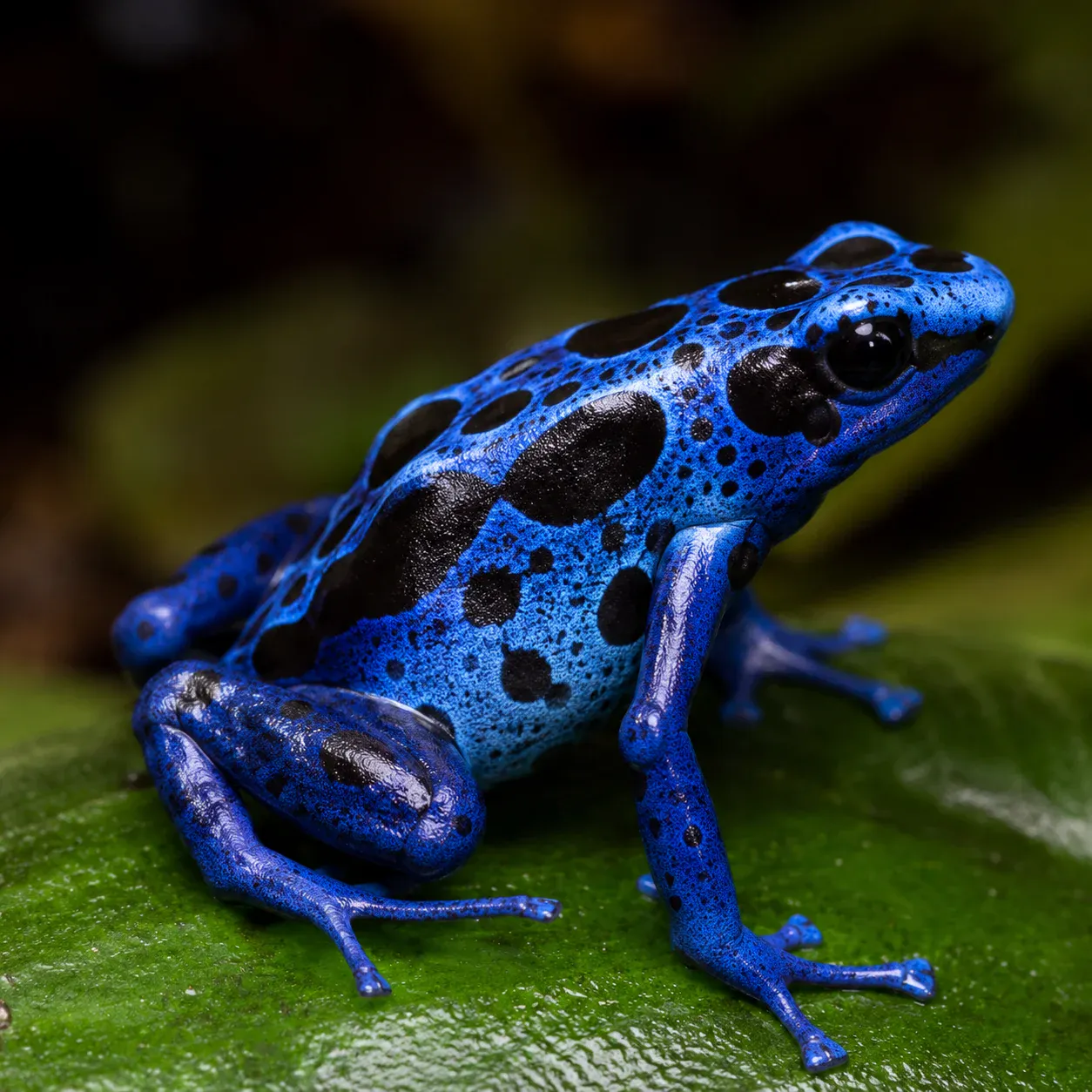
Dart frogs (family Dendrobatidae) are among the most colorful and fascinating amphibians in the pet trade. For beginners, the best species to start with are Dendrobates tinctorius (e.g., 'Azureus' or 'Patricia') and Dendrobates auratus (green and black dart frog). These species are hardy, display well, and tolerate minor husbandry errors better than some of their more delicate relatives. This guide covers everything you need to set up a thriving bioactive vivarium, maintain proper humidity, culture fruit flies, and avoid common pitfalls.
Enclosure Setup & Vivarium Design
Dart frogs are terrestrial and need a vertical space with plenty of ground cover and climbing opportunities. A 18x18x18 inch (45x45x45 cm) glass terrarium is suitable for a pair of D. tinctorius or a trio of D. auratus. For a group of 3–4 frogs, use a 18x18x24 inch (45x45x60 cm) or larger enclosure.
Choosing the Right Enclosure Size
Enclosure size directly impacts frog health and behavior. A cramped tank leads to stress, aggression, and poor hunting. Use this quick reference:
| Number of Frogs | Minimum Enclosure Size | Example Dimensions |
|---|---|---|
| 1–2 juveniles | 10 gallons (38 L) | 20x10x12 in (50x25x30 cm) |
| Pair of D. tinctorius | 18x18x18 in (45x45x45 cm) | 20 gallons (76 L) |
| Trio of D. auratus | 18x18x18 in (45x45x45 cm) | 20 gallons (76 L) |
| 3–4 frogs (mixed group) | 18x18x24 in (45x45x60 cm) | 30 gallons (114 L) |
Always prioritize floor space and vertical height. Dart frogs are terrestrial but appreciate low branches and ledges for exploration. A front-opening terrarium simplifies maintenance and reduces stress.
Bioactive Substrate Layers
- Drainage layer: 1–2 inches (2.5–5 cm) of clay balls (e.g., Hydroton) or LECA, covered with a mesh screen to separate the substrate.
- Substrate: A mix of organic topsoil, sphagnum moss, and coconut coir (2:1:1 ratio) to a depth of 3–4 inches (7.5–10 cm). Add leaf litter (oak, magnolia, or Indian almond leaves) on top to retain moisture and provide hiding spots.
- Hardscape: Cork bark flats, driftwood, and live plants like Pothos, Ficus pumila, Bromeliads, and Ferns. These provide cover and help maintain humidity.
Step-by-Step Bioactive Setup
- Clean the tank: Wipe all glass surfaces with a reptile-safe disinfectant and rinse thoroughly.
- Install drainage layer: Add clay balls or LECA evenly, then cover with a fiberglass mesh or landscaping fabric to prevent substrate from sinking.
- Add substrate: Mix topsoil, sphagnum moss, and coconut coir (2:1:1) and moisten slightly. Fill to 3–4 inches deep, sloping toward the front for aesthetics.
- Place hardscape: Arrange cork bark flats vertically and driftwood to create climbing areas and hides. Ensure stability to prevent collapse.
- Plant live plants: Choose species that thrive in high humidity (e.g., bromeliads, ferns, pothos). Plant them directly into the substrate or mount on cork bark.
- Add cleanup crew: Introduce springtails and isopods (dwarf white or powder orange) to break down waste and mold.
- Top with leaf litter: Spread a thin layer of dried oak or magnolia leaves to retain moisture and provide hiding spots.
- Cycle the vivarium: Wait 2–4 weeks before adding frogs to allow beneficial bacteria to establish and plants to root.
Lighting
Dart frogs do not require UVB, but low-output LED or fluorescent lights (6500K) support plant growth and create a natural day/night cycle. Use a timer for 10–12 hours of light daily. Avoid high-intensity lights that can overheat the vivarium.
For planted vivariums, choose LED bars with a color temperature of 6500K and an output of 20–40 lumens per liter. Too much light promotes algae growth and heats the tank. A simple timer ensures consistency.
Heating & Temperature Management
Dart frogs thrive at 72–78°F (22–26°C) during the day, with a slight drop to 68–72°F (20–22°C) at night. Temperatures above 82°F (28°C) can be fatal. Use a low-wattage heat mat on the side or back of the enclosure, regulated by a thermostat. Never use heat rocks or basking lamps, as they can desiccate the frogs.
Choosing a Heat Source
- Heat mat: Place on the side or back of the tank, never under the substrate (frogs burrow and can burn). Use a thermostat set to 75°F (24°C).
- Ceramic heat emitter (CHE): Use only if ambient room temperature is very low; position above a screen top but at a safe distance to avoid overheating.
- Room heating: In most homes, a heated room (70°F/21°C) is sufficient; add a heat mat only if necessary.
Monitoring Temperature
Place two digital thermometers—one at the warm end and one at the cool end—to verify a gradient. Avoid relying on stick-on thermometers, which are inaccurate. A temperature gun can spot-check surfaces.
Seasonal Adjustments
Some keepers simulate a slight dry season (2–4 weeks with reduced misting and a temperature drop of 5°F) to encourage breeding behavior. This is optional and should only be attempted with healthy, established frogs.
Humidity Requirements
Humidity is critical for dart frogs. Maintain 80–100% relative humidity in the vivarium. Use a digital hygrometer to monitor levels. Mist the enclosure manually 1–2 times daily (morning and evening) with dechlorinated or reverse osmosis water, or install an automatic misting system (e.g., MistKing) for consistency. A fogger can be added for visual effect but is not necessary if misting is adequate. Signs of low humidity include dry skin, lethargy, and difficulty shedding.
How to Maintain Humidity
- Manual misting: Use a spray bottle with fine mist. Mist all surfaces, including plants and substrate, until droplets form but not soaking.
- Automatic misting system: Install a MistKing or similar with nozzles aimed at glass and plants. Set to mist 2–4 times daily for 10–20 seconds each.
- Fogger: Adds visual appeal and temporary humidity spikes but can oversaturate if used too long. Use with a timer (e.g., 15 minutes on, 2 hours off).
Troubleshooting Humidity
| Problem | Cause | Solution |
|---|---|---|
| Humidity below 80% | Insufficient misting, open top, low room humidity | Increase misting frequency; cover part of the screen top with glass or plastic; add a fogger |
| Humidity constantly 100% with condensation | Over-misting, poor ventilation | Reduce misting; improve airflow with a small fan or more screen ventilation |
| Mold growth on substrate | High humidity + stagnant air | Increase ventilation; add springtails and isopods; remove visible mold |
Diet & Fruit Fly Culturing
Dart frogs are insectivores. The staple diet for beginners is flightless fruit flies (Drosophila hydei for adults, D. melanogaster for juveniles). Feed 10–20 flies per frog every other day. Dust flies with a calcium + vitamin D3 supplement at every feeding, and a multivitamin supplement once a week.
Understanding Fruit Fly Species
- Drosophila melanogaster: Smaller (1–2 mm), ideal for juveniles and froglets. Cultures mature faster (10–14 days).
- Drosophila hydei: Larger (2–3 mm), suitable for adult frogs. Cultures take 2–3 weeks to mature.
Culturing Fruit Flies at Home
- Culture medium: Mix instant potato flakes, brewer’s yeast, and a pinch of calcium powder with water to a moist crumbly consistency. Place in a deli cup with a vented lid (fine mesh or pinholes).
- Start a culture: Add 20–30 flies from an existing culture. Keep at 70–75°F (21–24°C). A new culture produces flies in 2–3 weeks.
- Harvesting: Tap flies into a feeding dish (shallow, smooth-sided) inside the vivarium. Remove uneaten flies after 24 hours to prevent mold.
- Rotation: Maintain 3–4 cultures in rotation to ensure a steady supply. Discard cultures older than 4 weeks.
Step-by-Step Fruit Fly Culture
- Prepare medium: In a clean deli cup (32 oz), mix 1 part instant potato flakes, 1 part water, a teaspoon of brewer’s yeast, and a pinch of calcium powder. Stir until moist but not soupy.
- Add flies: Tap 20–30 flies from an established culture into the new cup. Seal with a vented lid.
- Store: Keep at 70–75°F (21–24°C) away from direct sunlight. Avoid temperature extremes.
- Monitor: After 2–3 weeks, you’ll see new flies emerging. Tap the cup to confirm activity.
- Harvest: Open the lid, tap flies into a feeding dish, and place in the vivarium.
- Rotate: Start a new culture every 2 weeks to maintain a continuous supply. Discard cultures that are over 4 weeks old or show mold.
Supplementation Schedule
| Supplement | Frequency | Method |
|---|---|---|
| Calcium + Vitamin D3 | Every feeding | Dust flies lightly in a small container before offering |
| Multivitamin | Once a week | Dust flies with multivitamin powder |
Never skip supplements—fruit flies are naturally low in calcium and vitamins. Over-supplementation is rare, but always follow the product label.
Other Food Options
Supplement with springtails, isopods (dwarf white or powder orange), and small pinhead crickets for variety. Avoid wild-caught insects due to pesticide risk.
Feeding Tips
- Use a feeding dish: A shallow dish with smooth sides prevents flies from escaping and makes cleanup easy.
- Feed at the same time daily: Frogs learn a routine and will come to the dish.
- Observe consumption: If flies remain after 24 hours, reduce the amount. If frogs look thin, increase frequency.
- Never overfeed: Obesity is a common issue in captive dart frogs. Adjust portions based on body condition.
Handling & Behavior
Dart frogs are display animals and should not be handled except for health checks or tank maintenance. Their skin is highly permeable and can absorb oils, lotions, and chemicals from human hands. When necessary, wear powder-free nitrile gloves moistened with dechlorinated water. Handling causes stress and can lead to illness. Observe them from outside the glass; they are active during the day and fun to watch.
Safe Handling Protocol
- Wash hands thoroughly and rinse well to remove any soap residue.
- Put on powder-free nitrile gloves and moisten them with dechlorinated water.
- Gently coax the frog into a small container or cup rather than grabbing it.
- Minimize handling time to under 2 minutes.
- Return the frog to the vivarium and monitor for stress signs (e.g., hiding, refusing food).
Understanding Natural Behavior
Dart frogs are diurnal and territorial. Males may call to attract mates; this is normal. They use their toes to grip surfaces and may climb on glass. Provide plenty of hiding spots to reduce stress. If you see excessive hiding, check temperature, humidity, or signs of illness.
Common Health Issues
| Condition | Symptoms | Cause | Prevention/Treatment |
|---|---|---|---|
| Dehydration | Dry, wrinkled skin; lethargy | Low humidity | Increase misting; check hygrometer |
| Bacterial infection (Red-leg) | Reddening of legs/abdomen | Poor water quality, stress | Quarantine; consult vet; improve hygiene |
| Metabolic bone disease | Soft jaw, tremors | Calcium deficiency | Dust food with calcium+D3; provide UVB (optional but helpful) |
| Fungal infection | White patches on skin | High humidity without ventilation | Improve airflow; remove affected frogs; antifungal treatment |
| Obesity | Rounded body, difficulty moving | Overfeeding | Reduce feeding frequency; increase exercise (more climbing structures) |
Preventive Health Care
- Quarantine new frogs: Keep them in a separate enclosure for 30–60 days to observe for illness.
- Maintain impeccable hygiene: Change water, clean feeding dishes, and remove dead plants promptly.
- Use only dechlorinated or RO water: Chlorine and heavy metals are toxic.
- Watch for changes: Loss of appetite, weight loss, or abnormal color are red flags.
What Beginners Get Wrong
- Too small enclosure: A 10-gallon tank is too small for dart frogs; they need vertical space to climb and hunt.
- Overcrowding: Keeping more than 2–3 frogs in a small vivarium leads to stress and aggression.
- Poor ventilation: Stagnant air promotes mold and fungus. Use a screen top or side vents.
- Incorrect substrate: Using potting soil with fertilizers or perlite is toxic. Use organic, chemical-free mixes.
- Skipping supplements: Fruit flies alone are calcium-poor; always dust with supplements.
- Handling too much: Stress can suppress the immune system and cause illness.
- Using tap water: Chlorine and heavy metals harm frogs. Always use dechlorinated or RO water.
Troubleshooting Common Issues
| Issue | Likely Cause | Solution |
|---|---|---|
| Frogs hiding constantly | Stress, low humidity, or too much activity | Provide more cover; reduce handling; check humidity |
| Flies escaping the vivarium | Open gaps around doors or vents | Seal gaps with silicone or foam; use a feeding dish |
| Plants dying | Too much or too little light/water | Adjust lighting; check drainage; choose hardy species |
| Mold on substrate | High humidity + poor airflow | Increase ventilation; add cleanup crew; remove mold |
Breeding Dart Frogs (Optional)
Breeding dart frogs is rewarding but requires careful preparation. Only attempt with healthy, adult frogs (1–2 years old). Provide a shallow water dish or film canister with a leaf for egg deposition. After eggs are laid, remove them to a separate container with moist paper towels until tadpoles hatch. Raise tadpoles in dechlorinated water with a diet of fish flakes or spirulina powder. This is an advanced topic; consult species-specific guides.
Frequently Asked Questions
How often should I mist my dart frog vivarium?
Mist manually 1–2 times daily (morning and evening) to maintain 80–100% humidity. If using an automatic system, set it to mist 2–4 times daily for 10–20 seconds each. Adjust based on your hygrometer readings.
Can I handle my dart frog?
Dart frogs are display animals and should not be handled except for health checks or tank maintenance. Their skin is permeable and can absorb oils and chemicals from human hands. When necessary, use moistened powder-free nitrile gloves and keep handling time under 2 minutes.
What do I feed juvenile dart frogs?
Juveniles should be fed small fruit flies (Drosophila melanogaster) every day, dusted with calcium + vitamin D3 at every feeding and a multivitamin once a week. As they grow, you can switch to larger D. hydei and feed every other day.
Do dart frogs need UVB lighting?
Dart frogs do not require UVB, but low-output LED or fluorescent lights (6500K) support plant growth and a natural day/night cycle. If you use UVB (optional), choose a low-strength bulb and provide plenty of shade. Always dust food with calcium + D3 to prevent metabolic bone disease.
Related Reading
- Dart Frog Vivarium: Plants, Drainage & Misting — Learn how to build a thriving vivarium with proper drainage and misting for your dart frogs.
- Dart Frog Morphs: Azureus, Patricia & More — Discover popular dart frog morphs and how their care may vary by species.
- Reptile UVB Lighting Guide: Ferguson Zones & Bulb Selection — Understand UVB lighting needs for dart frogs and other reptiles with Ferguson zones.
- Reptile Vitamins & Supplements: Calcium With or Without D3 — Learn how to supplement your dart frog's diet with calcium and vitamins correctly.
Check optimal temps, calculate feeding, and find your perfect species match.
References
- Burns, J. (2020). The Dart Frog Keeper's Manual. Herpetological Press.
- Johnson, R. (2019). Bioactive Vivarium Design for Amphibians. Reptile Habitat Publishing.
- Smith, A. (2021). Fruit Fly Culturing for Herpetoculture. Insect Rearing Quarterly.
🐾 Join the Community
See how other keepers set up their enclosures, ask questions, and share your experience.
🛠️ Apply What You Learned
Check optimal temps, calculate feeding schedules, and get calcium dosage — all personalized for your species.
Comments