Schneider Skink Enclosure: Heating & Substrate
Introduction
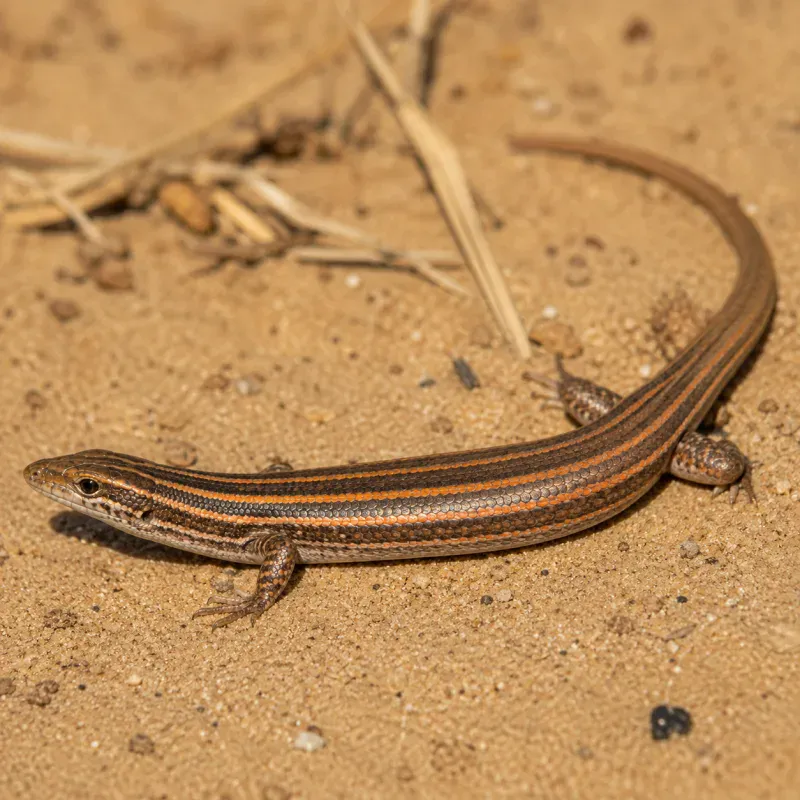
The Schneider skink (Eumeces schneiderii) is a diurnal, burrowing lizard native to arid and semi-arid regions of North Africa and the Middle East. In captivity, replicating its natural habitat requires careful attention to enclosure heating, substrate depth, and UVB lighting. This guide provides evidence-based recommendations for creating a thriving environment for your Schneider skink, covering everything from basking spot temperatures to deep substrate for burrowing. Whether you're a first-time keeper or an experienced reptile enthusiast, this article will help you fine-tune every aspect of your skink's enclosure.
Enclosure Setup
Minimum Enclosure Size
A single adult Schneider skink requires a minimum 48" x 24" x 24" (120 x 60 x 60 cm) enclosure. Larger is always better, especially if you want to maintain a proper thermal gradient. For a pair or trio, increase the footprint to 72" x 24" (180 x 60 cm). A larger enclosure not only provides more space for exercise and exploration but also makes it easier to create a stable temperature gradient, which is essential for thermoregulation. If you have the space, consider going even bigger—Schneider skinks are active foragers and will use every inch you provide.
Enclosure Type
Use a front-opening vivarium or a custom-built enclosure with good ventilation. Glass or PVC enclosures work well. Avoid mesh-top tanks, as they lose heat and humidity rapidly. Front-opening enclosures are also more practical for maintenance and reduce stress on the animal, as you approach from the side rather than from above (which mimics a predator bird in the wild). PVC enclosures are excellent at retaining heat and humidity, making them a favorite among keepers. Glass aquariums with a screen top can be converted but will require extra effort to insulate and maintain temperatures.
Decor and Hides
Provide multiple hides on both the warm and cool ends. Use slate or flat stones for basking surfaces. Add branches, cork bark, and artificial plants for enrichment. Ensure all decor is stable to prevent collapse during burrowing. Schneider skinks are burrowers by nature, so you need to secure heavy items like rocks or logs directly on the bottom of the enclosure, not on top of the substrate, to avoid them shifting or falling when your skink tunnels underneath. You can use silicone adhesive or stack them in a way that they are stable. Also, consider adding a "burrow starter"—a piece of PVC pipe or a cork tube partially buried in the substrate—to encourage natural tunneling behavior.
Heating and Lighting
Basking Spot Temperature
The basking spot should reach 95–105°F (35–40°C). Use a halogen flood bulb or a deep heat projector (DHP) placed on one side of the enclosure. Measure the surface temperature with an infrared thermometer. The warm side ambient temperature should be 85–90°F (29–32°C), and the cool side 75–80°F (24–27°C). Nighttime temperatures can drop to 65–70°F (18–21°C). To achieve these temperatures, you may need to adjust the wattage of your bulb or the distance from the basking spot. A dimming thermostat is highly recommended to maintain precise temperatures and extend bulb life. Avoid using heat rocks, as they can cause severe burns due to uneven heat distribution. Always use a thermostat with any heat source to prevent overheating.
UVB Lighting
Schneider skinks are diurnal and require UVB for vitamin D3 synthesis and calcium metabolism. Use a 5–6% UVB T5 linear bulb (e.g., Arcadia ShadeDweller or Zoo Med ReptiSun 5.0) spanning at least half the enclosure length. Place the bulb 12–15 inches above the basking area. Replace UVB bulbs every 12 months, even if they still emit light. Provide a 12-hour photoperiod year-round. UVB output degrades over time, so replacing annually is crucial. A T5 bulb is preferred over T8 because it produces a higher UVB output and lasts longer. Place the bulb on top of the enclosure if you have a mesh screen that doesn't block too much UVB (less than 30% blockage), or mount it inside using UVB-safe brackets. Always follow the manufacturer's distance recommendations to avoid over- or under-exposure.
Heat Gradient
Create a distinct thermal gradient by placing the heat source at one end. Use a thermostat to control basking temperatures. Avoid heat rocks, which can cause burns. A thermal gradient allows your skink to self-regulate its body temperature by moving between warm and cool areas. Ensure that the gradient is stable throughout the day and that there are no hot spots that exceed the recommended basking temperature. You can use multiple thermometers (digital probe thermometers) placed at different points in the enclosure to monitor the gradient. Also, consider using a temperature gun to spot-check surface temperatures on basking rocks and substrate.
Substrate and Humidity
Deep Substrate for Burrowing
Schneider skinks are avid burrowers. Provide a substrate depth of 6–8 inches (15–20 cm) to allow natural tunneling. A suitable mix is 60% organic topsoil (no fertilizers or perlite), 30% play sand, and 10% excavator clay (for stability). Alternatively, use a pre-mixed product like Zoo Med Reptisoil or a custom blend. Avoid substrates that are dusty, mold-prone, or contain sharp particles (e.g., walnut shells). The substrate should be kept slightly moist at the bottom layers to help tunnels hold their shape, but the top layer should be dry. Excavator clay is particularly useful because it hardens to some degree, mimicking the compacted earth of their natural habitat. If you're using a custom mix, make sure to sift the topsoil to remove any large chunks or organic debris that could cause impaction.
Humidity
Maintain ambient humidity at 30–50%. Schneider skinks come from arid regions but benefit from a humid hide (e.g., a plastic container with damp sphagnum moss) during shedding. Mist the enclosure lightly once a week, or provide a shallow water dish. Use a digital hygrometer to monitor levels. Humidity that is too low (<20%) can lead to dysecdysis (stuck shed), especially on the toes and tail tip. Humidity that is too high (>60%) can promote respiratory infections and fungal growth. The humid hide should be placed in the cool end of the enclosure and checked regularly to ensure the moss stays damp but not soggy. During shedding, you can increase misting frequency to every other day, but always monitor the humidity to avoid it spiking too high.
Diet and Feeding
Staples
Offer a varied diet of insects: crickets, dubia roaches, black soldier fly larvae, mealworms, and occasional silkworms. Adults eat every 2–3 days; juveniles daily. Dust insects with calcium powder (without D3) at every feeding and a multivitamin once weekly. Variety is key to providing a balanced nutritional profile. Crickets and dubia roaches are excellent staples because they are high in protein and low in fat. Black soldier fly larvae are also great because they naturally contain calcium. Mealworms should be limited due to their high fat content and chitin, which can be hard to digest if overfed. Always gut-load insects 24 hours before feeding to enhance their nutritional value.
Supplements
Use a calcium supplement with vitamin D3 only if UVB is inadequate. Otherwise, use pure calcium carbonate. Provide a small dish of powdered calcium in the enclosure. This allows your skink to self-regulate its calcium intake. However, not all skinks will use the dish, so dusting is still essential. If you are using a 5–6% UVB bulb placed at the correct distance, you can use calcium without D3. If you are using a weaker UVB or no UVB (which is not recommended), you'll need to use calcium with D3 but be cautious of over-supplementation, which can cause toxicity. Consult your vet for specific supplementation advice.
Hydration
Provide a shallow, heavy water dish that cannot be tipped over. Change water daily. Skinks may also drink droplets from misting. The water dish should be large enough for the skink to soak in if it wants, but not so deep that it could drown. Place the dish on the cool side to help maintain humidity levels. Some keepers find that their skinks prefer to drink from a misted surface, so a light misting every few days can encourage hydration.
Handling and Behavior
Acclimation
Allow your Schneider skink 1–2 weeks to settle in before handling. Start with short sessions (5–10 minutes) in a secure, enclosed area. Support the body fully; never grab the tail, as it can drop (autotomy). During the acclimation period, avoid any unnecessary disturbances. Let your skink get used to your presence by spending time near the enclosure and talking softly. Once your skink is eating regularly and exploring its enclosure, you can begin handling. Always pick up the skink from underneath, using both hands to support its body. Never pick it up by the tail, as this can cause the tail to detach as a defense mechanism.
Signs of Stress
Watch for tail thrashing, hissing, or hiding excessively. If stressed, reduce handling frequency and check husbandry parameters. Other signs of stress include loss of appetite, repetitive behaviors (like pacing), and changes in coloration. If you notice these signs, review your temperatures, humidity, and lighting to ensure they are within the recommended ranges. Sometimes, simply moving the enclosure to a quieter location or providing more hides can reduce stress. If stress persists, consult a reptile veterinarian.
Common Health Issues
| Issue | Cause | Symptoms | Prevention/Treatment |
|---|---|---|---|
| Metabolic Bone Disease (MBD) | Insufficient UVB or calcium | Lethargy, tremors, soft jaw | Provide UVB 5–6%, calcium dusting, vet care |
| Respiratory Infection | Low temps or high humidity | Wheezing, nasal discharge | Correct temps, vet antibiotics |
| Tail Loss (Autotomy) | Stress or rough handling | Tail detachment | Keep enclosure clean; tail regenerates |
| Impaction | Ingesting substrate | Lethargy, no feces | Use digestible substrate; soak in warm water |
MBD is one of the most common health issues in captive Schneider skinks. It occurs when there is an imbalance of calcium, phosphorus, and vitamin D3. Early signs include a rubbery jaw and difficulty moving. If you suspect MBD, immediately increase UVB exposure and calcium supplementation, and take your skink to a reptile vet for x-rays and treatment. Respiratory infections are often caused by prolonged exposure to low temperatures or high humidity. Symptoms include open-mouth breathing, wheezing, and nasal discharge. Correct the environmental parameters and seek veterinary care, as antibiotics are often needed. Tail loss is a natural defense mechanism, but it can be prevented by handling gently. The tail will regenerate over time, but the new tail may look different. Impaction can occur if your skink ingests substrate, especially loose particles. To prevent impaction, feed your skink in a separate container or use a substrate that is digestible (like the topsoil/sand mix recommended). If impaction occurs, give your skink a warm water soak and offer a few drops of mineral oil (with vet approval) to help pass the blockage.
Lessons From Experienced Keepers
- Shallow substrate: Skinks need 6–8 inches to burrow. Less leads to stress and unnatural behavior.
- Using heat rocks: They cause burns. Use overhead heat sources only.
- Incorrect UVB: Too strong (10%+) can cause eye damage; too weak (2%) won't support D3 synthesis. Stick to 5–6%.
- Overfeeding fatty insects: Mealworms and waxworms should be occasional treats. Dubia roaches and crickets are better staples.
- Ignoring humidity: Too dry leads to shedding problems; too wet causes respiratory issues. Aim for 30–50%.
These mistakes are common among first-time keepers. By understanding the reasons behind each recommendation, you can avoid these pitfalls. For example, shallow substrate prevents burrowing, which is a natural behavior that helps your skink feel secure. Heat rocks are notorious for causing thermal burns because they heat unevenly. UVB strength is critical—too much UVB can cause eye damage and skin burns, while too little leads to MBD. Fatty insects like mealworms and waxworms should be limited to treats because they can lead to obesity and fatty liver disease. Finally, humidity levels must be monitored carefully; a simple digital hygrometer can save you from many health problems.
Troubleshooting Common Enclosure Issues
Temperature Fluctuations
If your basking spot is too hot or too cold, first check the wattage of your bulb and the distance from the basking surface. Adjust the thermostat accordingly. If your enclosure is too cold overall, consider adding a second heat source or insulating the enclosure with foam panels. If it's too hot, increase ventilation or lower the wattage. Remember that ambient temperatures are just as important as the basking spot.
Substrate Collapsing
If your skink's tunnels keep collapsing, the substrate may be too dry or too sandy. Add a bit of water to the bottom layers to help it hold shape, or increase the clay content. You can also create "pre-formed" burrows by using PVC pipes or cork tubes buried in the substrate—these provide stable tunnels that won't collapse.
Low Humidity
If humidity is consistently below 30%, you can increase it by placing a larger water dish, misting more frequently, or adding a humid hide. You can also partially cover the screen top (if you have one) with a piece of plastic or glass to reduce evaporation.
High Humidity
If humidity is above 50%, increase ventilation by opening vents or using a small fan. Remove the water dish at night if needed, and reduce misting. Ensure the substrate is not staying wet—replace any damp substrate with dry substrate.
Enrichment Ideas
Enrichment is important for your skink's mental and physical well-being. In addition to hides and branches, you can provide:
- Dig boxes: A separate container filled with a different substrate (like coconut coir) for digging.
- Foraging opportunities: Scatter insects around the enclosure instead of using a bowl to encourage natural foraging behavior.
- Climbing structures: Although they are primarily ground-dwelling, Schneider skinks will climb if given the chance. Add sturdy branches and rocks.
- Novel objects: Rotate decor items every few weeks to provide novelty.
Conclusion
Schneider skinks are rewarding pets when their environmental needs are met. Focus on deep substrate for burrowing, a proper basking spot at 95–105°F, and a 5–6% UVB bulb. With consistent care, they can live 15–20 years. Always consult a reptile veterinarian for health concerns. By following the recommendations in this guide, you'll be well on your way to providing a healthy, enriching home for your Schneider skink.
Frequently Asked Questions
How often should I replace the UVB bulb?
Replace UVB bulbs every 12 months, even if they still emit light. UVB output degrades over time, so annual replacement is crucial to ensure your skink receives adequate UVB for vitamin D3 synthesis and calcium metabolism.
Can I use a heat rock for my Schneider skink?
No, avoid heat rocks at all costs. They cause severe burns due to uneven heat distribution. Use overhead heat sources like halogen flood bulbs or deep heat projectors, controlled by a thermostat.
What is the ideal substrate depth for burrowing?
Provide a substrate depth of 6–8 inches (15–20 cm) to allow natural tunneling. A mix of 60% organic topsoil, 30% play sand, and 10% excavator clay works well, or use a pre-mixed product like Zoo Med Reptisoil.
How can I tell if my Schneider skink is stressed?
Watch for tail thrashing, hissing, or hiding excessively. Other signs include loss of appetite and repetitive behaviors. If stressed, reduce handling frequency and check that all husbandry parameters (temperature, humidity, lighting) are within the recommended ranges.
Related Reading
- Schneider's Skink Care: Setup, Diet, and Health — Complete care overview covering setup, diet, and health essentials for Schneider's skinks.
- Schneider Skink Diet & Feeding Guide — Learn what to feed your Schneider's skink, including insects, veggies, and supplements.
- Reptile UVB Lighting Guide: Ferguson Zones & Bulb Selection — Understand UVB requirements and Ferguson zones to optimize lighting for your skink.
- Reptile Vitamins & Supplements: Calcium With or Without D3 — Discover how to supplement calcium and vitamins correctly for a healthy Schneider's skink.
- Bearded Dragon UVB Setup — Get tips on UVB placement and intensity that also apply to similar desert reptiles.
Check optimal temps, calculate feeding, and find your perfect species match.
References
- McKeown, S. (1996). A Field Guide to Reptiles and Amphibians in the Hawaiian Islands. Island Heritage Publishing.
- Vosjoli, P. (2004). The Herpetoculture of the Schneider Skink. Advanced Vivarium Systems.
- Arcadia Reptile (2023). UVB Lighting Guide for Reptiles. Arcadia Products.
🐾 Join the Community
See how other keepers set up their enclosures, ask questions, and share your experience.
🛠️ Apply What You Learned
Check optimal temps, calculate feeding schedules, and get calcium dosage — all personalized for your species.
Comments
No account needed — corrections, updates and questions are all welcome. For a full question with photos, the community Q&A is the better place.