Axolotl Diet & Feeding: Worms, Pellets, Schedule
Introduction
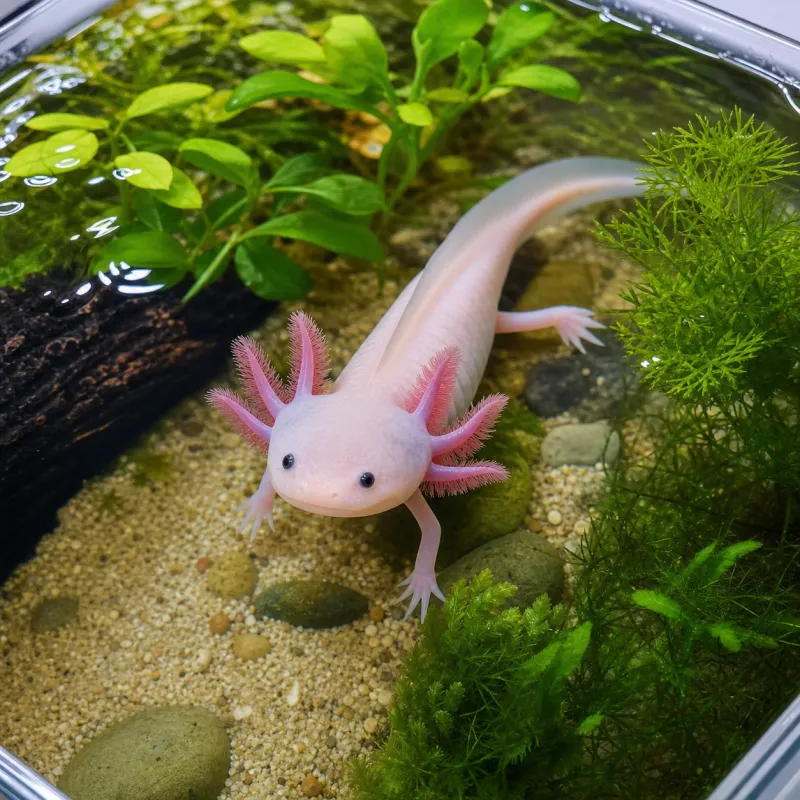
Axolotls (Ambystoma mexicanum) are fascinating aquatic salamanders that remain in their larval form throughout their lives. Their unique appearance and relatively simple care requirements make them popular pets, but their dietary needs are often misunderstood. A proper diet is crucial for their growth, coloration, and overall health. This guide provides a comprehensive overview of what to feed your axolotl, how often, and which foods are best for each life stage.
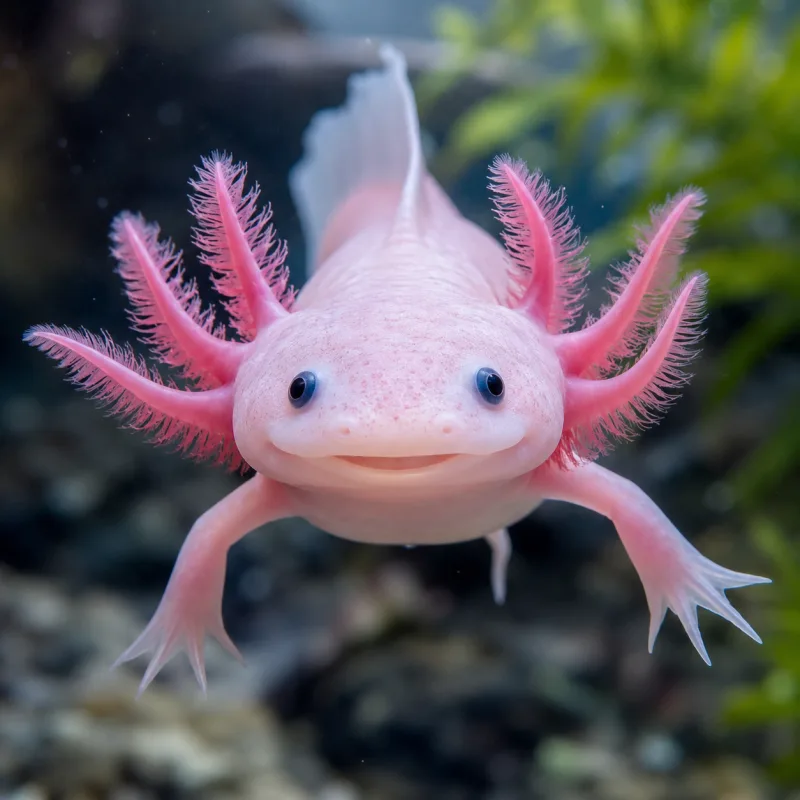
Feeding an axolotl is not just about dropping food into the tank. It requires understanding their carnivorous nature, their feeding behavior, and the nutritional value of different food items. Whether you are a new owner or looking to refine your feeding routine, this guide will help you create a balanced and sustainable diet for your aquatic companion.
Understanding Axolotl Nutrition
Axolotls are obligate carnivores, meaning their diet must consist primarily of animal protein. In the wild, they feed on small fish, insects, worms, and other invertebrates. In captivity, their nutritional needs are best met with a variety of foods that provide high-quality protein, essential fatty acids, vitamins, and minerals.
Key Nutritional Requirements
- Protein: Essential for growth, tissue repair, and enzyme production. Aim for foods with 40-50% protein content.
- Fat: Provides energy and supports cell function. Healthy fats like omega-3 and omega-6 are important, but avoid excessive fat to prevent obesity.
- Calcium and Phosphorus: Crucial for bone health and metabolic functions. A calcium-to-phosphorus ratio of 1:1 or 2:1 is ideal.
- Vitamins: Particularly vitamins A, D, and E, which support vision, immune function, and skin health.
Commercial axolotl pellets are formulated to meet these needs, but a varied diet that includes live or frozen foods can provide additional enrichment and nutrients.
Best Food Options for Axolotls
There are several food types that are safe and nutritious for axolotls. Each has its pros and cons, and many owners choose to rotate between them to provide variety.
Live Foods
Live foods are often the most natural and stimulating option for axolotls. They encourage natural hunting behaviors and are highly palatable.
- Earthworms: The gold standard for axolotl nutrition. They are rich in protein, low in fat, and easily digestible. Both nightcrawlers and red wigglers are good choices, though some axolotls may prefer one over the other. Always purchase worms from a reputable source to avoid pesticides.
- Blackworms: Small, thin worms that are excellent for juvenile axolotls. They are very nutritious and can be offered live or frozen.
- Bloodworms: These are the larvae of midge flies. They are high in protein but should be used as a treat, not a staple, because they lack some essential nutrients and can be fatty.
- Daphnia: Tiny aquatic crustaceans, ideal for very young axolotls. They are less nutritious than worms but can be used to stimulate feeding.
- Brine Shrimp: Another small prey item, often used for juveniles. They are low in fat but not a complete diet.
Frozen Foods
Frozen foods are convenient and have a longer shelf life than live foods. They are often just as nutritious as live options if they are high-quality and properly thawed.
- Frozen Bloodworms: Widely available and easy to portion. They are a good treat, but not a staple.
- Frozen Brine Shrimp: Suitable for juveniles and adults, but again, not a complete diet.
- Frozen Mysis Shrimp: A better choice than brine shrimp because they are more nutritious and contain higher levels of omega-3 fatty acids.
- Frozen Beef Heart: Sometimes recommended for growth, but it is too fatty and can cause digestive issues. Avoid it.
Pellets
High-quality sinking pellets are a convenient and complete food for axolotls. They are formulated to provide balanced nutrition and are easy to store and feed.
- Specialized Axolotl Pellets: Brands like Hikari and Rangen offer sinking pellets designed specifically for axolotls. These are usually the best choice.
- Salmon Pellets: Some owners use high-quality salmon or trout pellets as an alternative. Look for ones with high protein and low fillers.
- Earthworm Pellets: These are made from dried earthworms and are highly palatable, but they can be more expensive.
When choosing pellets, check the ingredient list. The first ingredient should be a named protein source (e.g., fish meal, shrimp meal), not corn or soy.
Feeding Schedule by Age
The frequency and amount of food depend on the axolotl’s age and size. Juveniles need more frequent feedings to support rapid growth, while adults can be fed less often to prevent obesity.
| Age | Size | Frequency | Portion Size |
|---|---|---|---|
| Larval (0-3 months) | 1-3 inches | 2-3 times daily | Small live foods (baby brine shrimp, daphnia) or crushed pellets |
| Juvenile (3-6 months) | 3-5 inches | Once or twice daily | 1-2 small worms or a pinch of pellets |
| Subadult (6-12 months) | 5-8 inches | Every 1-2 days | 2-3 worms or 2-3 pellets |
| Adult (12+ months) | 8-12 inches | Every 2-3 days | 3-4 worms or 4-5 pellets |
These are general guidelines. Adjust based on your axolotl’s body condition. A healthy axolotl has a rounded belly, but not so round that the spine is obscured. If the axolotl appears thin, increase feeding frequency; if it looks chunky, reduce it.
How to Feed Worms
Worms are a staple in many axolotl diets, but they require some preparation to ensure safety and ease of feeding.
Choosing Worms
Select worms that are appropriately sized for your axolotl. For juveniles, cut earthworms into small pieces. For adults, whole nightcrawlers are fine. Avoid wild-caught worms, as they may carry parasites or pesticides. Instead, buy from a bait shop or a reputable online supplier.
Preparing Worms
Rinse the worms in dechlorinated water to remove any dirt. Some owners blanch the worms (dip in boiling water for a few seconds) to kill bacteria and make them easier to swallow, but this is optional. For large worms, use scissors or a knife to cut them into manageable pieces.
Feeding Techniques
Use a pair of long tweezers or forceps to offer the worm directly to your axolotl. This prevents the worm from burrowing into the substrate before the axolotl notices it. Hold the worm near the axolotl’s head, and it will usually snap it up. If the axolotl is shy, you can drop the worm near its hiding spot, but be prepared to remove uneaten food after 10-15 minutes.
How to Feed Pellets
Pellets are a convenient alternative to live foods, but some axolotls may be reluctant to eat them at first. Here’s how to introduce them successfully.
Choosing Pellets
Opt for sinking pellets that are small enough for your axolotl to swallow. For juveniles, you may need to crush them into smaller pieces. Look for pellets with a high protein content (40% or more) and low ash content.
Soaking Pellets
Soak dry pellets in a small cup of tank water for 5-10 minutes before feeding. This softens them, making them easier to digest and less likely to cause constipation. It also helps the pellets sink faster.
Feeding Techniques
Drop the pellets directly in front of your axolotl. They will typically snap at anything that moves, so the sinking motion may attract their attention. If your axolotl ignores pellets, try mixing them with a small piece of worm to entice it. Over time, most axolotls will accept pellets as part of their diet.
Supplements and Vitamins
In most cases, a varied diet of worms and pellets provides all the necessary nutrients. However, there are situations where supplements may be beneficial.
Calcium
If your axolotl is not eating whole fish or insects with bones, it may lack calcium. You can dust live foods with a calcium powder designed for reptiles or amphibians. Alternatively, you can offer a cuttlebone in the tank, but ensure it is not too large and is removed if it dissolves.
Vitamin D3
Axolotls do not bask, so they do not synthesize vitamin D3 from UVB light. They rely on dietary sources. Most commercial pellets contain added vitamin D3, but if you feed only worms, consider a multivitamin supplement once a week.
Fasting
It’s normal for axolotls to occasionally refuse food, especially during temperature fluctuations or after a large meal. A short fast of 2-3 days is not harmful and can help with digestion. If your axolotl refuses food for more than a week, check water parameters and temperature.
Common Feeding Mistakes to Avoid
Many axolotl health issues stem from improper feeding. Here are some common pitfalls and how to avoid them.
- Overfeeding: Axolotls are opportunistic feeders and will eat as much as you give them. Overfeeding leads to obesity, which can cause liver problems and a shortened lifespan. Stick to the schedule above.
- Feeding the Wrong Foods: Avoid feeder fish (they can carry parasites), terrestrial insects (they may be toxic or hard to digest), and mammalian meats like beef or chicken. These are not natural prey and can cause digestive issues.
- Ignoring Water Quality: Uneaten food decomposes quickly and spikes ammonia levels. Always remove uneaten food after 10-15 minutes and perform regular water changes.
- Feeding Too Large Prey: Axolotls have small stomachs and can choke on large items. Cut food into appropriate sizes.
- Using Tongs Incorrectly: Do not force food into the axolotl’s mouth. Simply present it and let the axolotl take it. Forcing can cause injury.
Feeding Juvenile Axolotls
Juveniles have higher metabolic rates and need more frequent feedings. They also have smaller mouths, so food must be appropriately sized.
First Foods
Newly hatched axolotls (larvae) are microscopic and require infusoria or newly hatched brine shrimp. As they grow, they can be transitioned to daphnia, blackworms, and finely crushed pellets.
Growing Juveniles
From 3 months onward, you can offer small pieces of earthworm or frozen bloodworms. Feed them once or twice a day, but monitor their growth. A juvenile should grow about an inch per month during the first year.
Weaning onto Pellets
Introduce pellets gradually. Soak them well and crush them if needed. Some juveniles may not recognize pellets as food; you can try rubbing a worm on the pellet to transfer the scent.
Feeding Adult Axolotls
Adult axolotls (over 12 months) have slower metabolisms and are prone to obesity. Adjust their diet accordingly.
Frequency
Feed adults every 2-3 days. Some owners feed once a week, but that may be too little for some individuals. Observe your axolotl’s body condition and adjust.
Portion Control
A good rule of thumb is to offer as much food as the axolotl can consume in 10 minutes. For worms, that might be 3-4 medium earthworms. For pellets, it’s about 4-5 pellets.
Seasonal Changes
Axolotls may eat less in winter if temperatures drop. This is normal. Do not force food; just offer it and remove uneaten portions.
Troubleshooting Feeding Issues
If your axolotl is not eating or has digestive problems, here are some common issues and solutions.
Refusing Food
Check water temperature (ideal 60-64°F or 15-18°C). High temperatures cause stress and loss of appetite. Also, check ammonia and nitrite levels. If the axolotl is new, it may take a few days to settle in. Offer a variety of foods to see if it has a preference.
Regurgitation
If your axolotl throws up, it may have eaten too much or the food was too large. It could also be a sign of internal parasites or bacterial infection. Consult a vet if it happens repeatedly.
Constipation
Impaction can occur if the axolotl ingests substrate (gravel) or if the food is too dry. Use sand or bare-bottom tanks, and always soak pellets. You can also offer a piece of raw, unseasoned pumpkin or a few drops of mineral oil to help pass blockages, but consult a vet first.
Loss of Appetite During Breeding
Breeding axolotls may eat less. This is usually temporary, but monitor for weight loss.
Frequently Asked Questions
Q: How often should I feed my adult axolotl?
A: Adult axolotls should be fed every 2-3 days. Overfeeding can lead to obesity, so it's important to monitor their body condition and adjust portion sizes accordingly.
Q: Can axolotls eat fish food or goldfish flakes?
A: No, axolotls should not eat fish flakes or goldfish food. These are not nutritionally balanced for axolotls and may contain fillers that are hard to digest. Stick to high-quality sinking pellets and live/frozen foods.
Q: What is the best staple food for an axolotl?
A: Earthworms are widely considered the best staple food because they are highly nutritious, low in fat, and easily digestible. High-quality axolotl pellets are a good alternative or supplement.
Q: How long can an axolotl go without eating?
A: Healthy adult axolotls can go for up to two weeks without eating, especially during cooler temperatures. However, juveniles should not be fasted for more than a few days as they need nutrients for growth.
Related Reading
- Axolotl Care Guide: Tank Setup, Water Quality, Feeding — Get a full overview of axolotl care beyond diet, including habitat basics.
- Axolotl Health Guide: Diseases & Water Quality — Learn how feeding habits link to common health issues and prevention.
- Axolotl Tank Setup: Size, Water & Filtration — Discover how proper tank setup supports healthy feeding and digestion.
- Axolotl Morphs: Complete Guide to Colors, Genetics & Care — Explore how different morphs may have unique dietary or care needs.
- Axolotl Tank Cycling: The Complete Step-by-Step Guide — Ensure your water quality is stable before establishing a feeding routine.
Check optimal temps, calculate feeding, and find your perfect species match.
References
- S. R. (2020). Axolotl Care Guide. Exotic Pet Publishing.
- M. J. (2018). The Complete Axolotl Handbook. Herpetology Press.
- A. B. (2021). Nutrition for Amphibians. Academic Press.
🐾 Join the Community
See how other keepers set up their enclosures, ask questions, and share your experience.
🛠️ Apply What You Learned
Check optimal temps, calculate feeding schedules, and get calcium dosage — all personalized for your species.
Comments
No account needed — corrections, updates and questions are all welcome. For a full question with photos, the community Q&A is the better place.