Amphibian Pets for Beginners: Best Species
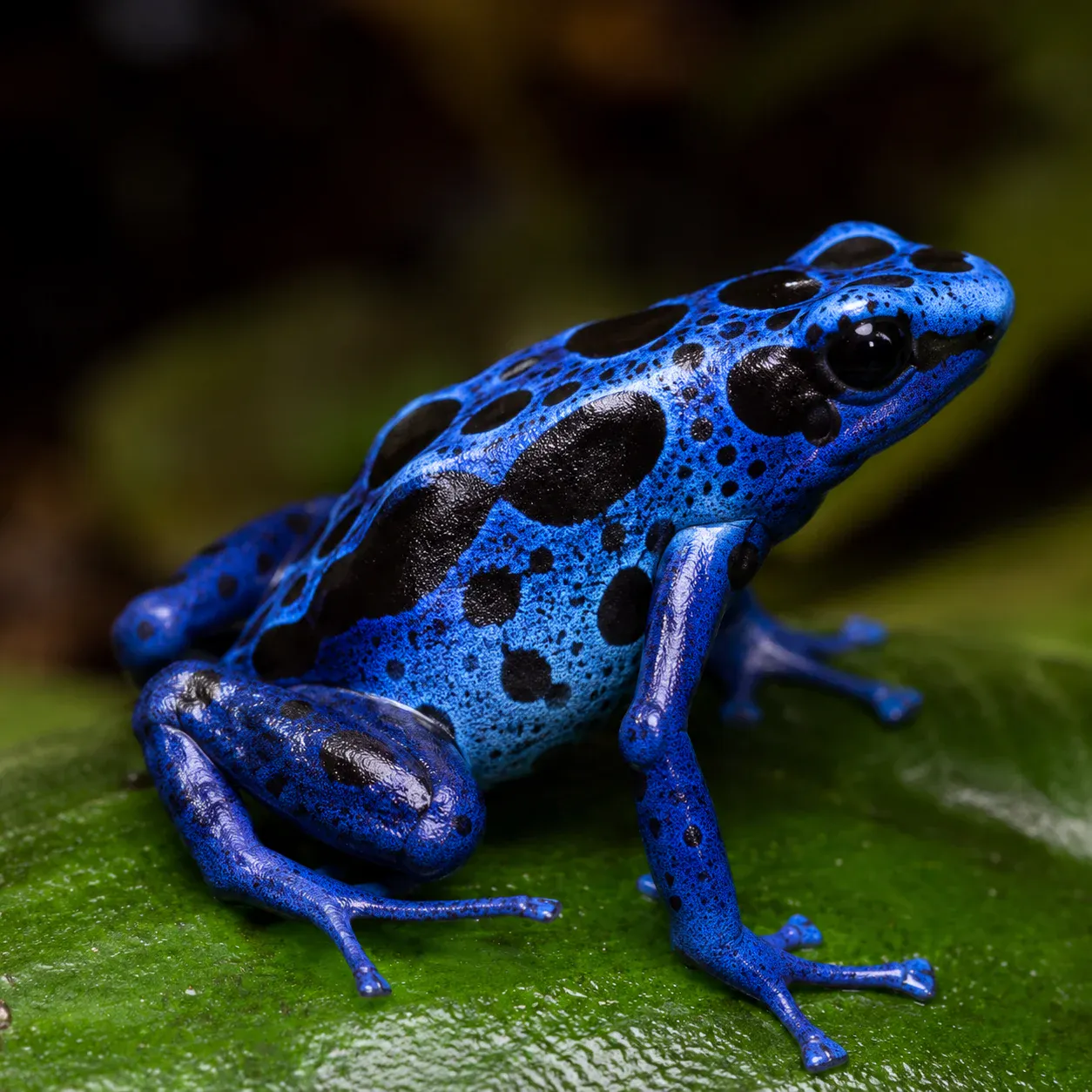
Introduction to Amphibian Care
Amphibians—frogs, toads, salamanders, newts, and caecilians—are increasingly popular exotic pets, but they require very different husbandry than reptiles. Unlike reptiles, amphibians have highly permeable, moist skin that absorbs water, oxygen, and environmental toxins. This makes water quality, humidity, and chemical safety paramount. This guide covers everything you need to know to keep amphibians healthy and thriving, including key differences from reptile care, water quality essentials, amphibian-safe products, a ranking of the best beginner amphibians, and ethical considerations.
Key Differences from Reptile Care
Many new amphibian owners assume care is similar to reptiles, but the differences are significant:
- Skin permeability: Amphibians absorb substances through their skin; reptiles have scales that offer protection. This means no oils, soaps, or chemicals can be used in their environment without careful selection.
- Water source: Amphibians need dechlorinated or spring water; tap water contains chlorine, chloramine, and heavy metals that can be fatal. Reptiles often tolerate tap water better.
- Humidity: Amphibians require 70–100% humidity, while many reptiles need 30–60%. Misting systems, foggers, and bioactive substrates are common.
- Temperature: Most amphibians prefer cooler temperatures (60–78°F) than tropical reptiles. Heat lamps can quickly dehydrate them.
- UVB lighting: While many reptiles need UVB for calcium metabolism, most amphibians get vitamin D from their diet (gut-loaded insects). UVB can be beneficial but must be low-intensity and filtered through glass or mesh.
- Handling: Amphibians are more sensitive to handling due to their skin; they should be handled minimally and with wet, powder-free gloves.
Enclosure Setup and Substrate
Enclosure type depends on species: arboreal (tree frogs) need vertical tanks, terrestrial (toads) need horizontal tanks, and aquatic (axolotls, fire-bellied newts) need water with a land area. Minimum sizes: 10 gallons for small frogs/toads, 20 gallons for medium species, 40+ for larger species.
Substrate options: Use amphibian-safe substrates like coconut fiber, sphagnum moss, organic topsoil (no fertilizers), or chemical-free leaf litter. Avoid gravel, sand, or reptile bark that can be ingested and cause impaction. For aquatic species, use bare-bottom tanks or large, smooth river stones.
Decor and hiding spots: Provide cork bark, PVC pipes, live or silk plants, and shallow water dishes. Ensure all items are smooth and non-toxic.
Heating, Lighting, and Humidity
Heating
Most amphibians thrive at 65–78°F. Use under-tank heaters (with thermostat) or low-wattage ceramic heat emitters for terrestrial species. For aquatic species, submersible heaters are suitable. Avoid heat lamps that dry out the air.
Lighting
Low-level UVB (2–5% output) can benefit diurnal species like White's tree frogs but is not essential. Use a 12-hour day/night cycle. LED lights support live plants without overheating.
Humidity
Maintain 70–100% humidity. Use a hygrometer, misting system, or fogger. For tropical species, mist 2–3 times daily. For semi-aquatic species, a water feature helps maintain humidity.
| Species Type | Temperature Range | Humidity Range | Lighting Needs |
|---|---|---|---|
| Tropical tree frogs | 72–80°F | 80–100% | Low UVB optional |
| Terrestrial toads | 65–75°F | 60–80% | None |
| Aquatic newts/salamanders | 60–70°F | N/A (water quality) | None |
| Axolotls | 60–68°F | N/A (water quality) | None (avoid bright light) |
Water Quality and Amphibian-Safe Products
Water quality is the most critical factor for amphibian health. Use dechlorinated tap water (seachem prime, reptisafe) or bottled spring water. Never use distilled water (lacks minerals). For aquatic species, maintain ammonia 0 ppm, nitrite 0 ppm, nitrate <20 ppm, pH 6.5–7.5.
Amphibian-safe products:
- Water conditioners: Seachem Prime, ReptiSafe, API Stress Coat (diluted)
- Substrates: Coconut fiber (Eco Earth), sphagnum moss, organic topsoil (no chemicals)
- Disinfectants: F10SC, chlorhexidine (diluted), or diluted betadine for wounds. Never use bleach or alcohol.
- Supplements: Calcium with D3 (low dose) and multivitamins (Repashy, Zoo Med)
Products to avoid: Any with aloe vera, tea tree oil, iodine, or phenol. Avoid reptile carpet (harbors bacteria), heat rocks, and red lights.
Diet and Feeding
All amphibians are carnivorous. Feed gut-loaded insects: crickets, dubia roaches, black soldier fly larvae, earthworms, and waxworms (as treats). Dust insects with calcium (with D3 for species without UVB) every feeding and a multivitamin once a week.
Feeding schedule: Juveniles daily, adults every 2–3 days. Remove uneaten prey after 15–20 minutes to prevent impaction. For aquatic species, feed sinking pellets or frozen bloodworms.
Handling and Ethical Considerations
Amphibians should be handled minimally. Their skin absorbs oils, salts, and chemicals from human hands, which can cause stress, burns, or death. If handling is necessary (vet visits, tank cleaning), wet your hands with dechlorinated water or wear powder-free nitrile gloves.
Ethical considerations:
- Wild-caught vs captive-bred: Always choose captive-bred animals. Wild-caught amphibians often carry parasites, suffer stress, and contribute to population decline.
- Conservation: Many amphibians are threatened by chytrid fungus, habitat loss, and climate change. Responsible pet ownership includes not releasing pets into the wild and supporting conservation efforts.
- Lifespan commitment: Some amphibians live 10–20+ years (e.g., axolotls, fire salamanders). Ensure you can provide care for their entire life.
- Breeding: Only breed if you have space for offspring and can ensure they don't enter the pet trade as wild-caught.
Best Beginner Amphibians Ranked
Based on hardiness, availability, and ease of care:
- White's Tree Frog (Litoria caerulea) – Hardy, handleable (with gloves), eats readily, tolerates a range of humidity.
- Fire-Bellied Toad (Bombina orientalis) – Semi-aquatic, colorful, active, and forgiving of minor husbandry mistakes.
- Axolotl (Ambystoma mexicanum) – Fully aquatic, no heating needed, unique appearance. Requires excellent water quality.
- American Green Tree Frog (Hyla cinerea) – Small, easy to feed, and low-maintenance if humidity is maintained.
- Pacman Frog (Ceratophrys ornata) – Sedentary, easy to feed, but requires high humidity and can be aggressive.
- Eastern Newt (Notophthalmus viridescens) – Hardy, aquatic/terrestrial life stages, but may require cooler temperatures.
Common Health Issues
- Red-leg syndrome: Bacterial infection causing redness on legs and belly. Caused by poor water quality. Treat with antibiotic baths (under vet guidance).
- Chytridiomycosis: Fungal disease causing lethargy, skin shedding, and death. Quarantine new animals and maintain hygiene.
- Metabolic bone disease (MBD): Soft jaw, twitching. Caused by calcium deficiency or lack of UVB. Supplement diet properly.
- Impaction: From ingesting substrate. Use large, smooth items or feed in a separate container.
- Fungal infections: White cotton-like growth on skin. Improve hygiene and use antifungal treatments.
Common Mistakes to Avoid
- Using tap water without dechlorinator.
- Handling amphibians with dry hands or without gloves.
- Overheating the enclosure (above 85°F is lethal for most).
- Using reptile heat lamps that dry out the skin.
- Overcrowding: Provide at least 10 gallons per small frog/toad.
- Feeding wild-caught insects (may carry pesticides or parasites).
- Neglecting water changes for aquatic species.
- Using products with aloe vera or tea tree oil (toxic to amphibians).
Conclusion
Amphibians are fascinating, rewarding pets when their unique needs are met. Prioritize water quality, humidity, and chemical safety. Start with a hardy captive-bred species like the White's tree frog or fire-bellied toad. Always research species-specific requirements and consult a reptile/amphibian veterinarian. With proper care, your amphibian can live a long, healthy life.
Related Reading
- Fire-Bellied Newt Care
- Axolotl Care Guide
- Find Your Perfect Reptile
Check optimal temps, calculate feeding, and find your perfect species match.
References
- Browne, R. K., & Zippel, K. (2007). Amphibian husbandry and medicine. In Exotic Animal Medicine for the Veterinary Technician (pp. 247–270). Wiley-Blackwell.
- Divers, S. J. (2016). Amphibian Medicine and Husbandry. Veterinary Clinics of North America: Exotic Animal Practice, 19(3), 709–731.
- Mendelson, J. R., & Altig, R. (2016). Amphibian Conservation and Husbandry: A Guide for Zoos and Aquariums. Smithsonian Institution Scholarly Press.
- Pasmans, F., & Martel, A. (2020). Chytridiomycosis in amphibians: A review of the disease and its management in captive populations. Journal of Exotic Pet Medicine, 35, 1–10.
- Rafferty, J. P. (2021). Amphibians: A Guide to Keeping Frogs, Toads, and Salamanders. Pet Care Books.
🐾 Join the Community
See how other keepers set up their enclosures, ask questions, and share your experience.
🛠️ Apply What You Learned
Check optimal temps, calculate feeding schedules, and get calcium dosage — all personalized for your species.
Comments
No account needed — corrections, updates and questions are all welcome. For a full question with photos, the community Q&A is the better place.